
RO Water Purifier Service Schedule & Maintenance Guide
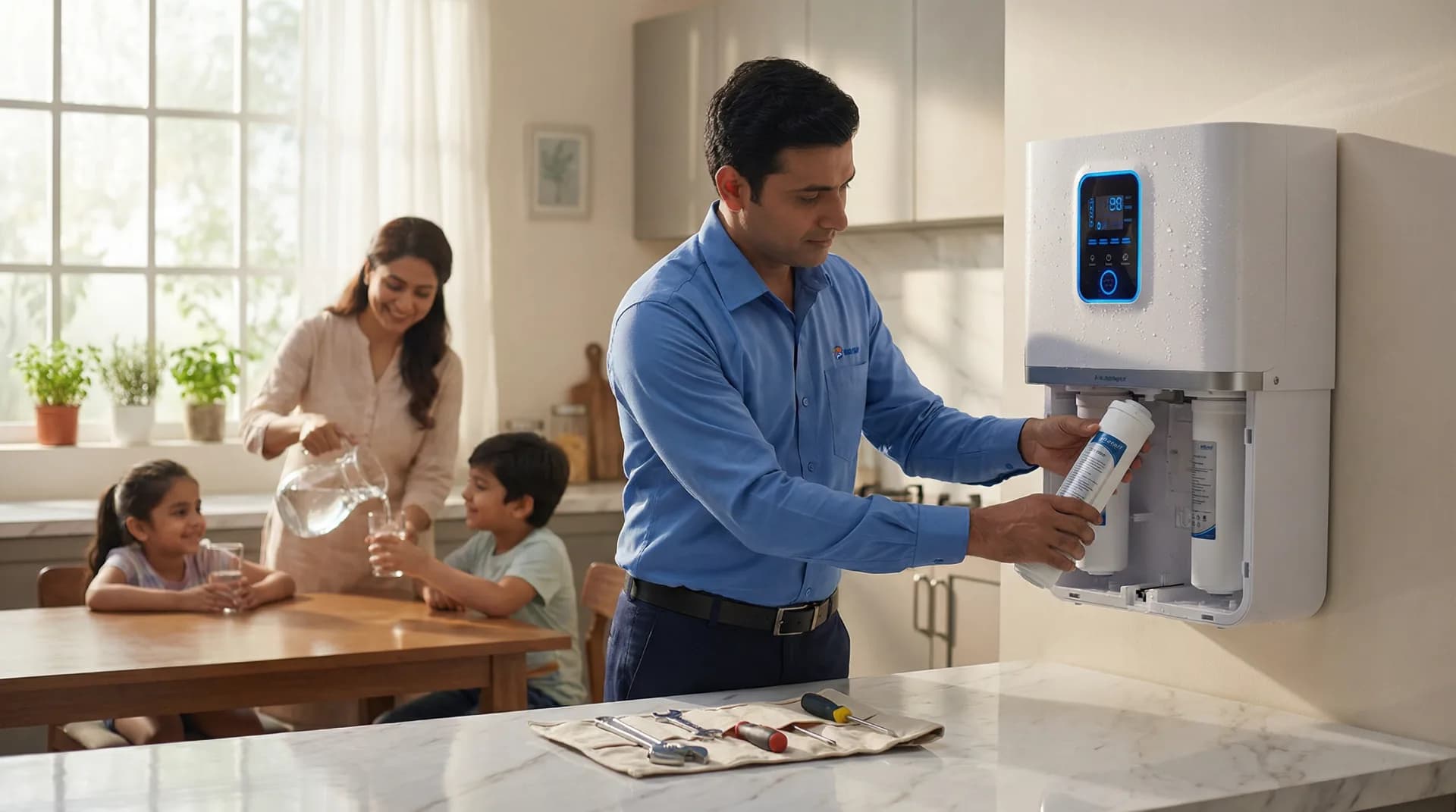
Access to clean drinking water remains one of the most fundamental necessities for maintaining good health and wellbeing in modern households. With increasing concerns about water contamination and the presence of harmful substances in municipal and groundwater supplies, families across the country have turned to advanced purification technologies to ensure their loved ones consume safe, clean water. However, installing a purification system is merely the first step in a comprehensive water safety strategy. The longevity and effectiveness of these systems depend entirely on how well they are maintained over time.
Many homeowners make the critical mistake of assuming that once a water purification device is installed, it will continue to function optimally without intervention. This misconception can lead to serious consequences, including compromised water quality, bacterial growth within the system, and eventual mechanical failure. Regular upkeep is not merely a recommendation but an absolute requirement for any household that depends on these systems for daily drinking water needs.
The truth is that water purification systems are complex devices with multiple components working in harmony to remove impurities, dissolved solids, and contaminants from your water supply. Each component has a specific lifespan and requires attention at different intervals. Understanding these timelines and adhering to them can mean the difference between pure, safe drinking water and potentially harmful consumption.
This comprehensive examination will explore every aspect of maintaining your water purification system, from understanding why regular servicing matters to establishing a practical timeline that fits your household needs. Whether you are a new owner of such a system or have been using one for years, this information will help you maximize both the performance and lifespan of your investment while ensuring your family's health remains protected.
The Science Behind Regular System Servicing
Water purification systems work through a multi-stage process that removes various types of contaminants from your water supply. As water passes through different filtration stages, particles, chemicals, microorganisms, and dissolved solids are progressively eliminated. However, this continuous process means that filters and membranes accumulate rejected materials over time. Without proper attention, these accumulated substances can compromise the entire system's functionality.
The membrane at the heart of advanced purification systems is particularly vulnerable to fouling and scaling. As water molecules pass through the semi-permeable barrier, rejected impurities build up on the membrane surface. This buildup reduces water flow, decreases purification efficiency, and can eventually lead to membrane damage. Regular cleaning prevents this accumulation from reaching critical levels that would impair system performance.
Beyond the membrane, pre-filters and post-filters also reach saturation points where they can no longer effectively capture contaminants. When filters become clogged or exhausted, they may begin releasing previously captured impurities back into the water stream. This phenomenon, known as channeling, effectively reverses the purification process and can introduce concentrated contaminants into your drinking water.
The storage tank presents another maintenance consideration that many users overlook. Even though purified water enters the tank, the environment inside can become conducive to bacterial growth if not properly sanitized. Biofilm formation on tank walls and components can reintroduce microorganisms into otherwise clean water. This makes periodic sanitization an essential component of comprehensive system maintenance.
Establishing Your Maintenance Timeline
Creating a practical maintenance schedule requires understanding the different service intervals for various system components. Not all parts require attention at the same frequency, and establishing a clear timeline helps ensure nothing gets overlooked. The following breakdown provides a framework for organizing your maintenance activities throughout the year.
For membrane cleaning procedures, most systems benefit from professional attention every three to four months. This interval allows technicians to inspect the membrane condition, perform thorough cleaning to remove accumulated deposits, and assess whether replacement might be necessary in the near future. During these sessions, pressure levels are checked, and the rejection rate is tested to ensure the system maintains its purification standards.
Pre-filters typically require replacement every six months, though this can vary based on your source water quality. These filters are the first line of defense against sediment, chlorine, and larger particles. When they become saturated, they not only fail to protect downstream components but also restrict water flow, putting additional strain on the pump and other mechanical parts. Monitoring water flow rate provides a practical indicator of when these filters need changing.
Post-filters, which provide final polishing and taste enhancement, generally last between nine to twelve months. These carbon-based filters remove residual odors and improve the taste of purified water. While they may continue allowing water to pass even when exhausted, their effectiveness in providing that final quality improvement diminishes over time, making scheduled replacement important for maintaining optimal drinking water quality.
The system storage tank requires thorough sanitization annually, though households with higher water consumption might benefit from semi-annual cleaning. This process involves draining the tank completely, cleaning all internal surfaces with appropriate sanitizing solutions, and ensuring all connections remain secure and leak-free. Tank sanitization prevents the growth of microorganisms that could contaminate otherwise pure water.
Recognizing Warning Signs Between Scheduled Maintenance
While following a regular maintenance schedule forms the foundation of proper system care, staying alert to warning signs between scheduled services can prevent minor issues from becoming major problems. Several indicators suggest your system needs immediate attention regardless of when the last service occurred.
Changes in water taste or odor represent one of the most obvious signs that something has gone wrong. If water that typically tastes clean and fresh suddenly develops an unusual flavor or smell, this suggests filter exhaustion or contamination within the system. Such changes should never be ignored, as they directly indicate compromised purification performance.
Decreased water flow or lower storage tank pressure signals potential problems with filters, membrane, or mechanical components. When water begins trickling from the faucet instead of flowing smoothly, the system is struggling to maintain normal operation. This could result from clogged filters, a fouled membrane, or a failing pump, all of which require prompt attention.
Unusual noises from the system, such as constant running, clicking, or grinding sounds, indicate mechanical stress or component failure. A properly functioning system operates relatively quietly, so any persistent or new sounds warrant investigation. These noises often precede complete system failure, making early intervention crucial.
Visible leaks, moisture around connections, or water pooling near the system obviously require immediate attention. Even small leaks can lead to water damage and indicate deteriorating seals or connections that will only worsen with time. Additionally, leaks represent wasted water and can compromise system pressure, affecting overall performance.
Water Quality Assessment Methods
Regular testing provides objective data about your system's performance beyond subjective observations about taste or appearance. Several testing approaches help ensure your purification system delivers the quality you expect and deserve.
Total Dissolved Solids testing offers the most straightforward method for assessing purification effectiveness. Using an inexpensive meter, you can measure the concentration of dissolved minerals and salts in both source water and purified water. A properly functioning system should reduce these solids by ninety to ninety-five percent. Regular testing establishes a baseline for your system and helps identify declining performance before it becomes critical.
Professional laboratory testing provides comprehensive analysis of various contaminants, including bacteria, heavy metals, and chemical compounds. While more expensive than simple home tests, laboratory analysis offers the most thorough assessment of water safety. Consider professional testing annually or whenever you suspect contamination issues beyond normal system capacity.
Home test kits for specific contaminants allow targeted assessment of particular concerns. Test strips and liquid reagent kits can detect chlorine, lead, pesticides, bacteria, and other specific substances. These affordable options enable regular monitoring without the expense of comprehensive laboratory analysis, helping you stay informed about your water quality between professional evaluations.
Seasonal Considerations for System Maintenance
Environmental factors and seasonal changes impact water purification systems in ways that many users fail to consider. Adjusting your maintenance approach based on these variables ensures optimal performance year-round.
Summer months often bring increased water consumption as families drink more water and use purified water for cooking and food preparation. This higher demand places additional stress on system components and may accelerate filter saturation. Consider more frequent filter inspections during peak usage periods to ensure the system can meet demand without compromising quality.
Winter presents different challenges, particularly in regions where freezing temperatures occur. Systems installed in unheated areas face potential damage from frozen water in filters or lines. Insulation, heating tape, or relocating components to heated spaces prevents freeze damage. Even in moderate climates, winter often brings increased sediment in source water due to runoff and municipal system disturbances, potentially requiring more frequent pre-filter changes.
Monsoon or rainy seasons typically introduce higher contamination levels in groundwater and surface water sources. Increased turbidity, bacterial counts, and organic matter during these periods can overwhelm filtration capacity more quickly than during dry seasons. Enhanced monitoring and potentially more frequent maintenance during these times protects your household from seasonal water quality fluctuations.
Industry Leaders in Purification Technology and Support
The water purification industry includes several established manufacturers offering reliable systems and comprehensive support networks. Doctor Fresh has built a reputation for responsive service and readily available replacement components, making maintenance straightforward for system owners. RO Care India focuses specifically on purification technology support, providing specialized expertise in system maintenance and troubleshooting across various brands.
Mannubhai Service Expert offers multi-brand service capabilities, allowing customers to access professional maintenance regardless of their system manufacturer. This flexibility proves particularly valuable for households with older systems or less common brands. Kent has established an extensive service network throughout the country, ensuring users can access authorized technicians for routine maintenance and emergency repairs.
Aquaguard remains one of the most recognized names in home water purification, with decades of market presence and a comprehensive range of systems for different needs. Aquafresh offers budget-friendly options without compromising on essential purification capabilities, making clean water accessible to more households. Pureit has innovated with systems designed for areas lacking reliable electricity, expanding access to purification technology.
Blue Star leverages its extensive experience in water and air treatment technologies to offer integrated home solutions, while LG applies its electronics expertise to develop smart purification systems with advanced monitoring capabilities. These diverse manufacturers ensure consumers can find systems matching their specific requirements, budgets, and local water conditions. If you're ready to Buy water purifier, explore available options and specifications to match your household needs.
Professional Service Versus Self-Maintenance
Determining which maintenance tasks you can handle yourself versus those requiring professional expertise helps balance convenience with system care quality. Understanding these distinctions prevents improper maintenance that could damage your system or compromise water safety. For local service needs, consider hiring Ro Service.
Filter replacement represents the most accessible maintenance task for most users. With clear instructions and readily available replacement filters, homeowners can typically handle pre-filter and post-filter changes without professional assistance. This saves service call expenses while ensuring filters get changed promptly when needed. However, proper disposal of used filters and careful attention to sealing new filters correctly remains essential for preventing leaks or contamination. For specialised tasks such as water softener maintenance, consider contacting Water Softener service.
Membrane cleaning and assessment requires specialized knowledge, tools, and cleaning solutions that most households lack. Professionals understand how to evaluate membrane condition, apply appropriate cleaning agents, and determine when replacement becomes necessary. Attempting membrane maintenance without proper training risks damaging this expensive component, making professional service the wise choice for this critical task.
System sanitization can be performed by knowledgeable homeowners following detailed protocols, but many prefer professional service to ensure thoroughness. Technicians bring experience in properly preparing sanitizing solutions, accessing all system areas requiring treatment, and completely flushing the system afterward. For households where any family member has compromised immunity, professional sanitization provides additional assurance.
Mechanical repairs, pressure adjustments, and electronic component troubleshooting definitely require professional expertise. These tasks involve understanding system design, having appropriate diagnostic equipment, and accessing manufacturer-specific technical information. Attempting these repairs without proper qualifications typically worsens problems and may void system warranties.
Documentation and Record Keeping
Maintaining detailed records of all maintenance activities, component replacements, and system performance creates valuable reference information for optimizing care and troubleshooting issues. This documentation proves especially valuable when selling a home or transferring system ownership.
Create a maintenance log recording dates of filter changes, professional services, component replacements, and any issues encountered. Note the specific parts replaced, including model numbers and manufacturers, to establish patterns in component lifespan and identify any recurring problems. This information helps anticipate future needs and budget for upcoming maintenance expenses.
Keep copies of all service invoices and warranty documents in a dedicated file. These records prove valuable when claiming warranty coverage, selling the system, or transferring it to new homeowners. They also provide service history that new technicians can review to quickly understand the system's background and any previous issues.
Record periodic testing results, including both simple measurements and professional laboratory reports. Tracking these values over time reveals trends in system performance and water quality, helping identify gradual degradation before it becomes obvious through taste or other subjective indicators. This proactive approach prevents the unpleasant surprise of suddenly discovering your water quality has been declining for weeks or months.
Cost Considerations and Budgeting
Understanding the financial aspects of system maintenance helps households budget appropriately and avoid unpleasant surprises when service becomes necessary. While costs vary by region, system type, and service provider, general guidelines help with financial planning.
Annual maintenance costs typically range from fifteen to twenty-five percent of the original system purchase price when following recommended service schedules. This includes filter replacements, professional cleaning sessions, and routine component inspections. While this might seem significant, it pales in comparison to premature system replacement resulting from neglect or the health costs associated with consuming contaminated water.
Component replacement represents the largest variable in maintenance expenses. Membranes, the most expensive replaceable component, typically last three to five years with proper care but may require earlier replacement if maintenance is neglected or source water quality is particularly poor. Setting aside funds for eventual membrane replacement prevents this predictable expense from creating financial stress.
Service contracts offered by many providers bundle routine maintenance, emergency repairs, and component replacements into predictable monthly or annual fees. These plans can provide peace of mind and budget stability, particularly for households that prefer not tracking service schedules or coordinating individual service appointments. Evaluating whether such contracts offer value requires comparing their cost against expected individual service expenses.
Environmental Impact of Proper Maintenance
Beyond personal health and system longevity, proper maintenance carries environmental implications that conscientious consumers should consider. Well-maintained systems operate more efficiently and generate less waste over their lifetime.
Extending component lifespan through proper care reduces the number of filters and membranes requiring disposal. While these components eventually need replacement regardless of maintenance quality, neglect often leads to premature failure and more frequent replacement. Each avoided early replacement means less manufacturing resource consumption and less waste entering landfills.
Efficient system operation conserves water by minimizing reject water production. Fouled membranes and clogged filters force systems to reject higher percentages of source water to achieve desired purity levels. Clean, well-maintained systems achieve target water quality while rejecting less water, conserving this precious resource especially in water-scarce regions.
Preventing system failure through maintenance avoids the environmental cost of premature system replacement. Manufacturing new purification systems requires substantial energy and raw materials. Maximizing the useful life of existing systems through proper care represents environmental stewardship that extends beyond the immediate household.
Advanced Monitoring Technologies
Modern purification systems increasingly incorporate monitoring technologies that simplify maintenance tracking and provide early warning of developing issues. Understanding these features helps maximize their benefits.
Digital displays showing filter life remaining eliminate guesswork about when replacements become necessary. These systems track water volume processed and calculate expected filter capacity, providing countdown timers or percentage displays indicating remaining filter life. While convenient, remember these calculations assume average water quality, so visual inspection and performance monitoring remain important.
Smart systems connecting to home networks and mobile applications enable remote monitoring of system status, water quality measurements, and maintenance alerts. These advanced features prove particularly valuable for vacation homes, rental properties, or households where residents travel frequently. However, connectivity features also introduce potential technical complications and may require occasional troubleshooting beyond traditional mechanical maintenance.
Automatic shutdown features protect households when systems detect problems beyond safe operating parameters. If water quality falls below acceptable levels or mechanical issues develop, these safety systems stop water production and alert users to the problem. This prevents unknowing consumption of inadequately purified water but requires prompt attention to restore service.
Building Long-Term System Care Habits
Transforming maintenance from burdensome obligation to routine habit ensures your system receives consistent care without constant conscious effort. Several strategies help establish and maintain these beneficial habits.
Calendar scheduling of maintenance tasks and professional service appointments prevents oversight. Set recurring reminders for filter changes, testing activities, and service scheduling well before due dates. This proactive approach ensures adequate time for ordering supplies or booking technician visits without emergency rush fees or gaps in system care.
Keeping supplies on hand eliminates the temptation to postpone filter changes or other routine tasks because required materials are unavailable. Maintain a stock of appropriate filters, sanitizing solutions, and testing supplies so you can complete scheduled maintenance promptly when due. Many suppliers offer automatic delivery programs that ship replacement filters on predictable schedules, removing even the need to remember orders.
Involving household members in maintenance awareness creates shared responsibility for system care. Teach family members to recognize warning signs of system issues and whom to notify when problems appear. This distributed awareness means multiple people watch for potential issues rather than depending on a single person to notice everything.
Conclusion
Maintaining a water purification system requires commitment and consistent attention, but the rewards far exceed the effort involved. By understanding service intervals, recognizing warning signs, and establishing practical maintenance habits, households ensure continuous access to clean, safe drinking water while protecting their equipment investment. Regular professional servicing combined with appropriate self-maintenance creates a comprehensive care approach that maximizes system lifespan and performance.
The difference between a system providing reliable service for a decade or more versus one failing prematurely often comes down to maintenance consistency. Filters changed promptly, membranes cleaned regularly, and systems sanitized appropriately deliver both superior water quality and dependable operation year after year. Conversely, neglect inevitably leads to declining performance, compromised water safety, and expensive repairs or premature replacement.
Investing time and resources in proper system care ultimately saves money compared to dealing with preventable failures or health issues resulting from inadequate water purification. The small ongoing investment in maintenance preserves the much larger investment in the system itself while protecting the invaluable asset of family health. Every household deserves access to consistently clean drinking water, and proper maintenance makes that goal achievable and sustainable for the long term.
Q - How often should I replace the filters in my water purification system?
A - Pre-filters typically need replacement every six months, while post-filters last between nine to twelve months. However, these timelines can vary based on your source water quality and household consumption. If you notice decreased water flow or changes in taste before these intervals, replace the filters immediately. Monitoring your system's performance and keeping track of when filters were last changed helps ensure timely replacements and optimal purification efficiency.
Q - What are the most common signs that my purification system needs immediate servicing?
A - The most obvious warning signs include changes in water taste or odor, significantly reduced water flow, unusual noises like constant running or grinding sounds, and visible leaks around the system. Any of these symptoms indicate that something has compromised your system's performance and requires prompt attention. Ignoring these signs can lead to complete system failure or, more seriously, consumption of inadequately purified water that may contain harmful contaminants.
Q - Can I perform all maintenance tasks myself, or do I need professional help?
A - Basic tasks like replacing pre-filters and post-filters can typically be handled by homeowners following manufacturer instructions. However, membrane cleaning, system sanitization, pressure adjustments, and mechanical repairs require professional expertise and specialized tools. Attempting complex maintenance without proper training risks damaging expensive components or compromising water safety. A balanced approach combining self-maintenance for simple tasks with professional service for technical procedures ensures optimal system care without unnecessary risk.
Q - Why is regular membrane cleaning necessary even if my system seems to be working fine?
A - Membranes accumulate rejected impurities on their surface over time, even when the system appears to function normally. This buildup gradually reduces purification efficiency and water flow before becoming obvious to users. Regular cleaning every three to four months prevents this accumulation from reaching critical levels that impair performance or cause permanent membrane damage. Professional cleaning extends membrane lifespan, maintains purification standards, and ultimately saves money by preventing premature replacement of this expensive component.
Stay informed about optimal water purification practices by exploring our detailed maintenance resources and expert recommendations. Learn more about establishing effective care routines that ensure your household continues enjoying consistently pure, safe drinking water while maximizing your system's performance and longevity.