
Why Food Grade Plastic Matters in Water Purifiers
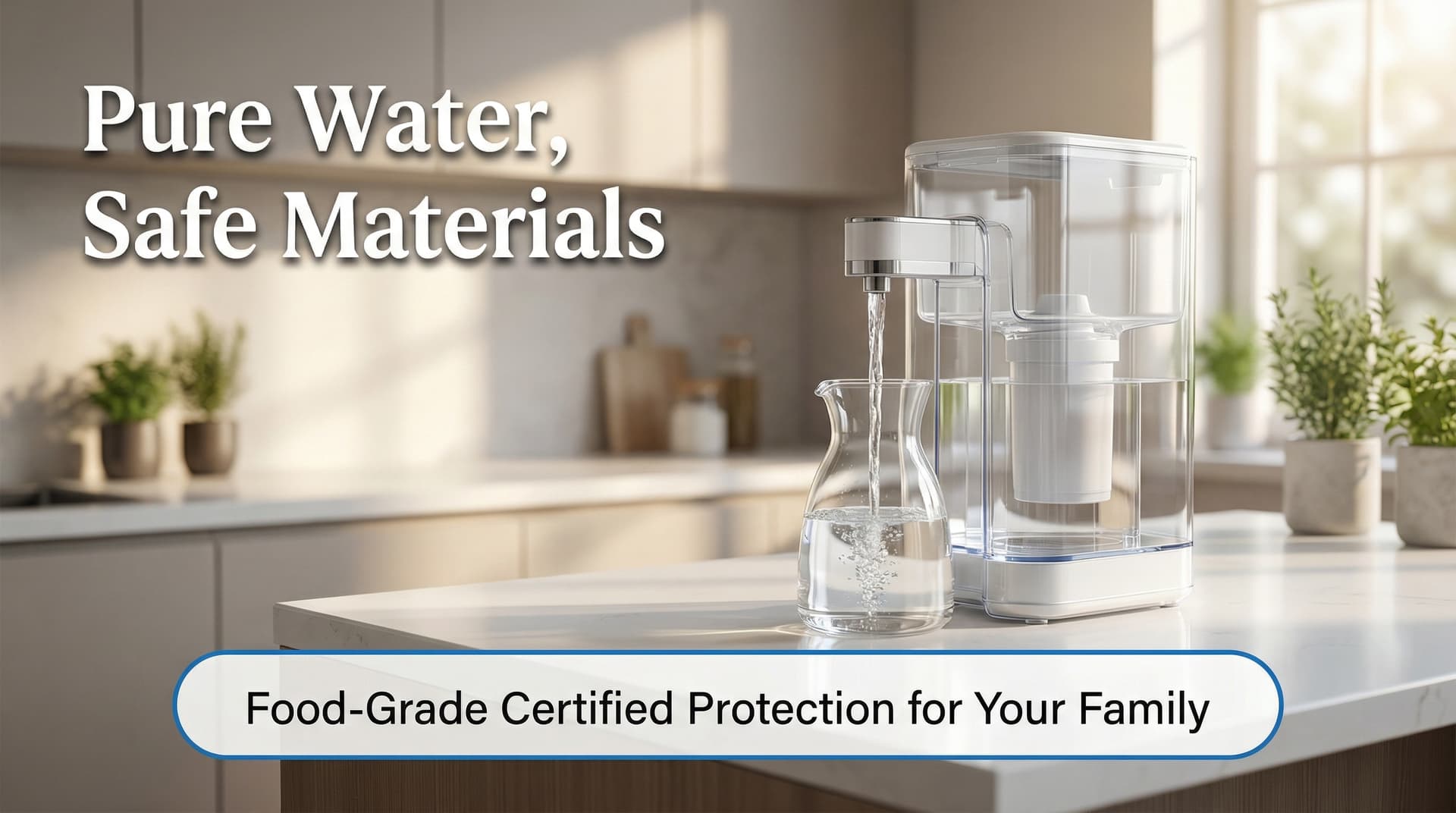
Safeguarding Water Quality: The Essential Role of Food-Grade Materials in Purifier Manufacturing
Water purification technology has evolved remarkably over the past few decades, transforming from simple filtration methods to sophisticated systems that promise near-absolute purity. However, even the most advanced purification mechanism can become meaningless if the materials used to store and transport that purified water compromise its quality. The container holding your drinking water plays an equally vital role as the purification process itself, making material selection a critical factor that often goes unnoticed by consumers.
When water passes through multiple purification stages and emerges crystal clear, we tend to assume our job is done. The reality tells a different story. Purified water, now stripped of many natural minerals and protective compounds, becomes highly reactive and capable of leaching chemicals from whatever surface it touches. This chemical vulnerability makes the choice of storage materials extraordinarily important for maintaining water quality after purification.
The human body consists of approximately sixty percent water, and adults typically need to consume around two to three liters daily to maintain optimal health. Given this substantial intake, even trace amounts of harmful substances leaching from inappropriate storage materials can accumulate over time, potentially causing long-term health complications. This sobering fact underscores why manufacturers must exercise extreme caution when selecting materials for water contact components.
Modern households increasingly rely on Buy water purifier as their primary source of drinking water, making these appliances an integral part of daily life. With this dependence comes the responsibility of ensuring every component meeting the purified water maintains the highest safety standards. The materials used in tanks, pipes, connectors, and dispensing taps all influence the final quality of water reaching your glass.
The Chemistry of Material Safety in Water Contact Applications
Material science reveals that not all plastics behave identically when exposed to water, especially over extended periods. Ordinary plastics contain various additives, stabilizers, colorants, and processing aids that can migrate into water under certain conditions. These substances include plasticizers that provide flexibility, stabilizers that prevent degradation, and residual monomers left over from the polymerization process. When water remains in contact with standard plastic surfaces, these compounds gradually dissolve into the liquid, altering its chemical composition.
The temperature factor significantly accelerates this leaching process. Water stored in inappropriate plastic containers exposed to heat experiences faster migration of chemicals. In tropical and subtropical climates where room temperatures regularly exceed comfortable levels, this becomes particularly concerning for household water storage. The molecular structure of inferior plastics breaks down more rapidly under thermal stress, releasing compounds at rates that multiply exponentially with rising temperatures.
Certified materials designated for water contact undergo rigorous testing to ensure they remain chemically inert when exposed to liquids intended for human consumption. These materials must demonstrate stability across a wide temperature range and resist degradation from prolonged water exposure. Manufacturers formulate these specialized plastics without toxic additives, using only components approved by food safety authorities worldwide. The resulting materials maintain their structural integrity without contaminating the stored water.
Testing protocols for materials approved for consumable liquid contact involve exposing samples to water under various conditions and analyzing the resulting liquid for any migrated substances. These tests measure specific chemical compounds, heavy metals, and overall changes in water composition. Only materials passing stringent safety thresholds earn certification for use in applications involving drinking water or consumable liquids.
Health Implications of Substandard Storage Materials
Medical research has increasingly focused on the health effects of chronic exposure to chemicals leaching from inappropriate storage containers. Certain plasticizers commonly used in standard plastics function as endocrine disruptors, interfering with hormone regulation in the human body. These compounds can affect reproductive health, metabolic functions, and developmental processes, particularly in children whose bodies remain more vulnerable to environmental toxins.
Bisphenol compounds represent another category of concern in unsuitable plastic formulations. These industrial chemicals serve various purposes in plastic manufacturing but carry documented health risks when ingested regularly through contaminated water. Scientific studies have linked exposure to these substances with cardiovascular problems, metabolic disorders, and reproductive complications. Children, pregnant women, and individuals with compromised immune systems face heightened vulnerability to these effects.
Heavy metals sometimes present in low-quality plastic additives pose serious health threats through bioaccumulation. Lead, cadmium, and mercury can accumulate in body tissues over time, eventually reaching toxic concentrations that damage organs and neurological functions. The insidious nature of this contamination lies in its gradual progression, often producing no immediate symptoms while causing irreversible harm over years of exposure.
Beyond specific chemical threats, inappropriate storage materials can harbor bacterial growth and promote biofilm formation on their surfaces. Unlike properly certified materials with smooth, non-porous surfaces that resist microbial colonization, inferior plastics may develop microscopic cracks and surface irregularities where bacteria thrive. This biological contamination reintroduces pathogens into water already purified through expensive filtration systems.
Distinguishing Certified Materials from Standard Alternatives
Certified plastics approved for consumable liquid contact bear specific markings and comply with international standards established by regulatory bodies. These materials typically display certification symbols indicating approval from organizations that set safety standards for products contacting consumables. Consumers should look for these indicators when evaluating water storage products and purification systems.
Manufacturing processes for certified materials differ substantially from those used for general-purpose plastics. Production facilities maintain stricter quality controls, using only approved raw materials and additives. The polymerization process follows precise parameters to minimize residual monomers, and finished products undergo batch testing to verify compliance with safety standards. This comprehensive quality management ensures consistency across production runs.
Virgin polymer resins form the foundation of certified water contact materials, as opposed to recycled content that may introduce unknown contaminants. The supply chain for these resins maintains strict traceability, documenting the origin and composition of all components. This transparency allows manufacturers to guarantee their products meet safety requirements and helps regulators trace any potential issues back to their source.
Surface properties of certified materials remain critical for maintaining water purity. These plastics exhibit low surface energy, preventing chemical interactions with stored water while resisting mineral deposits and bacterial adhesion. The molecular structure creates a stable barrier between water and the container, ensuring that purified water maintains its quality throughout storage periods.
Variations in Material Grades for Different Applications
Dm Plant require different material properties to accommodate flexibility and pressure resistance. Certified tubing materials must withstand continuous water flow and pressure variations without degrading or releasing contaminants. These materials combine elasticity with durability, allowing for installation in confined spaces while maintaining leak-proof connections. The internal surface finish remains critical, as rough interiors promote bacterial growth and restrict water flow.
Transparent components that allow visual monitoring of water levels demand additional considerations. Certified clear plastics must resist yellowing and clouding over time while maintaining the same safety standards as opaque materials. These transparent grades often cost more due to the specialized manufacturing processes required to achieve clarity without compromising safety.
Dispenser taps and outlet components experience different stress conditions compared to static storage tanks. These parts endure repeated mechanical action, exposure to air, and temperature fluctuations as water flows through them. Certified materials for these applications must resist wear while maintaining chemical stability under dynamic conditions that accelerate degradation in inferior materials.
Quality Standards Across Manufacturing Practices
Leading manufacturers in the water purification industry recognize that material safety directly impacts their reputation and customer health. Companies like Doctor Fresh, RO Care India, and Mannubhai Service Expert emphasize material certification in their product development processes. These organizations implement comprehensive quality assurance programs that verify every component meeting water maintains appropriate safety standards.
Established brands such as Kent, Aquaguard, and Aquafresh invest significantly in research and development to optimize material selection for their purification systems. Their engineering teams collaborate with material scientists to identify the most suitable certified plastics for each application within their product lines. This attention to detail ensures that water quality remains uncompromised from purification through dispensing.
Companies including Pureit, Blue Star, and LG maintain stringent supplier qualification processes, approving only vendors who demonstrate consistent compliance with material safety standards. These manufacturers conduct regular audits of their supply chains, testing incoming materials to verify certifications and ensure no substitutions occur. This vigilance protects consumers from substandard materials entering the production process.
Consumer education remains a priority for responsible manufacturers who understand that informed customers make better purchasing decisions. By transparently communicating their material choices and the reasoning behind them, these companies build trust while raising awareness about the importance of certified materials in water contact applications.
Long-Term Durability and Material Performance
Certified materials designed for water contact demonstrate superior longevity compared to standard alternatives. The stable chemical composition resists degradation from continuous water exposure, ultraviolet light, and temperature fluctuations that typically degrade inferior plastics. This durability translates into extended product lifespans and consistent performance over years of operation.
Surface integrity maintenance proves crucial for preventing contamination over time. Certified materials resist cracking, crazing, and surface degradation that create havens for bacterial colonization. As purification systems age, this resistance becomes increasingly important for maintaining water quality equivalent to new installations. Regular visual inspections reveal minimal changes in certified materials even after years of service.
Economic considerations favor certified materials despite their higher initial costs. The extended lifespan and consistent performance eliminate frequent replacement expenses associated with inferior components. Additionally, maintaining water quality throughout the product's service life prevents health costs related to contaminated water consumption. This total cost of ownership calculation demonstrates the value of investing in properly certified materials.
Environmental responsibility intersects with material quality in modern manufacturing. Certified plastics, being more durable, reduce replacement frequency and associated waste generation. When these materials eventually reach end of life, their known composition facilitates proper recycling or disposal, unlike contaminated or mixed materials that complicate waste management efforts.
Maintenance Considerations for Water Contact Components
Even the highest quality certified materials require appropriate maintenance to preserve their protective properties. Regular cleaning using approved methods prevents mineral buildup and organic matter accumulation that could compromise surface integrity. Manufacturers provide specific cleaning instructions that avoid harsh chemicals or abrasive techniques potentially damaging certified materials.
Inspection protocols should focus on identifying any physical damage, discoloration, or surface changes in water contact components. Cracks, stress marks, or unusual odors indicate potential material degradation requiring immediate attention. While certified materials resist such problems, mechanical damage from impacts or improper handling can compromise any material's safety.
Replacement intervals for different components vary based on their function and exposure conditions. Tank interiors experiencing constant water contact may require replacement less frequently than dynamic components like seals and tubing that undergo mechanical stress. Following manufacturer recommendations for component replacement ensures optimal system performance and water safety.
Water quality itself influences material longevity, with highly purified water being more chemically aggressive than water containing natural minerals. This paradox means that effective purification systems must use materials specifically rated for contact with demineralized or Ro Plant treated water, which behaves differently than ordinary tap water.
Making Informed Decisions About Water Storage Safety
Consumers evaluating water purification systems should prioritize material certification as a primary selection criterion. Requesting documentation of material compliance demonstrates informed decision-making and signals to manufacturers that customers value safety. Price comparisons should account for material quality differences, recognizing that lower-cost systems may compromise on this critical aspect.
Installation practices affect material performance regardless of quality. Proper positioning away from direct sunlight and heat sources protects certified materials from unnecessary thermal stress. Following manufacturer guidelines for system placement optimizes component longevity and maintains water quality throughout the distribution chain.
Understanding certification marks and standards empowers consumers to verify manufacturer claims independently. Familiarity with symbols indicating approval by recognized food safety organizations allows quick assessment of product specifications. This knowledge proves invaluable when comparing competing products or evaluating replacement components.
Education extends beyond initial purchase decisions to ongoing system management. Staying informed about recalls, safety updates, and best practices ensures continued safe operation throughout the product lifecycle. Engaging with manufacturer customer service resources provides access to expert guidance on maintaining system integrity.
Regulatory Frameworks Governing Material Safety
International standards organizations establish comprehensive guidelines for materials contacting consumable liquids. These frameworks specify testing methodologies, acceptable contamination levels, and certification procedures that manufacturers must follow. Compliance with multiple international standards provides additional assurance of material safety across different regulatory environments.
National regulatory bodies adapt international standards to local conditions while sometimes imposing additional requirements. Understanding the regulatory landscape in your region helps verify that products meet applicable safety standards. Manufacturers selling in multiple markets typically comply with the most stringent applicable standards to simplify production and distribution.
Testing laboratories accredited to evaluate material safety perform critical roles in the certification process. These independent facilities conduct standardized tests and issue certificates validating manufacturer claims. The accreditation of testing laboratories themselves ensures that certification processes maintain integrity and consistency.
Ongoing surveillance and market monitoring by regulatory authorities protect consumers from non-compliant products entering distribution channels. Periodic testing of products purchased from retail outlets verifies continued compliance and identifies potential violations. This enforcement mechanism incentivizes manufacturers to maintain quality standards consistently.
Future Developments in Water Contact Materials
Material science continues advancing with research into novel polymers offering enhanced safety and performance characteristics. Emerging materials incorporate antimicrobial properties without leaching toxic substances, providing additional protection against biological contamination. These innovations promise improved water safety while maintaining the chemical inertness essential for storing purified water.
Nanotechnology applications in certified plastics may enable self-cleaning surfaces that actively prevent biofilm formation. Such materials could reduce maintenance requirements while enhancing long-term hygiene in water storage applications. Research continues exploring how to incorporate these advanced properties without compromising fundamental safety requirements.
Sustainability considerations drive development of certified materials derived from renewable resources rather than petroleum feedstocks. Bio-based plastics meeting safety standards for water contact could reduce environmental impacts while maintaining necessary performance characteristics. Balancing sustainability goals with uncompromising safety standards presents challenges that material scientists actively address.
Smart materials incorporating sensors might enable real-time monitoring of storage component integrity, alerting users to degradation before water quality suffers. Integration of such technologies could transform passive storage systems into active safety monitors, providing unprecedented assurance about water quality throughout the purification and storage process.
Comprehensive Understanding Ensures Safe Hydration
The journey of water from purification through storage to consumption involves numerous contact points with materials that either preserve or compromise its quality. Certified plastics specifically formulated for water contact represent essential components in maintaining the health benefits that purification systems promise. Understanding the science behind these materials, recognizing quality indicators, and demanding compliance with safety standards empowers consumers to make informed decisions protecting their families' health.
Material safety in water purification systems extends beyond mere regulatory compliance to represent a fundamental commitment to consumer wellbeing. The invisible threat of chemical contamination from inappropriate storage materials rivals the visible impurities that purification removes. Prioritizing certified materials throughout water contact applications ensures that the investment in purification technology delivers its intended health benefits without introducing new risks.
Manufacturers bearing responsibility for material selection must balance cost pressures with uncompromising safety standards. Companies demonstrating this commitment through transparent material sourcing and comprehensive testing deserve consumer support. As awareness grows regarding the importance of certified water contact materials, market forces increasingly favor manufacturers who refuse to compromise on this critical aspect of product safety.
The future of water purification technology promises continued advancement in both purification effectiveness and material safety. Consumers educated about the importance of certified storage materials will drive industry improvements by demanding transparency and refusing to accept substandard components. This informed consumer base ensures that technological progress in purification parallels equal advancement in safe storage solutions, delivering truly healthy hydration.
FAQ
Q - Why does purified water require special storage materials compared to regular tap water?
A - Purified water becomes highly reactive after the filtration process removes its natural minerals and protective compounds. This makes it more capable of leaching chemicals from surfaces it contacts. Unlike tap water with mineral content that provides some buffering, purified water aggressively interacts with container materials, making certified plastics essential to prevent contamination and maintain the purity achieved through filtration.
Q - How can I identify if my water purifier uses certified materials safe for water contact?
A - Look for specific certification symbols and markings on the product that indicate approval from recognized food safety organizations. Request documentation from manufacturers showing compliance with international standards for water contact materials. Reputable manufacturers transparently provide material safety certifications and use only virgin polymer resins approved for consumable liquid storage rather than standard plastics.
Q - What health risks are associated with storing purified water in non-certified plastic containers?
A - Non-certified plastics can leach harmful substances including endocrine-disrupting plasticizers, industrial chemicals, and heavy metals into stored water. These contaminants accumulate in body tissues over time, potentially causing hormonal imbalances, cardiovascular problems, metabolic disorders, and neurological damage. Children and pregnant women face heightened vulnerability, and inferior materials may also harbor bacterial growth that reintroduces pathogens into purified water.
Q - Do certified water contact materials require special maintenance to remain safe over time?
A - While certified materials demonstrate superior durability and chemical stability, they still require appropriate care. Regular cleaning with approved methods prevents mineral buildup without damaging surfaces. Periodic inspections for cracks, discoloration, or unusual odors help identify potential degradation. Following manufacturer guidelines for positioning away from heat sources and adhering to recommended component replacement intervals ensures continued safety throughout the system's lifespan.