
RO vs UV vs UF Water Purifiers: Complete Comparison Guide
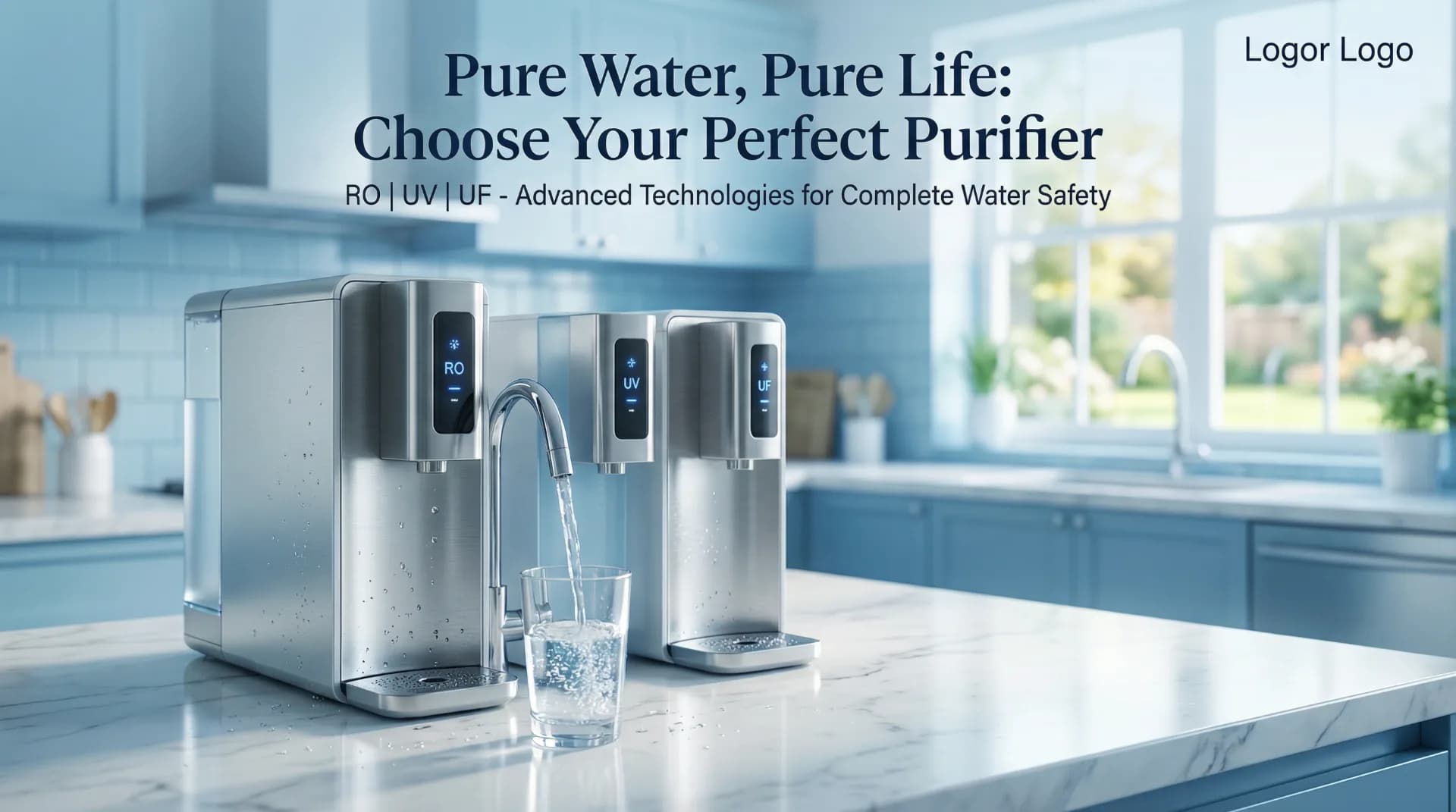
Comparing Water Purification Technologies: RO vs UV vs UF Systems for Home Use
Access to clean drinking water is fundamental to maintaining good health, yet many households struggle with determining which purification system best suits their needs, including where to Buy water purifier . With various technologies available in the market, making an informed decision requires understanding how each system operates, what contaminants they remove, and which water conditions they address most effectively. The choice between different purification methods depends on multiple factors including source water quality, dissolved impurity levels, microbial contamination, and household consumption patterns.
Modern water treatment solutions have evolved significantly over the past few decades, offering homeowners multiple options for ensuring safe drinking water. Each technology employs distinct mechanisms to eliminate or neutralize harmful substances, and understanding these differences is crucial for selecting the appropriate system. While some methods excel at removing dissolved solids and heavy metals, others focus primarily on eliminating biological contaminants. The effectiveness of any purification technology is directly related to the specific challenges present in your water supply.
The decision between various purification systems should never be based solely on marketing claims or popular trends. Instead, homeowners must evaluate their water source characteristics, conduct proper testing to identify contaminants, and match their findings with the appropriate technology. Municipal water supplies often contain different impurities compared to groundwater or well water, and treatment requirements vary accordingly. Additionally, factors such as ongoing maintenance requirements, operating costs, and water wastage should influence your final choice.
This comprehensive examination explores three primary purification technologies available for residential use, analyzing their working principles, advantages, limitations, and ideal applications. By understanding how each system addresses specific water quality issues, you can make an educated decision that ensures your family has access to safe, clean drinking water while optimizing your investment and minimizing unnecessary expenses.
Reverse Osmosis Technology and Its Applications
Reverse osmosis operates through a semi-permeable membrane that filters water at the molecular level, removing dissolved salts, heavy metals, and various chemical contaminants. This process applies pressure to force water molecules through microscopic pores in the membrane while blocking larger particles and dissolved substances. The technology is particularly effective in addressing high Total Dissolved Solids levels, which are common in groundwater sources and certain municipal supplies. The system typically includes multiple filtration stages, with pre-filters removing larger particles before water reaches the delicate membrane, and post-filters polishing the water for final consumption.
The effectiveness of reverse osmosis in removing arsenic, fluoride, lead, mercury, nitrates, and other harmful dissolved substances makes it suitable for areas with heavily contaminated water sources. However, this thorough filtration process also removes beneficial minerals like calcium and magnesium, which some users address by adding a mineralizer cartridge. The system requires regular membrane replacement, typically every two to three years depending on usage and input water quality, along with periodic filter changes to maintain optimal performance.
One significant consideration with reverse osmosis systems is water wastage, as the process rejects contaminated water that must be drained. Depending on the system efficiency, you may waste two to three liters for every liter of purified water produced. This rejected water contains concentrated impurities and cannot be reused for drinking, though some households utilize it for cleaning or gardening purposes. Electricity consumption varies, with some systems requiring pumps to generate adequate pressure while others operate on tap pressure alone.
Ultraviolet Purification Method and Effectiveness
Ultraviolet purification utilizes UV-C light rays to deactivate microorganisms by damaging their DNA structure, rendering bacteria, viruses, and other pathogens unable to reproduce or cause infection. The water passes through a chamber containing an ultraviolet lamp, exposing microorganisms to radiation that effectively eliminates their ability to cause disease. This method is extremely effective against biological contaminants, achieving up to 99.99 percent inactivation of most waterborne pathogens when properly maintained and operated according to specifications.
The technology offers several advantages including no chemical addition to water, preservation of taste and mineral content, and relatively low maintenance requirements. Unlike chemical disinfection methods, UV treatment does not alter water chemistry or create potentially harmful byproducts. The process is instantaneous, with no contact time required beyond the exposure period inside the purification chamber. Systems typically consume minimal electricity, comparable to a standard light bulb, making them economical for continuous operation.
However, UV purification has limitations that must be understood before selection. The technology cannot remove dissolved solids, heavy metals, or chemical contaminants, making it unsuitable as a standalone solution for water with high TDS levels or industrial pollutants. Additionally, the effectiveness depends entirely on water clarity, as suspended particles can shield microorganisms from UV exposure, allowing them to pass through untreated. The UV lamp requires annual replacement to maintain germicidal effectiveness, and the system needs clean electrical power without frequent interruptions to function reliably.
Ultrafiltration Systems and Their Role
Ultrafiltration employs hollow fiber membranes with pore sizes typically ranging from 0.01 to 0.1 microns, capable of removing bacteria, cysts, and suspended solids while allowing dissolved salts and minerals to pass through. This technology works through size exclusion, physically blocking particles larger than the membrane pores while permitting water and dissolved substances to flow through. The process operates at relatively low pressure compared to reverse osmosis, often functioning effectively on normal tap pressure without requiring electric pumps.
The primary advantage of ultrafiltration lies in retaining essential minerals naturally present in water, making it suitable for sources with acceptable TDS levels but requiring removal of physical and biological contaminants. The system effectively eliminates turbidity, making cloudy water clear while removing harmful microorganisms. Unlike reverse osmosis, ultrafiltration generates minimal waste water, as the rejected concentrate volume is significantly lower. The membranes can often be backwashed or cleaned to restore flow rates, extending their operational life and reducing replacement frequency.
Ultrafiltration faces limitations when dealing with dissolved contaminants such as heavy metals, arsenic, fluoride, or excessive salts. The technology is ineffective against viruses, which are smaller than bacteria and may pass through the membrane pores. Therefore, UF works best with pre-treated municipal water or sources where dissolved contaminants are within acceptable limits. The system also struggles with highly turbid water, as suspended particles can quickly clog the membrane, requiring frequent cleaning or premature replacement.
Combined Technologies and Hybrid Systems
Many modern purification systems combine multiple technologies to address diverse water quality challenges comprehensively. These hybrid approaches leverage the strengths of different methods while compensating for individual limitations. Common combinations include reverse osmosis with UV sterilization, or ultrafiltration paired with activated carbon and UV treatment. Such integrated systems provide multiple barriers against contaminants, ensuring superior water safety and quality.
The combination approach allows for customized solutions based on specific water conditions. For instance, a system might employ sediment filters and activated carbon for initial treatment, followed by reverse osmosis for dissolved solids removal, or a larger Ro Plant for high-demand households, and finally UV sterilization as a safeguard against any microbial contamination. This multi-stage process ensures comprehensive purification while addressing both physical, chemical, and biological contaminants effectively.
Understanding which combination suits your needs requires thorough water testing to identify present contaminants. Municipal water with acceptable TDS but potential microbial issues might benefit from an ultrafiltration and UV combination, while groundwater with high dissolved solids and bacterial contamination would require reverse osmosis paired with UV technology. The investment in combined systems is typically higher, but the comprehensive protection often justifies the additional cost.
Determining Your Water Quality Requirements
Before selecting any purification technology, conducting comprehensive water testing is essential to identify specific contaminants and their concentrations. Testing should include parameters such as TDS levels, hardness, presence of heavy metals, microbial contamination, pH levels, and any region-specific pollutants. Many water testing laboratories offer complete analysis packages, or you can contact local water authorities for information about municipal supply quality.
Understanding your source water characteristics helps narrow down appropriate technologies. Hard water with high TDS above 500 ppm typically requires reverse osmosis treatment, while soft water with low TDS but potential bacterial issues might be adequately addressed with UV or ultrafiltration systems. Groundwater often contains dissolved minerals and metals requiring membrane filtration, whereas municipal supplies generally need biological and chlorine removal through carbon filters and UV sterilization.
Seasonal variations in water quality should also be considered, as monsoon periods might introduce turbidity and bacterial contamination that require different treatment approaches compared to dry seasons. Some regions experience specific contamination issues such as arsenic in groundwater or industrial pollutants from nearby facilities, demanding targeted purification strategies. Consulting water quality experts or authorized service providers can help interpret test results and recommend suitable technologies.
Industry Leaders and Their Offerings
The water purification market features several established brands offering diverse technologies and system configurations. Companies like Doctor Fresh and Mannubhai Service Expert provide specialized solutions with professional installation and maintenance support. Brands such as Kent, Aquaguard, and Pureit have developed extensive product ranges incorporating various purification methods to suit different water conditions and household requirements.
Organizations like RO Care India focus specifically on reverse osmosis systems and their maintenance, offering expertise in membrane technologies and troubleshooting. Meanwhile, companies like Aquafresh, Blue Star, and LG have integrated water purification into their broader home appliance portfolios, providing options that match different aesthetic preferences and kitchen designs. These manufacturers typically offer warranties, regular service packages, and replacement part availability, which are important considerations for long-term ownership.
When evaluating brands, consider factors beyond initial purchase price, including service network availability, spare part costs, annual maintenance expenses, and customer support quality. Reading user reviews and seeking recommendations from existing customers provides valuable insights into real-world performance and reliability. Some brands specialize in particular technologies or price segments, while others offer comprehensive ranges covering entry-level to premium categories.
Maintenance Requirements and Operational Costs
Every purification technology requires regular maintenance to function effectively and safely. For professional assistance with upkeep and repairs, consider Ro Service . Reverse osmosis systems need pre-filter changes every six months, membrane replacement every two to three years, and post-filter changes annually. UV systems require annual lamp replacement to maintain effectiveness and periodic cleaning of the quartz sleeve that protects the lamp. Ultrafiltration membranes may need cleaning every few months and replacement every one to two years depending on input water quality.
Understanding maintenance schedules and associated costs is crucial for budgeting long-term ownership expenses. Some systems require professional servicing, while others allow user-replaceable components. Factor in the cost of replacement filters, membranes, UV lamps, and service charges when calculating total ownership costs over five years. Systems with readily available spare parts and widespread service networks generally offer better long-term value compared to those requiring specialized components or technician availability.
Water and electricity consumption also contribute to operational costs. Reverse osmosis systems waste considerable water during the purification process, which impacts water bills in metered connections. Calculating per-liter cost including electricity, water wastage, and maintenance helps compare different technologies fairly. While some systems have lower initial purchase prices, their higher operational costs might make them more expensive over their lifespan compared to efficient alternatives with higher upfront investment.
Making the Right Choice for Your Home
Selecting the appropriate water purification system requires balancing multiple factors including water quality, household size, budget constraints, and maintenance capabilities. For homes with high TDS groundwater, reverse osmosis remains the most effective solution despite water wastage concerns. Municipal water supplies with acceptable dissolved solids but potential microbial contamination work well with UV or ultrafiltration systems, offering lower operational costs and minimal water waste.
Family size influences system capacity requirements, with larger households needing higher flow rates and storage capacity to meet peak demand periods. Consider future needs as well, as expanding families or additional household members might require upgrading system capacity. Installation space availability also matters, particularly for under-counter systems that require adequate cabinet space and proper drainage arrangements for rejected water.
Budget considerations should encompass both initial investment and ongoing operational costs over the expected system lifespan. While premium systems might seem expensive initially, their superior efficiency, longer component life, and lower maintenance requirements often provide better value over time. Conversely, extremely low-priced systems might compromise on component quality, leading to frequent breakdowns and higher long-term costs through repeated repairs or premature replacement.
Environmental and Health Considerations
Water purification choices carry environmental implications that responsible consumers should consider. Reverse osmosis systems generate rejected water containing concentrated contaminants, which enters drainage systems and ultimately water bodies. While individual household impact might seem minimal, collective effect from millions of systems raises sustainability concerns. Exploring ways to utilize rejected water for non-drinking purposes reduces environmental impact while improving overall system efficiency.
The removal of beneficial minerals through certain purification processes has sparked debates about potential health implications. While demineralized water is safe for consumption, some health professionals suggest that minerals obtained from water contribute to daily nutritional intake. Systems offering remineralization cartridges address this concern, though the actual health significance remains subject to ongoing research and varying expert opinions.
Plastic waste from disposable filters and cartridges represents another environmental consideration. Some manufacturers offer recycling programs for used components, while others are developing longer-lasting or biodegradable alternatives. Choosing systems with recyclable components and participating in take-back programs helps minimize environmental footprint. Additionally, reducing bottled water consumption through effective home purification significantly decreases plastic waste while offering cost savings.
Conclusion
Selecting between different water purification technologies requires careful evaluation of your specific water quality challenges, household needs, and budget constraints. Reverse osmosis excels at removing dissolved solids and chemical contaminants but involves water wastage and removes beneficial minerals. Ultraviolet systems effectively eliminate biological threats while preserving mineral content but cannot address dissolved impurities. Ultrafiltration removes physical and biological contaminants while retaining minerals but struggles with dissolved chemicals and viruses.
The ideal solution often involves understanding your water source characteristics through proper testing, matching those findings with appropriate technology, and considering long-term operational costs beyond initial purchase price. Hybrid systems combining multiple technologies provide comprehensive protection but require higher investment. Established brands offer varying levels of technology, service support, and reliability, making brand selection an important component of your decision.
Ultimately, the right water purification system should deliver safe drinking water consistently while fitting within your budget and maintenance capabilities. Regular maintenance, timely component replacement, and proper operation ensure optimal performance regardless of technology chosen. By thoroughly understanding how each system works, their strengths and limitations, and your specific requirements, you can make an informed investment that protects your family's health while providing peace of mind about water quality for years to come.
Frequently Asked Questions
Q - Can a UV purification system work effectively if my water has high TDS levels?
A - UV purification only deactivates microorganisms like bacteria and viruses but does not remove dissolved solids, heavy metals, or chemical contaminants. If your water has high TDS levels (above 500 ppm), UV alone will not address this issue. You would need a reverse osmosis system to reduce dissolved solids, potentially combined with UV for comprehensive protection. Always test your water first to determine which contaminants are present before selecting a purification technology.
Q - How much water is typically wasted in a reverse osmosis system, and can it be reused?
A - Reverse osmosis systems typically waste two to three liters of water for every liter of purified water produced, depending on system efficiency. This rejected water contains concentrated impurities and is not suitable for drinking. However, many households reuse this water for non-consumption purposes such as mopping floors, watering plants, cleaning utensils, or flushing toilets. While the wastage seems significant, utilizing rejected water for these purposes helps minimize overall water loss and improves system sustainability.
Q - What are the main advantages of ultrafiltration compared to reverse osmosis?
A - Ultrafiltration retains essential minerals naturally present in water, making it healthier for consumption when TDS levels are already acceptable. It operates at lower pressure, often functioning on normal tap pressure without requiring electricity, which reduces operational costs. The system generates minimal waste water compared to reverse osmosis and can effectively remove bacteria, cysts, and suspended particles. However, ultrafiltration cannot remove dissolved contaminants like heavy metals or excessive salts, making it suitable only when these aren't present in concerning levels.
Q - How often do different purification systems require maintenance, and what does it typically involve?
A - Reverse osmosis systems need pre-filter changes every six months, membrane replacement every two to three years, and annual post-filter changes. UV systems require annual lamp replacement to maintain effectiveness and periodic cleaning of the protective quartz sleeve. Ultrafiltration membranes may need cleaning every few months and replacement every one to two years. Regular maintenance is essential for all systems to function safely and effectively, with costs varying based on component prices and whether professional servicing is required.