
BIS Guidelines for RO Water Purifier Manufacturers
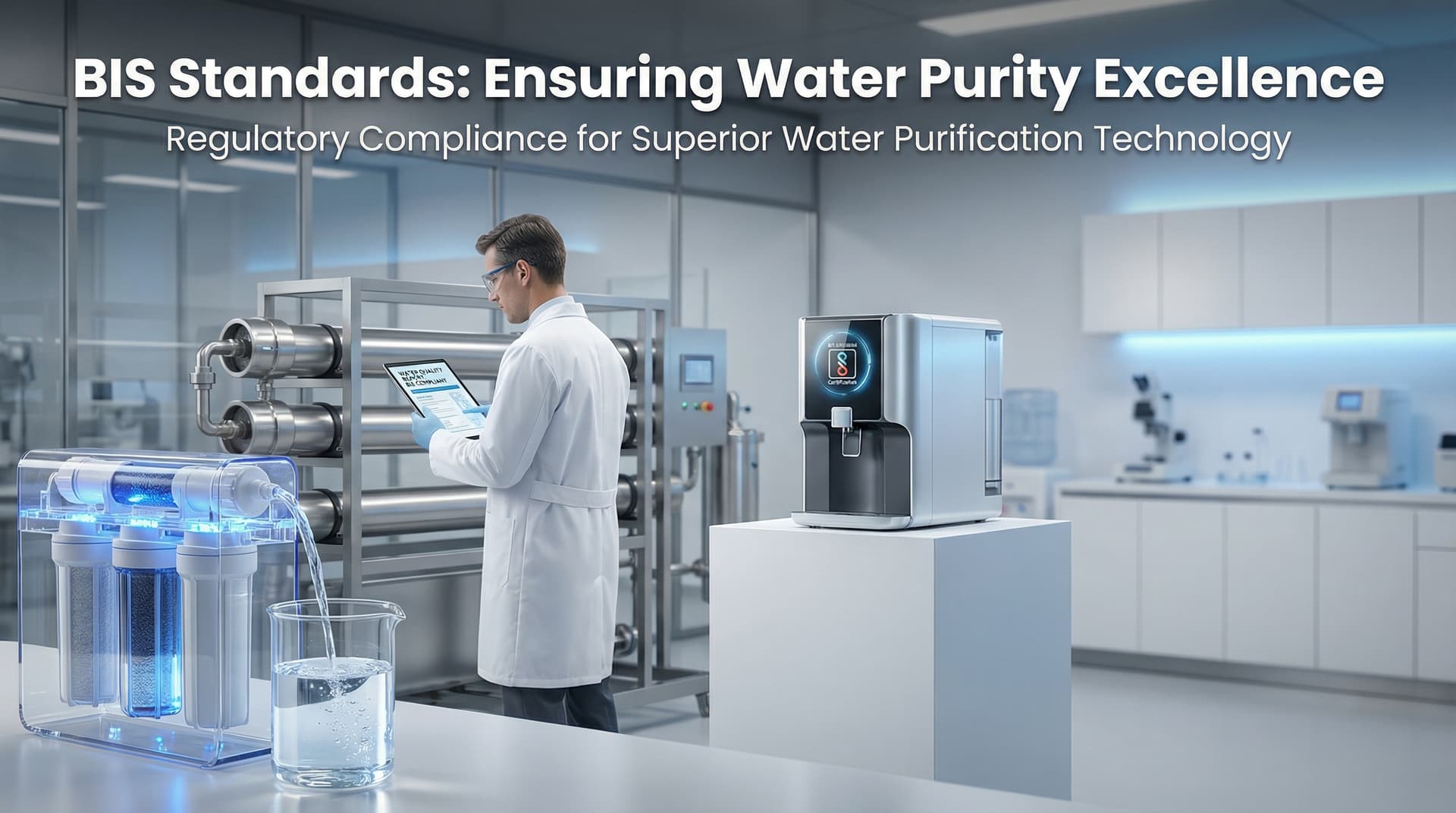
Bureau of Indian Standards (BIS) Compliance Guidelines for RO Water Purifier Manufacturing in India
The water purification industry in India has witnessed tremendous growth over the past decade, driven by increasing awareness about waterborne diseases and deteriorating water quality across urban and rural areas. As millions of households invest in advanced filtration systems to ensure access to clean drinking water, the need for standardized manufacturing practices and quality assurance has become paramount. Consumers looking to Buy water purifier should verify certification marks. The regulatory framework governing these devices plays a crucial role in protecting consumer interests while promoting innovation and competitiveness in the market.
Manufacturing companies operating in this sector must navigate a complex landscape of technical specifications, safety protocols, and performance benchmarks. These requirements are designed to ensure that every unit reaching consumers meets minimum quality thresholds and delivers on promised purification capabilities. The establishment of comprehensive standards has transformed the industry from an unregulated space into one characterized by accountability and transparency. This evolution has benefited both manufacturers who compete on quality and consumers who can make informed purchasing decisions.
The importance of regulatory compliance extends beyond mere legal obligations. It represents a commitment to public health and environmental sustainability. When manufacturers adhere to established guidelines, they contribute to reducing waterborne illnesses, minimizing water wastage, and ensuring the longevity of purification equipment. These standards also facilitate international trade by aligning domestic products with global quality expectations, opening new markets for Indian manufacturers.
Understanding the regulatory framework is essential for existing manufacturers, new entrants, and consumers alike. This comprehensive examination explores the various dimensions of compliance requirements, technical specifications, testing protocols, and certification processes that shape the water purification industry. By examining these elements in detail, stakeholders can better appreciate the rigorous systems in place to safeguard water quality and consumer welfare.
Historical Development of Water Purification Standards
The journey toward standardized water purification systems began in response to growing concerns about water contamination and the proliferation of substandard products in the marketplace. During the early 2000s, the Indian market saw an influx of purification devices with varying quality levels and inconsistent performance claims. This situation prompted regulatory authorities to develop comprehensive frameworks that would establish minimum acceptable standards for design, manufacturing, and performance.
The initial guidelines focused primarily on basic filtration efficiency and structural safety. However, as technology advanced and new purification methods emerged, the regulatory framework expanded to encompass membrane technology, ultraviolet treatment, and multi-stage filtration systems. This evolution reflected the growing sophistication of both manufacturing capabilities and consumer expectations. The standards now address not only the removal of contaminants but also the retention of essential minerals, water wastage ratios, and energy efficiency.
Over time, the regulatory approach has shifted from purely prescriptive requirements to performance-based standards. This transition allows manufacturers greater flexibility in achieving compliance while maintaining focus on end results. The modern framework recognizes that innovation in purification technology requires standards that accommodate diverse technical solutions while ensuring consistent outcomes. This balanced approach has fostered a competitive environment where quality and innovation drive market success.
Technical Specifications and Performance Parameters
Water purification systems must meet specific technical criteria related to contaminant removal efficiency. The standards define acceptable limits for various impurities including dissolved solids, heavy metals, microorganisms, and organic compounds. Testing protocols require manufacturers to demonstrate that their products can consistently reduce contaminant levels below specified thresholds across the expected lifespan of filter components. These requirements ensure that consumers receive effective protection against waterborne health hazards.
Membrane technology specifications address pore size, material composition, and rejection rates for different contaminant categories. The guidelines establish minimum performance levels for removing bacteria, viruses, cysts, and dissolved inorganic substances. Additionally, standards specify the acceptable range for total dissolved solids in treated water, recognizing that excessive demineralization can affect taste and nutritional value. Manufacturers must balance purification effectiveness with the retention of beneficial minerals.
Water recovery ratios represent another critical specification for both residential systems and large-scale Ro Plant projects. Given concerns about water scarcity, standards encourage efficient designs that minimize wastewater generation during the purification process. While reverse osmosis inherently produces reject water, guidelines promote technologies and designs that optimize recovery rates without compromising purification quality. This emphasis on efficiency aligns with broader environmental sustainability goals and addresses consumer concerns about operating costs.
Electrical safety requirements ensure that purification systems pose no risk of shock or fire hazards. Standards specify insulation levels, grounding requirements, and protection against voltage fluctuations common in Indian electrical networks. These provisions are particularly important for systems incorporating electrical components such as pumps, ultraviolet lamps, and electronic monitoring systems. Compliance testing includes assessments under various operating conditions and simulated fault scenarios.
Material Safety and Component Standards
The materials used in manufacturing purification systems must meet stringent safety criteria to prevent chemical contamination of treated water. Standards specify approved materials for components that contact water, including storage tanks, tubing, membranes, and fittings. These requirements address concerns about leaching of harmful substances such as plasticizers, heavy metals, and volatile organic compounds. Manufacturers must provide documentation demonstrating that all materials comply with food-grade safety standards.
Component durability standards ensure that systems maintain performance throughout their intended service life. Guidelines establish minimum requirements for pressure resistance, temperature tolerance, and resistance to chemical degradation. Filter cartridges, membranes, and seals must withstand the mechanical stresses and chemical environments encountered during normal operation. Accelerated aging tests help predict long-term performance and identify potential failure modes before products reach consumers.
Standards also address the design and construction of storage tanks, which play a crucial role in maintaining water quality post-purification. Requirements specify materials that resist bacterial growth, maintain structural integrity under pressure variations, and prevent contamination from external sources. Tank capacity must be appropriate for expected usage patterns while minimizing the duration water remains stored, thus reducing the risk of quality degradation.
Testing and Certification Procedures
The certification process begins with comprehensive product testing conducted by accredited laboratories. These facilities evaluate purification systems against all applicable technical specifications using standardized methodologies. Testing encompasses performance verification, safety assessments, and durability evaluations. Manufacturers must submit detailed technical documentation including design specifications, material certifications, and manufacturing process descriptions. This information undergoes rigorous review to ensure completeness and compliance with established criteria.
Performance testing involves subjecting purification systems to water samples with controlled contaminant levels representing various water quality scenarios found across India. Test protocols simulate real-world operating conditions including variations in input water pressure, temperature, and contamination profiles. Systems must demonstrate consistent performance across these conditions to receive certification. Long-term performance testing evaluates component degradation and maintenance requirements over extended operational periods.
Quality management system audits assess manufacturing facilities to verify that production processes maintain consistent quality standards. These audits examine raw material procurement, production controls, quality testing, and documentation practices. Manufacturers must demonstrate robust systems for identifying and correcting quality issues, managing supplier relationships, and maintaining traceability throughout the production chain. Regular surveillance audits ensure ongoing compliance following initial certification.
Post-certification obligations require manufacturers to maintain detailed records of production, quality control activities, and customer feedback. Any modifications to certified designs must undergo review and approval before implementation. This change control process prevents unauthorized alterations that could compromise performance or safety. Manufacturers must also report field failures and implement corrective actions when patterns of defects emerge.
Labeling and Consumer Information Requirements
Certified products must display specific information to help consumers make informed purchasing decisions. Mandatory labeling includes the certification mark, model identification, electrical specifications, and rated purification capacity. Labels must clearly state the maximum total dissolved solids level in input water for which the system is designed, helping consumers match products to their specific water quality conditions. This transparency prevents misapplication and ensures optimal performance.
User manuals must provide comprehensive information about installation, operation, and maintenance requirements. These documents explain filter replacement schedules, cleaning procedures, and troubleshooting guidance. Standards specify that instructions must be available in regional languages and use clear, non-technical language accessible to average consumers. Proper user education is recognized as essential for maintaining system performance and preventing misuse.
Performance claims in marketing materials must be substantiated by test data and accurately represent certified capabilities. Manufacturers cannot make exaggerated claims about contaminant removal, water recovery rates, or component lifespan beyond what has been verified through certification testing. This requirement protects consumers from misleading advertising and promotes fair competition based on genuine product capabilities.
Environmental Compliance and Sustainability
Water purification standards increasingly incorporate environmental considerations reflecting growing awareness of sustainability issues. Requirements address energy efficiency, encouraging manufacturers to develop systems that minimize electricity consumption while maintaining purification effectiveness. Energy performance labeling helps consumers compare the operating costs of different models and incentivizes manufacturers to invest in efficient designs.
Water wastage guidelines establish maximum acceptable ratios of reject water to purified water. While recognizing the technical limitations of reverse osmosis technology, standards encourage innovation in water recovery systems. Some advanced designs incorporate reject water recycling or utilization systems that reduce overall wastage. These provisions align with national water conservation priorities and address consumer concerns about environmental impact.
End-of-life disposal requirements address the environmental impact of discarded purification systems and components. Standards encourage the use of recyclable materials and discourage designs that complicate disassembly and material recovery. Some guidelines recommend or require take-back programs where manufacturers accept used products for proper recycling or disposal. These provisions reflect a broader shift toward circular economy principles in the consumer durables sector.
Packaging standards minimize environmental impact while ensuring product protection during distribution. Requirements favor recyclable materials and discourage excessive packaging. Clear marking of packaging materials facilitates proper disposal and recycling by consumers and waste management systems. These provisions recognize that environmental responsibility extends beyond the product itself to encompass the entire product lifecycle.
Import Regulations and International Standards Harmonization
Imported purification systems must meet the same standards as domestically manufactured products, ensuring a level playing field and consistent consumer protection. Import regulations require foreign manufacturers to obtain certification before products can be sold in the Indian market. This process may involve testing at Indian facilities or recognition of certifications from accredited international laboratories that have reciprocal agreements with Indian authorities.
Harmonization efforts align Indian standards with international benchmarks such as those established by the World Health Organization and the International Organization for Standardization. This alignment facilitates technology transfer, promotes export opportunities for Indian manufacturers, and ensures that domestic standards reflect global best practices. However, Indian standards retain specific provisions addressing unique local conditions such as prevalent water quality issues and usage patterns.
Technical barriers to trade considerations ensure that standards serve legitimate public health and safety objectives without creating unnecessary obstacles to international commerce. The standards development process includes stakeholder consultation involving domestic manufacturers, importers, consumer organizations, and technical experts. This inclusive approach balances various interests while maintaining focus on consumer welfare and environmental protection.
Industry Perspectives and Compliance Challenges
Manufacturers face various challenges in achieving and maintaining compliance with regulatory requirements. The initial investment in testing and certification can be substantial, particularly for smaller manufacturers and new market entrants. However, most industry participants recognize that standardization benefits the sector by building consumer confidence and eliminating unfair competition from substandard products. The certification mark serves as a valuable marketing tool that signals quality and reliability to potential customers. Local Ro Service providers can assist manufacturers and consumers with maintenance and compliance-related servicing.
Keeping pace with evolving standards requires ongoing investment in research and development. As scientific understanding of water contaminants advances and new purification technologies emerge, standards must be updated to address these developments. Progressive manufacturers view this dynamic environment as an opportunity to differentiate themselves through innovation while others may struggle to adapt. Industry associations play an important role in facilitating dialogue between manufacturers and regulatory authorities, ensuring that standard revisions are technically feasible and economically viable.
Supply chain compliance presents particular challenges as manufacturers must ensure that all components and materials meet specified requirements. This obligation extends to managing relationships with numerous suppliers and implementing robust quality control systems. Some manufacturers have responded by vertically integrating key component production while others have developed stringent supplier qualification and monitoring programs. The complexity of these compliance efforts has led to consolidation in the industry as smaller players struggle to meet these demands.
Established Manufacturers in the Indian Market
The Indian water purification market features several prominent manufacturers who have built strong reputations for quality and compliance. Doctor Fresh has established itself through focus on customer service and reliable products. RO Care India emphasizes comprehensive after-sales support and maintenance services. Mannubhai Service Expert has developed expertise in commercial and industrial applications alongside residential systems. Kent has invested heavily in research and development, introducing innovative features that exceed basic compliance requirements.
Aquaguard pioneered the organized water purification market in India and maintains a extensive service network. Aquafresh focuses on affordability while maintaining essential quality standards. Pureit has developed innovative purification technologies that reduce water wastage. Blue Star leverages its expertise in environmental control systems to offer integrated water solutions. LG brings global manufacturing standards and technological capabilities to the Indian market. These companies collectively demonstrate that compliance with established guidelines is compatible with commercial success and market leadership.
Consumer Protection Mechanisms
Regulatory frameworks establish consumer grievance redressal mechanisms to address complaints about product performance or safety issues. Consumers can report defective products, misleading claims, or compliance violations to appropriate authorities. These complaints trigger investigations that may result in corrective actions, product recalls, or penalties against manufacturers. The existence of these mechanisms reinforces accountability and provides recourse when products fail to meet expectations.
Consumer awareness initiatives educate the public about the importance of purchasing certified products and understanding certification marks. These programs help consumers distinguish between compliant and non-compliant products, empowering them to make informed decisions. Educational materials explain how to verify certification status and what recourse is available when problems arise. This transparency strengthens the overall effectiveness of regulatory frameworks by enlisting consumers as active participants in quality assurance.
Product liability provisions hold manufacturers accountable for harm resulting from defective or non-compliant products. These legal mechanisms complement regulatory enforcement by creating financial incentives for maintaining high quality standards. Insurance requirements and quality assurance systems help manufacturers manage these risks while protecting consumer interests. The combination of regulatory oversight and liability exposure creates a robust framework for ensuring product safety and performance.
Future Trends and Regulatory Evolution
The regulatory landscape continues to evolve in response to technological advances, emerging contaminants, and changing consumer expectations. Future standards are likely to address emerging concerns such as microplastics, pharmaceutical residues, and endocrine-disrupting compounds that current guidelines may not fully cover. As analytical capabilities improve and scientific understanding deepens, standards will incorporate these new dimensions of water quality.
Smart technology integration presents both opportunities and regulatory challenges. Internet-connected purification systems that monitor water quality, track filter life, and enable remote diagnostics offer significant benefits to consumers. However, these capabilities raise questions about data privacy, cybersecurity, and the reliability of automated systems. Future regulations may need to address these digital aspects alongside traditional performance and safety requirements.
Sustainability considerations will likely gain greater prominence in future standards. As India addresses water scarcity and environmental degradation, regulations may establish more stringent requirements for water recovery, energy efficiency, and lifecycle environmental impact. Circular economy principles could lead to mandatory recycling programs and design for disassembly requirements. These developments would align water purification standards with broader national environmental policy objectives.
Regional water quality variations may lead to more differentiated standards that acknowledge the diverse challenges faced across India's geography. Coastal areas dealing with salinity, industrial regions confronting chemical contamination, and areas with naturally occurring toxic elements like arsenic or fluoride each present unique purification challenges. Future frameworks might incorporate regional specifications while maintaining core national standards, allowing for targeted solutions without fragmenting the market.
Conclusion
The regulatory framework governing water purification systems in India represents a sophisticated balance between public health protection, environmental sustainability, and market functionality. Through comprehensive technical standards, rigorous testing protocols, and robust certification processes, these guidelines ensure that consumers have access to effective and safe purification solutions. The evolution of these standards reflects both technological progress and growing awareness of water quality challenges facing the nation.
Manufacturers who embrace compliance as a foundation for quality and innovation position themselves for long-term success in an increasingly competitive and discerning market. While the requirements demand significant investment and ongoing attention, they create a level playing field where genuine quality differentiates successful companies. The presence of established manufacturers who have built strong market positions while maintaining full compliance demonstrates that regulatory standards support rather than hinder business success.
For consumers, understanding the regulatory framework empowers informed decision-making when selecting purification systems. The certification process provides assurance that products meet minimum quality and safety thresholds, reducing the risk of ineffective or harmful purchases. As awareness of these standards grows, consumer demand for certified products reinforces market incentives for compliance and quality.
Looking forward, the continued refinement of regulatory standards will play a crucial role in addressing emerging water quality challenges and incorporating technological advances. By maintaining a dynamic approach that balances innovation with consumer protection, India's regulatory framework can continue serving as a model for developing nations facing similar water quality challenges while supporting a thriving domestic industry capable of competing globally.
FAQ
Q - What are the main technical requirements that water purifiers must meet for certification in India?
A - Water purifiers must meet specific performance standards for contaminant removal, including dissolved solids, heavy metals, microorganisms, and organic compounds. The systems need to demonstrate consistent purification efficiency throughout the lifespan of filter components. Additionally, manufacturers must comply with electrical safety requirements, material safety standards for food-grade components, and water recovery ratio guidelines that minimize wastage. All specifications are verified through standardized testing at accredited laboratories before certification is granted.
Q - How does the certification process work for water purification systems?
A - The certification process begins with comprehensive product testing at accredited laboratories that evaluate performance, safety, and durability against established standards. Manufacturers must submit detailed technical documentation including design specifications, material certifications, and manufacturing process descriptions. Quality management system audits assess production facilities to verify consistent quality controls. Following initial certification, manufacturers face ongoing obligations including regular surveillance audits, maintaining production records, and obtaining approval for any design modifications.
Q - Why are labeling and consumer information requirements important for water purifiers?
A - Labeling requirements ensure consumers can make informed purchasing decisions by mandating clear display of certification marks, electrical specifications, purification capacity, and maximum total dissolved solids levels for input water. User manuals must provide comprehensive installation, operation, and maintenance instructions in accessible language and regional languages. Performance claims in marketing materials must be substantiated by test data, protecting consumers from misleading advertising and ensuring they select appropriate systems for their specific water quality conditions.
Q - What environmental and sustainability aspects do water purification standards address?
A - Current standards incorporate energy efficiency requirements to minimize electricity consumption while maintaining purification effectiveness. Water wastage guidelines establish maximum acceptable ratios of reject water to purified water, encouraging innovation in water recovery systems. End-of-life disposal requirements promote the use of recyclable materials and encourage take-back programs for proper recycling. These provisions reflect growing awareness of water scarcity issues and align with broader national environmental sustainability goals while addressing consumer concerns about the ecological impact of purification systems.