
Why Does My RO Purifier Malfunction Every Now and Then in Kolkata?
Why Does My RO Purifier Malfunction Every Now and Then in Kolkata?
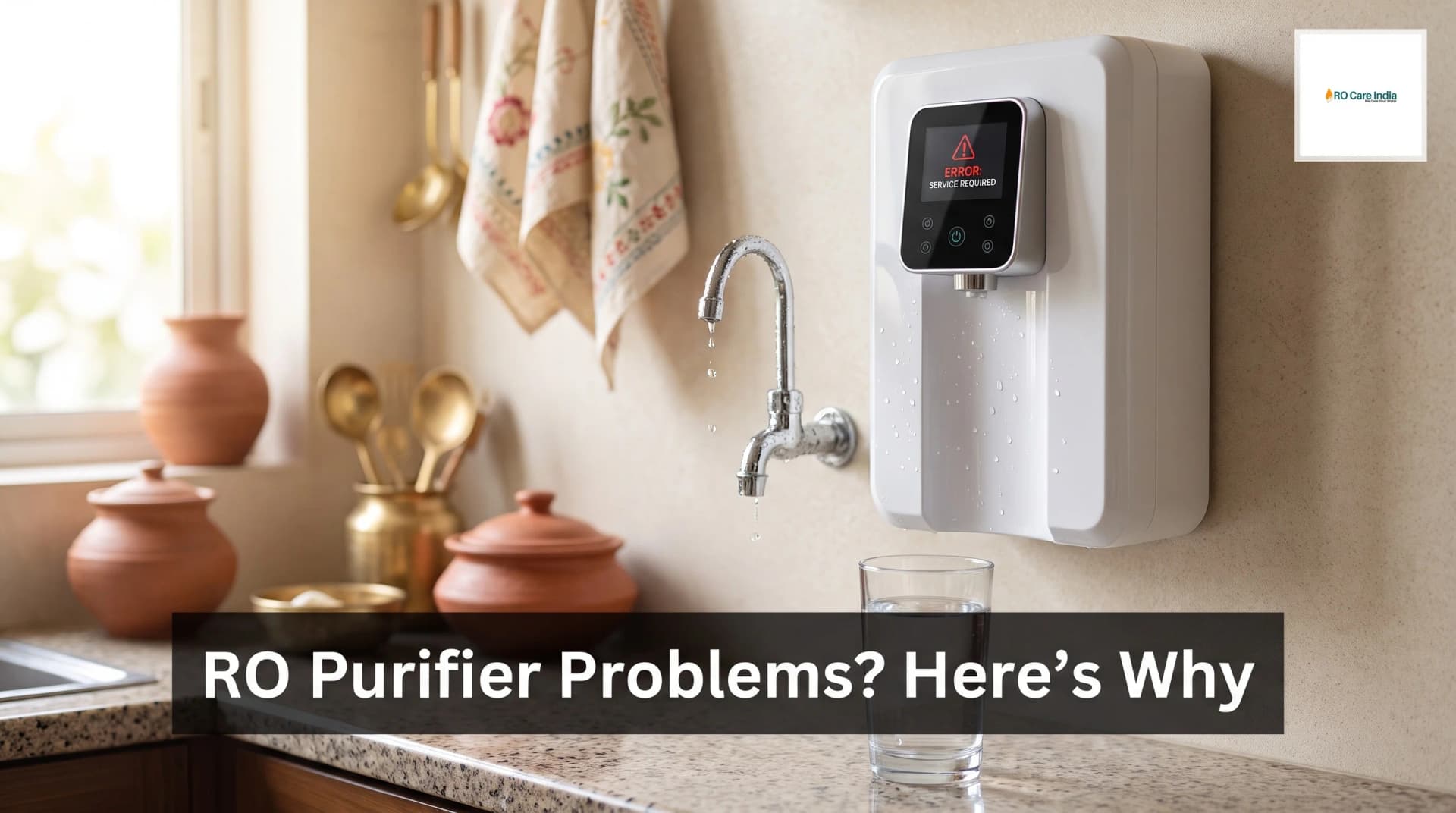
Living in Kolkata, you depend on your reverse osmosis water purifier to provide safe, clean drinking water for your family. However, many residents find themselves frustrated when their RO system starts acting up repeatedly, disrupting daily routines and raising concerns about water quality. If you are experiencing recurring issues with your water purification system, you are not alone. Understanding why these malfunctions happen is the first step toward finding lasting solutions through reliable ro service near me Kolkata.
The frequent malfunctioning of RO purifiers in Kolkata is not just a random occurrence but often a result of specific environmental and technical factors unique to the region. From the quality of municipal water supply to the humidity levels that characterize this eastern metropolis, various elements contribute to the wear and tear of your purification system. These factors can accelerate component degradation, reduce filtration efficiency, and lead to those annoying breakdowns that seem to happen at the worst possible times.
What makes matters more challenging is that many homeowners misunderstand the maintenance requirements of their RO systems. A water purifier is not a set-and-forget appliance. It requires regular attention, timely servicing, and occasional component replacements to function optimally. When these basic maintenance practices are neglected, even the most advanced purification systems begin to show signs of trouble. The good news is that most recurring problems are preventable with proper care and professional intervention.
Whether you are dealing with reduced water flow, strange tastes in purified water, continuous water wastage, or complete system shutdowns, identifying the root cause is essential. This comprehensive guide will walk you through the common reasons behind RO purifier malfunctions in Kolkata, helping you understand when to troubleshoot at home and when to contact a professional ro repair service center for expert assistance.
Understanding Kolkata's Water Quality and Its Impact on RO Systems
The municipal water supply in Kolkata presents unique challenges that directly affect RO purifier performance. The Total Dissolved Solids levels in Kolkata's water vary significantly across different neighborhoods, ranging from 150 ppm in some areas to over 800 ppm in others. Higher TDS levels force your RO membrane to work harder, leading to faster degradation and more frequent malfunctions. The presence of chlorine used in water treatment, combined with seasonal variations in water quality during monsoons, creates additional stress on filtration components.
Hard water is another prevalent issue in many Kolkata localities. When water contains high concentrations of calcium and magnesium, scale deposits accumulate on the RO membrane and other internal parts. This scaling reduces the efficiency of your purification system, blocks water flow, and eventually causes the system to malfunction. The problem intensifies during summer months when water consumption increases and the purifier operates for extended periods without adequate rest.
Biological contamination also plays a role in system malfunctions. Kolkata's warm, humid climate creates ideal conditions for bacterial growth in water lines and storage tanks. When microorganisms colonize pre-filters or the RO membrane, they form biofilms that obstruct normal water flow and compromise purification effectiveness. Regular sanitization becomes crucial, yet many users overlook this maintenance aspect until problems become severe.
The fluctuating water pressure in Kolkata's municipal supply network further complicates matters. RO systems require consistent inlet pressure between 40 to 60 PSI to function correctly. When pressure drops below this range, the purifier struggles to push water through the membrane, triggering low-pressure switches and causing the system to shut down repeatedly. Conversely, excessive pressure can damage delicate components and lead to leaks.
Common Technical Issues Behind Recurring RO Malfunctions
Clogged pre-filters represent one of the most frequent causes of RO purifier problems in Kolkata. The sediment filter and carbon filter serve as the first line of defense against impurities, trapping dirt, rust, chlorine, and organic compounds before water reaches the RO membrane. When these filters become saturated with contaminants, water flow decreases dramatically, and the entire system performance suffers. Most manufacturers recommend replacing pre-filters every six to twelve months, but in areas with poor water quality, replacement may be needed every three to four months.
RO membrane fouling and degradation is another critical factor contributing to recurring malfunctions. The semi-permeable membrane is the heart of your purification system, responsible for removing dissolved salts and contaminants. Over time, continuous exposure to impurities causes the membrane to lose its selective permeability. Signs of membrane failure include increased TDS in purified water, reduced water production rate, and unusual tastes or odors. Typically, RO membranes need replacement every two to three years, though this timeline shortens in areas with challenging water conditions.
Malfunctioning automatic shut-off valves and flow restrictors create operational inconsistencies that manifest as recurring problems. The automatic shut-off valve prevents water wastage by stopping production when the storage tank is full. When this valve fails, your RO system may continue running even with a full tank, or conversely, shut off prematurely. Flow restrictors maintain proper pressure across the membrane, and when they become clogged or damaged, the rejection ratio changes, affecting both water quality and system efficiency.
Storage tank and air pressure issues often go undiagnosed but significantly impact system performance. The pressurized storage tank contains an internal air bladder that maintains water pressure for dispensing. When air pressure drops below the recommended 7-8 PSI, water delivery becomes sluggish, and the tank may not empty properly. This creates a false sense of low water production and can trigger unnecessary service calls if you contact ro customer care kolkata without first checking this simple adjustment.
Electrical and Electronic Component Failures
The Switched Mode Power Supply unit in modern RO purifiers is susceptible to damage from Kolkata's frequent power fluctuations and voltage variations. These electronic components regulate power to the booster pump, UV lamp if present, and control panels. When power surges occur during restoration after outages, they can damage circuit boards and transformers. Using a voltage stabilizer specifically designed for RO purifiers can prevent many of these electrical failures, yet many households skip this protective measure.
Booster pump malfunctions are particularly common in areas where municipal water pressure is consistently low. The pump works continuously to maintain adequate pressure for reverse osmosis, and this constant operation leads to wear on motor bearings, seals, and electrical windings. Strange noises, reduced pumping efficiency, or complete pump failure are indicators that professional intervention from a water purifier service specialist is necessary. Attempting DIY repairs on electrical components can be dangerous and may void warranties.
UV lamp degradation in purifiers equipped with ultraviolet disinfection is another recurring issue. UV lamps have a finite lifespan, typically 8000-10000 hours of operation or approximately one year of regular use. Even when the lamp appears to be glowing, its germicidal effectiveness diminishes over time. Since UV intensity cannot be visually assessed, many users continue operating with ineffective UV sterilization, compromising water safety until other system failures force professional inspection.
Control panel and sensor malfunctions create confusing situations where the purifier displays error codes or fails to respond to user inputs. Modern RO systems incorporate multiple sensors for water level, pressure, filter life, and TDS monitoring. When these sensors provide incorrect readings due to mineral deposits or electronic failure, the system may behave erratically, shutting down without apparent reason or continuing to run when it should stop.
Environmental and Usage Factors Contributing to Frequent Breakdowns
Kolkata's high humidity levels accelerate corrosion of metal components within RO purifiers. Despite protective coatings, continuous exposure to moisture in the air can cause rust formation on mounting brackets, pipe connections, and electrical terminals. This corrosion weakens structural integrity and creates potential leak points. Installing your RO purifier in a relatively dry, well-ventilated location helps minimize this environmental damage.
Irregular or excessive usage patterns stress the purification system beyond its design capacity. If your household consumption regularly exceeds the rated capacity of your RO purifier, components wear out much faster than expected. For example, a system designed to produce 10 liters per hour will struggle and malfunction more frequently if constantly pushed to maximum output. Matching your purifier's capacity to actual household needs prevents this premature degradation.
Poor installation practices create ongoing operational problems that manifest as recurring malfunctions. When drain lines are improperly positioned, back pressure can develop, affecting the rejection process. Incorrectly sized feed water connections restrict flow and reduce system efficiency. Air gaps in tubing create vacuum locks that interrupt water production. These installation errors may not cause immediate failure but gradually compromise system performance, leading to frequent service requirements from professional technicians.
Neglected maintenance schedules represent perhaps the most significant factor in recurring RO purifier problems. Water purification systems require systematic attention following manufacturer guidelines. The following table outlines typical maintenance requirements and consequences of neglect:
| Maintenance Task | Recommended Frequency | Consequences of Neglect |
|---|---|---|
| Sediment filter replacement | 3-6 months | Reduced flow, membrane damage |
| Carbon filter replacement | 6-12 months | Chlorine damage to membrane, bad taste |
| RO membrane replacement | 24-36 months | High TDS, contaminated water |
| Storage tank sanitization | 6 months | Bacterial growth, odors |
| System sanitization | 12 months | Biofilm formation, reduced efficiency |
| Pressure tank air check | 6 months | Poor water delivery, tank damage |
Preventive Measures and Professional Support
Establishing a relationship with a reliable service provider ensures prompt attention when problems arise. Professional technicians possess diagnostic tools and expertise to identify root causes rather than merely addressing symptoms. They can perform comprehensive system evaluations, test water quality parameters, and recommend targeted solutions. Annual maintenance contracts offered by many service providers include scheduled inspections and priority service, preventing many common malfunctions before they disrupt water supply.
Upgrading to better quality filters and components can significantly reduce malfunction frequency. While aftermarket parts may seem cost-effective initially, they often fail prematurely or provide inadequate filtration. Original equipment manufacturer parts designed specifically for your purifier model ensure compatibility and performance. Investing in superior quality membranes with anti-scaling properties proves particularly beneficial in Kolkata's water conditions.
Installing pre-treatment systems addresses water quality issues before they reach your RO purifier. For households with extremely hard water, a water softener can remove calcium and magnesium, dramatically extending RO membrane life and reducing scaling problems. Whole-house sediment filters protect not only your RO system but all water-using appliances from particulate damage. These additional investments pay dividends through reduced maintenance costs and fewer malfunctions.
User education on proper operation and minor troubleshooting empowers homeowners to address simple issues without professional help. Understanding how to check air pressure in storage tanks, recognize when filter replacement is needed, and perform basic cleaning procedures reduces dependence on service calls for minor problems. However, recognizing the limits of DIY intervention and knowing when to contact qualified professionals prevents potentially damaging amateur repair attempts.
Monitoring purified water quality through regular TDS testing provides early warning of developing problems. Inexpensive TDS meters allow you to track the effectiveness of your RO membrane and overall system performance. When purified water TDS begins creeping upward, it signals that membrane replacement or system servicing is approaching, allowing you to schedule maintenance proactively rather than reactively after complete failure.
Conclusion
Recurring RO purifier malfunctions in Kolkata stem from a combination of challenging water quality, environmental factors, component wear, and maintenance neglect. The city's variable TDS levels, hard water conditions, and humid climate place extraordinary demands on water purification systems. Understanding these unique challenges helps you take targeted preventive measures and make informed decisions about maintenance and repairs.
Addressing frequent malfunctions requires a comprehensive approach that includes regular filter replacements, timely membrane servicing, proper installation, and protection against electrical fluctuations. While some maintenance tasks can be performed independently, establishing a relationship with qualified professionals ensures expert diagnosis and repair when technical issues exceed basic troubleshooting.
Your RO purifier represents a critical investment in family health, providing protection against waterborne contaminants and ensuring safe drinking water daily. By recognizing the signs of developing problems, adhering to maintenance schedules, and seeking professional support when needed, you can minimize malfunctions and extend the productive life of your water purification system. The inconvenience and expense of recurring breakdowns can be substantially reduced through informed, proactive system care tailored to Kolkata's specific water treatment challenges.
Living in Kolkata, recurring RO purifier malfunctions often stem from the city's unique water challenges—high TDS levels, sediment buildup from aging infrastructure, and fluctuating municipal water pressure. Learn more about how Kolkata's specific water composition affects membrane life, why pre-filter clogging happens more frequently here, and discover how regular maintenance schedules adapted to local conditions can significantly reduce unexpected breakdowns and ensure consistent water quality for your family.