
My RO TDS Level Too High in Mumbai: How to Fix It?
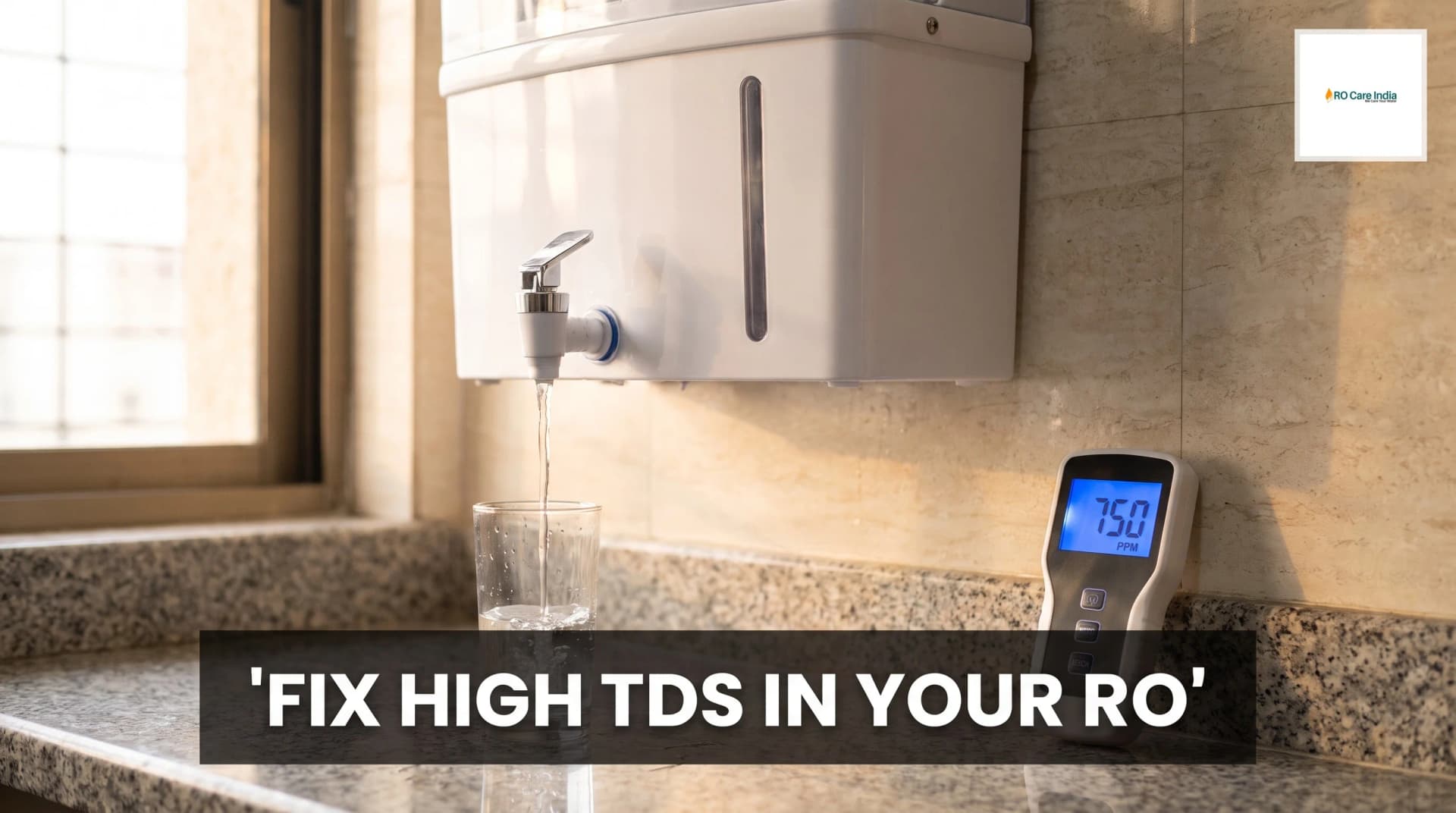
My RO TDS Level Too High in Mumbai: How to Fix It?
Living in Mumbai means dealing with varying water quality issues throughout the year. One of the most common complaints among RO water purifier users is discovering that their TDS levels are unexpectedly high even after purification. If you've recently tested your water and found the output TDS higher than expected, you're not alone. Many Mumbai residents face this issue, which can affect the taste, safety, and quality of drinking water. Understanding why this happens and knowing how to fix it can save you from health concerns and unnecessary expenses.
The ideal TDS level for drinking water should be between 50-150 ppm according to Indian standards, though levels up to 300 ppm are considered acceptable. When your RO system fails to bring down TDS to these ranges, something is clearly wrong with your purification setup. This problem could stem from various factors ranging from membrane damage to improper installation, and each requires a different approach to resolve. Before you panic and consider replacing your entire system, it's worth exploring the common causes and practical solutions that can restore your RO's performance.
If you're experiencing persistent high TDS issues, reaching out to ro service mumbai professionals can provide quick diagnosis and effective solutions. These experts understand the specific water challenges in different Mumbai localities and can offer tailored fixes. Whether you live in areas with naturally high TDS water like Borivali or face seasonal variations in water quality like many parts of South Mumbai, professional guidance makes a significant difference. Sometimes a simple filter replacement or membrane cleaning can resolve the issue completely.
In this comprehensive guide, we'll walk you through everything you need to know about high TDS levels in RO water output. From understanding what causes this problem to step-by-step troubleshooting methods and when to seek professional help from ro customer care number mumbai services, we've got you covered. By the end of this article, you'll have practical knowledge to diagnose and potentially fix the issue yourself, or know exactly when to call in the experts.
Understanding TDS Levels and Why They Matter
TDS stands for Total Dissolved Solids, which includes minerals, salts, metals, and other substances dissolved in water. In Mumbai, the municipal water supply TDS levels vary significantly across different areas. While some neighborhoods receive water with TDS around 200-300 ppm, others might experience levels crossing 800 ppm, especially during summer months when water sources change or during monsoon when contamination risks increase.
Your RO water purifier's primary job is to reduce these dissolved solids to safe, palatable levels. The semi-permeable RO membrane is designed to reject approximately 90-95% of TDS, depending on the membrane quality and system efficiency. When functioning properly, an RO system receiving input water of 500 ppm should deliver output water with TDS around 25-50 ppm. This reduction not only improves taste but also removes potentially harmful contaminants like heavy metals, fluorides, and nitrates.
High TDS in purified water indicates your RO system isn't performing its core function effectively. This could mean you're consuming water that still contains higher concentrations of dissolved impurities than recommended. While not all dissolved solids are harmful, consistently high TDS can indicate the presence of contaminants that your body doesn't need. Moreover, water with very high TDS often tastes different, sometimes slightly salty or bitter, making it less pleasant to drink.
Regular TDS monitoring is essential for Mumbai residents because water quality fluctuates throughout the year. Investing in a basic TDS meter, which costs around Rs 300-500, allows you to check your water quality monthly. This simple device can alert you to problems before they become serious, helping you maintain your family's health and extend your RO system's lifespan through timely maintenance.
Common Causes of High TDS in RO Water Output
The RO membrane is the heart of your purification system, and its deterioration is the most frequent cause of high output TDS. Membranes typically last 2-3 years under normal conditions, but Mumbai's water quality can reduce this lifespan significantly. Hard water, high chlorine content, and sediment buildup accelerate membrane degradation. When the membrane develops microscopic tears or becomes clogged with scale, it loses its ability to reject dissolved solids effectively, allowing them to pass through into your purified water.
Pre-filter exhaustion represents another critical factor often overlooked by users. RO systems use sediment and carbon pre-filters to protect the membrane from larger particles and chlorine. When these filters become saturated, typically after 6-12 months depending on water quality, they stop performing effectively. Sediment can then reach the membrane, causing damage and reducing rejection rates. Similarly, if carbon filters don't remove chlorine properly, the membrane can oxidize and develop holes, drastically increasing TDS passage.
Incorrect system pressure can significantly impact TDS rejection. RO membranes require adequate pressure, typically 40-60 PSI, to function optimally. Mumbai's municipal water pressure varies considerably across different localities and times of day. Insufficient pressure means the membrane cannot effectively separate dissolved solids from water molecules. Some areas in extended suburbs experience pressure as low as 20-30 PSI, which is inadequate for proper RO operation without a booster pump.
Improper installation or DIY modifications often lead to high TDS problems. Some users attempt to increase water production by adjusting the flow restrictor or waste water valve without understanding the consequences. These components maintain the precise pressure and flow rate needed for optimal TDS rejection. When tampered with, the membrane doesn't get sufficient contact time with water, resulting in poor purification. Similarly, using incompatible replacement parts or generic membranes not designed for your system's specifications can cause TDS levels to spike.
Step-by-Step Troubleshooting Guide
Begin your troubleshooting by measuring both input and output TDS levels accurately. Take a sample of tap water before it enters your RO system and measure its TDS. Then collect purified water from your RO tap and measure that TDS. Calculate the rejection rate using this formula: Rejection Rate = ((Input TDS - Output TDS) / Input TDS) × 100. A healthy RO system should show rejection rates above 90%. If your rejection rate falls below 85%, your system needs attention. Document these readings to track improvements after implementing fixes.
Check and replace pre-filters as your second step. Turn off the water supply and release pressure from the system. Remove the sediment filter housing and inspect the filter cartridge. If it appears brown, clogged, or hasn't been changed in over six months, replace it immediately. Similarly, examine the carbon filter. New filters cost between Rs 200-400 each in Mumbai. After installing new pre-filters, flush the system by running water for 10-15 minutes before testing TDS again. Many high TDS issues resolve completely after this simple maintenance step.
Inspect the RO membrane condition next. While you cannot see membrane damage directly, you can assess its age and performance history. If your membrane is over three years old or has processed water in a high TDS area without regular servicing, replacement is likely necessary. Genuine RO membranes from reputed manufacturers cost Rs 1,500-3,000 in Mumbai. If you're unsure about membrane replacement, this is when contacting professional technicians becomes valuable. They can perform pressure tests and flow rate measurements to confirm membrane condition.
Verify system pressure using a pressure gauge if available. Many RO systems have a built-in gauge, but if yours doesn't, you can temporarily attach one to the inlet line. If pressure reads below 40 PSI, you may need a booster pump installation. Booster pumps cost Rs 2,000-4,000 and can be essential in areas with low municipal pressure. Check if your system already has a pump that might be malfunctioning. Additionally, ensure all valves are fully open and there are no kinks in the water supply line that could restrict flow.
Professional Solutions and When to Seek Help
While many RO issues can be resolved through DIY troubleshooting, certain situations demand professional expertise. If you've replaced all filters and the membrane but still experience high TDS, the problem might lie in system design, installation errors, or complex component failures. Professional technicians have specialized tools like TDS rejection meters, flow meters, and pressure testing equipment that provide accurate diagnosis. They can identify issues like check valve failures, auto-shut-off valve problems, or flow restrictor malfunctions that aren't obvious to untrained users.
Reaching out to professional services connects you with trained technicians familiar with local water conditions. These professionals understand that water in Andheri differs from Bandra or Thane, and they bring area-specific solutions. When you call, have your RO model details, purchase date, and recent TDS readings ready. Most service providers in Mumbai offer same-day or next-day service appointments. During the visit, technicians will perform comprehensive diagnostics, replace necessary components, and optimize your system for local water conditions.
Annual Maintenance Contracts (AMC) provide preventive care that keeps TDS levels consistently low. AMC packages in Mumbai typically range from Rs 1,500-3,500 per year, depending on your RO model and service provider. These contracts include scheduled visits for filter changes, membrane cleaning, system sanitization, and performance checks. Subscribers often report fewer emergency issues and longer equipment lifespan. When comparing AMC options, check what components are covered, response times for emergency calls, and whether they include free filters and parts.
Emergency situations requiring immediate professional intervention include sudden TDS spikes above 300 ppm, complete water flow stoppage, visible leaks, or unusual noises from the system. Don't delay calling for service in these cases, as continued operation with malfunctioning components can cause more extensive damage. Many service providers offer 24-hour helplines for urgent issues. Keep your service provider's contact details easily accessible, along with your system's purchase documents and warranty information.
Prevention Tips to Maintain Optimal TDS Levels
Regular maintenance schedules are your best defense against high TDS problems. Create a maintenance calendar marking when each component needs attention. Sediment filters require replacement every 6-8 months, carbon filters every 8-12 months, and membranes every 2-3 years under normal Mumbai conditions. If your input water TDS exceeds 800 ppm or contains high chlorine levels, shorten these intervals by 20-30%. Set reminders on your phone or mark dates on a physical calendar to ensure timely replacements.
Monitor your water quality monthly using a TDS meter. Testing takes less than two minutes but provides crucial early warning of developing issues. Keep a logbook recording input and output TDS readings along with dates. If you notice output TDS gradually increasing over several months, schedule maintenance before it becomes problematic. This proactive approach prevents situations where you suddenly discover water quality has deteriorated significantly. Many Mumbai residents test weekly during monsoon season when municipal water quality tends to fluctuate more.
Implement a pre-RO filtration system if your input water quality is particularly poor. Areas receiving water with TDS above 1,000 ppm or high sediment content benefit from external sediment filters or whole-house filters installed before the RO unit. These additional filters cost Rs 1,000-2,500 but significantly extend RO membrane and filter life by reducing the contaminant load. This investment pays for itself through reduced maintenance costs and fewer emergency service calls.
Educate all household members about proper RO system usage. Ensure everyone understands not to tamper with system settings or valves. Teach them to identify warning signs like reduced water flow, changes in water taste, or unusual system sounds. When everyone participates in monitoring, problems get noticed earlier. Additionally, ensure the RO installation area stays clean and dry, protected from extreme temperatures, and has proper electrical connections to prevent power-related component failures.
Comparing Service Options in Mumbai
When choosing between different service providers for RO maintenance and repairs, consider several factors beyond just cost. Here's a comparison of typical service options available:
| Service Type | Cost Range | Response Time | Best For |
|---|---|---|---|
| Brand Authorized Service | Rs 500-1,000 per visit | 24-48 hours | Warranty coverage, genuine parts |
| Local Independent Technicians | Rs 300-600 per visit | Same day | Quick fixes, budget solutions |
| Multi-brand Service Centers | Rs 400-800 per visit | 12-24 hours | Out-of-warranty systems |
| AMC Contracts | Rs 1,500-3,500 annually | Scheduled + emergency | Preventive maintenance, peace of mind |
Brand authorized service centers offer genuine replacement parts and trained technicians specific to your RO model. They're ideal when your system is under warranty or you want guaranteed quality. However, they might have longer waiting times and higher costs. Independent technicians provide flexibility and often faster response but may use compatible parts rather than genuine ones. Evaluate based on your specific situation, system age, and urgency of the problem.
Conclusion
Dealing with high TDS levels in your RO water output doesn't have to be overwhelming. By understanding the common causes like membrane degradation, filter exhaustion, pressure issues, and installation problems, you can take informed action to restore your water quality. Regular monitoring with a TDS meter, timely filter replacements, and proper system maintenance prevent most issues before they escalate. Remember that your RO system works hard in Mumbai's challenging water conditions, processing hundreds of liters monthly while removing countless contaminants.
When DIY troubleshooting doesn't resolve persistent high TDS problems, professional help becomes essential. Whether you're replacing a worn-out membrane, upgrading system components, or need comprehensive diagnostics, qualified technicians bring the expertise and tools necessary for proper repairs. Investing in preventive maintenance through annual contracts or regular servicing ensures your family continues receiving safe, great-tasting water year-round. Don't compromise on water quality – take action today to address high TDS levels and enjoy the pure drinking water your RO system was designed to deliver.
Learn more about TDS management in RO systems to understand the balance between purification and mineral retention. Discover how membrane health, water pressure, and filter maintenance cycles impact your purifier's performance. Explore further into testing methods and optimal TDS ranges for different uses to make informed decisions about your water quality needs in Mumbai's unique conditions.