
Why Aquaguard Water is Salty in Kolkata and How to Fix It?
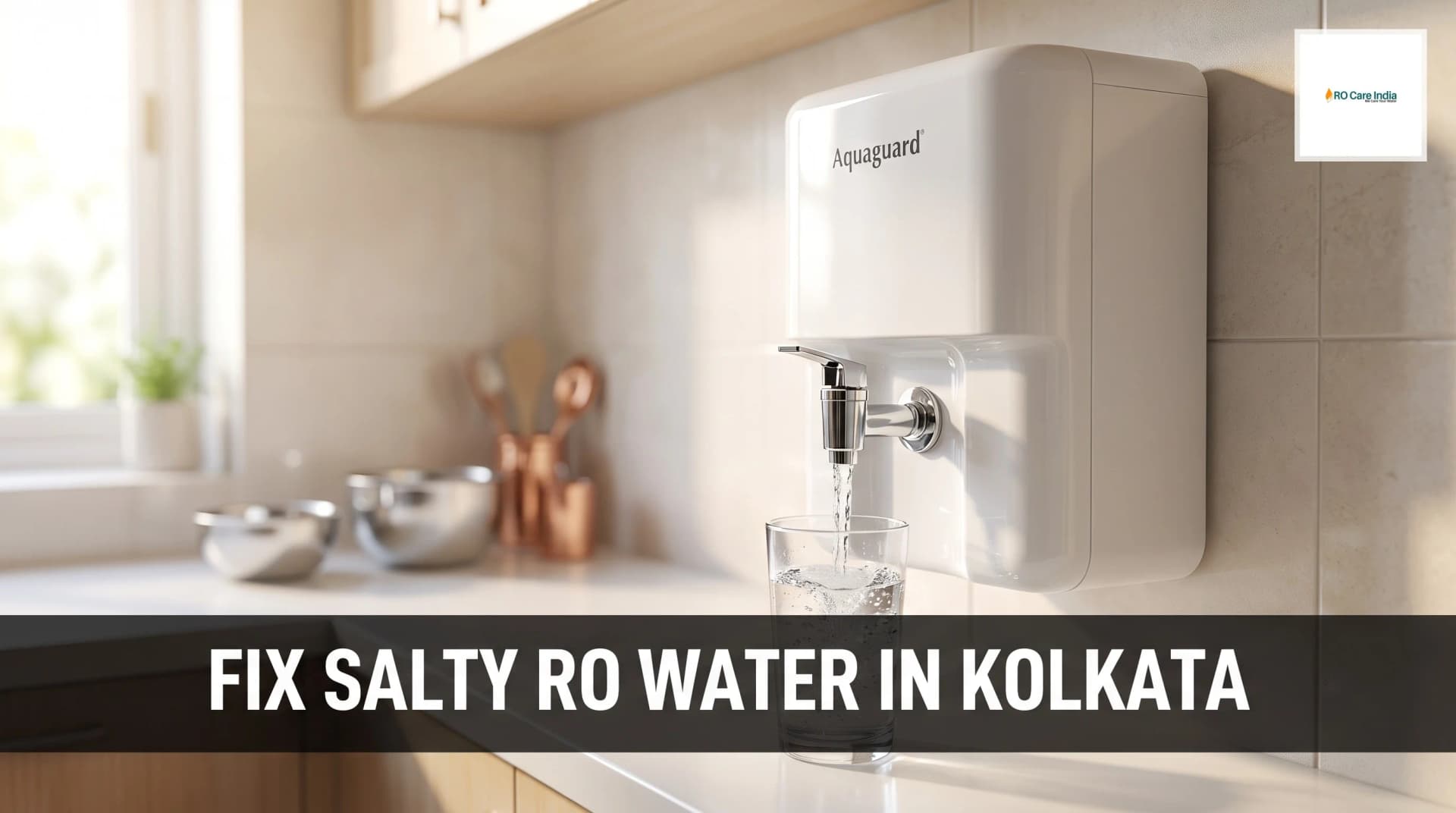
Why Aquaguard Water is Salty in Kolkata and How to Fix It?
Many households in Kolkata have experienced the unpleasant surprise of salty-tasting water from their Aquaguard water purifiers. This common issue affects numerous families who rely on reverse osmosis systems for clean drinking water. Understanding why this problem occurs and how to resolve it is crucial for maintaining your family's health and ensuring your water purifier functions optimally. If you notice a salty taste in your purified water, it indicates that something has gone wrong with your RO system's filtration process, and immediate action is required. Contacting Aquaguard Repair Service Kolkata can help diagnose and fix the problem efficiently before it affects your daily water consumption.
The salty taste in water purified by RO systems is not just a minor inconvenience but a sign that your purifier may not be filtering dissolved salts and minerals effectively. Kolkata's water supply contains varying levels of total dissolved solids, chlorides, and other minerals that should normally be removed by a functioning RO membrane. When this filtration process fails, these salts pass through into your drinking water, creating an unpleasant taste and potentially defeating the entire purpose of having a water purification system. Understanding the root causes helps you take preventive measures and know when professional intervention is necessary.
Several factors contribute to salty water issues in Kolkata specifically, ranging from the city's unique water quality characteristics to maintenance neglect and component failure. The municipal water supply in different areas of Kolkata has different TDS levels, with some neighborhoods receiving water with higher mineral content than others. Additionally, groundwater sources used by many apartment complexes and independent houses often have elevated salt concentrations that put extra stress on RO systems. Regular monitoring and maintenance become even more important in such conditions to ensure consistent water quality.
This comprehensive guide will walk you through the exact reasons why your Aquaguard water tastes salty, how to identify the specific problem, and what steps you can take to fix it. Whether you need simple troubleshooting tips or professional assistance from ro service near me kolkata, this article covers everything you need to know about resolving salty water issues and maintaining optimal performance of your water purification system throughout the year.
Understanding Why RO Water Tastes Salty in Kolkata
The primary function of a reverse osmosis water purifier is to remove dissolved salts, minerals, heavy metals, and other contaminants from water. When this process fails, the result is water that tastes salty, bitter, or simply unpleasant. In Kolkata, several specific factors contribute to this problem more frequently than in other cities.
Kolkata's water supply varies significantly across different areas. North Kolkata often receives water with higher TDS levels compared to South Kolkata, while areas near the Hooghly River may have different mineral compositions altogether. The total dissolved solids in Kolkata's municipal water typically range between 150 to 600 ppm, with some groundwater sources exceeding 1000 ppm. When an RO system fails to reduce these TDS levels adequately, the concentrated minerals create a salty taste in the output water.
The reverse osmosis membrane is the heart of any RO purifier, responsible for filtering out 90-95 percent of dissolved salts under normal conditions. This semi-permeable membrane allows water molecules to pass through while blocking larger molecules and ions like sodium, chloride, calcium, and magnesium. When the membrane becomes damaged, clogged, or reaches the end of its lifespan, its rejection rate drops significantly, allowing salts to pass through into the purified water.
Another critical factor is the water pressure required for effective RO filtration. The process needs adequate pressure to force water molecules through the membrane while leaving contaminants behind. Kolkata experiences frequent water pressure fluctuations, especially during peak usage hours in the morning and evening. Low water pressure reduces the membrane's efficiency, resulting in higher TDS in the output water and consequently a salty taste.
Common Causes of Salty Water from Your Aquaguard Purifier
Identifying the exact cause of salty water is the first step toward fixing the problem. Here are the most common reasons this issue occurs in Kolkata homes:
Exhausted or Damaged RO Membrane
The RO membrane typically needs replacement every 2-3 years depending on water quality and usage. In Kolkata, where input water often has higher TDS, membranes may need replacement even sooner. A damaged membrane loses its selective permeability, allowing salt molecules to pass through freely. Physical damage can occur due to sudden pressure changes, presence of chlorine in water, or accumulation of scale deposits. When the membrane's pores enlarge or develop cracks, the rejection rate drops dramatically, and you will notice a distinct salty taste in your drinking water.
Clogged Pre-filters
RO systems use multiple pre-filters including sediment filters and activated carbon filters to remove larger particles, chlorine, and organic compounds before water reaches the RO membrane. When these pre-filters become clogged with dirt, rust, and sediment, they restrict water flow and reduce pressure reaching the membrane. This pressure drop affects the RO process efficiency, leading to higher salt content in purified water. Pre-filters should be replaced every 6-12 months, but in areas with particularly dirty water supply, replacement may be needed more frequently.
Malfunctioning Auto-flush System
Modern water purifiers include an auto-flush mechanism that cleans the RO membrane by flushing away concentrated salts and impurities. If this system malfunctions, salt deposits accumulate on the membrane surface, reducing its effectiveness over time. The concentrated brine that should be flushed away instead builds up and eventually mixes with the purified water, creating a salty taste. Contacting Aquaguard Customer care number kolkata can help you schedule a technician visit to inspect and repair the auto-flush valve.
Incorrect Installation or Bypass
Sometimes installation errors create pathways for untreated water to mix with purified water. A loose connection, damaged tubing, or incorrectly assembled components can cause raw water to bypass the RO membrane entirely. This results in water that is essentially unfiltered, retaining all its original salt content and other contaminants. Such issues require immediate professional attention to identify the bypass route and correct the installation.
High TDS in Source Water
While RO systems are designed to handle high TDS water, extremely high concentrations can overwhelm even a well-functioning membrane. Some groundwater sources in Kolkata's outer areas have TDS levels exceeding 2000 ppm. When source water TDS is too high, even a new membrane may not reduce it to acceptable levels in a single pass. In such cases, additional treatment stages or a different type of membrane may be necessary.
How to Diagnose the Salty Water Problem
Before calling for professional help, you can perform some basic diagnostics to understand the severity and possible cause of the issue:
Testing Water TDS Levels
Purchase an affordable TDS meter from any electronics store or online marketplace. Test both your input water and output water. Healthy RO output should have TDS between 50-150 ppm for drinking purposes. If your output TDS is above 200 ppm or close to your input TDS, your RO membrane is likely not functioning properly. Record these readings and share them with the technician when you call ro service near me kolkata for assistance.
Checking for Visible Leaks
Inspect all connections, tubes, and the purifier body for any water leakage. Even small leaks can indicate loose fittings that might allow untreated water to bypass the filtration system. Pay special attention to the membrane housing and the connections between different filter stages.
Examining Filter Change Indicators
Most modern purifiers have indicators showing when filters need replacement. Check if your sediment filter, carbon filter, or RO membrane indicator is showing red or blinking. If you cannot remember the last time filters were changed, they are likely overdue for replacement.
Listening for Unusual Sounds
A properly functioning RO system makes minimal noise during operation. If you hear excessive gurgling, hissing, or continuous running of the drain valve, these could indicate problems with water flow, pressure, or valve functioning that affect purification quality.
Professional Solutions and Repair Options
While some maintenance tasks can be performed at home, salty water issues often require professional diagnosis and repair. Here is what professional service typically involves:
Comprehensive System Inspection
Trained technicians from Aquaguard will conduct a complete inspection of your purifier, checking each component systematically. They will test water quality at different stages of filtration to pinpoint exactly where the problem occurs. This diagnostic approach ensures accurate identification of the issue rather than randomly replacing parts.
Component Replacement
Based on inspection findings, technicians will replace the faulty components. This may include the RO membrane, pre-filters, post-carbon filter, or specific valves. Using genuine replacement parts ensures compatibility and longevity. Technicians will also check the membrane housing for any scaling or damage that might affect performance.
System Sanitization
Professional service includes sanitizing the entire water pathway to remove any bacterial growth, biofilm, or mineral deposits that might have accumulated. This process involves using food-grade sanitizing solutions that are thoroughly flushed out before the system is put back into service.
Pressure and Flow Adjustment
Technicians will check and adjust water pressure to ensure optimal RO performance. If your home's water pressure is consistently low, they may recommend installing a booster pump. Proper pressure is essential for effective salt rejection by the membrane.
Preventive Maintenance Tips for Kolkata Residents
Preventing salty water issues is more cost-effective than dealing with them after they occur. Follow these maintenance practices to keep your purifier functioning optimally:
Regular Filter Replacement Schedule
Create a filter replacement calendar and stick to it religiously. Mark dates for sediment filter replacement every 6 months, carbon filter replacement every 9-12 months, and RO membrane replacement every 2-3 years. Set phone reminders to ensure you do not miss these crucial maintenance tasks.
Annual Professional Servicing
Even if your purifier seems to be working fine, schedule annual professional servicing. Technicians can identify developing problems before they cause noticeable issues. Annual maintenance typically costs between 800 to 1500 rupees but can save thousands in major repairs or premature replacement.
Monitor Input Water Quality
Keep track of your input water TDS, especially if you use groundwater or if your area experiences seasonal water quality variations. During monsoon, increased sediment in water supply can clog filters faster. During summer, TDS levels often rise. Adjust your filter replacement frequency based on these variations.
Check and Clean Storage Tank
The purified water storage tank can develop biofilm or sediment accumulation over time. Every 3-4 months, empty the tank completely and clean it with a mild bleach solution or food-grade sanitizer. Rinse thoroughly before putting it back into use.
Avoid Common Mistakes
Do not attempt to clean and reuse disposable filters. Do not delay filter replacement to save money, as this leads to membrane damage that costs much more. Do not ignore small changes in water taste or flow rate. Do not skip reading the user manual that comes with your purifier.
Cost Comparison of Repair vs Replacement
When facing salty water issues, homeowners often wonder whether to repair their existing purifier or invest in a new one. Here is a comparison to help you decide:
| Service Type | Approximate Cost | Recommended When |
|---|---|---|
| RO Membrane Replacement | 1200-2000 INR | Every 2-3 years or when TDS rejection drops |
| Complete Filter Set Replacement | 1500-2500 INR | Annually or when taste/odor issues arise |
| Auto-flush Valve Repair | 500-800 INR | When membrane cleaning cycle fails |
| Professional Deep Cleaning | 800-1500 INR | Annually or when flow rate decreases significantly |
| New Mid-range RO Purifier | 8000-15000 INR | When purifier is over 7 years old or multiple components fail |
Generally, if your purifier is less than 5 years old and the repair cost is below 30 percent of a new purifier's price, repairing makes financial sense. However, if you are facing repeated problems or the purifier is older than 7 years, investing in a new model with improved technology might be more economical in the long run.
When to Contact Professional Service Immediately
Some situations require immediate professional attention rather than attempting DIY fixes:
If water tastes excessively salty or bitter, indicating very high TDS in output, stop using the purifier immediately and contact professional service. Consuming high TDS water regularly can lead to health issues including digestive problems and mineral imbalance.
If you notice visible contamination, cloudiness, or discoloration in purified water, this indicates complete filtration failure requiring emergency service.
If the purifier makes loud unusual noises, leaks water continuously, or the storage tank does not fill even after hours of operation, these mechanical failures need expert diagnosis.
If you have already replaced filters but the salty taste persists, the problem likely involves the RO membrane or installation issues that only trained technicians can address properly.
If your purifier is still under warranty, attempting DIY repairs may void the warranty coverage. Always contact authorized service centers for warranty repairs.
Conclusion
Salty water from your Aquaguard purifier in Kolkata is a solvable problem once you understand its causes and solutions. The issue typically stems from exhausted RO membranes, clogged pre-filters, malfunctioning auto-flush systems, or installation errors that allow untreated water to bypass filtration stages. Kolkata's varying water quality across different areas makes regular maintenance even more critical for optimal purifier performance.
Diagnosing the problem through TDS testing and visual inspection helps you understand the severity before calling professional help. While some maintenance tasks like filter replacement can be done at home following the manufacturer's schedule, complex issues require trained technicians who can accurately identify problems and replace components with genuine parts.
Preventive maintenance remains the most effective strategy for avoiding salty water issues altogether. Following a regular filter replacement schedule, monitoring input water quality, scheduling annual professional servicing, and addressing small problems before they escalate will ensure your family always has access to clean, pleasant-tasting drinking water. Whether you choose to contact ro service near me kolkata for routine maintenance or emergency repairs, professional service ensures your investment in water purification continues to protect your family's health for years to come. Remember that clean drinking water is not a luxury but a necessity, and maintaining your purification system is an investment in your family's well-being.
Many Kolkata residents notice salty-tasting water from their Aquaguard purifiers due to high TDS levels in groundwater, membrane failure, or improper RO settings. Learn more about the specific causes behind this issue, including how Kolkata's unique water composition affects your purifier's performance. Discover how regular maintenance, membrane replacement, and proper TDS adjustment can restore fresh-tasting water to your home.
Related Blogs
- Why Kent RO Membrane Not Rejecting TDS in Gurgaon: What to Do?
- Aquaguard RO Filter Change Light Not Turning Off in Gurgaon: Troubleshooting
- Why Does My Aquaguard Waste So Much Water in Gurgaon? (Membrane & Reject Ratio Issues)
- Aquaguard UV Lamp Replacement in Bangalore: When and Why It's Needed
- Aquaguard Purifier Air Lock Problem in Gurgaon: How to Identify and Fix It