
Pureit vs Kent: Service Comparison & Expert Review 2024
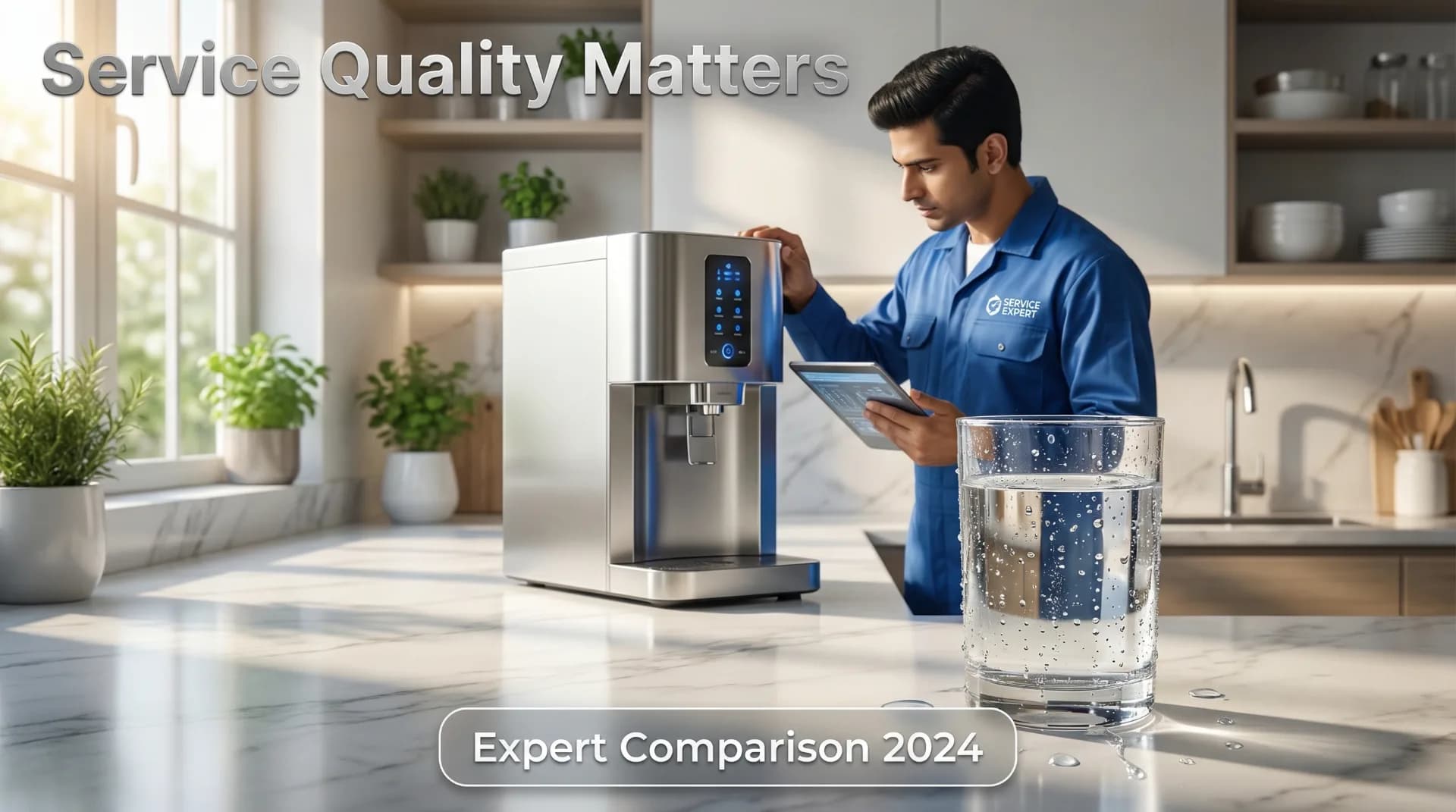
Enhanced Service Intelligence: Making Data-Driven Water Purifier Decisions
Water purification technology has transformed household health standards across India, but the true value of any purification system extends far beyond its initial installation. While consumers often focus heavily on product features, filtration capabilities, and brand reputation during Buy water purifier, the long-term satisfaction with water purifiers fundamentally depends on the quality of after-sales support and maintenance services provided by manufacturers. The difference between a reliable purification system and a frustrating investment often lies in how companies respond when technical issues arise or routine Ro Service becomes necessary.
The Indian water purifier market has matured significantly over the past decade, with multiple established brands competing not just on technology but on comprehensive customer care ecosystems. Understanding the nuances of service quality, response times, technician expertise, spare parts availability, and overall maintenance costs has become essential for making informed purchasing decisions. Families invest substantial amounts in water purifiers expecting years of trouble-free operation, yet the reality often depends on how effectively a company supports its products throughout their lifecycle.
Service quality encompasses numerous dimensions that collectively determine user experience. Response time to service requests represents just one aspect, while technician training levels, diagnostic capabilities, genuine spare parts accessibility, transparent pricing, and warranty claim processes all contribute to overall customer satisfaction. Some manufacturers have built robust service networks spanning thousands of pin codes, while others struggle with coverage gaps that leave customers in smaller cities frustrated. The investment in service infrastructure reveals how seriously a company takes its responsibility toward consumers after completing the sale.
This comprehensive analysis examines the after-sales support landscape for major water purification brands operating in India, providing insights into service quality metrics, maintenance requirements, cost structures, and customer care effectiveness. By understanding these critical factors, consumers can make decisions that ensure not just pure drinking water today but reliable purification support for years ahead.
Understanding After-Sales Support Infrastructure in Water Purification
The foundation of quality after-sales support rests on physical service infrastructure that manufacturers establish across geographic regions. Leading companies invest millions in creating Ro Plant service networks comprising company-owned centers, authorized service partners, and technician training facilities. This infrastructure determines whether a customer in a tier-three city receives the same quality support as someone in a metropolitan area. Brands with extensive coverage typically maintain service centers within reachable distances for most urban and semi-urban populations, reducing wait times and improving service accessibility.
Technician training programs represent another critical infrastructure component. Companies committed to service excellence operate dedicated training centers where technicians learn product-specific troubleshooting, repair techniques, and customer interaction protocols. These programs ensure technicians can accurately diagnose issues, perform repairs correctly the first time, and explain problems clearly to customers. The disparity between well-trained and poorly-trained technicians becomes immediately apparent during service visits, affecting both repair quality and customer confidence.
Spare parts supply chains significantly impact service efficiency. Manufacturers maintaining well-stocked regional warehouses can complete most repairs during initial visits, while those with fragmented supply systems often require multiple appointments for single issues. Genuine parts availability prevents the use of substandard replacements that compromise purifier performance and longevity. Companies investing in robust logistics ensure technicians arrive equipped with commonly needed components, minimizing customer inconvenience.
Digital service platforms have modernized customer interactions with support systems. Mobile applications and web portals allowing service request submission, appointment tracking, technician location monitoring, and digital payment options enhance convenience significantly. These platforms also enable companies to gather service data, identify recurring issues, and continuously improve support quality through analytics-driven insights.
Service Quality Metrics and Customer Experience Factors
Response time remains the most visible service quality indicator for consumers. The duration between service request submission and technician arrival directly impacts customer satisfaction, especially when purifiers malfunction completely. Leading brands typically commit to response windows ranging from 24 to 48 hours in major cities, with slightly extended timelines for remote locations. Companies with dedicated customer care teams and optimized service routing consistently meet these commitments, while others struggle with backlogs during peak demand periods.
First-visit resolution rates measure technician effectiveness and preparedness. High-quality service organizations achieve resolution rates exceeding 80 percent, meaning most issues get fixed during the initial visit without requiring return appointments. This metric reflects technician training quality, diagnostic tools availability, and spare parts accessibility. Low resolution rates indicate systemic problems in service delivery that result in repeated customer frustration and extended downtime.
Customer communication quality throughout the service journey affects perceived support quality significantly. Companies providing appointment confirmations, technician arrival notifications, service completion summaries, and follow-up calls demonstrate commitment to customer experience. Transparent communication about costs, required repairs, and estimated completion times builds trust and reduces conflicts. Service organizations lacking structured communication processes often face customer dissatisfaction even when technical work gets completed satisfactorily.
Service pricing transparency prevents unpleasant surprises and billing disputes. Reputable companies maintain published service charges, clearly defined warranty terms, and standardized pricing for common repairs and consumable replacements. This transparency allows customers to budget appropriately and understand costs before authorizing work. Conversely, opaque pricing structures where technicians quote arbitrary amounts create negative experiences and damage brand reputation.
Maintenance Requirements and Annual Operating Costs
Regular maintenance forms an integral part of water purifier ownership, with manufacturers recommending periodic servicing to maintain optimal performance. Typical maintenance schedules include filter replacements at intervals ranging from six months to one year depending on technology type and usage levels. Understanding these requirements helps consumers anticipate ongoing costs beyond the initial purchase price. Brands differ significantly in how they structure maintenance programs, with some offering annual maintenance contracts while others operate on per-visit billing.
Filter replacement costs constitute the largest recurring expense for most purifier owners. Different purification technologies utilize varying filter types with distinct replacement frequencies and costs. Reverse osmosis systems typically require multiple filter changes annually, including sediment filters, carbon filters, and RO membranes, while UV-based systems need periodic lamp replacements. The cumulative annual cost of these consumables varies substantially between brands, sometimes offsetting apparent savings from lower initial purchase prices.
Annual maintenance contracts provide predictable cost structures and priority service benefits for many customers. These contracts typically cover scheduled servicing, filter replacements, and sometimes even repair costs beyond warranty periods. Evaluating contract terms carefully reveals their true value, as some packages offer genuine savings while others primarily benefit manufacturers. Comparing contract costs against a la carte servicing helps determine the most economical approach for individual usage patterns.
Water quality variations across regions dramatically affect maintenance requirements and costs. Areas with high total dissolved solids or heavy contamination require more frequent filter changes and potentially additional pre-treatment solutions. Companies providing water testing services and customized maintenance recommendations based on local conditions deliver superior value compared to those applying standardized schedules regardless of water characteristics.
Warranty Coverage and Claim Processing Efficiency
Warranty terms significantly influence the total cost of ownership and provide insights into manufacturer confidence in product quality. Comprehensive warranties covering both parts and labor for extended periods indicate company commitment to standing behind their products. Examining warranty exclusions, coverage limitations, and customer obligations reveals the actual protection provided. Some manufacturers offer impressive-sounding warranty periods but exclude critical components or impose restrictive conditions that minimize their practical value.
Warranty claim processing efficiency separates truly customer-focused companies from those viewing warranties as marketing tools. Smooth claim processes involve simple documentation requirements, quick approval decisions, and minimal customer effort. Problematic warranty systems burden customers with excessive paperwork, require multiple follow-ups, or reject legitimate claims on technicalities. Reading customer experiences regarding warranty claim handling provides valuable insights not apparent from warranty terms alone.
Extended warranty options allow customers to purchase additional coverage beyond standard periods. Evaluating these offerings requires calculating the probability of requiring repairs against the extended warranty cost. For reliable products with strong service records, extended warranties may offer limited value, while they provide peace of mind for complex systems or in areas with challenging water conditions. Comparing extended warranty costs against average repair expenses helps make rational decisions.
Warranty transfer policies affect purifier value when relocating or selling properties. Some manufacturers allow warranty transfers to new owners with simple processes, maintaining product value, while others impose restrictions or fees. Understanding these policies before purchase prevents complications if circumstances change during the warranty period.
Service Network Coverage and Regional Availability
Geographic service coverage determines support accessibility for customers across different locations. Metropolitan areas generally receive excellent coverage from all major brands, but disparities emerge in smaller cities and rural regions. Companies with extensive distributor networks and franchise service centers provide broader coverage, ensuring customers throughout India can access support. Verifying service availability in your specific location before purchasing prevents future frustration when service needs arise.
Service center density within covered regions affects appointment availability and response times. Areas with multiple service centers rarely experience capacity constraints, while regions served by single centers may face delays during peak periods. Brands publishing service center locations on websites allow prospective customers to assess local support infrastructure before committing to purchases.
Remote service capabilities through telephonic guidance or video consultations supplement physical service networks. For minor issues or troubleshooting, skilled customer support representatives can guide customers through resolution steps without requiring technician visits. This capability proves particularly valuable in remote areas where physical service visits involve substantial delays. Companies investing in comprehensive remote support training for customer care teams deliver enhanced service experiences.
Seasonal demand fluctuations affect service availability in certain regions. Summer months typically see increased service requests as water consumption rises and purifiers work harder. Brands maintaining adequate service capacity to handle peak demand periods without significant delays demonstrate superior operational planning and customer commitment.
Comparative Brand Analysis: Service Excellence Indicators
Several established brands dominate the Indian water purifier market, each with distinct service approaches and quality levels. Doctor Fresh has built reputation through personalized service delivery and strong regional presence in specific markets. Their focus on customer relationships and responsive support appeals to consumers prioritizing attentive care, though their geographic coverage remains more limited compared to larger competitors.
RO Care India specializes in multi-brand service capabilities, offering support for various purifier brands including systems originally installed by other companies. This versatility proves valuable for customers who purchased purifiers from companies that later reduced service commitments or for those seeking alternative service providers. Their technician expertise across multiple technologies enables comprehensive troubleshooting capabilities.
Mannubhai Service Expert operates as an independent service provider with particular strength in commercial and residential water treatment solutions. Their technical expertise extends beyond basic purifier servicing to complete water management systems, making them valuable resources for complex installations or challenging water quality situations requiring customized solutions.
Among mass-market brands, different service philosophies emerge. Some companies emphasize company-owned service centers for consistency and quality control, accepting higher operational costs in exchange for superior customer experiences. Others leverage franchise models to achieve broader coverage while facing challenges maintaining uniform service standards across numerous independent operators. Understanding these operational approaches helps predict likely service experiences.
Blue Star leverages extensive air conditioning service infrastructure to support water purifier customers, providing established service networks and technician training systems. This dual-category presence enables operational efficiencies and broader service coverage compared to purifier-only companies. LG similarly benefits from consumer electronics service capabilities that extend to their water purification products.
Customer Care Responsiveness and Issue Resolution
Customer care accessibility through multiple channels affects how easily consumers can request service or seek assistance. Companies offering phone support, email communication, mobile app interfaces, social media responsiveness, and chat options accommodate different customer preferences and situations. Limited contact options create frustration when preferred channels remain unavailable or unresponsive.
Hold times and call answer rates for phone support indicate customer care capacity and efficiency. Well-staffed support centers answer calls promptly and resolve inquiries without excessive transfers or callbacks. Understaffed operations leave customers waiting extended periods or facing repeated disconnections, creating negative impressions even before service issues get addressed.
Issue escalation procedures for unresolved problems or service failures demonstrate company commitment to customer satisfaction. Clear escalation paths allowing customers to reach supervisors or specialized teams when frontline support proves inadequate prevent situations from deteriorating. Companies lacking structured escalation processes often lose customer trust when initial service attempts fail.
Follow-up protocols after service completion show attention to customer satisfaction. Brands conducting post-service surveys, quality checks, or satisfaction confirmations demonstrate ongoing commitment to service excellence. These interactions provide valuable feedback for continuous improvement while reassuring customers that companies value their experiences.
Expert Recommendations for Service-Oriented Purchase Decisions
Prioritizing service quality alongside product features during purchase decisions protects long-term interests. The most advanced purification technology delivers limited value if adequate service support remains unavailable when needed. Researching service reputation through independent customer reviews, online forums, and consumer protection websites provides insights beyond manufacturer marketing claims.
Evaluating total cost of ownership including maintenance, consumables, and service charges presents realistic financial pictures. Lower-priced purifiers requiring expensive proprietary filters or frequent paid servicing may ultimately cost more than premium products with economical maintenance requirements. Calculating five-year ownership costs including all foreseeable expenses enables informed comparisons.
Verifying local service infrastructure before finalizing purchases prevents future complications. Contacting service centers in your area, inquiring about typical response times, and understanding service costs provides ground-level reality beyond corporate promises. This due diligence takes minimal time but potentially saves substantial frustration.
Considering extended warranty and annual maintenance contracts during purchase allows negotiation leverage and potential bundled savings. Dealers often offer better terms when closing sales compared to customers requesting these services later. Evaluating whether bundled service packages provide genuine value compared to pay-per-use approaches depends on individual usage patterns and risk tolerance.
Reading complete warranty terms rather than relying on summary claims reveals actual coverage details. Understanding exclusions, customer obligations, and claim procedures prevents unpleasant surprises when warranty invocation becomes necessary. Specifically examining coverage for critical components like RO membranes, UV lamps, and electronic controls ensures protection for expensive repairs.
Technological Integration and Future Service Trends
Smart purifier technologies enabling remote diagnostics and predictive maintenance represent emerging service trends. Internet-connected systems can alert companies to developing issues before complete failures occur, enabling proactive service scheduling that prevents disruptions. These capabilities also allow remote troubleshooting that resolves minor problems without technician visits. Brands investing in smart technologies demonstrate forward-thinking approaches to service excellence.
Artificial intelligence applications in customer service through chatbots and virtual assistants provide immediate responses to common inquiries and simple troubleshooting guidance. While not replacing human support for complex issues, these tools enhance accessibility and reduce wait times for routine questions. Companies effectively implementing AI support while maintaining human expertise for complicated situations deliver optimal customer experiences.
Subscription-based purification services bundling equipment, maintenance, and consumables into monthly fees represent alternative ownership models gaining traction. These programs eliminate upfront purchase costs and transfer maintenance responsibility completely to providers, appealing to consumers prioritizing convenience over ownership. Evaluating subscription economics against traditional ownership helps determine suitability for individual circumstances.
Environmental sustainability in service operations through filter recycling programs, eco-friendly consumables, and reduced service visit frequencies aligns with growing environmental consciousness. Brands addressing environmental impacts through responsible service practices appeal to environmentally-aware consumers while contributing to broader sustainability goals.
Conclusion
Service quality fundamentally determines water purifier ownership satisfaction beyond initial product selection. The comprehensive analysis reveals that after-sales support encompasses multiple dimensions including response times, technician expertise, spare parts availability, maintenance costs, warranty effectiveness, and customer care responsiveness. Brands excel in different aspects based on their service philosophies, infrastructure investments, and operational priorities.
Geographic coverage variations mean optimal choices differ by location, with brands providing excellent support in some regions while struggling in others. Consumers must verify local service infrastructure rather than assuming national reputations apply uniformly. Total cost of ownership calculations including all maintenance and service expenses provide more accurate value assessments than purchase prices alone.
Doctor Fresh, RO Care India, and Mannubhai Service Expert demonstrate that specialized service providers can deliver excellent support through focused expertise and personalized attention. Mass-market brands including Kent, Aquaguard, Pureit, Aquafresh, Blue Star, and LG each bring distinct service approaches reflecting their organizational structures and market strategies. No single brand universally excels across all service dimensions, requiring consumers to prioritize factors most important for their specific situations.
Making service-oriented purchase decisions by thoroughly researching support quality, verifying local infrastructure, understanding maintenance requirements, and calculating long-term costs ensures water purifiers deliver reliable performance throughout their expected lifespans. The investment in proper research before purchase pays dividends through years of dependable purification and responsive support when needed.
Explore comprehensive guides on water purification technologies and maintenance best practices to stay informed about optimal system performance. Understanding service quality indicators empowers smarter purchasing decisions that protect your family's health for years ahead.
Frequently Asked Questions
Q - How important is after-sales service quality compared to product features when choosing a water purifier?
A - After-sales service quality is equally important as product features because the long-term satisfaction with any purification system fundamentally depends on maintenance support and technical assistance. Even the most advanced purification technology delivers limited value if adequate service remains unavailable when issues arise. Response times, technician expertise, spare parts availability, and transparent maintenance costs collectively determine whether your investment provides years of trouble-free operation or becomes a source of frustration. Evaluating service reputation alongside product specifications ensures you select a purifier backed by reliable support throughout its lifecycle.
Q - What factors should I verify about local service infrastructure before purchasing a water purifier?
A - Before finalizing your purchase, verify the presence of authorized service centers in your specific area and inquire about typical response times for service requests. Contact local service providers to understand their technician availability, spare parts stock levels, and standard service charges. Check whether the brand maintains company-owned centers or relies on franchise partners, as this affects service consistency. Additionally, confirm coverage details for your pin code and ask about service capacity during peak demand periods to ensure you won't face extended delays when requiring assistance.
Q - How can I accurately calculate the total cost of owning a water purifier beyond the purchase price?
A - Calculate five-year ownership costs by adding the initial purchase price, annual filter replacement expenses, periodic maintenance charges, and potential repair costs beyond warranty coverage. Different purification technologies require varying consumable replacements—reverse osmosis systems typically need multiple filter changes annually while UV systems require periodic lamp replacements. Request detailed information about filter lifespan, replacement costs, and recommended service frequencies. Compare annual maintenance contract prices against pay-per-visit charges to determine the most economical approach for your usage pattern and local water quality conditions.
Q - What warranty aspects require careful examination beyond the stated coverage period?
A - Examine warranty exclusions to understand which components and situations fall outside coverage, paying particular attention to expensive parts like RO membranes, UV lamps, and electronic controls. Review customer obligations such as mandatory periodic servicing or use of authorized service providers that might void coverage if not followed. Check warranty claim procedures to assess whether the process involves simple documentation or burdensome requirements. Understand warranty transfer policies if you might relocate or sell your property, and verify whether labor costs are included or charged separately even for covered parts.