
Top Water Softener Brands for Indian Homes (2025 Guide)
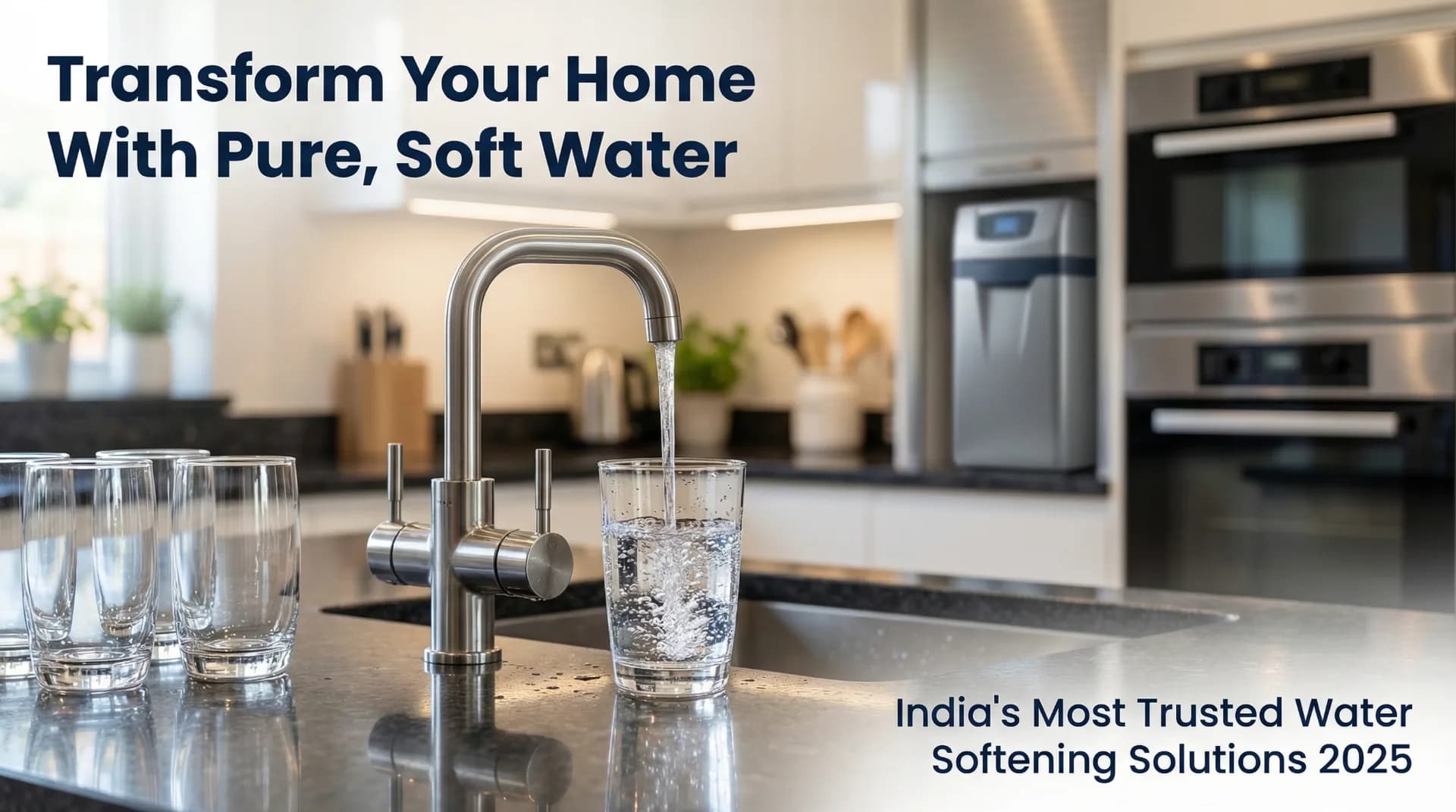
Hard water remains one of the most common household challenges across Indian cities and towns. The excessive presence of calcium and magnesium ions not only affects the quality of water but also damages appliances, leaves stubborn stains on fixtures, and impacts skin and hair health. Understanding which water treatment systems perform best in Indian conditions requires careful consideration of various factors including water hardness levels, household size, budget constraints, and long-term maintenance requirements.
The Indian market has witnessed tremendous growth in water treatment technology over the past decade. Homeowners now have access to sophisticated systems that combine multiple purification and softening technologies. However, this abundance of choices can be overwhelming. Different regions across India face varying degrees of water hardness, from moderately hard water in coastal areas to extremely hard water in northern and western regions. This geographical diversity demands solutions that are specifically designed to handle local water conditions effectively.
Consumer preferences have evolved significantly as awareness about water quality has increased. Modern Indian families seek solutions that not only address hardness but also ensure comprehensive water safety. The integration of softening with purification technologies has become increasingly popular, especially in urban households where municipal water quality fluctuates seasonally. Additionally, factors like space constraints in apartments, electricity consumption, and the availability of after-sales service have become crucial decision-making parameters.
The year 2025 marks an important milestone in water treatment technology with the introduction of smarter, more energy-efficient systems. Manufacturers have responded to consumer demands by developing compact designs, reducing salt consumption, and incorporating digital monitoring features. This comprehensive guide explores how various established brands perform in real Indian household conditions, examining their strengths, limitations, and suitability for different requirements.
Understanding Water Softening Technology and Its Importance
Water softening works through a process called ion exchange, where calcium and magnesium ions responsible for hardness are replaced with sodium or potassium ions. The system contains resin beads that attract and hold the hardness-causing minerals while releasing softer ions into the water supply. This process prevents scale buildup in pipes, water heaters, washing machines, and other appliances, significantly extending their lifespan and improving efficiency.
The benefits of softened water extend far beyond appliance protection. Softened water requires less soap and detergent for effective cleaning, resulting in substantial cost savings over time. Clothes washed in soft water retain their colors and textures longer, while dishes and glassware emerge from washing cycles without the cloudy film that hard water leaves behind. For personal care, soft water creates a better lather with shampoos and body washes, leaving skin feeling smoother and hair more manageable.
In Indian households, the impact of hard water is particularly noticeable in bathrooms and kitchens. The white chalky deposits on taps, shower heads, and tiles require constant cleaning and harsh chemical removers. These deposits are not merely aesthetic concerns; they harbor bacteria and reduce water flow over time. Water heaters in hard water areas develop thick scale layers that increase electricity consumption by up to thirty percent and may eventually cause complete failure of the heating element.
Modern softening systems have evolved to address specific challenges faced by Indian consumers. Automatic regeneration cycles, water-saving features, and reduced salt consumption have made these systems more practical and economical. Some advanced models now include pre-filtration stages that remove sediment and chlorine before softening, ensuring comprehensive water treatment in a single unit.
Performance Factors That Matter in Indian Conditions
The effectiveness of any water treatment system depends heavily on matching its capacity to actual household needs. Undersized systems regenerate too frequently, wasting water and salt, while oversized units may not regenerate often enough, leading to bacterial growth in the resin bed. Indian households typically range from small nuclear families to extended joint families, requiring systems with capacities from 1000 to 5000 liters per day.
Water pressure is another critical consideration that many consumers overlook. Indian municipal water supply often experiences pressure fluctuations, and some areas receive water only at certain times of the day. Systems must operate efficiently across varying pressure ranges, and households with low pressure may need additional booster pumps. The quality of components, particularly valves and meters, determines how well a system handles these variations over years of operation.
Salt efficiency has emerged as a significant performance metric, especially as consumers become more environmentally conscious. Traditional systems consumed excessive amounts of salt during regeneration cycles, leading to higher operating costs and environmental concerns about brine discharge. Contemporary designs optimize the regeneration process, using sensors to determine actual hardness levels and adjusting salt usage accordingly, sometimes reducing consumption by up to fifty percent compared to older models.
The hardness of incoming water varies dramatically across Indian regions. Cities like Delhi, Jaipur, and Pune face extremely hard water with levels exceeding 300 parts per million, while places like Mumbai and Chennai have moderately hard to hard water. A system performing excellently in one region might struggle in another, making it essential to select equipment specifically rated for local water conditions.
Comparison of Leading Market Options
Doctor Fresh has established a strong presence in the Indian market with systems designed specifically for high hardness levels. Their units incorporate advanced resin technology that maintains efficiency even with water hardness exceeding 400 ppm. The brand focuses on durability, using corrosion-resistant materials suitable for Indian water quality. Their compact designs appeal to apartment dwellers, while their service network covers most tier-one and tier-two cities effectively.
RO Care India offers a unique approach by combining reverse osmosis with softening capabilities, addressing both hardness and dissolved impurities simultaneously. This integrated solution appeals to consumers concerned about total water quality rather than just hardness. Their systems include multi-stage filtration that removes sediment, chlorine, heavy metals, and microorganisms while softening the water. The brand has invested significantly in customer education, helping users understand optimal maintenance schedules.
Mannubhai Service Expert has built its reputation on exceptional after-sales support and customized solutions. They analyze water samples before recommending systems, ensuring proper sizing and technology selection. Their technicians provide installation services that account for specific plumbing configurations and pressure conditions. The brand offers flexible maintenance contracts that include periodic resin cleaning, valve servicing, and performance optimization.
Kent has leveraged its strong brand recognition in water purification to enter the softening segment with technologically advanced products. Their systems feature digital displays showing water consumption, hardness levels, and regeneration schedules. Smart connectivity allows users to monitor system performance through mobile applications. Kent's extensive service network ensures prompt response to service requests across urban and semi-urban areas.
Aquaguard brings decades of experience in Indian water treatment to their softening solutions. Their systems emphasize ease of use with automated controls that require minimal user intervention. The brand offers various capacity options suitable for different household sizes and includes comprehensive warranties that cover both parts and labor. Their regeneration cycles are optimized for water conservation, an important consideration in water-scarce regions.
Aquafresh positions itself in the value segment, offering functional systems at accessible price points. While their units may lack some advanced features of premium brands, they deliver reliable basic softening performance. The brand focuses on straightforward designs that simplify installation and troubleshooting. For budget-conscious consumers or those seeking secondary treatment systems for specific applications like washing machines, these products provide practical solutions.
Pureit has introduced compact, cartridge-based softening systems that eliminate the need for salt entirely. These units use alternative technologies like template-assisted crystallization that converts hardness minerals into microscopic crystals that remain suspended in water rather than forming scale. This innovation appeals to consumers concerned about sodium intake or those seeking minimal maintenance solutions, though the initial investment is typically higher.
Blue Star applies its expertise in water and air treatment to softening systems designed for premium households. Their products incorporate superior build quality with stainless steel and food-grade materials throughout. Advanced control systems provide precise management of regeneration cycles, optimizing salt and water usage. The brand targets consumers who prioritize long-term reliability and are willing to invest in higher upfront costs for reduced lifetime expenses.
LG has entered the market with smart home integration as a key differentiator. Their systems connect to home automation platforms, allowing users to monitor and control softening operations remotely. Energy efficiency features include low-power consumption during standby and optimized regeneration timing to take advantage of off-peak electricity rates. The brand appeals to technology-oriented consumers who value connectivity and data-driven insights into their water usage.
Installation Considerations and Space Requirements
Proper installation significantly impacts system performance and longevity. The ideal location provides easy access for salt refilling and maintenance while remaining protected from direct sunlight and extreme temperatures. Most households install systems in utility areas, basements, or dedicated plant rooms. The installation point should be close to the main water inlet to ensure all household water passes through the softener, though some consumers choose to soften only bathroom and laundry water, leaving kitchen water untreated to preserve mineral content for drinking.
Space constraints in Indian apartments often dictate system selection. Compact models designed for under-counter or wall-mounted installation suit smaller homes, while larger properties can accommodate full-sized floor-standing units with greater capacity. Plumbing modifications may be necessary to integrate the system, including bypass valves that allow untreated water flow during maintenance or emergencies. Professional installation ensures proper drainage for brine discharge and prevents backflow contamination.
The drainage requirements for regeneration cycles deserve careful planning. Systems discharge concentrated brine solution periodically, which must flow into appropriate drainage lines without causing damage to septic systems or creating environmental concerns. Some municipalities have regulations regarding brine discharge, making it important to verify local requirements before installation. Modern systems minimize waste water generation, but adequate drainage capacity remains essential.
Electrical requirements vary by system complexity. Basic mechanical systems operate without electricity, using water pressure to drive regeneration cycles. Electronic models require standard household power but consume minimal electricity, typically less than an LED bulb. Smart systems with connectivity features have slightly higher power needs but offer conveniences like scheduled regeneration during off-peak hours and diagnostic alerts that prevent system failures.
Maintenance Requirements and Long-Term Costs
Regular maintenance ensures optimal performance and extends system lifespan. The primary ongoing requirement involves refilling salt, typically every four to six weeks depending on water hardness and consumption. Using high-purity salt designed specifically for softeners prevents impurities from damaging resin beads and control mechanisms. Some users attempt to economize by using low-quality salt, but this often leads to resin degradation and frequent service calls that negate any savings.
Resin bed cleaning should occur annually in most Indian conditions due to the presence of iron and other contaminants in municipal water. Specialized cleaners remove accumulated deposits that reduce ion exchange efficiency. This service typically requires professional attention, though some advanced systems include automated cleaning cycles. Neglecting resin maintenance leads to declining performance, with treated water gradually becoming harder despite the system appearing to function normally.
Control valve servicing every two to three years maintains reliable operation. Seals, gaskets, and moving parts experience wear from continuous cycling and exposure to minerals. Preventive replacement of these components costs significantly less than emergency repairs when valves fail suddenly. Some brands offer comprehensive maintenance contracts that include Water Softener service, emergency response, and discounted parts, providing peace of mind and predictable budgeting.
Water testing helps verify system performance over time. Simple hardness test kits available from aquarium suppliers or online retailers allow users to check treated water periodically. Hardness levels should remain below 60 ppm in softened water; higher readings indicate exhausted resin, insufficient salt, or mechanical problems requiring attention. Professional testing annually provides more comprehensive analysis including sodium levels and verification that softening has not introduced any harmful contaminants.
Cost Analysis and Value Proposition
Initial investment for quality softening systems ranges from fifteen thousand to one hundred thousand rupees depending on capacity, technology, and brand positioning. While this represents significant upfront expense, the long-term savings justify the investment for most households. Appliance lifespan extension, reduced detergent consumption, lower energy bills from efficient water heating, and decreased plumbing maintenance create measurable financial benefits.
Calculating total cost of ownership requires considering salt consumption, electricity usage, maintenance expenses, and potential repairs over the system's expected fifteen to twenty-year lifespan. Salt costs approximately thirty to fifty rupees per kilogram, with typical consumption ranging from five to twenty kilograms monthly. Annual maintenance might cost two to five thousand rupees depending on service complexity and brand-specific requirements. Comparing these operating costs against the system's benefits helps determine true value.
Energy savings emerge as a substantial benefit often overlooked in purchase decisions. Water heaters operating with soft water reach target temperatures faster and maintain efficiency without scale buildup. Studies indicate that removing scale from heating elements can reduce electricity consumption by twenty to thirty percent. For households using electric geysers or heat pumps, these savings accumulate to thousands of rupees annually, effectively offsetting maintenance costs within a few years.
The intangible benefits of soft water contribute additional value that defies precise quantification. Better skin and hair health, softer clothes that last longer, easier household cleaning, and the elimination of constant scrubbing to remove scale deposits improve quality of life. Many users report reduced expenditure on skin moisturizers, hair conditioners, and specialized cleaning products once they install softening systems. The cumulative effect of these small daily improvements justifies the investment for many families.
Technological Advancements Shaping Future Solutions
Artificial intelligence integration represents the frontier of water softening technology. Smart systems learn household consumption patterns and predict optimal regeneration timing, minimizing water and salt waste. Machine learning algorithms detect anomalies that might indicate developing problems, alerting users before complete failures occur. These predictive capabilities transform maintenance from reactive troubleshooting to proactive prevention, reducing downtime and extending component life.
Smartphone connectivity has evolved from novelty to necessity for many consumers. Modern applications provide real-time monitoring of water consumption, hardness levels, and salt inventory. Push notifications alert users when salt refilling becomes necessary or when performance metrics drift outside normal parameters. Remote diagnostics allow service technicians to troubleshoot issues without immediate site visits, often resolving problems through settings adjustments or providing accurate information for efficient service calls.
Environmental sustainability drives innovation in regeneration efficiency and alternative technologies. New resin formulations require less frequent regeneration and function effectively with reduced salt quantities. Some manufacturers experiment with potassium chloride as an alternative to sodium chloride, appealing to health-conscious consumers and reducing environmental impact. Template-assisted crystallization and electromagnetic conditioning technologies offer salt-free alternatives, though their effectiveness in extremely hard water conditions continues to be debated among water treatment professionals.
Compact modular designs address space constraints in modern apartments. Slimline units that fit into kitchen cabinets or mount on bathroom walls make softening accessible to households previously unable to accommodate traditional systems. Manufacturers also develop Water Softener for specific applications like shower heads or washing machine connections, providing targeted treatment where hardness causes the most noticeable problems without requiring whole-house systems.
Regional Considerations Across India
Northern states including Delhi, Haryana, Punjab, and Rajasthan face some of India's hardest water, often exceeding 400 ppm. Systems serving these regions must incorporate high-capacity resin beds and efficient regeneration cycles to handle the extreme mineral load. Extended regeneration times and higher salt consumption are normal in these conditions, making operational costs higher than in moderate hardness areas. Brands demonstrating proven performance in these challenging environments earn strong customer loyalty.
Western regions like Gujarat and Maharashtra experience variable hardness depending on water sources. Coastal areas typically have moderately hard water, while inland cities face much harder conditions. This variability requires flexible systems that maintain efficiency across broad hardness ranges. Consumers in these regions benefit from brands offering customizable settings or adjustable regeneration parameters that adapt to seasonal fluctuations in water quality.
Southern India presents unique challenges with generally harder water in interior regions compared to coastal areas. Cities like Bangalore and Hyderabad report water hardness between 200 and 350 ppm, requiring robust systems but not the extreme capacities needed in northern regions. The presence of higher iron content in groundwater sources common to this region demands pre-filtration or specialized resin that resists iron fouling. Brands addressing these specific regional characteristics gain market advantage.
Eastern states including West Bengal and Odisha typically have softer water in coastal regions but face hardness challenges in interior areas. The prevalence of borewell water in many communities introduces variability that municipal supplies avoid. Systems serving these areas must handle fluctuating input quality, making robust construction and adaptable controls essential. After-sales service availability becomes particularly important in these regions where brand presence may be less established than in metro areas.
Making an Informed Purchase Decision
Evaluating actual household needs prevents both overspending on unnecessary features and underinvestment that leads to inadequate performance. Analyzing monthly water consumption, number of bathrooms, laundry frequency, and specific hardness levels provides the foundation for proper system sizing. Most manufacturers offer sizing calculators on their websites, Buy water purifier though consulting with experienced dealers who understand local conditions often yields more accurate recommendations.
Comparing warranty terms reveals manufacturer confidence in product reliability. Comprehensive warranties covering parts and labor for three to five years indicate superior build quality and component selection. Limited warranties excluding certain parts or requiring costly annual maintenance contracts to remain valid may signal potential reliability concerns. Understanding exactly what warranty coverage includes and the process for claiming service helps avoid disappointment when problems arise.
Reading verified customer reviews from users in similar geographical regions and household situations provides practical insights that specifications cannot convey. Reviews highlighting service responsiveness, actual salt consumption, ease of use, and long-term reliability help identify brands that deliver on their promises. Platforms that verify purchases and aggregate ratings over time offer more trustworthy information than individual testimonials on manufacturer websites.
Considering future needs prevents premature obsolescence. Households planning expansion, additional bathrooms, or increased water usage should select systems with capacity headroom or modular designs allowing future upgrades. Smart systems with software update capabilities remain current longer than fixed-function units. Investing in somewhat more capacity than current needs require often proves more economical than replacing an undersized system within a few years.
Professional Assessment and Water Testing
Accurate water testing establishes the baseline for system selection and provides metrics for evaluating performance after installation. Comprehensive testing should analyze total hardness, iron content, pH levels, total dissolved solids, chlorine levels, and bacterial contamination. DIY test kits provide basic hardness information, but professional laboratory analysis offers complete characterization necessary for optimal system design, especially in areas with complex water quality issues.
Consulting water treatment professionals brings expertise that transcends product sales. Experienced consultants evaluate plumbing configurations, pressure conditions, drainage options, and space constraints while recommending appropriate technologies. They identify potential challenges like high iron requiring pre-treatment or low pressure necessitating booster pumps. This comprehensive assessment prevents installation problems and ensures systems operate at peak efficiency from the start.
On-site evaluations allow professionals to observe actual conditions rather than relying on homeowner descriptions. They measure available space precisely, assess plumbing accessibility, verify electrical supply adequacy, and identify optimal installation locations. This detailed analysis leads to accurate cost estimates including all necessary modifications and accessories, preventing surprise expenses during installation. Reputable professionals provide transparent pricing and explain the rationale behind their recommendations.
Comparing multiple professional opinions helps consumers distinguish between genuine needs and sales tactics. Consultations with three different service providers typically reveal consensus on essential requirements while highlighting optional features that may or may not justify additional expense. Significant disagreements in recommendations suggest the need for additional research or independent water testing to establish factual baseline data.
Conclusion
Selecting the appropriate water treatment solution for Indian households requires balancing multiple factors including water hardness levels, household size, budget constraints, available space, and long-term maintenance considerations. The diversity of options available in 2025 ensures solutions exist for virtually every requirement, from compact apartment installations to comprehensive whole-house systems for large properties. Understanding the fundamentals of softening technology and how different systems address specific challenges empowers consumers to make informed decisions.
Performance in real-world Indian conditions separates theoretical capabilities from practical results. Brands that demonstrate reliability across varying water quality, pressure fluctuations, and diverse regional challenges earn customer trust and market leadership. The integration of smart features, environmental consciousness, and service excellence increasingly defines premium offerings while value-focused brands continue serving budget-conscious segments effectively.
The investment in quality water treatment delivers returns through multiple channels including appliance protection, reduced operating costs, improved personal care outcomes, and simplified household maintenance. Calculating total cost of ownership over the system's lifespan rather than focusing solely on initial price reveals the true value proposition. Professional installation and regular maintenance maximize these benefits while extending system longevity.
As technology continues advancing and consumer awareness grows, the water treatment industry will evolve with innovations that enhance efficiency, reduce environmental impact, and integrate seamlessly into smart homes. Households investing in appropriate solutions today position themselves to enjoy superior water quality, reduced expenses, and improved daily living experiences for years to come. The key lies in thorough research, honest assessment of specific needs, and selecting reputable brands backed by responsive service networks.
Q: How do I determine the right capacity water softener for my household?
A: Calculate your daily water consumption by multiplying the number of family members by 150-200 liters per person. Then test your water hardness level using a home kit or professional service. Multiply daily consumption by hardness level (in ppm) to determine the grain capacity needed. For example, a family of four using 800 liters daily with 300 ppm hardness requires approximately 24,000 grains capacity. Consider future needs and choose slightly higher capacity to avoid frequent regeneration cycles that waste water and salt.
Q: What is the difference between water softening and water purification?
A: Water softening specifically removes calcium and magnesium minerals that cause hardness through an ion exchange process, preventing scale buildup in pipes and appliances. Water purification addresses contamination by removing bacteria, viruses, heavy metals, and dissolved impurities through technologies like reverse osmosis or UV treatment. Softened water may still contain contaminants, while purified water may still be hard. Many modern systems combine both technologies to provide comprehensive treatment that addresses hardness and ensures microbiological safety simultaneously.
Q: How often does a water softener need maintenance and what does it involve?
A: Basic maintenance involves refilling salt every 4-6 weeks depending on water hardness and consumption patterns. Annual resin bed cleaning removes accumulated iron and contaminants that reduce efficiency, typically requiring professional service. Control valve servicing every 2-3 years replaces worn seals and gaskets to prevent failures. Regular hardness testing of treated water ensures the system continues performing correctly. Following the manufacturer's maintenance schedule and using high-quality salt prevents most problems and extends system lifespan to 15-20 years.
Q: Are salt-free water softeners as effective as traditional ion exchange systems?
A: Salt-free systems use different technologies like template-assisted crystallization that prevent scale formation rather than removing hardness minerals. They keep minerals suspended as microscopic crystals that don't deposit on surfaces but remain in the water. While effective for preventing scale buildup, they don't provide the traditional benefits of softened water like better soap lather, softer laundry, or improved skin feel. Traditional ion exchange systems completely remove hardness minerals and are more effective in extremely hard water conditions common across northern and western India.
To ensure your household enjoys the full benefits of softened water, explore comprehensive maintenance guides and regional water quality data that can help optimize your system's performance. Stay informed about technological advancements and service best practices that extend equipment lifespan while maximizing efficiency and cost savings.