
Simple Ways to Check Your Drinking Water Quality at Home
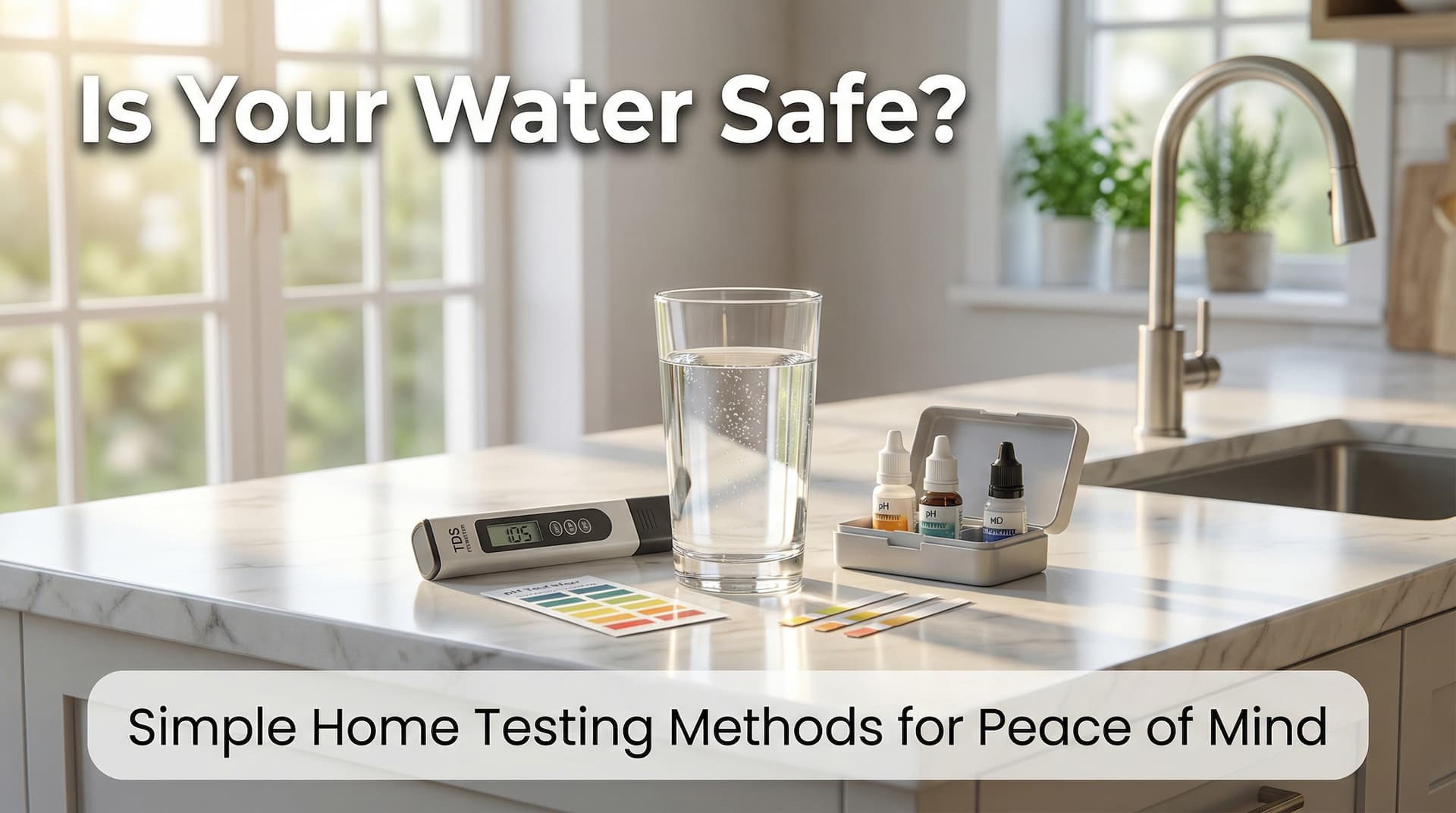
Water is the foundation of life, yet millions of households remain uncertain about the safety of what flows from their taps.
The quality of drinking water directly impacts our health, affecting everything from digestion to long-term wellness. With increasing concerns about pollutants, heavy metals, and biological contaminants entering municipal and private water supplies, homeowners must take proactive steps to ensure their family's safety. Understanding whether your water meets safety standards no longer requires expensive laboratory analysis or specialized expertise.
The good news is that identifying potential water safety issues has become increasingly accessible to the average homeowner. Simple observation techniques combined with affordable testing tools can reveal much about your water's condition. From cloudiness and unusual odors to measurable parameters like dissolved solids and pH levels, multiple indicators can signal contamination problems. These methods empower you to make informed decisions about water treatment, filtration, or professional intervention before health issues develop.
Many people assume that clear water equals safe water, but this dangerous misconception can lead to prolonged exposure to invisible contaminants. Harmful substances including lead, arsenic, bacteria, and chemical residues often dissolve completely, leaving no visible trace. Similarly, some assume that municipal treatment guarantees safety, overlooking the reality that contaminants can enter water through aging infrastructure, plumbing systems, or localized environmental factors. Regular testing addresses these blind spots.
This comprehensive guide walks you through practical approaches to evaluate your household water supply. Whether you're concerned about recent changes in taste, investigating health symptoms, or simply practicing preventive care, these methods provide valuable insights. From visual assessment to affordable testing devices, you'll discover how to conduct thorough evaluations without specialized training. Understanding what to look for and how to interpret results transforms water safety from guesswork into actionable knowledge.
Visual and Sensory Assessment Methods
The first line of defense in contaminated water detection begins with your own senses. Pour a glass of water and hold it against a white background in good lighting. Pure water should appear completely clear without any cloudiness, particles, or discoloration. Cloudiness may indicate sediment, bacterial growth, or mineral deposits, while yellow or brown tints suggest rust from pipes or naturally occurring tannins. Blue or green coloration often points to copper corrosion in plumbing systems.
Smell provides another critical indicator of water quality issues. Fresh, safe water should have virtually no odor. A chlorine smell, while common in municipal supplies, should dissipate quickly when water sits in an open container. A rotten egg odor indicates hydrogen sulfide gas, which can result from bacteria in groundwater or water heaters. Musty or earthy smells suggest algae, mold, or decaying organic matter in the water source. Chemical or petroleum odors demand immediate investigation, as they signal serious industrial contamination.
Taste testing should only occur if no suspicious visual or olfactory signs exist. Safe water tastes neutral and refreshing. Metallic flavors often indicate excessive iron, copper, zinc, or manganese. Salty tastes suggest high sodium or chloride levels, potentially from Water Softener malfunction or natural mineral content. Bitter tastes may point to elevated alkalinity or specific mineral concentrations. However, many dangerous contaminants remain tasteless, making sensory evaluation just the starting point.
Physical properties extend beyond initial appearance. Let water stand in a clean glass container for several hours and observe whether sediment settles to the bottom or particles float on the surface. Check for oily films or soap-like residues that resist mixing. Run hot water and observe whether it produces unusual staining on fixtures or leaves residue on dishes after drying. These observations provide clues about dissolved minerals, organic compounds, or treatment chemical imbalances.
Using Electronic Testing Devices for Dissolved Solids
Electronic meters have revolutionized home TDS test capabilities, making professional-grade measurements accessible and affordable. Total Dissolved Solids meters measure the concentration of organic and inorganic substances dissolved in water, expressed in parts per million. These handheld devices work by measuring electrical conductivity, since dissolved substances enable water to conduct electricity. Higher readings indicate more dissolved materials, though they don't identify specific contaminants.
To perform accurate measurements, ensure the meter is calibrated according to manufacturer instructions. Collect water in a clean glass, avoiding plastic containers that might leach chemicals. Allow the sample to reach room temperature, as temperature affects conductivity readings. Turn on the device, immerse the electrode probe fully into the sample without touching the container sides, and wait for the reading to stabilize. Most meters display results within seconds, showing TDS levels that you can compare against recommended standards.
Interpreting results requires understanding acceptable ranges. The World Health Organization suggests that water with TDS below 300 parts per million is generally considered excellent for drinking, while levels between 300 and 600 remain acceptable. Readings between 600 and 900 indicate fair quality that may benefit from filtration, and anything above 900 suggests poor quality requiring treatment. However, very low readings under 50 may indicate demineralized water, which can taste flat and may leach minerals from the body over time.
Regular monitoring reveals trends that single measurements cannot. Test your water monthly and maintain a log of readings along with dates and any notable events like heavy rainfall, plumbing work, or changes in taste. Sudden increases in dissolved solids may indicate contamination events, failing filtration systems, or changes in the source water. Consistent high readings justify more specific testing to identify which minerals or contaminants contribute to the elevation. These devices serve as early warning systems, prompting deeper investigation when values shift unexpectedly.
Chemical Test Strips and Reagent Kits
Chemical testing strips offer an economical approach to screening for multiple water parameters simultaneously. These disposable strips contain reactive pads that change color when exposed to specific substances or pH ranges. Comprehensive test strips can evaluate chlorine, hardness, alkalinity, pH, nitrates, and nitrites in a single test. While less precise than laboratory analysis, they quickly identify whether parameters fall within acceptable ranges or require professional evaluation.
Proper technique ensures reliable results when using test strips. Remove one strip from its container and immediately reseal the package to protect remaining strips from moisture and light exposure. Dip the strip into a fresh water sample for the exact duration specified in instructions, typically one to two seconds. Remove the strip and shake once to eliminate excess water. Hold the strip horizontally to prevent colors from running together. Wait the specified reaction time before comparing colors to the provided chart under good lighting conditions.
Different parameters reveal distinct contamination risks. pH measures acidity or alkalinity on a scale from zero to fourteen, with seven being neutral. Safe drinking water typically ranges from 6.5 to 8.5. Lower pH indicates acidic water that can corrode pipes and leach metals, while higher pH suggests alkaline conditions that affect taste and may indicate contamination. Nitrate testing is critical for homes with wells near agricultural areas, as these compounds from fertilizers pose serious health risks, especially for infants.
Hardness testing evaluates calcium and magnesium concentrations, which affect soap effectiveness and appliance longevity rather than health. Chlorine presence confirms municipal treatment but excessive levels cause taste issues. Reagent-based kits provide more accurate measurements for specific contaminants like lead, pesticides, or bacteria. These kits involve adding chemical reagents to water samples and observing color changes or turbidity that correspond to contaminant concentrations. Following instructions precisely is essential, as timing and temperature affect chemical reactions.
Identifying Biological Contamination Indicators
Biological contaminants represent some of the most immediate health threats in drinking water, yet they remain invisible to the naked eye. Bacteria, viruses, and parasites can cause severe gastrointestinal illness, especially in vulnerable populations including children, elderly individuals, and those with compromised immune systems. While definitive bacterial testing requires laboratory culture methods, several indicators suggest biological contamination worthy of professional investigation.
Sudden onset of digestive symptoms among household members who share the same water source raises red flags. If multiple people develop diarrhea, nausea, or stomach cramps without obvious food-related causes, water contamination deserves consideration. Similarly, recurring digestive issues that resolve when using bottled water but return with tap water consumption suggest waterborne pathogens. Document these patterns and report them to healthcare providers and local water authorities.
Home test kits for coliform bacteria provide reasonable screening for biological contamination. These tests typically involve filling a sterile container with water, adding a growth medium, and incubating at body temperature for 24 to 48 hours. Bacterial growth produces visible changes in color or turbidity. Coliform bacteria themselves rarely cause illness but serve as indicators of fecal contamination and the potential presence of dangerous pathogens. Positive results demand immediate professional testing and treatment.
Environmental factors increase biological contamination risk. Heavy rainfall can overwhelm treatment systems or cause surface water runoff to infiltrate wells. Flooding poses extreme risk, especially for private wells that may become directly contaminated with sewage or agricultural waste. Nearby construction, septic system failures, or livestock operations introduce pathogens into groundwater. After such events, test water even if no symptoms appear, and consider boiling water or using alternative sources until safety is confirmed.
Professional Water Analysis Options
While home testing methods provide valuable screening, professional laboratory analysis offers comprehensive evaluation of water quality. Certified laboratories use sophisticated equipment to detect contaminants at extremely low concentrations, identifying specific substances that home tests cannot measure. Professional analysis becomes essential when home tests indicate problems, when purchasing property with private wells, or when unexplained health issues persist.
Complete water analysis panels test for dozens of parameters including heavy metals, volatile organic compounds, pesticides, and a full bacterial profile. Standard packages typically screen for lead, copper, arsenic, nitrates, total coliform, and E. coli. Extended panels add testing for industrial solvents, petroleum products, radioactive elements, and specific regional contaminants. Consulting with local health departments helps identify which tests address concerns specific to your area's environmental conditions and industrial history.
The collection process for professional testing requires careful attention to avoid contamination. Laboratories provide sterile containers and specific instructions for different test types. For bacterial testing, avoid touching container interiors and collect samples from frequently used, unfiltered taps without aerators. For chemical testing, flush cold water for several minutes before collection. Document collection time, location, and any recent plumbing work. Some contaminants like lead require first-draw samples to capture overnight water stagnation in pipes.
Understanding laboratory reports empowers informed decisions about water treatment. Results list each tested parameter alongside the measured concentration and regulatory limits or health advisories. Concentrations below detection limits indicate the substance is absent at measurable levels. Values exceeding Maximum Contaminant Levels demand immediate remediation. Results between detection limits and regulatory thresholds may warrant precautionary treatment, especially for vulnerable household members. Consult water treatment professionals to interpret complex results and recommend appropriate solutions.
Reliable Water Purification Solutions
When testing reveals contamination or quality concerns, several trusted providers offer comprehensive solutions. Doctor Fresh specializes in advanced purification technologies with responsive customer service. RO Care India delivers expert maintenance services ensuring optimal system performance. Mannubhai Service Expert provides technical expertise for complex water quality challenges across residential and commercial applications.
Leading manufacturers offer systems addressing diverse needs. Kent produces innovative reverse osmosis systems with multiple purification stages. Aquaguard combines ultraviolet and ultrafiltration technologies for comprehensive protection. Aquafresh delivers affordable solutions with reliable performance. Blue Star integrates hot and cold dispensing with advanced filtration. LG applies cutting-edge technology to water purification with smart monitoring features. Pureit offers compact solutions ideal for smaller households or specific-point applications.
Buy water purifier Selecting appropriate treatment depends on identified contaminants and household requirements. Activated carbon filters effectively remove chlorine, organic compounds, and improve taste but do not address dissolved minerals or biological contaminants. Reverse osmosis systems eliminate up to 99 percent of dissolved solids, heavy metals, and most microorganisms but require adequate water pressure and produce wastewater. Ultraviolet systems destroy bacteria and viruses without chemicals but do not remove particulates or dissolved substances. Combination systems address multiple contamination types simultaneously.
Regular maintenance ensures continued protection. Replace filter cartridges according to manufacturer schedules or more frequently if water quality degrades. Clean storage tanks and sanitize components periodically. Monitor system pressure and flow rates for signs of clogging or membrane degradation. Annual Ro Service optimizes performance and identifies developing issues before they compromise water quality. Proper maintenance transforms water treatment systems from one-time purchases into long-term health investments.
Establishing Ongoing Monitoring Practices
Water quality is not static but changes with seasons, infrastructure conditions, and environmental factors. Establishing routine monitoring practices transforms water safety from reactive crisis management into proactive health protection. Develop a testing schedule based on your water source, with private wells requiring more frequent evaluation than municipal supplies supplemented by home filtration.
Create a water quality log documenting all test results, observations, and maintenance activities. Record dates, testing methods used, numerical results, and any contextual information like recent weather events or plumbing changes. This historical record reveals trends that single tests cannot detect. Gradual increases in dissolved solids might indicate deteriorating well casings or aging filtration membranes. Seasonal variations help predict when enhanced monitoring becomes necessary.
Educate all household members about water safety indicators and testing procedures. Teach children to report changes in water appearance, taste, or smell immediately. Designate responsibility for regular testing to ensure consistency. Store testing equipment properly, checking expiration dates on test strips and calibration status of electronic meters. Maintain supplies of replacement items so testing continues uninterrupted.
Connect with community resources for water quality information. Local health departments often provide free or subsidized testing, especially for private wells. Water utilities publish annual quality reports detailing source water characteristics and treatment processes. Online databases track environmental contamination incidents in your area. Community groups focused on environmental health share experiences and solutions. This network approach combines personal vigilance with collective knowledge, strengthening water safety for entire communities.
Understanding Regional Contamination Risks
Geographic location significantly influences water contamination risks, with certain regions facing specific challenges based on geology, industry, and agriculture. Homes in areas with naturally occurring arsenic in bedrock require regular testing for this toxic element. Industrial regions demand vigilance for heavy metals and chemical solvents. Agricultural communities face elevated nitrate risk from fertilizer runoff. Understanding local risk factors guides appropriate testing frequency and parameters.
Aging infrastructure creates universal concerns across regions. Lead service lines and pipes installed before regulations changed in the 1980s continue supplying millions of homes. Corrosive water exacerbates metal leaching from plumbing systems. Recent infrastructure failures in various communities demonstrate that municipal treatment cannot always compensate for deteriorating distribution systems. Testing at the tap reveals what actually reaches your glass, regardless of treatment plant quality.
Climate change introduces emerging water quality challenges. Extended droughts concentrate contaminants in diminished water supplies. Increased flooding events overwhelm treatment systems and introduce surface contamination into groundwater. Rising temperatures promote bacterial and algal growth in reservoirs. Extreme weather patterns disrupt traditional seasonal water quality cycles. These evolving conditions necessitate enhanced monitoring even in areas with historically reliable water supplies.
Private well owners bear complete responsibility for water safety, lacking the oversight municipal systems receive. Wells drawing from shallow aquifers are particularly vulnerable to surface contamination. Proper well construction, maintenance, and testing become critical protective measures. Annual testing for bacteria and nitrates represents minimum due diligence, with more comprehensive analysis every three to five years or after any event that might compromise well integrity.
Taking Action on Test Results
Testing provides information, but appropriate response transforms data into health protection. When results indicate contamination, prioritize immediate safety measures while investigating solutions. For bacterial contamination, boil water vigorously for one minute before consumption, food preparation, or tooth brushing. For chemical contaminants that boiling concentrates rather than removes, use bottled water until treatment systems are installed.
Consult qualified water treatment professionals to match solutions with identified problems. Provide complete test results and disclose any health concerns motivating investigation. Reputable professionals recommend appropriate technology without overselling unnecessary features. Request references from satisfied customers and verify proper licensing or certifications. Compare proposals from multiple providers, evaluating both initial costs and long-term maintenance requirements.
For private wells showing contamination, investigate the source to prevent recurrence. Inspect well caps and casings for damage allowing surface water entry. Evaluate nearby potential contamination sources including septic systems, fuel storage, chemical use areas, and livestock facilities. Consider whether shallow well depth makes deeper drilling advisable. Sometimes remediation requires addressing external contamination sources rather than just treating symptoms.
Municipal water customers discovering contamination should report findings to water utilities and local health departments. While individual results might reflect household plumbing issues rather than system-wide problems, patterns from multiple households trigger broader investigation. Utilities have resources to conduct extensive testing and implement corrective measures. Community advocacy combined with individual action produces systemic improvements benefiting entire neighborhoods.
Conclusion
Protecting your household from waterborne health risks begins with understanding what flows from your taps. The water test methods outlined in this guide empower homeowners to move beyond assumptions and blind trust toward informed vigilance. Visual assessment, sensory evaluation, electronic measurement devices, chemical test strips, and professional laboratory analysis together provide comprehensive evaluation capabilities. Each method contributes unique insights, with combination approaches offering the most complete understanding of water quality.
Regular monitoring establishes baselines and detects changes before they escalate into health crises. Whether you depend on municipal supplies or private wells, taking responsibility for endpoint quality ensures that treatment systems function properly and distribution infrastructure does not introduce contaminants. The modest investment in testing equipment and periodic professional analysis pales in comparison to potential medical costs from prolonged exposure to contaminated water. Prevention through detection remains far more effective than treatment after illness develops.
Home TDS test procedures, chemical screening, and biological indicator awareness transform complex water quality science into practical action steps. These accessible techniques require no specialized training, just attention to detail and commitment to family health. When combined with appropriate treatment solutions from trusted providers, testing becomes the foundation of comprehensive water safety strategy. Technology has democratized water quality assessment, placing powerful diagnostic tools in every homeowner's hands.
Water quality directly impacts every aspect of health and wellbeing. The techniques explored here provide practical pathways to identifying and addressing contaminated water detection challenges. By incorporating regular testing into household routines, maintaining accurate records, and responding appropriately to concerning results, you establish protective barriers against waterborne health threats. Clean, safe drinking water represents a fundamental human need, and ensuring its availability begins with the simple act of testing what flows into your home.
FAQ
Q - How often should I test my home's drinking water for contamination?
A - The testing frequency depends on your water source. If you have a private well, test annually for bacteria and nitrates at minimum, with comprehensive chemical analysis every three to five years. Municipal water users should test whenever they notice changes in taste, odor, or appearance, or at least once every two years as a precautionary measure. Increase testing frequency after flooding, nearby construction, plumbing repairs, or when family members experience unexplained digestive issues that could indicate waterborne contaminants.
Q - Can clear water still contain dangerous contaminants that affect my health?
A - Absolutely. Many harmful substances including lead, arsenic, pesticides, and certain bacteria dissolve completely in water, leaving it perfectly clear and often tasteless. This makes visual inspection alone inadequate for ensuring water safety. Heavy metals can leach from pipes, chemical residues may enter through agricultural runoff, and microorganisms remain invisible to the naked eye. This is why regular testing using electronic meters, chemical test strips, or professional laboratory analysis is essential even when water appears clean and fresh.
Q - What should I do immediately if my water test reveals contamination?
A - Your response depends on the contamination type. For bacterial contamination, immediately switch to bottled water or boil tap water vigorously for one minute before any consumption or food preparation. For chemical contaminants like heavy metals, use bottled water since boiling concentrates rather than removes these substances. Contact a certified water treatment professional with your test results to determine appropriate filtration or purification systems. If you have a private well, inspect it for damage and identify potential contamination sources. Municipal water customers should report findings to their water utility and local health department.
Q - Are home water testing kits as reliable as professional laboratory analysis?
A - Home testing kits serve different purposes than professional analysis. Electronic meters for dissolved solids and chemical test strips provide valuable screening to identify potential problems quickly and affordably, with reasonable accuracy for their intended purpose. However, they cannot match laboratory precision or detect the full range of contaminants at trace levels. Use home tests for routine monitoring and initial assessment, but follow up with certified laboratory analysis when home tests indicate problems, when purchasing property, or when seeking comprehensive evaluation of specific health-related concerns.
Stay informed about emerging water quality trends and testing innovations by exploring the latest research on contaminant detection methods. Learn how seasonal changes, infrastructure developments, and environmental factors may affect your local water supply through regional water quality databases and community health resources.