
RO Water Purifier Selection Guide Based on Family Size
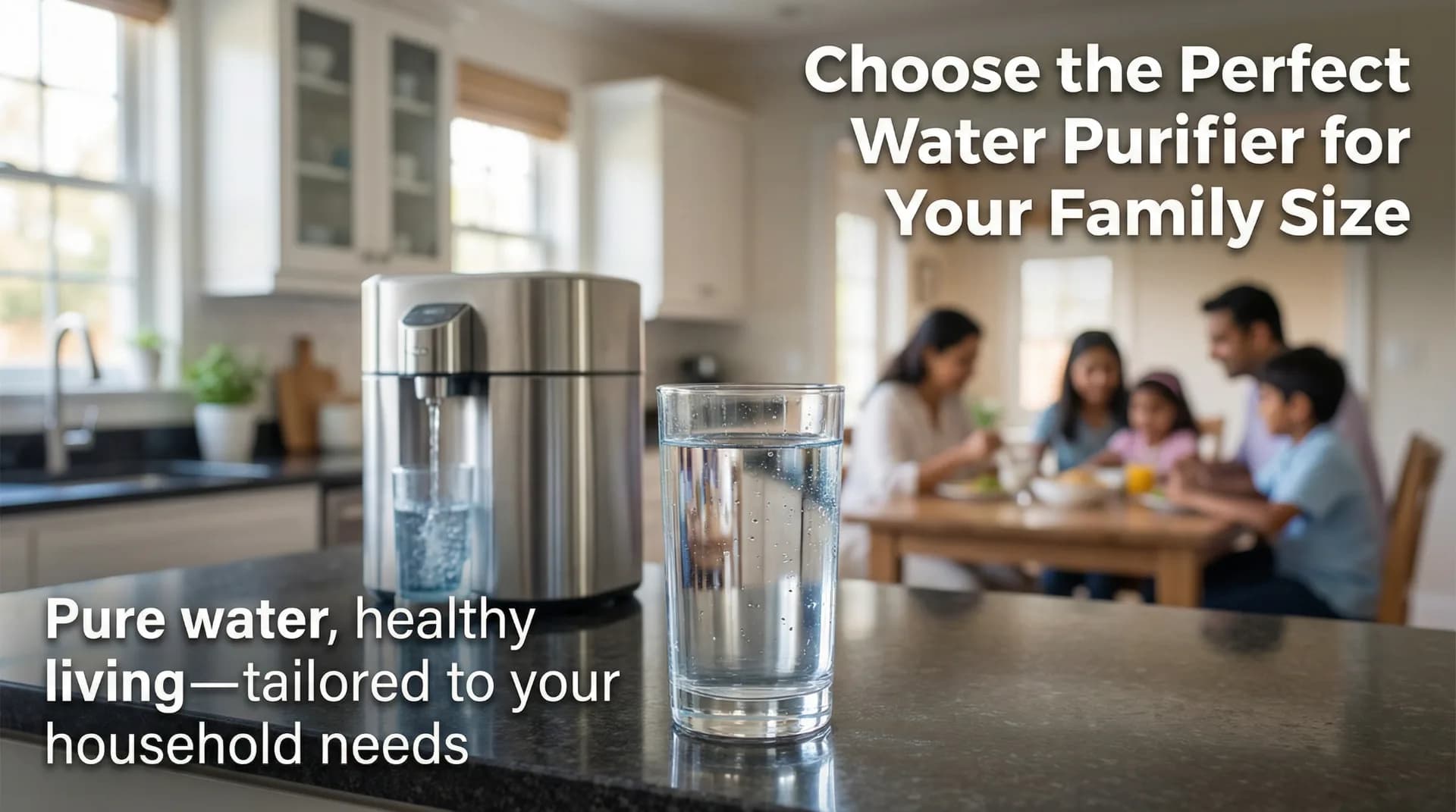
Access to clean and safe drinking water stands as one of the fundamental necessities for maintaining good health and well-being in every household. With increasing concerns about water contamination, dissolved impurities, and harmful microorganisms, families across urban and rural areas are recognizing the importance of investing in reliable water purification solutions . However, selecting an appropriate purification system requires careful consideration of multiple factors that directly impact both efficiency and cost-effectiveness.
Understanding your household's specific requirements forms the foundation of making an informed decision. Every family has unique water consumption patterns influenced by the number of members, daily activities, cooking habits, and even climatic conditions. A purification system that works perfectly for a small apartment might prove inadequate for a larger household with higher consumption needs. Similarly, choosing an oversized system for a smaller family can lead to unnecessary expenses and water wastage.
The modern market offers numerous purification technologies, each designed to address different water quality issues. Reverse osmosis systems have gained popularity due to their effectiveness in removing dissolved solids, heavy metals, and various contaminants. These systems work by forcing water through semi-permeable membranes, effectively filtering out impurities while retaining essential minerals when equipped with proper post-filtration stages. Understanding how these technologies align with your family size and consumption patterns helps optimize both performance and maintenance requirements.
Beyond initial selection, the long-term relationship with your purification system involves regular maintenance, timely filter replacements , and occasional technical support. Families often overlook these ongoing requirements during the purchase decision, only to face challenges later. Establishing a clear understanding of maintenance schedules and having access to reliable technical assistance ensures your investment continues delivering safe water for years. This comprehensive approach to selection considers not just immediate needs but also sustainable operation throughout the system's lifespan.
Understanding Household Water Consumption Patterns
Calculating accurate water consumption for drinking and cooking purposes requires analyzing daily habits and family routines. An average adult typically consumes between two to three liters of water daily for drinking alone, while cooking, beverage preparation, and other kitchen activities add significantly to this amount. A family of four would generally require approximately twelve to fifteen liters daily for drinking, with total purified water needs potentially reaching twenty to twenty-five liters when including cooking requirements.
Seasonal variations significantly influence consumption patterns, with summer months typically seeing increased water intake compared to winter periods. Families living in warmer climates or regions with higher ambient temperatures naturally consume more water throughout the year. Additionally, households that frequently entertain guests or have members engaged in physically demanding activities need to account for elevated consumption levels. These variations highlight why standardized recommendations often fail to match real-world requirements.
The presence of children in households introduces another dimension to consumption calculations. Growing children require adequate hydration for proper development, and families with young members often use purified water for preparing infant formula, washing fruits and vegetables, and making nutritious meals. Educational awareness about hydration benefits has also led many families to consciously increase their water intake, further impacting overall requirements.
Storage capacity considerations extend beyond daily consumption to include buffer requirements for unexpected situations. Power outages, maintenance schedules, or temporary system shutdowns necessitate having reserve purified water available. Balancing immediate consumption needs with practical storage capabilities ensures continuous access to safe drinking water under all circumstances.
Capacity Specifications and Family Size Matching
Small families consisting of two to three members typically function well with systems offering storage capacities between seven to ten liters. These compact units efficiently meet daily drinking and basic cooking needs without occupying excessive kitchen space. The purification rate for such systems usually ranges from eight to twelve liters per hour, allowing adequate replenishment throughout the day. Smaller capacity systems also consume less electricity and generate minimal wastewater, making them economical choices for limited consumption scenarios.
Medium-sized families with four to six members require more robust systems with storage tanks ranging from ten to fifteen liters. These systems balance capacity with reasonable dimensions, fitting comfortably in standard kitchen spaces while providing sufficient purified water for drinking, cooking, and beverage preparation. The purification rate for medium capacity systems generally spans twelve to eighteen liters hourly, ensuring the storage tank remains adequately filled even during peak usage periods.
Large families exceeding six members or households with extended family structures need systems offering fifteen liters or greater storage capacity. These high-capacity systems often incorporate advanced features like faster purification rates, enhanced filtration stages, and intelligent monitoring systems. Some families opt for dual-tank configurations or commercial-grade systems adapted for residential use. The investment in larger systems pays dividends through reduced waiting times for purified water and accommodation of simultaneous usage by multiple family members.
Joint families or households running small home-based businesses from their premises face unique challenges requiring customized solutions. These situations demand systems capable of handling substantially higher volumes while maintaining consistent water quality. Professional assessment of such requirements often reveals the need for specialized configurations or multiple purification units strategically placed throughout the property.
Essential Features for Different Household Configurations
Multi-stage purification becomes increasingly important as family size grows, ensuring consistent water quality despite higher throughput demands. Advanced systems incorporate pre-filtration, reverse osmosis membranes, activated carbon filters, and mineralizer cartridges working in coordination. Larger households benefit from these comprehensive filtration stages that maintain taste and safety standards even when processing significant water volumes daily.
Storage tank design influences both functionality and hygiene maintenance. Food-grade plastic tanks with antimicrobial properties prevent bacterial growth in stored water, particularly important for families unable to consume purified water immediately after production. Transparent or semi-transparent tanks allow visual monitoring of water levels, helping families gauge consumption patterns and plan refilling cycles effectively.
Purification speed directly impacts user experience, especially during morning hours when multiple family members simultaneously prepare for daily activities. Systems offering higher liters-per-hour purification rates minimize waiting times and prevent storage tank depletion during peak usage. This feature proves particularly valuable for large families where sequential usage patterns can quickly exhaust available purified water reserves.
Alert mechanisms and indicator systems provide valuable information about filter life, tank status, and operational issues. Families benefit from advance notifications about upcoming maintenance requirements, allowing proactive scheduling rather than reactive responses to system failures. These intelligent features reduce inconvenience and ensure continuous access to purified water.
Installation Space and Kitchen Integration Considerations
Kitchen layout analysis precedes final system selection, as physical dimensions constrain available options regardless of capacity requirements. Under-counter installations offer space-saving advantages for compact kitchens, concealing the main unit while providing countertop or wall-mounted dispensing taps. Wall-mounted systems maximize floor space utilization, proving ideal for kitchens with limited counter areas or those preferring visible system placement for easier monitoring.
Plumbing infrastructure compatibility affects installation complexity and associated costs. Systems requiring specific water pressure ranges need pressure booster pumps in buildings with inadequate supply pressure. Similarly, drainage provisions for rejected water must align with existing plumbing layouts to avoid extensive modifications. Families should assess these technical requirements during selection to avoid unexpected installation challenges.
Electrical supply positioning influences system placement within kitchen spaces. Most purification systems require standard electrical outlets, but optimal placement might necessitate additional wiring or outlet installations. Families renovating kitchens have opportunities to integrate power supplies at convenient locations, while those working with existing layouts must accommodate systems near available electrical sources.
Aesthetic integration with kitchen design has evolved from afterthought to primary consideration for many families. Modern systems offer various finishes, colors, and design aesthetics that complement contemporary kitchen styles. This attention to visual appeal ensures the purification system enhances rather than detracts from overall kitchen ambiance.
Water Quality Assessment and System Requirements
Source water characteristics fundamentally determine appropriate purification technology selection. Municipal water supplies generally contain higher dissolved solids requiring reverse osmosis treatment, while groundwater sources might present different contamination profiles. Conducting professional water quality testing reveals specific parameters like total dissolved solids, hardness, bacterial presence, and heavy metal concentrations that guide technology selection.
Regional water quality variations mean identical family sizes in different locations might require different purification approaches. Coastal areas often face high salinity levels, while industrial zones might show elevated heavy metal concentrations. Agricultural regions sometimes present pesticide contamination challenges requiring specialized filtration capabilities. Understanding local water quality issues helps families select systems specifically equipped to address prevalent contaminants.
Seasonal water quality fluctuations affect system performance and maintenance schedules. Monsoon periods might introduce higher turbidity and bacterial loads, while summer months could show increased dissolved solid concentrations. Systems selected with awareness of these variations incorporate appropriate pre-filtration and membrane specifications to handle seasonal extremes without performance degradation.
Testing protocols should extend beyond initial assessment to include periodic monitoring throughout the year. Families investing in comprehensive purification systems benefit from understanding how source water changes over time, allowing adjustments to maintenance schedules and filter replacement timings for optimal performance.
Maintenance Requirements Across Different System Sizes
Filter replacement schedules vary significantly based on system capacity and family consumption levels. Sediment pre-filters typically require replacement every six to twelve months, while activated carbon filters last between twelve to eighteen months under normal usage. The semi-permeable membrane, being the heart of reverse osmosis systems, generally maintains effectiveness for twenty-four to thirty-six months before requiring replacement. Larger families processing higher water volumes might experience shorter filter lifespans, necessitating more frequent replacements.
Professional servicing intervals depend on system complexity and manufacturer recommendations. Basic maintenance includes sanitizing storage tanks, checking membrane performance, verifying pressure levels, and ensuring proper drainage function. Families should establish relationships with qualified service providers offering comprehensive maintenance packages rather than relying solely on individual service calls. Regular professional attention prevents minor issues from escalating into major failures requiring expensive repairs.
Water quality monitoring should accompany physical maintenance, ensuring the system continues delivering safe drinking water. Simple testing kits allow families to periodically verify total dissolved solids levels, confirming the membrane functions properly. Significant deviations from expected values indicate potential membrane damage or filter exhaustion requiring immediate professional assessment. This proactive approach to monitoring protects family health while extending system lifespan through timely interventions.
Record keeping of maintenance activities, filter replacements, and service visits helps families track system performance over time. Documentation reveals patterns in filter longevity, identifies recurring issues, and provides valuable information for troubleshooting future problems. Many modern systems now include digital apps that automatically log this information, simplifying record management for busy households.
Cost Considerations and Long-Term Value Assessment
Initial purchase prices vary widely based on capacity, features, and brand reputation. Small capacity systems suitable for compact families start at modest price points, while large capacity units with advanced features command premium pricing. However, focusing solely on purchase price overlooks total ownership costs that include installation, maintenance, filter replacements, and operational expenses over the system's lifespan. Comprehensive cost analysis reveals the true financial impact of different options.
Operating expenses include electricity consumption for pump operation and water wastage through reverse osmosis rejection. Modern systems incorporate efficiency improvements that minimize both power usage and wastewater generation. Families should compare these specifications across models, as seemingly minor differences accumulate significantly over years of operation. Energy-efficient systems might cost more initially but deliver substantial savings throughout their service life.
Filter replacement costs represent ongoing expenses that some families underestimate during initial selection. Premium systems using proprietary filters might involve higher replacement costs compared to models accepting standard industry filters. Calculating annual filter expenses based on expected replacement schedules provides realistic ongoing cost projections. Some manufacturers offer comprehensive annual maintenance contracts bundling filter replacements with professional servicing, potentially offering better value than individual component purchases.
Warranty coverage and after-sales support quality significantly influence long-term value realization. Comprehensive warranties covering components, labor, and even consumables for initial periods reduce ownership risks. Equally important is service network accessibility, with families benefiting from brands maintaining robust service infrastructure. Geographic coverage of authorized service centers affects response times for maintenance requests and emergency repairs.
Technology Variations in Reverse Osmosis Systems
Standard reverse osmosis systems utilize single-membrane configurations suitable for most residential applications. These systems effectively remove dissolved solids, heavy metals, and microbiological contaminants while maintaining reasonable water production rates. Single-membrane systems prove adequate for small to medium families with normal consumption patterns and moderate source water contamination levels.
Dual-membrane systems offer enhanced purification capacity and efficiency for larger households or situations involving heavily contaminated source water. These configurations process higher water volumes while maintaining lower pressure on individual membranes, potentially extending membrane lifespan. The redundancy inherent in dual-membrane designs also provides operational continuity if one membrane requires early replacement.
Tankless or direct-flow systems eliminate storage tanks, purifying water on demand as users dispense it. These systems appeal to families concerned about stored water quality or those with space constraints preventing tank installation. However, tankless systems require higher purification rates to meet simultaneous usage demands, often incorporating more powerful pumps and premium membrane specifications.
Smart systems integrate digital monitoring, mobile app connectivity, and automated maintenance alerts into purification functionality. These advanced systems provide real-time water quality data, track consumption patterns, and even enable remote troubleshooting by service technicians. Families comfortable with technology integration appreciate the enhanced control and information these systems provide, though they command premium pricing.
Reliable Brands and Service Network Considerations
The Indian water purification market features several established brands with nationwide presence and proven track records. Doctor Fresh has built reputation through focus on customer service and affordable maintenance programs. RO Care India specializes in comprehensive service solutions spanning multiple brands, offering families flexibility in choosing service providers independent of original equipment manufacturers. Mannubhai Service Expert brings decades of experience in water treatment solutions with strong presence in western India.
Kent leads the market with innovative products and extensive service networks reaching tier-two and tier-three cities. Aquaguard maintains strong brand recognition through decades of operation and widespread service center availability. Aquafresh offers value-oriented solutions appealing to budget-conscious families without compromising essential features. Pureit from Hindustan Unilever brings fast-moving consumer goods industry expertise to water purification, emphasizing ease of maintenance and readily available consumables.
Blue Star leverages its air conditioning and commercial refrigeration expertise to deliver engineered water purification solutions with focus on performance reliability. LG brings global technology standards and design aesthetics to the Indian market, appealing to families prioritizing modern features and brand prestige. Each manufacturer offers distinct advantages in features, pricing, and service accessibility that families should evaluate against specific requirements.
Service network density directly impacts ownership experience, particularly for families in smaller cities or rural areas. Brands maintaining authorized service centers within reasonable distance ensure timely maintenance and emergency repairs. Families should verify service availability in their specific locations before finalizing purchases, as even premium systems become liabilities when adequate service support remains inaccessible.
Installation and Setup Considerations for Different Family Sizes
Professional installation ensures proper system functioning and prevents common issues arising from incorrect setup. Qualified technicians assess water pressure, electrical supply adequacy, drainage arrangements, and optimal placement within available space. They also conduct initial water quality testing, configuring system parameters to match specific source water characteristics. This professional approach eliminates trial-and-error complications that often frustrate families attempting self-installation.
Pre-installation preparations include verifying structural support for wall-mounted systems, ensuring adequate ventilation around system components, and arranging appropriate drainage for rejected water. Families planning under-counter installations must confirm cabinet dimensions accommodate chosen systems with space for future maintenance access. These preparatory steps prevent installation delays and ensure seamless integration with existing kitchen infrastructure.
Post-installation commissioning involves thorough system testing, including leak detection, pressure verification, and water quality confirmation. Technicians should demonstrate operation to family members, explaining routine maintenance tasks homeowners can perform independently. Documentation of installation parameters provides valuable reference for future service visits and troubleshooting efforts.
Relocation considerations apply to families who might move residences during the system's expected lifespan. Some systems adapt easily to new locations with minimal modification, while others involve complex reinstallation requiring professional assistance. Understanding portability limitations helps families make informed decisions, particularly those in temporary housing or anticipating relocation within a few years.
Health and Safety Standards in Water Purification
Certification standards provide objective validation of system performance and safety claims. Products certified by Bureau of Indian Standards or NSF International meet rigorous testing protocols for contaminant removal efficiency and material safety. Families should verify certification status before purchasing, ensuring chosen systems deliver promised purification performance.
Material safety extends beyond filtration performance to encompass all components contacting purified water. Food-grade plastics, lead-free fittings, and antimicrobial storage tanks prevent contamination from system components themselves. Premium manufacturers prioritize material quality throughout system construction, not just in customer-visible elements.
Microbiological safety requires special attention in purification systems. While reverse osmosis effectively removes bacteria and viruses, stored water can develop microbial growth if tanks lack proper antimicrobial treatment or families neglect cleaning schedules. UV disinfection stages provide additional safety margins, particularly valuable for families with young children, elderly members, or immune-compromised individuals.
Chemical safety addresses concerns about substance leaching from system components into purified water. Inferior materials or improper component selection can introduce plasticizers, heavy metals, or other undesirable chemicals. Reputable manufacturers conduct extensive testing to eliminate these risks, providing families confidence in long-term safety.
Environmental Impact and Sustainability Considerations
Water wastage through reverse osmosis rejection concerns environmentally conscious families. Standard systems reject two to four liters for every liter of purified water produced, though modern designs improve these ratios significantly. Some advanced systems achieve recovery rates exceeding fifty percent, substantially reducing environmental impact. Families can further mitigate wastage by repurposing rejected water for plant watering, floor cleaning, or other non-potable applications.
Energy consumption varies across system designs, with larger capacity units naturally requiring more power. However, specific energy efficiency ratings provide better comparison metrics than absolute consumption figures. Systems incorporating efficient pumps, optimized membrane configurations, and intelligent operation modes deliver better energy performance. Families committed to reducing environmental footprints should prioritize these efficiency specifications during selection.
Filter disposal presents another environmental consideration often overlooked during purchase decisions. Spent filters contain concentrated contaminants requiring proper disposal rather than casual discarding with regular household waste. Some manufacturers offer filter return programs ensuring appropriate recycling or disposal, relieving families of this responsibility while promoting environmental stewardship.
Plastic reduction initiatives influence packaging and component choices by leading manufacturers. Systems designed for extended lifespans with replaceable components reduce overall material consumption compared to disposable alternatives. Families aligning purchases with sustainability values should investigate manufacturer environmental policies and product lifecycle approaches.
Adapting Systems to Changing Family Dynamics
Family expansion through births or multi-generational living arrangements requires reassessing purification capacity. Families anticipating such changes benefit from selecting systems offering some excess capacity over immediate requirements. This forward-looking approach avoids premature system replacement as household sizes increase. Alternatively, modular systems allowing capacity upgrades through additional tanks or parallel units provide flexibility for accommodating future growth.
Temporary capacity increases during extended guest visits or family celebrations can be managed through portable supplementary units or increased storage arrangements. Some families maintain spare storage containers filled from the purification system during low-usage periods, creating reserves for peak demand situations. This practical approach leverages existing system capacity more effectively than investing in larger permanent installations.
Seasonal migration patterns among some families create unique requirements for vacation homes or dual residences. Compact, easily maintainable systems suit secondary locations used intermittently, while primary residences justify more comprehensive installations. Coordinating service arrangements across multiple locations ensures both systems receive adequate maintenance attention.
System upgrades and component replacements offer opportunities to enhance capabilities as technologies advance. Families initially choosing basic systems can often upgrade to smart monitoring, improved membranes, or enhanced filtration stages without complete system replacement. This evolutionary approach spreads investment over time while incorporating beneficial innovations as they become available.
Troubleshooting Common Issues Across System Sizes
Reduced water flow represents the most frequent complaint across all system sizes. Clogged pre-filters, exhausted membranes, or inadequate supply pressure typically cause this issue. Families can often resolve simple cases through scheduled filter replacements, though persistent problems require professional diagnosis. Larger systems with multiple filtration stages might exhibit partial flow reductions as individual components reach service life limits at different times.
Unusual tastes or odors in purified water signal potential problems requiring immediate attention. Activated carbon filter exhaustion commonly produces these symptoms, though bacterial growth in storage tanks presents more serious possibilities. Families noticing taste or odor changes should immediately cease consumption and contact qualified technicians. Regular tank sanitization and timely filter replacements prevent most such occurrences.
Storage tank leakage can develop from physical damage, fitting deterioration, or manufacturing defects. Small leaks waste purified water while potentially causing water damage to surrounding structures. Regular visual inspections help detect leaks early, minimizing damage and repair complexity. Families should establish inspection routines as part of kitchen cleaning activities, making leak detection a natural habit rather than deliberate task.
Continuous drain water flow indicates rejection valve problems or membrane damage requiring professional attention. This issue not only wastes significant water but also signals system inefficiency that might compromise purification quality. Immediate professional assessment determines whether component replacement or complete system service resolves the problem.
Regional Considerations Affecting System Selection
Geographic altitude affects water pressure and boiling points, influencing purification system performance. Families in high-altitude locations might require booster pumps ensuring adequate pressure for reverse osmosis operation. Conversely, low-lying areas with naturally high water pressure might need pressure regulators preventing membrane damage from excessive force.
Climate extremes impact both system operation and maintenance requirements. Freezing temperatures in northern regions can damage components if systems lack adequate protection, while extreme heat in desert climates accelerates certain degradation processes. Manufacturers sometimes offer climate-specific variants or recommend additional protective measures for challenging environments.
Municipal water quality variations across Indian regions necessitate customized approaches to system selection. Cities with well-maintained treatment plants might supply water requiring less aggressive purification, while areas with deteriorating infrastructure present contamination challenges demanding comprehensive treatment. Local water testing reveals specific requirements that generic recommendations cannot address.
Cultural preferences regarding water taste and mineral content influence system configuration choices. Some regions prefer slightly mineralized water, while others prioritize maximum purity. Systems offering adjustable mineralization or removable mineral cartridges accommodate these preferences, allowing families to customize water characteristics matching regional expectations and personal preferences.
Financial Planning for Water Purification Investment
Upfront investment planning should incorporate installation costs, initial consumables, and any necessary plumbing or electrical modifications. Comprehensive quotes from multiple vendors help families understand total initial expenses beyond basic equipment pricing. Hidden costs like specialized fittings, pressure boosters, or extended warranties can significantly impact overall investment, making detailed quotations essential for accurate budgeting.
Annual operating budgets should account for electricity consumption, water wastage expenses where metered, and scheduled maintenance costs. Filter replacement schedules translate into predictable annual expenses that families can incorporate into household budgets. Some service providers offer comprehensive annual maintenance contracts with fixed pricing, simplifying budget planning by converting variable expenses into predictable fixed costs.
Financing options through manufacturer schemes, retail partnerships, or personal loans make larger investments more accessible to families facing immediate budget constraints. Interest rates, repayment terms, and associated fees require careful evaluation to ensure financing actually delivers value rather than unnecessarily inflating total costs. Zero-interest schemes particularly merit scrutiny regarding built-in pricing premiums offsetting interest subsidies.
Return on investment calculations comparing purification system ownership against packaged water purchases reveal long-term economic benefits. Families consuming significant packaged water volumes often achieve payback periods under two years, after which owned systems deliver substantial ongoing savings. This financial perspective helps justify initial investments that might seem significant when viewed in isolation.
Professional Service Networks and Support Infrastructure
Authorized service centers maintain manufacturer-specified standards for repairs, genuine replacement parts, and trained technician expertise. Families benefit from service quality assurance when engaging authorized providers, though sometimes at premium pricing compared to independent technicians. Balancing cost considerations against quality assurance requires understanding warranty implications and long-term system health effects.
Independent service providers offer competitive pricing and sometimes superior responsiveness compared to manufacturer networks. Experienced independent technicians often service multiple brands, providing valuable perspective on comparative performance and common issues. However, families should verify credentials, parts authenticity guarantees, and service warranties before engaging independent providers for significant repairs.
Annual maintenance contracts from specialists like RO Care India or local providers bundle scheduled servicing, filter replacements, and emergency repairs into fixed annual fees. These arrangements simplify budgeting while ensuring regular professional attention that extends system lifespan. Contract terms merit careful review regarding covered components, service frequency, and exclusions that might generate unexpected additional expenses.
Emergency service availability during weekends and holidays provides peace of mind for families relying entirely on purified water systems. Service providers maintaining hotlines and rapid response capabilities command premium pricing but deliver value during genuine emergencies. Families should verify emergency service terms before assuming such support exists, as many providers limit after-hours assistance.
Conclusion
Selecting an appropriate water purification system requires comprehensive analysis of household size, consumption patterns, source water quality, and long-term maintenance considerations. Families investing time in thorough assessment before purchase avoid common mistakes that lead to inadequate capacity, excessive operating costs, or premature system replacement. Understanding that no universal solution fits all situations empowers informed decision-making aligned with specific household requirements.
The relationship between capacity specifications and actual family needs extends beyond simple member counts to encompass lifestyle factors, seasonal variations, and future household changes. Systems offering modest excess capacity over calculated minimum requirements provide operational buffers preventing performance issues during peak demand periods. This balanced approach avoids both undersized systems that frustrate users and oversized installations that waste resources.
Maintenance planning deserves equal attention to initial selection, as even premium systems fail without proper care. Establishing relationships with reliable service providers, whether through manufacturer networks or independent specialists offering ro repair service, ensures technical support availability throughout the system's lifespan. Families proactively scheduling regular water purifier service visits prevent minor issues from escalating into major failures requiring extensive repairs.
Financial considerations encompassing purchase price, installation costs, ongoing maintenance, and operational expenses determine true ownership value. While budget constraints influence initial selection, focusing excessively on purchase price often leads to higher long-term costs through inefficient operation or frequent repairs. Comprehensive cost analysis spanning the system's expected lifespan reveals which options genuinely deliver value. Families prioritizing ro service near me availability during selection ensure convenient access to maintenance support, enhancing ownership experience and protecting their investment in safe drinking water for years ahead.
Q - How do I calculate the right water purifier capacity for my family size?
A - Calculate based on 2-3 liters per person daily for drinking, plus additional requirements for cooking and beverages. A family of four typically needs 12-15 liters daily for drinking alone, with total purified water needs reaching 20-25 liters including cooking. Consider seasonal variations, as summer months increase consumption by 20-30%. Also account for guests, children's higher hydration needs, and a buffer for emergencies or maintenance periods when the system might be temporarily offline.
Q - What are the key differences between small-capacity and large-capacity systems beyond storage tank size?
A - Beyond storage capacity, larger systems feature faster purification rates (15-18 liters per hour versus 8-12 for smaller units), multiple filtration stages for consistent quality at higher throughput, and enhanced monitoring systems. They also have more robust membranes designed for extended operation and typically include features like dual tanks or commercial-grade components. Larger systems consume more electricity and generate more wastewater, but offer reduced waiting times and can handle simultaneous usage by multiple family members without depleting reserves.
Q - How often should filters be replaced, and does family size affect replacement frequency?
A - Sediment pre-filters typically need replacement every 6-12 months, activated carbon filters last 12-18 months, and reverse osmosis membranes remain effective for 24-36 months under normal conditions. Larger families processing higher water volumes will experience shorter filter lifespans—potentially reducing these periods by 20-40%. Regular water quality monitoring helps determine actual replacement timing based on performance rather than arbitrary schedules. Professional annual servicing should accompany home maintenance to ensure optimal system health.
Q - What hidden costs should I consider beyond the initial purchase price?
A - Installation costs including plumbing modifications, electrical work, and pressure boosters can add 10-20% to the purchase price. Annual operating expenses include electricity consumption (₹500-1,500 yearly depending on capacity), filter replacements (₹2,000-5,000 annually), and professional servicing (₹1,500-3,000 per visit). Water wastage in metered connections adds ongoing costs, though modern efficient systems minimize this. Also consider warranty extensions, emergency service availability, and potential component repairs outside warranty coverage when calculating total ownership costs over 5-7 years.
Call to Action
Ready to ensure your family has access to pure, safe drinking water? Learn more about selecting the perfect water purification system tailored to your household's unique needs. Explore detailed water quality testing options in your area, compare maintenance programs from certified service providers, and discover how modern purification technologies can protect your family's health. Stay informed about filter replacement schedules, energy-efficient models, and seasonal maintenance tips that extend your system's lifespan while delivering consistently clean water for drinking and cooking.