
Aquaguard vs RO Care India: Service Network Analysis
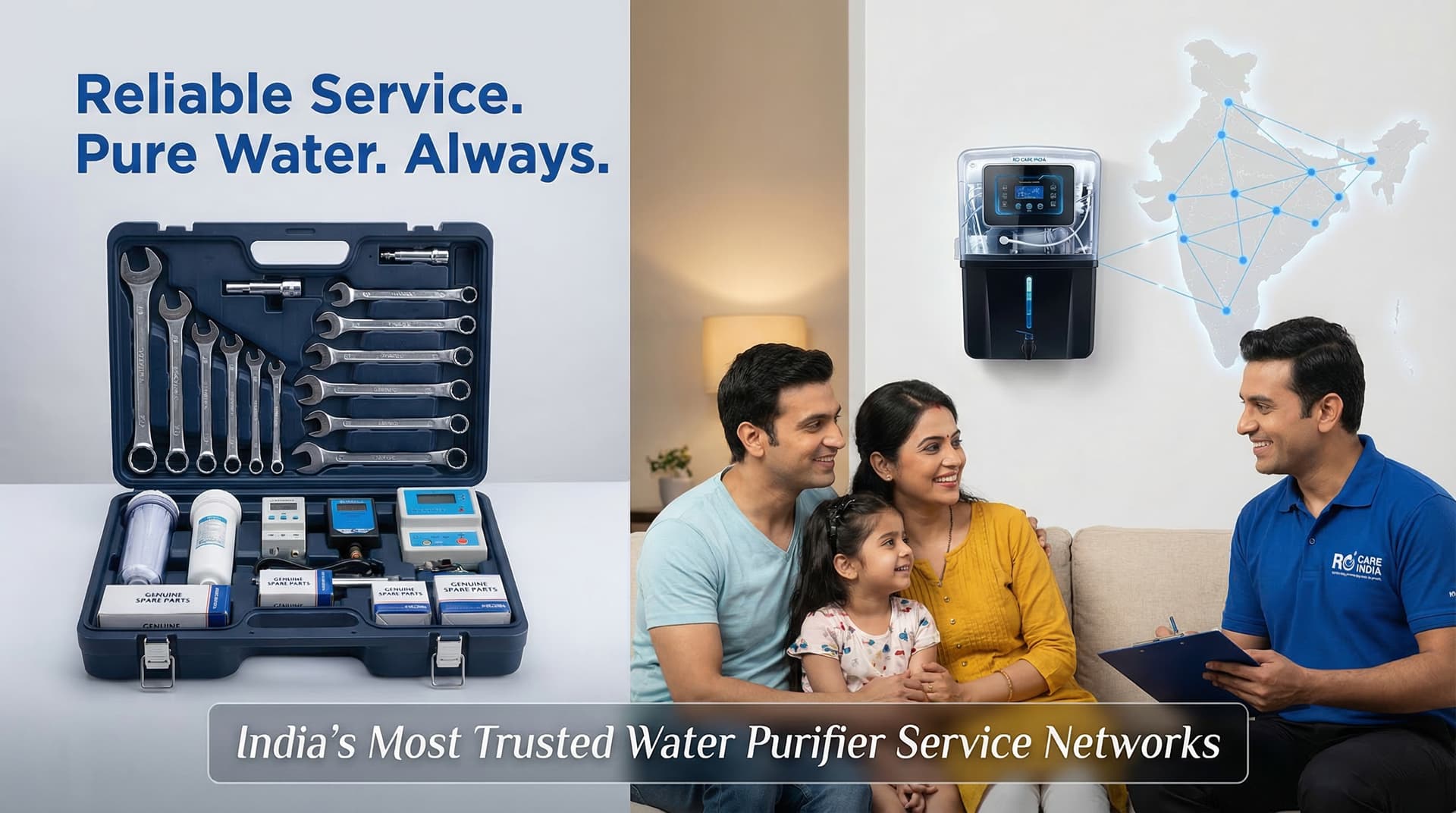
Access to clean drinking water has become a fundamental necessity in modern households, and water purification systems have evolved from luxury items to essential appliances. However, the purchase of a water purifier represents only the beginning of the customer journey. The true value of any water purification system lies not merely in its initial performance but in the sustained support that ensures its long-term functionality. As these devices contain sophisticated filtration technologies requiring periodic maintenance, filter replacements, and occasional repairs, the robustness of a manufacturer's service infrastructure becomes paramount to the overall ownership experience.
The Indian water purifier market has witnessed exponential growth over the past decade, with numerous brands establishing their presence across urban and semi-urban areas. This expansion has created a competitive landscape where product features alone no longer serve as the sole differentiator. Consumers have become increasingly discerning, recognizing that even the most advanced purification technology becomes worthless without reliable after-sales support. The ability to quickly address technical issues, ensure timely maintenance, and provide accessible customer assistance has emerged as a critical factor influencing purchasing decisions. Buy water purifier
Different manufacturers have adopted varied approaches to building their customer support ecosystems. Some have invested heavily in establishing company-owned service centers across multiple cities, while others have developed extensive networks of authorized partners and technicians. These strategic choices directly impact how customers experience service delivery, from the ease of scheduling appointments to the quality of technical expertise available in their locality. Understanding these operational models provides valuable insights into what customers can realistically expect when issues arise with their purification systems. Ro Service
The comparison between established brands and emerging service providers reveals interesting contrasts in philosophy and execution. While legacy manufacturers often leverage their decades-long market presence to maintain widespread service footprints, newer entrants and specialized service companies bring fresh approaches emphasizing responsiveness and customer-centric solutions. This dynamic has created a marketplace where consumers must evaluate not just the product specifications but also the service ecosystem that supports their investment over years of usage.
Understanding Service Network Architecture
The foundation of effective after-sales support rests on the geographical distribution of service touchpoints. Major manufacturers typically structure their networks through a combination of company-operated centers and authorized service partners. This hybrid model allows brands to maintain quality control in major metropolitan areas while extending reach into smaller towns through partnership arrangements. The density of these service points determines how quickly a technician can reach a customer's location, which becomes especially critical during emergencies such as complete system failures.
Company-owned service centers generally offer more standardized experiences, with technicians receiving direct training from the manufacturer and having immediate access to genuine spare parts. These facilities often serve as regional hubs, coordinating service requests and managing inventory for surrounding areas. The investment required to establish and maintain such centers is substantial, which explains why they tend to concentrate in high-population urban zones where customer density justifies the operational costs.
Authorized service partner networks extend coverage into areas where company-owned centers may not be economically viable. These independent operators receive certification and support from the manufacturer while maintaining their own business operations. The quality of service through this channel can vary based on the partner's commitment to training, investment in diagnostic equipment, and adherence to manufacturer standards. Effective brands maintain rigorous oversight through regular audits, mystery shopping programs, and customer feedback mechanisms to ensure consistency across their partner ecosystem.
The technological infrastructure supporting service operations has become equally important as physical presence. Modern service networks employ customer relationship management systems that track service history, predict maintenance needs, and optimize technician routing. Mobile applications and online portals enable customers to schedule appointments, track technician arrival times, and access service records. This digital layer enhances the efficiency of physical service operations and provides customers with greater transparency and control over their service interactions.
Response Time and Accessibility Factors
The speed at which service requests receive attention represents a critical metric in customer satisfaction. Response time encompasses several stages: initial acknowledgment of the service request, scheduling of the technician visit, and actual resolution of the issue. Leading manufacturers typically commit to acknowledging requests within specific timeframes, often within hours for urgent issues. However, the actual technician visit may be scheduled based on geographic location, technician availability, and the nature of the problem.
Urban areas generally experience faster response times due to higher technician density and shorter travel distances. Customers in major cities can often expect same-day or next-day service for urgent issues, while those in remote locations may wait several days for a technician to arrive. This disparity creates significant differences in ownership experiences between metropolitan and rural customers, even when purchasing from the same brand.
The accessibility of service channels also influences how easily customers can initiate support requests. Multiple contact options including phone helplines, mobile apps, websites, and social media channels provide flexibility for different customer preferences. Toll-free numbers remain the most common initial contact method, but digital channels have gained prominence among younger demographics. The efficiency of these front-end systems in capturing accurate information and routing requests to appropriate service teams directly impacts the overall resolution timeline.
Emergency support availability during non-business hours varies significantly across brands. Some manufacturers offer round-the-clock helplines for critical issues, while others restrict customer service to standard business hours. This distinction becomes important for families depending entirely on purified water for infant care or medical needs, where system failures outside normal hours can create genuine hardships.
Quality of Technical Support and Expertise
The technical competence of service personnel determines whether issues get resolved correctly on the first visit or require multiple callbacks. Manufacturers invest differently in technician training programs, with some conducting comprehensive certification courses covering product technology, troubleshooting methodologies, and customer interaction skills. Well-trained technicians can diagnose complex issues efficiently, explain problems to customers in understandable terms, and perform repairs that address root causes rather than merely symptoms.
The availability of genuine spare parts at the point of service significantly influences resolution efficiency. Technicians equipped with comprehensive spare part kits can complete most repairs during the initial visit, whereas those requiring parts to be ordered from central warehouses may need return visits after components arrive. This inventory management challenge affects customer convenience and overall service cycle times.
Diagnostic capabilities have advanced with technology integration in modern purifiers. Service personnel now often use specialized testing equipment to assess water quality parameters, measure system performance, and identify failing components. Access to such tools and the training to interpret their results elevates service quality beyond simple part replacement to genuine troubleshooting and optimization.
Customer communication throughout the service process affects satisfaction levels independent of technical resolution. Technicians who explain the nature of problems, provide maintenance recommendations, and educate users about proper operation contribute to better long-term product performance. This consultative approach transforms service visits from mere repair transactions into value-adding interactions that enhance overall ownership experience. Ro Plant service
Coverage Across Geographic Regions
The extent of service coverage across India's diverse geography reveals significant variations among manufacturers. Tier-1 cities typically enjoy comprehensive coverage from all major brands, with multiple service centers and abundant technician availability. The competitive intensity in these markets drives brands to maintain robust service infrastructure as a market differentiator.
Tier-2 and Tier-3 cities present a more varied landscape. Established manufacturers with longer market presence often maintain service capabilities developed over years, while newer entrants may have limited footprints. The decision to expand into smaller markets involves balancing potential customer base against operational costs, leading to selective coverage strategies.
Rural and remote areas face the most significant service accessibility challenges. The economics of maintaining service infrastructure in low-density populations makes comprehensive coverage difficult for any single manufacturer. Some brands address this through mobile service vans that make periodic visits to cluster villages, while others rely on local dealers who provide basic support supplemented by occasional visits from regional technicians.
Regional variations in water quality create different service demand patterns. Areas with high total dissolved solids or specific contaminants may require more frequent filter changes and membrane replacements, increasing the importance of local service availability. Brands that tailor their service infrastructure to regional requirements demonstrate understanding of these geographic nuances.
Customer Experience and Satisfaction Elements
Beyond technical resolution, the overall service experience encompasses numerous touchpoints that shape customer perception. The ease of reaching customer support, clarity of communication, adherence to promised timelines, and professionalism of technicians all contribute to satisfaction levels. Brands that excel in these softer aspects often build stronger customer loyalty regardless of occasional technical challenges.
Transparency in pricing for services and parts affects trust significantly. Customers appreciate clear information about service charges, part costs, and any additional fees before committing to repairs. Hidden charges or unexpected bills create negative experiences that damage brand reputation. Leading manufacturers provide standardized rate cards and require technicians to provide cost estimates before proceeding with non-warranty repairs.
Follow-up mechanisms after service completion demonstrate a brand's commitment to ensuring customer satisfaction. Post-service calls or automated surveys allow companies to identify issues with service delivery and take corrective action. They also provide customers with channels to escalate unresolved concerns, serving as quality control mechanisms for service operations.
The handling of warranty claims tests service network effectiveness. Efficient processing of warranty requests, without unnecessary obstacles or documentation demands, builds customer confidence. Conversely, brands that create friction in warranty servicing, questioning legitimate claims or delaying approvals, generate frustration that extends beyond individual incidents to affect overall brand perception.
Types of Service Models in the Industry
Different manufacturers have developed distinct service delivery models based on their strategic priorities and operational capabilities. Understanding these variations helps customers set appropriate expectations and make informed choices aligned with their needs.
Direct Company Service Model operates through company-owned centers and employed technicians. This approach offers maximum control over service quality, standardized training, and consistent customer experiences. The model requires substantial capital investment and ongoing operational costs, making it feasible primarily for large manufacturers with significant market share. Customers benefit from assured quality but may face higher service charges as companies seek to recover infrastructure investments.
Franchise-Based Service Networks authorize independent operators to provide services under the brand name. Franchisees receive training, spare parts access, and operational support while managing their own businesses. This model enables faster geographic expansion with lower capital requirements compared to company-owned centers. Service quality depends on franchise partner selection, training rigor, and ongoing monitoring. Customers may experience variability based on individual franchise commitment and capabilities.
Hybrid Service Ecosystems combine company-owned centers in key markets with authorized partners in secondary locations. This balanced approach allows brands to maintain direct control in important markets while achieving broader coverage through partnerships. The model's success depends on seamless coordination between different service channels and maintaining quality parity across both types of operations.
Third-Party Service Providers specialize in multi-brand support, offering services for various water purifier manufacturers. These independent operators appeal to customers seeking alternatives to brand-authorized services, often providing competitive pricing and flexible approaches. Companies like RO Care India exemplify this model, building expertise across product categories and focusing on customer-centric service delivery. While not manufacturer-authorized for warranty work, they serve a valuable role for out-of-warranty repairs and maintenance.
Brand Landscape in Water Purifier Services
The Indian water purifier market features several prominent brands, each with distinct service approaches. Doctor Fresh has established its presence through focused service quality and customer relationships. RO Care India operates as a specialized service provider offering multi-brand support with emphasis on technical expertise and customer convenience. Mannubhai Service Expert brings decades of experience in home appliance servicing, extending their capabilities to water purification systems.
Kent has built an extensive service network matching its strong market presence, with service centers across numerous cities. Aquaguard, as one of the earliest entrants in the Indian market, maintains one of the most widespread service infrastructures developed over decades of operation. Aquafresh focuses on affordability in both products and services, making purification accessible to price-sensitive segments.
Pureit emphasizes technology-backed service approaches, integrating digital tools for customer convenience. Blue Star leverages its air conditioning service infrastructure to support its water purifier business, creating synergies across product categories. LG applies its consumer electronics service expertise to water purifiers, offering customers the reliability associated with its broader home appliance ecosystem.
Each brand's service philosophy reflects its overall market positioning, from premium offerings with comprehensive support to value-focused approaches emphasizing essential services at competitive prices. This diversity allows customers to select brands aligned with their service expectations and budget considerations.
Evaluating Service Networks for Your Needs
Selecting a water purifier involves assessing not just product features but the service ecosystem supporting long-term functionality. Customers should investigate service center locations in their specific area, as proximity directly affects response times and convenience. Online research, customer reviews, and direct inquiries to manufacturers provide insights into local service availability and quality.
Understanding the warranty terms and post-warranty service costs helps in calculating total ownership expenses. Some brands offer comprehensive warranties with free service visits, while others charge for labor even during warranty periods. Clarity on filter replacement schedules, membrane lifespans, and associated costs enables accurate long-term budget planning.
Seeking recommendations from existing users in your locality provides practical insights into service experiences. Local experiences often differ from national-level brand reputations, making community feedback particularly valuable. Online forums, neighborhood groups, and social media communities offer platforms for gathering such experiential information.
Testing customer service responsiveness before purchase can reveal much about a brand's service commitment. Calling helplines with questions, visiting service centers, or using online support channels provides firsthand experience of how the company handles customer interactions. Brands demonstrating attentiveness and professionalism in pre-sales interactions typically maintain similar standards in after-sales support.
The Future of Water Purifier Service Networks
Technological evolution continues reshaping service delivery in the water purifier industry. Internet-connected smart purifiers enable remote diagnostics, allowing service teams to identify issues before customers notice problems. Predictive maintenance algorithms analyze usage patterns and component performance to schedule preventive services, potentially reducing emergency breakdowns.
Artificial intelligence applications in customer support are emerging, with chatbots handling routine inquiries and AI-powered systems optimizing technician routing for efficiency. These technologies promise faster response times and more efficient resource utilization, potentially improving service accessibility even in currently underserved areas.
The subscription model gaining traction in the industry bundles product cost with ongoing maintenance, creating integrated ownership experiences. Under these arrangements, manufacturers assume complete responsibility for system functionality, including all repairs and replacements. This approach aligns manufacturer incentives with customer satisfaction, as brands bear the costs of service inefficiencies.
Sustainability considerations are influencing service operations, with increased focus on component refurbishment, recycling programs, and extended product lifecycles. Service networks play crucial roles in these initiatives, collecting used components for proper disposal or reconditioning, contributing to environmental responsibility alongside customer support.
Conclusion
The service network supporting a water purifier represents a critical factor that extends far beyond initial product selection. Coverage areas, response capabilities, technical expertise, and customer-focused operations collectively determine the ownership experience over years of daily use. While product specifications and pricing naturally attract initial attention, the quality and accessibility of after-sales support ultimately define satisfaction and brand loyalty.
Significant variations exist across manufacturers in their service philosophies and infrastructure investments. Established brands leverage extensive networks built over decades, while specialized service providers bring customer-centric approaches and multi-brand expertise. Understanding these differences empowers consumers to make choices aligned with their specific circumstances, priorities, and geographic locations.
The evolution toward technology-enabled service delivery promises improvements in efficiency, predictive capabilities, and customer convenience. However, the fundamental importance of skilled technicians, genuine parts availability, and responsive customer support will remain central to service excellence regardless of technological advances.
Ultimately, selecting a water purifier should involve equal consideration of the product itself and the service ecosystem supporting it. Thorough research into local service availability, existing customer experiences, and brand commitments to after-sales support ensures that the investment in clean water continues delivering value throughout the product's operational life.
FAQ
Q - How important is the service network when choosing a water purifier compared to product features?
A - The service network is equally critical as product features for long-term satisfaction. While advanced filtration technology ensures initial water quality, water purifiers require periodic maintenance, filter replacements, and occasional repairs to maintain performance. Without reliable after-sales support, even the most sophisticated purification system becomes ineffective. Consumers should evaluate both the technical specifications and the accessibility of service centers in their locality, as proximity directly impacts response times during emergencies and the overall convenience of scheduled maintenance visits.
Q - What are the main differences between company-owned service centers and authorized partner networks?
A - Company-owned service centers typically provide more standardized experiences with directly trained technicians who have immediate access to genuine spare parts and consistent quality control. Authorized partner networks extend coverage to areas where company-owned centers aren't economically viable, allowing broader geographic reach but with potential quality variations depending on individual partner commitment. The hybrid model combining both approaches offers quality assurance in major cities while providing accessibility in smaller towns, though customers should verify which type of service operates in their specific area before purchasing.
Q - Why do customers in urban areas generally receive faster service than those in rural locations?
A - Urban areas benefit from higher technician density, shorter travel distances, and greater customer concentration that justifies maintaining robust service infrastructure. Metropolitan customers often experience same-day or next-day service for urgent issues, while rural customers may wait several days due to lower service point density and longer travel requirements. The economics of maintaining service operations in low-population areas makes comprehensive coverage challenging, leading some manufacturers to use mobile service vans for periodic visits or rely on local dealers for basic support supplemented by regional technicians.
Q - What should consumers check about service networks before purchasing a water purifier?
A - Consumers should investigate service center locations in their specific area through online research and direct manufacturer inquiries, as local availability directly affects convenience and response times. Understanding warranty terms, post-warranty service costs, filter replacement schedules, and membrane lifespans enables accurate total ownership cost calculation. Seeking recommendations from existing users in the same locality provides practical insights, as service experiences often vary by region despite national brand reputations. Testing customer service responsiveness through pre-purchase interactions with helplines or service centers reveals the company's commitment to customer support.
Call to Action
Choosing the right water purifier extends beyond comparing filtration technologies—understanding the service infrastructure that will support your investment for years to come is equally crucial. Explore detailed service center locations in your area, read verified customer reviews about actual response times, and compare warranty terms across brands to make an informed decision. Stay updated on emerging service technologies and subscription models that are reshaping water purifier ownership experiences in India.