
My RO Purifier Stop Working Suddenly in Mumbai: How to fix it?
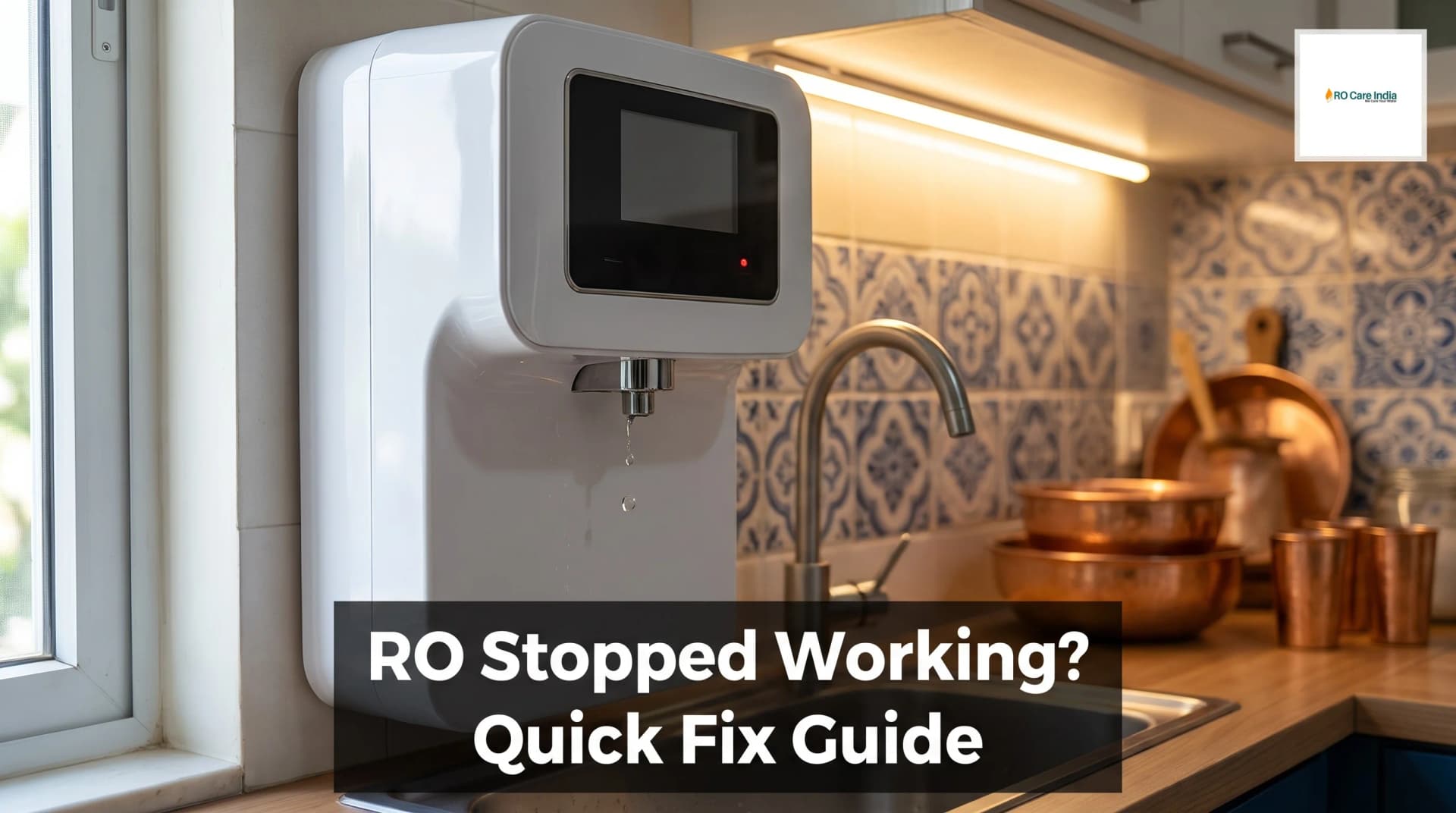
My RO Purifier Stop Working Suddenly in Mumbai: How to fix it?
There's nothing more frustrating than turning on your water purifier for a glass of clean drinking water and finding it completely unresponsive. When your RO purifier stops working suddenly in Mumbai, it can disrupt your entire household's daily routine. The coastal climate, water quality variations, and power fluctuations in Mumbai create unique challenges for RO systems that many residents face regularly. If you're searching for RO service near me in Mumbai right now, you're not alone—thousands of Mumbaikars deal with sudden RO breakdowns every month.
Understanding why your RO system stopped working is the first step toward getting it fixed quickly. Mumbai's hard water, containing high TDS levels and dissolved salts from both municipal and borewell sources, puts extra strain on purification systems. Combined with frequent power cuts in certain areas and voltage fluctuations during monsoon season, your RO purifier faces daily operational challenges that can lead to unexpected shutdowns. Whether you live in South Mumbai, the suburbs, or the extended metropolitan region, knowing how to troubleshoot and when to call professional help can save you time and money.
Before panicking and immediately calling a technician, there are several simple checks you can perform yourself. Many RO issues have straightforward solutions that don't require professional intervention. However, knowing when DIY troubleshooting ends and professional service begins is crucial to avoid damaging your system further. This guide will walk you through systematic troubleshooting steps, help you identify common problems, and show you how to find reliable service support in Mumbai.
The good news is that most sudden RO stoppages are fixable, and in many cases, the solution is simpler than you think. From checking power connections to understanding filter clogging signs, we'll cover everything you need to know to get your water purifier running again. We'll also help you locate the right RO customer care number mumbai and identify authorized service centers for professional assistance when needed.
Common Reasons Why RO Purifiers Stop Working Suddenly
Understanding the root cause of your RO purifier's sudden failure helps you determine whether it's a quick fix or requires professional attention. In Mumbai's unique environment, several factors commonly contribute to unexpected system shutdowns.
Power Supply Issues
The most overlooked cause of RO failure is electrical problems. Check if your purifier is receiving power by verifying the power indicator light. Mumbai experiences voltage fluctuations, especially during peak hours and monsoon season, which can trip the internal fuse or circuit breaker. Inspect the power cord for any visible damage, ensure the plug is firmly inserted into the socket, and check if other appliances on the same circuit are working. If you've recently experienced a power surge or outage, the system's transformer might have been affected. Many modern RO systems have built-in voltage protection that automatically shuts down the unit when voltage drops below or rises above safe levels.
Clogged Filters and Membranes
Mumbai's water supply, whether from BMC lines or private borewells, contains varying levels of sediment, chlorine, and dissolved solids that gradually clog filters. Pre-filters typically last 6-8 months, while the RO membrane can function for 2-3 years under normal conditions, but Mumbai's water quality often reduces these lifespans. When filters become excessively clogged, water flow reduces to a trickle or stops completely. The system's low-pressure switch detects insufficient water pressure and automatically shuts down to prevent membrane damage. Sediment buildup is particularly problematic during monsoon months when municipal water contains higher particulate matter.
Water Pressure Problems
RO systems require minimum inlet water pressure between 40-60 PSI to function properly. Mumbai's water supply pressure varies significantly across different areas and times of day. Ground floor apartments and areas with water supplied through building tanks often experience low pressure. If your building uses a booster pump that's malfunctioning or if the main water supply has reduced pressure, your RO system will stop working. The pressure switch inside your RO prevents operation when incoming water pressure is insufficient, protecting the pump from running dry and burning out.
Storage Tank Issues
Your RO purifier stops producing water once the storage tank is full, which is normal operation. However, if the automatic shut-off valve malfunctions, it might incorrectly signal that the tank is full when it's actually empty. Air pressure inside the storage tank should be maintained at 5-7 PSI for proper water dispensing. Loss of air pressure makes the tank appear full to the system's sensors, causing it to shut down prematurely. Additionally, if the tank's internal bladder develops a leak, water won't dispense properly even though purification continues.
Step-by-Step Troubleshooting Guide
Before reaching out to a ro service center mumbai, follow these systematic troubleshooting steps to potentially resolve the issue yourself and understand what information service technicians will need.
Initial Checks You Can Perform
Start by switching off the power supply and unplugging your RO system for 2-3 minutes. This simple reset often resolves electronic glitches caused by power fluctuations. Check all visible connections—water inlet pipes, drain pipes, and the pure water outlet. Look for any signs of leakage around fittings, which could indicate loose connections affecting system pressure. Open your storage tank's tap fully and check if any water flows out. If water flows normally, the purification system might be working fine but experiencing a delay in refilling the tank.
Examine the reject water outlet during operation. If no reject water is draining, it indicates the RO membrane isn't processing water, pointing to pressure issues or complete system shutdown. Listen carefully for any sounds when the system should be operating—the booster pump makes a distinct humming noise. No sound suggests electrical problems, while unusual grinding or loud noises indicate pump issues requiring professional attention.
Checking Power and Electrical Connections
Verify that the power socket is functioning by plugging in another device. Check your home's main electrical panel for any tripped breakers. Many RO systems have a small fuse near the electrical connection point—locate and inspect it for signs of burning or breakage. If you're comfortable doing so, use a multimeter to check if power is reaching the system's input terminals. Mumbai's coastal humidity can cause corrosion on electrical contacts, so look for any green or white deposits on connections that might be preventing proper electrical contact.
Some RO systems have an external power adapter or SMPS (switched-mode power supply). Check if the adapter's indicator light is on. Feel the adapter after it's been plugged in for a few minutes—it should be slightly warm but not excessively hot. An overheated adapter indicates internal failure requiring replacement.
Filter and Membrane Inspection
While you shouldn't attempt to clean or replace filters without proper knowledge, you can perform visual inspections. If your system has transparent filter housings, check for visible discoloration or sediment buildup. Dark brown or black deposits on pre-filters indicate heavy sediment load. If you can access the system's service panel, check when filters were last replaced. Write down the installation dates if visible on the filters—most have stickers indicating replacement dates.
The RO membrane housing is typically opaque, but if water isn't being produced and you've confirmed power and water supply are adequate, membrane clogging or failure is likely. This requires professional service, but knowing the membrane's age helps technicians diagnose faster. In Mumbai, where TDS levels in some areas exceed 1000 ppm, membranes deteriorate faster than in areas with softer water.
Water Pressure Testing
Turn off your RO system and open the inlet water connection slightly. If water flows weakly from this point, your building's water pressure is insufficient. Contact your building maintenance or consider installing a pressure booster pump. Many Mumbai apartments, particularly in older buildings or higher floors, face chronic low-pressure issues that make RO operation challenging.
Check if your building's overhead tank is full and functioning properly. In many Mumbai housing societies, water pressure depends entirely on tank levels and pump operation. If you have a direct municipal connection without intermediate storage, water pressure varies throughout the day, being lowest during peak morning and evening hours when neighborhood consumption is highest.
When to Call Professional RO Service
While DIY troubleshooting solves many minor issues, certain situations demand professional expertise. Knowing when to seek help prevents further damage and ensures your water purifier is repaired correctly.
Signs You Need Professional Help
If your RO system shows error codes on its display panel, note them down before calling for service—these codes help technicians diagnose problems quickly. Continuous water leakage that doesn't stop even after tightening connections indicates internal component failure. Unusual noises like grinding, squealing, or clicking sounds from the pump suggest mechanical failure requiring replacement. When you notice extremely slow water production—less than a quarter tank in 2-3 hours—the pump or membrane needs professional attention.
Water quality issues are another red flag requiring immediate service. If purified water tastes salty, has an odor, or leaves residue in glasses, the RO membrane is likely compromised. This is a critical issue because you're essentially drinking inadequately purified water. Electrical problems showing sparks, burning smell, or repeated fuse blowing are dangerous and require immediate professional intervention. Never attempt to repair electrical components yourself as this poses safety risks and might void your warranty.
Finding Reliable RO Service in Mumbai
Mumbai's vast service network makes finding help easier, but choosing the right service provider is crucial. When searching for reliable repair solutions, prioritize authorized service centers associated with your purifier's brand. These centers have trained technicians, genuine spare parts, and valid warranties on repairs. Check online reviews and ratings, particularly on platforms where customers share recent experiences. Local community groups and housing society forums often have recommendations for reliable technicians who serve specific Mumbai neighborhoods.
Emergency service availability matters, especially when you have no alternative water source. Some service providers offer same-day or 24-hour emergency response, though these typically cost more. Compare service charges—standard visits range from Rs. 300-500 for inspection in Mumbai, with additional costs for parts and labor. Beware of technicians who immediately recommend expensive replacements without proper diagnosis, as some operate on commission-based models.
What to Expect During Service Visits
Professional technicians typically start with comprehensive diagnostics using pressure gauges, TDS meters, and flow rate measurements. They'll check each component systematically—power supply, inlet water quality and pressure, all filters and membrane, storage tank pressure, and electronic controls. Expect the technician to test water quality before and after repairs to ensure proper functioning. Genuine service providers always provide detailed bills listing parts replaced, labor charges, and warranty terms.
Most routine repairs take 45-90 minutes, including filter replacements and minor component repairs. Major repairs involving pump replacement or electronic board repairs might require taking components to the service center. Always ask for replaced parts to be shown to you, ensuring they were actually changed and not just "serviced." After repairs, run the system for a few minutes while the technician is present to verify everything works correctly.
Essential Contact Information and Resources
| Service Type | Average Cost Range | Typical Response Time |
|---|---|---|
| Basic inspection visit | Rs. 300-500 | 24-48 hours |
| Filter replacement (single) | Rs. 450-800 | Same day |
| Complete filter set replacement | Rs. 2,500-4,500 | Same day |
| RO membrane replacement | Rs. 2,000-3,500 | 1-2 days |
| Pump replacement | Rs. 1,800-3,000 | 1-2 days |
| Complete service (all filters + membrane) | Rs. 4,500-6,500 | 1-2 days |
| Emergency same-day service | Additional Rs. 300-500 | Within 6 hours |
When you need to contact customer support, have your purifier's model number, purchase date, and warranty card ready. Many manufacturers provide multiple contact options including toll-free numbers, WhatsApp support, and mobile apps for service booking. Major brands typically operate dedicated customer care centers in Mumbai's key areas including Andheri, Borivali, Thane, Navi Mumbai, and Colaba.
Keep a service log noting all maintenance dates, filter replacements, and technician visits. This documentation helps track your system's performance pattern and proves valuable for warranty claims. Create a file with warranty cards, purchase receipts, and instruction manuals in one place for easy access during emergencies.
Preventive Maintenance Tips for Mumbai Conditions
Prevention is always better than dealing with sudden breakdowns. Mumbai's unique environmental conditions require specific maintenance approaches to keep your RO running smoothly.
Regular filter replacements according to your water quality and usage volume are non-negotiable. In areas with TDS above 500 ppm, pre-filters need replacement every 4-6 months instead of the standard 8-12 months. Keep the purifier's exterior and surrounding area clean, as Mumbai's humidity encourages mold growth. Wipe down the unit weekly and ensure good ventilation around it.
Install a voltage stabilizer if your area experiences frequent power fluctuations. This Rs. 800-1,200 investment protects your RO's electronic components and pump from voltage damage, which is particularly common during Mumbai's monsoon season when lightning and power surges increase. If you're in a low-pressure area, consider a booster pump installation—many authorized service centers offer this as an add-on service costing Rs. 3,000-5,000.
Schedule annual maintenance even if your system appears to be working fine. Comprehensive annual servicing costs Rs. 1,500-2,500 and includes sanitization, all consumable replacements, and performance testing. This preventive approach extends your RO's lifespan from the typical 5-7 years to 8-10 years, making it cost-effective long-term.
Monitor your water's TDS levels monthly using an inexpensive TDS meter (Rs. 200-400). Input TDS above 1000 ppm or output TDS above 50 ppm indicates membrane degradation requiring attention before complete failure. Keep the storage tank drain valve clear by opening it monthly to flush out any sediment accumulation at the tank bottom.
Understanding Your RO System Components
| Component | Function | Typical Lifespan | Replacement Cost (Mumbai) |
|---|---|---|---|
| Sediment filter | Removes visible particles | 6-8 months | Rs. 300-500 |
| Pre-carbon filter | Removes chlorine, odor | 8-12 months | Rs. 400-650 |
| RO membrane | Removes dissolved solids | 2-3 years | Rs. 2,000-3,500 |
| Post-carbon filter | Final taste enhancement | 12-18 months | Rs. 450-700 |
| UV lamp (if applicable) | Kills bacteria, viruses | 12 months | Rs. 800-1,200 |
| Booster pump | Increases water pressure | 3-5 years | Rs. 1,800-3,000 |
| Storage tank | Stores purified water | 5-7 years | Rs. 1,500-2,500 |