
Pathankot's water supply comes largely from canal sources and municipal networks fed by the Ravi River system. This means households in the city and surrounding areas often deal with water that carries seasonal sediment, higher mineral content, and varying TDS levels throughout the year. An RO purifier works hard here — harder than in cities with softer water — and that extra load makes routine maintenance not just helpful but essential.
When your Eureka Forbes unit runs continuously against Pathankot's water conditions, filters clog faster, membranes lose efficiency sooner, and internal components wear at a quicker pace. Understanding how local water affects your purifier's performance, and keeping up with service schedules, is what separates a unit that runs trouble-free for five years from one that breaks down repeatedly.
Select Service


.webp&w=256&q=75)
Everything you need to know
The water entering most Pathankot homes carries dissolved minerals typical of Punjabi agricultural regions. While municipal treatment removes the most obvious contaminants, the residual hardness and TDS — total dissolved solids — remain higher than ideal for untreated RO systems. This isn't a fault of your purifier; it's the reality of local water chemistry.
What it means in practice: your sediment pre-filters accumulate sediment buildup more quickly than they would in areas with naturally softer water. The RO membrane faces sustained pressure from mineral-laden water, which accelerates its degradation. The post-filtration stages work overtime to polish water that passes through the membrane. None of these issues can be prevented entirely, but they can be managed through knowing your water source and scheduling service accordingly.
Homes drawing water from borewells in Pathankot's outskirts face even steeper challenges, since borewell water typically contains higher suspended solids and mineral concentration than canal-fed municipal supply. If that describes your situation, Eureka Forbes service intervals should be more frequent than the standard manufacturer recommendations.
Pathankot experiences distinct seasonal water quality shifts that affect how often your purifier needs attention.
Monsoon months bring turbidity spikes as monsoon runoff and increased canal flow stir up sediment. Pre-filters become clogged more rapidly during this window, and water flow to your tap may noticeably slow. Scheduling a preventive service visit in late June or early July, before the peak rains, protects your unit from strain.
Winter scaling is less severe in Pathankot than in some northwestern regions, but it still occurs. As temperatures drop, mineral precipitation inside pipes and the RO unit itself accelerates slightly, which can affect membrane efficiency if ignored. A service check in November catches early scaling before it restricts water flow.
Summer demand stretches both the municipal system and your purifier. Lower water pressure and higher TDS during peak summer months make filters work harder. If you've had trouble with slow output in May or June in previous years, booking service in April gives your unit a fresh start before summer peaks.
Some purifier problems signal that waiting for a convenient time slot will make things worse:
For these situations, calling for same-day or next-day service is worth the cost — continuing to drink untreated or poorly treated water is riskier than the inconvenience of downtime.
Homeowners in Pathankot often ask whether service will be expensive. The answer depends on several factors specific to your situation:
What actually needs replacement. A routine filter change costs significantly less than a membrane replacement, and a membrane replacement costs less than a pump repair. A technician should inspect the unit before proposing work and give you a written estimate for approval.
How long since your last service. A unit serviced consistently every six months typically needs only filter changes. A unit neglected for a year or longer may require additional cleaning, tank sanitization, or parts inspection, raising the overall visit cost.
Water source and local hardness. Borewell users and those on high-mineral canal water often face steeper filter costs because the filters wear faster. This is a legitimate part of the bill, not a markup.
Model age and availability of parts. Older Eureka Forbes models sometimes use discontinued filter sizes or components. A technician may need to source compatible aftermarket filters, which occasionally costs more than OEM parts but is still far cheaper than unit replacement.
Travel distance.** Some service providers charge differently for areas at the city's edge or in outlying colonies. Know whether your locality falls into a standard or extended service radius.
Always ask for an itemized estimate that breaks visit charges, parts, and labor separately. This transparency helps you understand the bill and identify areas where you might ask questions.
An AMC plan commits you to regular servicing — typically two to four visits per year — at a bundled annual cost. For Pathankot's water conditions, this often works out cheaper than paying for repairs as they arise.
How AMC plans usually work: You pay a fixed yearly fee. The provider schedules routine visits on a set calendar (for example, every three months), replaces filters according to a maintenance plan, and handles minor repairs at no extra cost. If a major component like the pump fails, you may pay a reduced charge or the cost is shared with you and the provider, depending on the plan tier.
When an AMC becomes financially smart: If you've already had two or more service calls in a year, the cost of an AMC plan for the next year is usually lower than continuing to pay per visit. If you live on a borewell or high-TDS water source, the extra wear means more frequent service anyway, so bundling it in an AMC removes billing surprises.
When an AMC might not fit your household: If your purifier is brand new and still under the manufacturer warranty, the warranty often covers filter changes and repairs, making an AMC redundant. Similarly, a household with very light water consumption — a single person or a couple using the purifier only for drinking and cooking — may go years without major service, so an AMC isn't cost-effective.
Before signing any AMC agreement, clarify what's included: does it cover all filter types, or only selected stages? Are parts like the storage tank and fittings covered, or only internal filtration components? A plan that sounds cheaper but excludes common repairs won't save you money in the long run.
Standard manufacturer guidelines suggest filter replacement every six to twelve months. In Pathankot, with harder and more mineral-laden water, you should typically replace filters on the faster end of that range:
These intervals are guidelines, not gospel. Your actual schedule depends on daily water consumption, your source, and what your TDS meter tells you. A technician reviewing your unit can recommend a replacement schedule tailored to your household.
When you need service, you have options. Eureka Forbes operates an official customer care network, and trained independent technicians also service these units across Pathankot. Each path has trade-offs:
Official Eureka Forbes support: Ideal for warranty work, product registration issues, and complaints about unit defects. Call customer care to log these requests. For routine maintenance, though, official channels sometimes have longer wait times during peak seasons.
Certified independent technicians: Usually available faster for non-warranty work like filter changes and minor repairs. They often operate at lower overhead and can book same-day visits. The best ones maintain detailed service records and can advise on your specific water conditions.
Regardless of which you choose, verify that the technician carries genuine Eureka Forbes filters or high-quality compatible alternatives. Low-cost, poor-quality filters save money upfront but fail faster and let contaminants through.
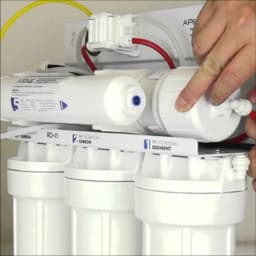
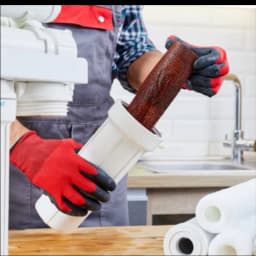
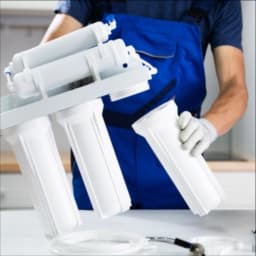
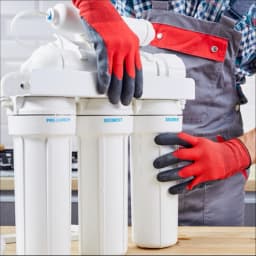
A thorough Eureka Forbes service follows a sequence designed to catch problems early and ensure clean output:
A service visit usually takes 45 minutes to 90 minutes, depending on how much cleaning or part replacement is needed. During this time, ask questions about filter life, water quality trends, or maintenance tips. A good technician welcomes these conversations and uses them to help you avoid future problems.
Professional service is important, but what you do on your own between visits matters too. A few practical habits extend your purifier's life and reduce unexpected failures:
At some point, repair costs exceed the value of continuing with an aging purifier. This crossroads often comes into view in Pathankot around the fifth or sixth year of heavy use, especially for units servicing a large household on borewell water.
Replacing makes more sense than repairing if the pump has failed — pump replacement costs approach 30–40% of a new unit's price. Similarly, if the RO membrane housing has cracked or the storage tank has bacterial contamination you can't resolve, replacement of these major components can exceed the cost of a newer, more efficient model.
A technician who's serviced your unit for years can advise honestly on whether a repair is a one-time fix or the start of a cascade of failures. Before committing to a large repair bill, ask directly: "Is this unit likely to run reliably for another 2–3 years, or am I investing in a temporary fix?"
What makes us different
Pathankot's water supply comes largely from canal sources and municipal networks fed by the Ravi River system. This means households in the city and surrounding areas often deal with water that carries seasonal sediment, higher mineral content, and varying TDS levels throughout the year. An RO purifier works hard here — harder than in cities with softer water — and that extra load makes routine maintenance not just helpful but essential.
When your Eureka Forbes unit runs continuously against Pathankot's water conditions, filters clog faster, membranes lose efficiency sooner, and internal components wear at a quicker pace. Understanding how local water affects your purifier's performance, and keeping up with service schedules, is what separates a unit that runs trouble-free for five years from one that breaks down repeatedly.
Step-by-step guidance
Don't wait! Get the at the most competitive rates. Contact rocareindia today for a free consultation and quote.
Real repairs · Real customers · Real results

Verified Professionals

Work Assurance

On-Time Support

Covid-19 Safety
Find answers to common questions about our services
Find our nearby franchise stores in your city
Pure water, delivered.