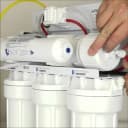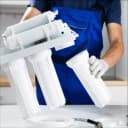
Ludhiana's water supply presents a distinct set of challenges for RO users. The combination of municipal water drawn from the Sutlej basin and widespread borewell usage means your household is likely dealing with elevated TDS levels and mineral hardness that puts extra pressure on filtration systems. An Eureka Forbes purifier handles this load well when maintained properly, but the harder water means filters get saturated faster and membranes face accelerated wear compared to cities with softer water sources.
If your purifier is slowing down, developing unusual tastes, or your family members are noticing white deposits around taps and fixtures, you're seeing the direct result of Punjab's mineral-heavy water interacting with filters that need replacement or deeper cleaning. Regular servicing isn't optional in Ludhiana — it's the difference between safe, fresh drinking water and a unit that slowly loses its ability to protect your family.
Select Service

.webp&w=256&q=75)
Everything you need to know
The Sutlej provides the bulk of Ludhiana's municipal supply, but this source carries a high dissolved solids load year-round. Summer months amplify the problem as water levels drop and mineral concentration rises. Many Ludhiana residents also rely on private borewells, which often have even higher TDS readings — sometimes exceeding 1500 ppm in areas like Dugri and the industrial belt. When your RO membrane is working to filter water with TDS this high, the unit expends far more effort than it would in a city with naturally softer groundwater. Over time, this extra workload degrades internal components faster than the manufacturer's standard service recommendations account for.
This is why a technician who understands Ludhiana's specific water conditions is valuable. They know which filters need changing more frequently here, how to check for mineral scaling inside the system, and what maintenance schedule makes sense for someone drawing borewell water versus municipal supply.
Unlike a purifier that breaks down suddenly, the ones serving hard-water regions often give early warnings. Learning to spot these signs helps you call a technician before the system fails entirely:
The sooner you spot these symptoms, the more likely a simple filter replacement will restore full function. Ignoring them risks damaging the RO membrane or pump, which costs significantly more to replace than preventive maintenance.
Manufacturers design standard service intervals based on average water conditions across India. In Ludhiana, those intervals need adjustment. Here's a practical timeline for households here:
If you use municipal water: The pre-filter should be checked every 3 to 4 months instead of the standard 4 to 6 months. The carbon filter typically lasts 5 to 7 months due to mineral load, and the RO membrane needs replacement every 12 to 18 months — significantly less than the 24-month life you might see in softer-water cities. Most Ludhiana residents benefit from having service done every quarter rather than semi-annually.
If you rely on borewell water: Expect to replace the pre-filter every 2 to 3 months, carbon filters every 4 to 5 months, and RO membranes every 10 to 12 months. The extra mineral content demands this more aggressive schedule. Many households running borewells find that an AMC plan specifically designed for high-TDS water saves money and hassle.
Skipping or delaying service beyond these intervals creates a domino effect: a clogged pre-filter forces the pump to work harder, which stresses the RO membrane, which degrades faster, which eventually contaminates the water you thought the purifier was protecting. In a city like Ludhiana where borewell salinity is a real concern, staying ahead of the maintenance schedule is far cheaper than dealing with a system failure.
A single service visit typically involves a diagnostic, component inspection, and replacement of filters or parts that have worn out. The cost structure usually breaks down as follows:
Visit charge: A technician's travel and time to your location generally falls in a range depending on your neighborhood. Central Ludhiana areas may have lower travel time than outlying industrial areas or villages like Kairon or Paras.
Filter and parts cost: This is where the bulk of expense lies. A sediment pre-filter costs one amount, a carbon filter another, and an RO membrane replacement is the most expensive component. If you're running high-TDS borewell water, the membrane cost becomes significant because you're replacing them more frequently. In Ludhiana, sourcing quality filters suited to hard water is important — cheap filters won't protect your family the way a properly rated filter does.
Labor and cleaning: Beyond just replacing parts, thorough service includes cleaning mineral deposits inside the system, disinfecting the storage tank, and checking connections. This extra work prevents bacterial growth that can occur in storage tanks if mineral-laden water sits idle.
A rough estimate helps you evaluate whether a quote seems reasonable, but the most reliable approach is to get a written breakdown before work begins. This should itemize the visit charge, parts required, labor, and any follow-up inspections. Transparent pricing protects you and helps you budget for ongoing maintenance.
An Annual Maintenance Contract can work particularly well for Ludhiana households because it accounts for the region's higher service frequency. Instead of paying separately each time a filter needs changing — which happens more often in hard-water areas — an AMC consolidates these costs into a predictable annual fee.
Before enrolling, ask whether the plan covers both municipal and borewell scenarios — some providers offer tiered AMC options depending on your water source. This flexibility matters in Ludhiana because neighborhood water profiles can vary significantly. A family on municipal supply in Phase V might have different needs than one in Samrala pulling from a borewell.
The filters inside an Eureka Forbes unit aren't all equally affected by hard water. Understanding which ones degrade fastest in Ludhiana helps you budget and stay proactive:
Sediment pre-filter (first stage): This catches rust, sand, clay, and mineral particles from both municipal and borewell sources. In Ludhiana, especially during monsoon overflow or after maintenance work on municipal lines, sediment loads spike temporarily. These filters often need replacing every 2 to 3 months rather than the 4 to 6 month standard. Using a clogged pre-filter forces water backward into the system, which can crack the housing — a costly mistake.
Carbon filter (second stage): Removes chlorine from municipal supply and odors that sometimes develop from mineral buildup. In hard-water cities, carbon filters saturate faster because they're working to improve water quality that's already heavily mineralized. Expect replacement every 4 to 5 months. A worn carbon stage won't prevent odor or off-taste, and skipping this replacement defeats the purpose of having a purifier.
RO membrane (third stage): This is the heart of the system and the component most stressed by Ludhiana's TDS levels. Where a softer-water city might get 24 months from a membrane, you should plan for 12 to 18 months here. Some households with very high TDS borewell water need replacement every 10 to 12 months. The membrane cost is significant, which is why staying on schedule prevents the compound damage of running an exhausted membrane.
Post-carbon filter (final stage): Often overlooked, this polishes the water just before it reaches your glass. In hard-water regions it can develop mineral crystallization inside, which reduces flow and defeats the polishing effect. Annual replacement keeps the final output quality consistent.
Procrastinating on filter replacement is the single biggest reason purifiers fail to deliver the water quality families expect. Set a phone reminder based on the exact date of your last service, and contact your technician when that date approaches. This habit alone extends your purifier's lifespan and keeps your family drinking truly safe water.
Finding reliable service has gotten easier with online search and reviews, but a few practical points help you choose wisely:
Response time and location matter: A technician based or operating in your industrial area, residential pocket, or agricultural zone can usually reach you the same day or next day. Ludhiana spans from congested central zones to spread-out suburbs, so proximity affects wait time significantly. During peak seasons like March-April or October-November when water demand peaks, response times stretch — booking early helps.
Experience with hard-water service: Not all Eureka Forbes technicians are equally familiar with serving high-TDS regions. Ask whether the technician regularly services borewell-fed units or has handled mineral-scale issues inside storage tanks. Someone who has worked in Ludhiana knows what to look for and how to adjust maintenance for your specific water source.
Spare parts inventory: Good technicians carry quality filters and membranes suited to hard-water systems, rather than generic replacements that may not last as long. Inquire whether they stock membranes appropriate for Ludhiana's TDS range and whether they can handle urgent replacements if a key component fails outside regular service hours.
Written records: A trustworthy provider documents what was replaced, when the unit was serviced, and when the next maintenance is due. This paper trail protects both you and the technician and helps you stay organized about filter life across your household's purifiers.
Most Eureka Forbes purifiers come with a manufacturer warranty that covers defects and faulty components for a defined period. However, warranty coverage depends on proper maintenance — skipping scheduled service can void your protection. In Ludhiana, where water conditions demand more frequent attention, staying current with servicing is essential to maintain warranty validity.
If your purifier is still within warranty and develops a problem, contact Eureka Forbes customer care to determine whether the issue qualifies for covered repair. For post-warranty repairs or routine maintenance, an independent technician specializing in Eureka Forbes systems often provides faster response and more flexible scheduling than official channels, especially for filter replacements and non-defect issues.
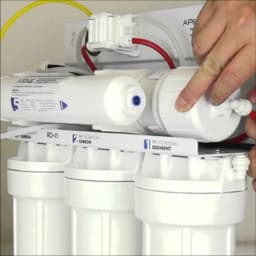
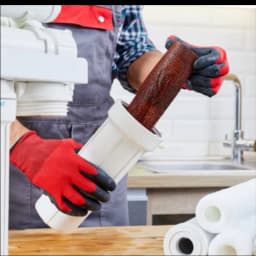
Knowing the process helps you verify the technician is doing thorough work rather than just swapping a filter and leaving:
A service visit typically takes 45 minutes to 1.5 hours depending on how much cleaning and replacement is needed. In Ludhiana, especially if the tank requires deep cleaning due to mineral accumulation, the time may extend slightly.
Simple maintenance habits reduce repair emergencies and extend the intervals between major service calls:
Monitor water flow daily. Get familiar with how long it takes to fill a glass under normal conditions. A gradual slowdown signals that filters are clogging, which gives you time to schedule service before complete blockage occurs.
Note the color and taste of your water. Sudden changes — brownish tint, metallic taste, or unusual smell — warrant a service call rather than waiting for scheduled maintenance. These changes often indicate a filter has failed or mineral buildup inside the system has begun.
Check the storage tank area for leaks. Even small drips should be inspected, as they often escalate into larger problems. Moisture around fittings or the tank base can also signal internal pressure issues developing.
Avoid running the purifier continuously without output. If water stops flowing or the tank is full, turn off the unit. Running it dry or against back-pressure stresses the pump and membrane unnecessarily.
Keep the surrounding space clean. Dust and debris around the unit can be drawn into inlet connections if seals loosen. Periodically wipe the exterior and check that all visible connectors are tight.
Record your service dates. Write the date of each service visit where you can find it quickly. This prevents losing track of filter life and helps you recognize if service is overdue.
What makes us different
Ludhiana's water supply presents a distinct set of challenges for RO users. The combination of municipal water drawn from the Sutlej basin and widespread borewell usage means your household is likely dealing with elevated TDS levels and mineral hardness that puts extra pressure on filtration systems. An Eureka Forbes purifier handles this load well when maintained properly, but the harder water means filters get saturated faster and membranes face accelerated wear compared to cities with softer water sources.
If your purifier is slowing down, developing unusual tastes, or your family members are noticing white deposits around taps and fixtures, you're seeing the direct result of Punjab's mineral-heavy water interacting with filters that need replacement or deeper cleaning. Regular servicing isn't optional in Ludhiana — it's the difference between safe, fresh drinking water and a unit that slowly loses its ability to protect your family.
Step-by-step guidance
Don't wait! Get the at the most competitive rates. Contact rocareindia today for a free consultation and quote.
Real repairs · Real customers · Real results

Verified Professionals

Work Assurance

On-Time Support

Covid-19 Safety
Find answers to common questions about our services
Find our nearby franchise stores in your city
Pure water, delivered.