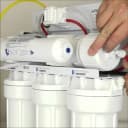
Kodagu sits at altitude in the Western Ghats, where rainfall is heavy and water sources range widely—from managed municipal supply in town areas to private borewells and natural springs in plantation regions. This geographical variety means the water reaching your Eureka Forbes purifier carries different challenges depending on your exact location. High turbidity during monsoon months, variable mineral content from seasonal groundwater fluctuations, and the fine sediment typical of hill-station water all accelerate filter wear compared to plains regions.
An Eureka Forbes RO unit working in these conditions needs more frequent attention than the same model might require elsewhere. Skipping scheduled service in Kodagu doesn't just reduce filtration efficiency—it can lead to internal sediment buildup that damages the membrane and pump far faster than expected. This guide covers what you actually need to know about servicing your purifier here, from spotting seasonal warning signs to choosing the right maintenance rhythm for the local water supply.
Select Service


.webp&w=256&q=75)
Everything you need to know
Unlike many Indian cities with relatively stable municipal supplies, Kodagu's water character changes significantly between seasons. Homes on the municipal network may see increased turbidity when monsoon runoff swells, while those relying on borewells experience shifts in mineral composition as groundwater tables rise and fall. Coffee plantation workers and residents in rural pockets often draw water from small natural sources that carry considerable suspended matter even in dry months.
The consequence for your Eureka Forbes purifier is straightforward: the pre-filtration stages—sediment and carbon filters—accumulate material far faster here than in regions with cleaner water supplies. A filter rated for six months of use in a flat, low-rainfall area might need replacement every three to four months in Kodagu, especially during and immediately after the monsoon season. Ignoring this reality leads to clogged filters, reduced flow, and eventually membrane strain that shortens the entire unit's life.
Understanding your specific water source in Kodagu—whether you're on municipal supply in Madikeri town, using a borewell in a coffee estate, or relying on a gravity-fed spring system—helps a technician recommend the right service schedule and parts for your situation. This local knowledge often makes the difference between a purifier that runs trouble-free for years and one that requires expensive repairs.
Kodagu's distinct seasons bring different warning signs. Being alert to seasonal patterns helps you catch issues before they escalate:
Kodagu covers a wide area with varying distance from urban centers like Madikeri. A reliable Eureka Forbes service provider here needs to balance responsiveness with realistic expectations about travel time.
When searching for a technician, look for providers who understand local water sources and can explain why your specific situation requires a particular service approach. A technician familiar with plantation-area borewells will diagnose problems differently than one trained only on municipal supply systems. Ask directly whether they've worked on Eureka Forbes models in your neighborhood or on your type of water source—this matters more in Kodagu than it would in a large, uniform city.
Response time varies by location. Households in or near Madikeri town can often expect next-day service, but those on the outskirts or in estate areas may need to plan for service visits spaced a few days apart. Being transparent about this upfront saves frustration. A provider who gives honest timelines and follows through builds far more trust than one who promises same-day visits everywhere.
Spare parts availability is another practical consideration in Kodagu's dispersed setting. Ask whether the technician carries genuine Eureka Forbes filters and membranes in stock, or whether they source parts from outside. Long waits for parts in a remote area multiply the downtime without clean water, so prioritizing providers who maintain local inventory makes genuine sense.
Service charges across Kodagu reflect both the work required and the logistics of reaching your location. A few factors typically shape the final cost:
Filter and membrane prices. Sediment and carbon filters carry moderate costs, but the RO membrane—the core component—is a significant line item. In Kodagu's demanding water conditions, membrane replacement often happens every 12 to 18 months rather than the two years typical in gentler regions. Understanding this upfront helps budget for ongoing maintenance.
Technician visit charges. These may vary slightly depending on whether you're in town or on the outskirts. A transparent provider quotes this separately from parts, so you know exactly what portion of the bill covers labor and travel versus components.
Seasonal variation. During and just after monsoon, when many purifiers face simultaneous filter failures, service providers may have longer wait lists or slightly higher charges due to demand. Planning ahead and scheduling a pre-monsoon service visit, rather than waiting for an emergency, often costs less.
Tank sanitization and deep cleaning. If your purifier hasn't been serviced in over a year, or if you've noticed microbial growth in the tank, a deep clean and sanitization adds to the service bill but is genuinely necessary for water safety. In Kodagu's humid climate, this step is worth budgeting for every 18 to 24 months even if other components are functioning.
Request a written estimate before work begins. A breakdown that separates labor, parts, and any additional services gives you clarity and prevents disputes. If a technician quotes a surprisingly high price, it's fair to ask what's driving that cost—whether it's component failure that could have been prevented by earlier service, or essential work like tank replacement rather than simple filter changes.
An Annual Maintenance Contract offers predictability in a region where seasonal water quality swings often trigger unexpected repair needs. The value of an AMC depends on your specific situation.
When an AMC is worthwhile in Kodagu: If you're on a borewell or non-municipal supply, or if you live in an area where filters degrade quickly due to high sediment, an AMC that includes quarterly or bi-monthly visits and automatic filter replacement can reduce overall costs compared to reactive repair calls. You also avoid the stress of discovering in mid-monsoon that your filters are exhausted and technician availability is weeks out. Households with children or elderly members who depend on purified water benefit particularly from this guaranteed maintenance rhythm.
When an AMC might not align with your needs: Very new purifiers still under manufacturer warranty may not need paid AMC coverage for the first year. Light-use households in town areas with stable municipal supply could manage with annual professional servicing plus personal filter monitoring rather than a full contract. If your purifier is aging and you're considering replacement within two years, an AMC may not be the best investment.
Before committing, ask what the AMC actually covers. Some plans include all filter replacements but charge for pump or electrical repairs. Others cap the number of visits or exclude specific components. In Kodagu's challenging water conditions, you want a plan that covers at least quarterly filter replacements and tank sanitization as standard, not as add-ons.
Your exact filter replacement schedule in Kodagu depends on your water source and usage, but here's a realistic baseline adjusted for local conditions:
Sediment pre-filter. In stable municipal supply areas, this lasts four to six months. On borewell or plantation water with higher sediment, expect replacement every two to four months, and more frequently during or just after monsoon. This filter is your first defense against the fine silt and organic matter that Kodagu's water sources carry.
Carbon filter. Usually replaced every six months in most of India. In Kodagu, especially if your water has organic tannins from forest runoff or agricultural pesticide traces, the carbon layer saturates faster—plan for replacement every four to five months. This filter's job is removing odor and organic compounds, and it's essential to replace it on time rather than assume it's still effective.
RO membrane. The life span of this core component ranges from 12 to 18 months in Kodagu, considerably shorter than the two years typical in low-sediment regions. High water turbidity and elevated mineral content both shorten membrane life. Some households with very poor source water quality replace the membrane every 10 to 12 months. A trained technician can check membrane performance and advise when replacement is genuinely necessary rather than premature.
Post-carbon filter. This polishing stage usually needs annual replacement. In Kodagu's humid climate where bacterial regrowth in stored water is a risk, ensuring this filter is fresh becomes part of broader tank hygiene.
Mark your service dates on a calendar, or ask your technician for a written maintenance schedule specific to your model and water source. This simple habit prevents the common mistake of assuming a filter still has life remaining when it's actually long past its useful window.
Rather than waiting for problems to appear, planning your Eureka Forbes service visits around Kodagu's climate patterns often prevents emergencies and controls costs.
Pre-monsoon service (April to May). Schedule a full system check and filter replacement before the heavy rains arrive. This visit should include tank cleaning and any worn seals or fittings that might leak under increased water pressure. A purifier that starts monsoon season in top condition avoids mid-rain breakdowns when service availability tightens.
Post-monsoon service (October to early November). As rains taper, sediment-laden water has likely accumulated in tanks and filters. A post-monsoon technician visit removes this buildup, replaces any filters that went to their limit during rainy months, and restores water flow to normal. This is often the year's most critical service window.
Mid-year check (July to August). If monsoon is particularly heavy, a quick mid-season inspection catches catastrophic filter failure before it leaves you without safe water. This can be a brief visit focused on sediment filter replacement and tank inspection, rather than a full overhaul.
Dry season monitoring (December to March). As rainfall drops, mineral concentration rises, potentially stressing the membrane. Keep watch for increased noise or flow reduction, and don't skip the scheduled pre-monsoon service just because dry season problems seem less severe.
Technicians familiar with Kodagu can often accommodate these seasonal rhythms and may offer package pricing for two or three visits spread through the year, which works out more cost-effective than individual service calls.
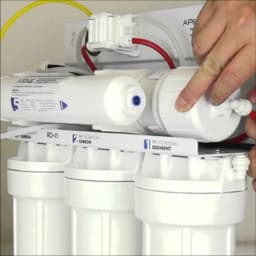
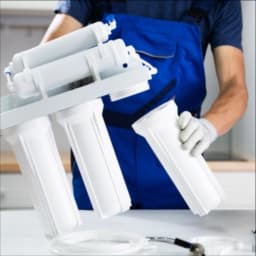
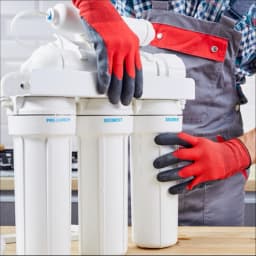
Understanding the service process helps you evaluate whether a technician is being thorough or cutting corners:
Some homeowners attempt to extend time between services by cleaning filters or delaying replacement. In Kodagu's water conditions, this approach rarely saves money and often backfires.
You can monitor your purifier between professional visits—watching for flow reduction, taste changes, or unusual sounds—but actual filter replacement and membrane work should remain with trained technicians. Attempting to open the sealed housing, reuse filters past their expiration, or install incompatible replacement parts risks water contamination and voids warranties. A technician visit every few months costs far less than replacing a failed membrane or sanitizing a contaminated tank.
When contacting a service provider, have your Eureka Forbes model number ready (usually on a sticker on the unit) and be specific about your location and water source. This helps the technician prepare the right parts and give accurate arrival time estimates.
If you're in a remote area, confirm the service provider actually reaches your location rather than assuming they cover all of Kodagu. A provider based in Madikeri may take significantly longer to reach plantation estates or hill settlements. Being clear about this avoids misunderstandings and helps you plan around the visit.
For urgent issues—no water flow, active leaks, visible contamination—mention this when booking so the provider prioritizes your call. For routine maintenance, scheduling around monsoon season and pre-monsoon gives you more flexibility and faster service than calling during peak demand periods.
What makes us different
Kodagu sits at altitude in the Western Ghats, where rainfall is heavy and water sources range widely—from managed municipal supply in town areas to private borewells and natural springs in plantation regions. This geographical variety means the water reaching your Eureka Forbes purifier carries different challenges depending on your exact location. High turbidity during monsoon months, variable mineral content from seasonal groundwater fluctuations, and the fine sediment typical of hill-station water all accelerate filter wear compared to plains regions.
An Eureka Forbes RO unit working in these conditions needs more frequent attention than the same model might require elsewhere. Skipping scheduled service in Kodagu doesn't just reduce filtration efficiency—it can lead to internal sediment buildup that damages the membrane and pump far faster than expected. This guide covers what you actually need to know about servicing your purifier here, from spotting seasonal warning signs to choosing the right maintenance rhythm for the local water supply.
Step-by-step guidance
Don't wait! Get the at the most competitive rates. Contact rocareindia today for a free consultation and quote.
Real repairs · Real customers · Real results

Verified Professionals

Work Assurance

On-Time Support

Covid-19 Safety
Find answers to common questions about our services
Find our nearby franchise stores in your city
Pure water, delivered.