Select Service


What makes us different
Water quality can be a persistent challenge, especially when you rely on advanced water purifiers like Kent RO systems to meet your family’s needs. These appliances, while robust, do encounter specific issues over time. Understanding these problems and how they relate to the water conditions in Tonk can help you maintain your system more effectively.
Whether your Kent system has suddenly stopped working, or it’s simply time for regular maintenance, knowing what helps or hinders its function is vital. By learning to diagnose common symptoms, you can help technicians solve problems faster, saving time and unnecessary costs. Let us guide you through the typical concerns faced by Kent purifier users in Tonk and how best to address them.
Download App & Earn Coins
Your Welcome Bonus:
1000 Coins
*Coins can be redeemed on services
Everything you need to know
Living in Tonk, residents primarily receive their water supply from local sources like borewells and municipal taps which can have varying levels of hardness and TDS. This variability can lead to several issues specific to Kent RO units. One of the most frequent problems is the system producing water at an inadequate pace or not at all. This often signals a clogged filter due to the high particulate content found in borewell water. Regular filter checks can prevent this issue.
Another concern might be strange noises during operation, which could point to trapped air or a malfunctioning pump. Tonk's summer heat can exacerbate these noises due to the expansion and contraction of unit components. Continuous monitoring and maintenance of your Kent purifier during these hotter months can keep it performing optimally.
The quality of water directly affects the performance of Kent water purifiers. Tonk's primarily borewell-fed system often contains a high mineral content, making the water hard. This hardness can lead to scaling on the RO membrane, affecting its efficiency over time. Regular checks on your purifier's TDS settings and output water quality are crucial to mitigate this issue.
Groundwater fluctuations, particularly during monsoon season, can also influence the turbidity and particulate matter in your supply, requiring more frequent replacements of pre-filters. By staying on top of these changes, you ensure your purifier continuously delivers safe, clean water.
When selecting a service provider for your Kent RO purifier in Tonk, it helps to consider their experience and proximity. Local technicians familiar with the specific water issues in Tonk tend to provide more precise service. Look out for those who offer clear, upfront estimates and come recommended by other local residents.
Checking their knowledge about specific Kent models you own is also paramount, as familiarity can speed up repair time and accuracy. Engaging with a known provider means your repairs come with a level of reliability and follow-up support that can be invaluable when addressing recurring issues.
The price of servicing a Kent water purifier in Tonk depends on several important factors, including the nature of the fault. Simple filter replacements generally cost less than fixing complex electrical issues or replacing internal components like pumps.
The type and number of parts required for the repair also impact cost, as can the urgency of the service request. In some cases, enrolling in a yearly maintenance plan or AMC can offset these charges by including parts and labor in one annual fee, making it an attractive option if you use the unit heavily.
An Annual Maintenance Contract, or AMC, offers a convenient way to manage your Kent purifier’s maintenance in Tonk. With high-use households, the AMC arrangement ensures regular filter changes and servicing without the need for individual repairs costing unexpectedly.
AMCs often accommodate the increased wear from high TDS sources, which are common around Tonk. Those who value peace of mind in making sure their purifier runs smoothly year-round might find this option more cost-effective over ad-hoc repairs and maintenance tasks.
All Kent water purifiers share a need for routine part replacement to function at their best. Pre-filters and carbon filters, the first defenses against contamination, usually require changing every 4-6 months in Tonk where mineral content can be high.
RO membranes generally last 12 to 18 months, but this can be shorter in homes relying on very hard water sources. Consider keeping a log of maintenance schedules and filter changes to preempt problems rather than reacting after a failure.
Handling Kent RO servicing is made easier by engaging with local providers in Tonk who can promptly schedule repair or maintenance visits. Online booking often provides a quicker response than phone queues, allowing you to efficiently set a convenient repair time.
Whether it is filter replacement or a total system check, being able to contact a nearby technician ensures quick and dependable service, avoiding the delay that can arise when dealing with larger call centers based outside the locality.
A correct installation strategy can avert many common Kent purifier issues from the start. Ensuring correct placement, proper pressure settings, and effective drainage significantly affects performance over the long term. In Tonk’s diverse housing, with both standalone houses and multi-unit setups, those initial checks make a marked difference.
Make sure to arrange for professional setup and a thorough system testing process to ensure your unit functions efficiently and without avoidable issues arising later. Proper care early on reduces the risk of persistent and hard-to-diagnose performance troubles.
Consistent attention to the operational needs of your Kent water purifier ensures its longevity and efficiency. Routinely check and respond to service indicators, particularly in periods of water pressure fluctuation common in Tonk. Practice regular cleaning of the unit's exterior and ensure it has adequate ventilation.
Keep it away from kitchen heat sources and periodically review connectors and pipes for signs of wear or moisture. Being proactive with these strategies mitigates the likelihood of needing major repairs prompted by persistent or ignored small faults.
A service visit for your Kent RO in Tonk should follow a structured process to ensure all potential issues are addressed. The technician begins with a general inspection to identify any visible problems with the exterior or mounting of the unit. They listen for unusual noises or vibrations indicating internal issues.
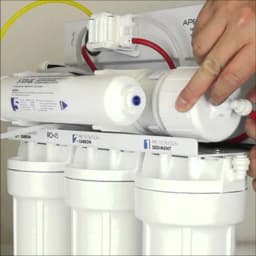
Next, they check the filters and membranes, replacing those that are due or clogged, especially critical given Tonk's hard water conditions. The technician will also assess and adjust the TDS levels, ensuring that the output water remains safe for consumption. Lastly, they test overall system functionality, confirming that clean water is being produced at the right flow rate. This comprehensive check helps sustain the appliance's ability to deliver safe, clean water consistently.
Your Kent RO might hint at needing service long before it fails. One common sign is a significant drop in water flow, possibly caused by clogged filters due to high sediment in Tonk's water supply. Persistent leaks around the unit or unexpected shutdowns during operation are immediate red flags.
Strange tastes or odours from the water might indicate bacterial growth or worn-out carbon filters. Loud, unusual noises during operation can suggest issues with the motor or pump, particularly concerning in Tonk's hot months when mechanical stress is higher. Regularly checking for these signs allows you to schedule timely interventions before minor issues become major repairs.
Kent ROs rely on several filtration stages, each needing replacement at different intervals to perform effectively, especially with Tonk's varied water conditions. Pre-filters typically need changing every 3 to 6 months since they are the first line of defence against sediment and particulates.
Carbon filters capture chlorine and organic compounds, and in Tonk’s mineral-rich water, they should be replaced every 6 to 12 months. Finally, the RO membrane, crucial for removing dissolved solids, usually lasts 1 to 2 years. Remaining aware of these timelines helps ensure that the water purifier functions optimally, preventing further strain on the unit's components.
In Tonk, many houses rely on water storage systems, impacting water pressure and RO performance. Insufficient pressure can cause slower filtration rates or failure in water purification. It's crucial to ensure that water pressure meets the minimum requirement specified by Kent for effective operation.
During water scarcity, a common issue in dry seasons, rely on gravity-fed systems that may not deliver adequate pressure to the RO unit. Consider installing a booster pump if pressure remains persistently low. Proper storage tank cleanliness and regular checks help in maintaining optimal performance, ensuring that your Kent RO continues delivering clean water efficiently.
Step-by-step guidance
Don't wait! Get the Best water purifier service at the most competitive rates. Contact rocareindia today for a free consultation and quote.

Verified Professionals

Work Assurance

On-Time Support

Covid-19 Safety
Find answers to common questions about our services
Pure water, delivered.