

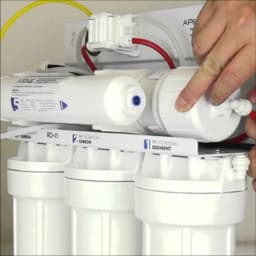

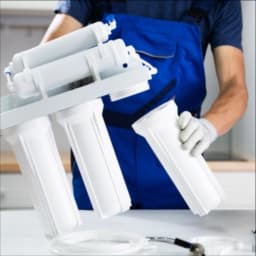


Main Service Banner

Water Purification in Bikaner: Why Professional Service Is Essential

Bikaner's water supply comes largely from deep borewells, which typically carry high mineral content and elevated TDS levels — far more demanding than municipal water in many other cities. An Eureka Forbes RO unit works harder here than in softer-water regions, and that means the filters and membrane face accelerated wear. What might last 18 months in a low-TDS area often needs replacement in 12 months in Bikaner.

Professional Eureka Forbes RO service is not just about fixing breakdowns. It's about keeping pace with Bikaner's specific water chemistry. A technician who understands local water conditions and adjusts maintenance schedules accordingly prevents sudden failures during the peak summer months when water demand spikes and mineral levels climb even higher.

Repair

4.7
(2k+ Bookings)
  • Price include visit & diagnosis charges
  • Spare part rate applicable as per rate card
Repair
399450

Service

4.7
(3k+ Bookings)
  • Thorough inspection and repair of your RO for issues like leakage, less water flow, dirty/smelly water etc.
  • Cleaning of Machine and Filters
Service
399450

Installation

4.7
(3k+ Bookings)
  • Include Fixing of water purifier stand on wall
  • Connect inlet water assembly to water purifier
Installation
499700

Un-installation

4.7
(4k+ Bookings)
  • Dismantle of water purifier from the wall
  • Dismantle of inlet water assembly from water purifier
Un-installation
399499

AMC Plan 1

4.3
(6k+ Bookings)
  • Three periodical services
  • Any addition visit by intimation
AMC Plan 1
9991200

AMC Plan 2

4.3
(7k+ Bookings)
  • Three periodical services
  • Any addition visit by intimation
AMC Plan 2
25003000

AMC Plan 3

4.3
(2k+ Bookings)
  • Three periodical services
  • Any addition visit by intimation
AMC Plan 3
26003000

AMC Plan 4

4.3
(1k+ Bookings)
  • Three periodical services
  • Any addition visit by intimation
AMC Plan 4
39994500

AMC Plan 5 (CAMC)

4.4
(3k+ Bookings)
  • Three periodic services
  • Additional visits with prior intimation
AMC Plan 5 (CAMC)
49995500

AMC Plan 6 (CAMC)

4.4
(4k+ Bookings)
  • Three periodic services
  • Additional visits with prior intimation
AMC Plan 6 (CAMC)
59996500

Service Overview

Everything you need to know

How Bikaner's Water Profile Shapes RO Service Needs

Unlike cities relying on treated municipal supplies, much of Bikaner depends on borewell water that carries dissolved minerals — calcium, magnesium, and salts — at concentrations that stress reverse osmosis membranes. This hard water is a defining challenge for any RO system in the region. The membrane, which is the heart of the purifier, has to work continuously against this mineral load. Over time, mineral deposits accumulate on the membrane surface, a process called scaling, which reduces filtration efficiency and forces the pump to work harder.

Additionally, Bikaner experiences extreme seasonal variation. Summer brings increased groundwater extraction, which raises TDS and mineral concentrations further. Winter and monsoon patterns affect water availability and may introduce different sediment profiles. An RO service provider who recognizes these cycles — and adjusts filter replacement schedules and maintenance visits accordingly — keeps your purifier aligned with actual local conditions rather than following a generic national guideline.

Recognizing When Your Purifier Needs Service in Bikaner's Climate

Bikaner's hot, dry climate and high water salinity create specific failure patterns. Being alert to these signs helps you catch problems before they worsen:

  • Noticeably slower flow during summer months. As temperatures rise and TDS climbs, clogging accelerates. A purifier that flows well in winter may struggle by June.
  • Mineral or salty taste in the output water. This often signals that the RO membrane is failing to reject minerals properly — a direct result of scaling or overuse in hard water conditions.
  • Higher than usual TDS readings in the purified water. If your TDS meter shows the purified water is no longer meeting the levels it used to, the membrane has likely degraded and needs replacement.
  • Noise from the pump, especially during peak demand. Bikaner's summer heat intensifies pump strain, and a grinding or squealing sound often precedes complete failure.
  • Rust-colored water or sediment visible in the storage tank. Borewell systems sometimes pull up higher sediment loads, and if the pre-filters aren't changed frequently enough, this debris passes through.
  • Fluctuating water output or pressure. Mineral buildup can cause inconsistent performance, which is a signal that internal cleaning or component replacement is due.

In Bikaner's environment, it's wise to book service as soon as any of these signs appear, rather than hoping the purifier will recover on its own.

Understanding Service Costs in a High-TDS Region

Pricing for Eureka Forbes RO service in Bikaner often reflects the city's water conditions. Because hard water and high TDS demand more frequent component replacement, annual service costs tend to be higher than in regions with softer water supplies. However, understanding what drives these costs helps you evaluate whether a quote is fair:

  • Membrane replacement frequency. In Bikaner, RO membranes may need annual replacement instead of every 18–24 months. This is one of the largest line items in a service quote.
  • Pre-filter and sediment filter wear. Borewell water often contains more suspended solids, which means these filters clog faster and need changing more often.
  • Tank cleaning and descaling. Mineral deposits build up inside the storage tank and on internal fittings. Periodic descaling adds to maintenance costs but prevents bacterial growth and extends component life.
  • Technician travel and expertise. Bikaner is not as densely populated as larger cities, so service technician availability may be more limited, and some providers charge slightly higher rates for extended travel to outlying areas of the city or nearby regions.
  • Seasonal pricing variation. During summer months, when every household is relying heavily on its purifier and service demand peaks, some providers experience longer wait times or adjusted pricing.

Request an itemized quote from any service provider. A breakdown showing pre-filter cost, membrane cost, labor, and travel separately gives you transparency and helps you compare different providers fairly.

Annual Maintenance Contracts: Making Sense of AMC in Bikaner

An AMC plan bundles scheduled servicing, filter changes, and minor repairs into an annual fee. For Bikaner households dealing with consistently challenging water, an AMC often proves cost-effective compared to paying for individual visits as problems arise.

How AMC works in practice

You pay a fixed annual fee and the provider schedules regular maintenance visits — typically two to four times per year, depending on your water consumption and TDS levels. During each visit, filters are inspected and replaced as needed, the storage tank is cleaned, and the entire system gets tested. If minor issues arise between scheduled visits, they're covered under the AMC without additional charges.

Specific advantages for Bikaner

  • Filter replacement cycles are aligned with local water conditions, not generic national timelines
  • Scheduled visits ensure you never miss a service window during critical summer months
  • Bulk purchasing of filters and components sometimes allows providers to offer lower annual rates than standalone service visits
  • Priority scheduling during peak demand periods, so your purifier gets attention when you need it most

When an AMC might not suit your household

  • If your purifier is brand new and covered under manufacturer warranty, waiting until warranty expires before enrolling in an AMC saves money
  • If you have a small household with very low daily consumption, service needs may be minimal enough to justify pay-per-visit instead
  • If you're considering replacing the unit within one or two years, an AMC is an unnecessary commitment

Before committing to an AMC, ask whether the provider adjusts filter change schedules based on your specific water hardness and TDS levels, or whether they follow a fixed calendar regardless of actual conditions. A provider willing to customize the schedule typically delivers better value in Bikaner's challenging water environment.

The Role of Filter Replacement in Bikaner's Hard Water System

Bikaner's high-TDS borewell water makes filter replacement the most critical maintenance task. Unlike routine cleaning or minor repairs, proper and timely filter changes directly determine whether your purifier produces safe, drinkable water or allows contaminants through.

Pre-filter (sediment filter)

This stage stops larger particles like sand, rust, and debris from borewell water. In Bikaner, where sediment content can vary significantly depending on water source and season, replacing this filter every 3 to 5 months is common — faster than the typical 6-month interval in other regions. A clogged pre-filter forces the RO membrane to handle higher sediment loads, which accelerates its degradation.

Activated carbon filter

This removes chlorine (if present in municipal supply blends), odor, and some organic compounds. In high-TDS borewell systems, it may need replacement every 5 to 7 months. Skipping this stage forces the RO membrane to work against contaminants it wasn't designed to handle alone, shortening overall system lifespan.

RO membrane

The membrane is the workhorse in any hard-water system. In Bikaner, expect replacement every 12 to 18 months instead of the 18–24-month typical range cited for other areas. The reason is mineral scaling — calcium and magnesium deposits that accumulate on the membrane surface over time, reducing efficiency. Regular replacement prevents this buildup from becoming so severe that the membrane can no longer be regenerated or cleaned effectively.

Post-carbon or polishing filter

This final stage ensures the water tastes good by removing any residual odors or slight discoloration. It typically needs annual replacement.

Keeping to these schedules — even though they're more frequent than national averages — is an investment that prevents far costlier component failures and guarantees the safety and taste of your drinking water.

Handling Service Appointments During Bikaner's Seasonal Cycles

Bikaner's climate creates natural peaks and troughs in water quality and purifier stress. Scheduling service strategically around these cycles reduces the likelihood of urgent breakdowns:

  1. Pre-summer servicing (April–May). Before temperatures peak and water demand surges, book a comprehensive service visit. This ensures all filters are fresh and the system is at full capacity when strain is highest.
  2. Post-monsoon servicing (August–September). If monsoon brings changes to your water source, a follow-up service reassesses sediment levels and filter condition.
  3. Winter maintenance (November–December). As temperatures drop and demand eases slightly, use this window for any non-urgent repairs or deep cleaning that couldn't be scheduled during peak seasons.
  4. Mid-year check (July or August). If you're on an AMC, stagger visits so one falls during mid-summer when real-world performance is most telling.

A service provider familiar with Bikaner's calendar can coordinate your visits to match these patterns, keeping your purifier reliable year-round without unnecessary rush charges during peak demand.

Choosing a Reliable Service Partner for Bikaner

Not all Eureka Forbes service providers are equally equipped to handle borewell water systems and Bikaner's specific challenges. A few attributes distinguish those who understand the local environment from those who simply follow a national protocol:

  • Experience with high-TDS water systems. Ask directly whether the technician regularly services RO units fed by borewell water. If they mention familiarity with mineral scaling or hard-water membrane degradation, that's a good sign.
  • Transparency about local water conditions. A knowledgeable provider asks about your water source, shows you TDS levels, and explains why Bikaner's conditions demand a different service schedule than cities with softer supplies.
  • Availability outside peak demand. A provider with adequate technician capacity can schedule visits within a few days rather than weeks, even during summer. If you're told to wait 3–4 weeks in June or July, that's a red flag.
  • Use of quality, compatible parts. Ask whether they stock or source filters and membranes specifically suited to your purifier model. Cheap counterfeit parts wear out faster and can introduce contamination.
  • Detailed after-service documentation. A thorough provider leaves you with records showing what was replaced, TDS readings before and after, and the recommended next service date based on actual water conditions — not a generic calendar.

Building a long-term relationship with a technician who understands Bikaner's water challenges is far more valuable than seeking the cheapest quote each time a problem arises. Reliability and expertise compound over years of purifier ownership.

Warranty, Support, and Dispute Resolution

Eureka Forbes provides manufacturer warranty coverage for a specified period after purchase, typically against manufacturing defects. However, warranty terms are often misunderstood, especially regarding what falls under coverage and what doesn't. Extended use beyond the warranty period, damage from external causes (like power surges), and issues stemming from poor maintenance generally fall outside coverage. Before paying for a service call, check whether your purifier's warranty is still active by referring to your purchase invoice and registered serial number.

For non-warranty repair work, a clear written estimate protects both you and the service provider. Before work begins, confirm which parts will be replaced, labor charges, and the total cost. If a technician discovers additional problems during diagnosis, ask for approval before proceeding with extra work. This practice prevents surprise bills and ensures you're making informed decisions about your purifier's care.

Water Purification Beyond Service: Daily Habits That Extend Purifier Life

Professional service keeps your RO unit running, but how you use the purifier between visits also matters significantly. These practices help maximize the time between services and reduce overall maintenance costs:

  • Keep the inlet tap open at all times when the system is in standby mode. Closing it against the RO pump creates unnecessary pressure and speeds component wear.
  • Avoid letting the storage tank empty completely. Once the tank is full, the system naturally stops producing water. Repeated cycles of empty-to-full stress the pump unnecessarily.
  • Clean the outer housing and taps monthly with a damp cloth to prevent dust from accumulating in crevices where it can impact internal fittings.
  • Position the purifier in a well-ventilated area away from direct sunlight. Bikaner's intense summer heat degrades internal plastics and stresses electronic components faster if the unit is in a hot corner or direct sun.
  • Monitor your storage tank regularly for any visible buildup or discoloration, which signals that pre-filters may need earlier replacement.
  • Keep a record of service dates and filter replacement schedules somewhere visible — a note on your kitchen wall or a phone reminder. This prevents drift from the recommended maintenance cycle.

Book Your Water PurifierToday!

Don't wait! Get the at the most competitive rates. Contact rocareindia today for a free consultation and quote.

Free Consultation
Competitive Rates
Expert Technicians
Quick Service

Happiness Guarantee

Verified Professionals

Verified Professionals

Work Assurance

Work Assurance

On-Time Support

On-Time Support

Covid-19 Safety

Covid-19 Safety

Frequently Asked Questions

Find answers to common questions about our services

Nearby Store Locations

Find our nearby franchise stores in your city