
How Water Quality in Mumbai Impacts best RO service center Mumbai Frequency
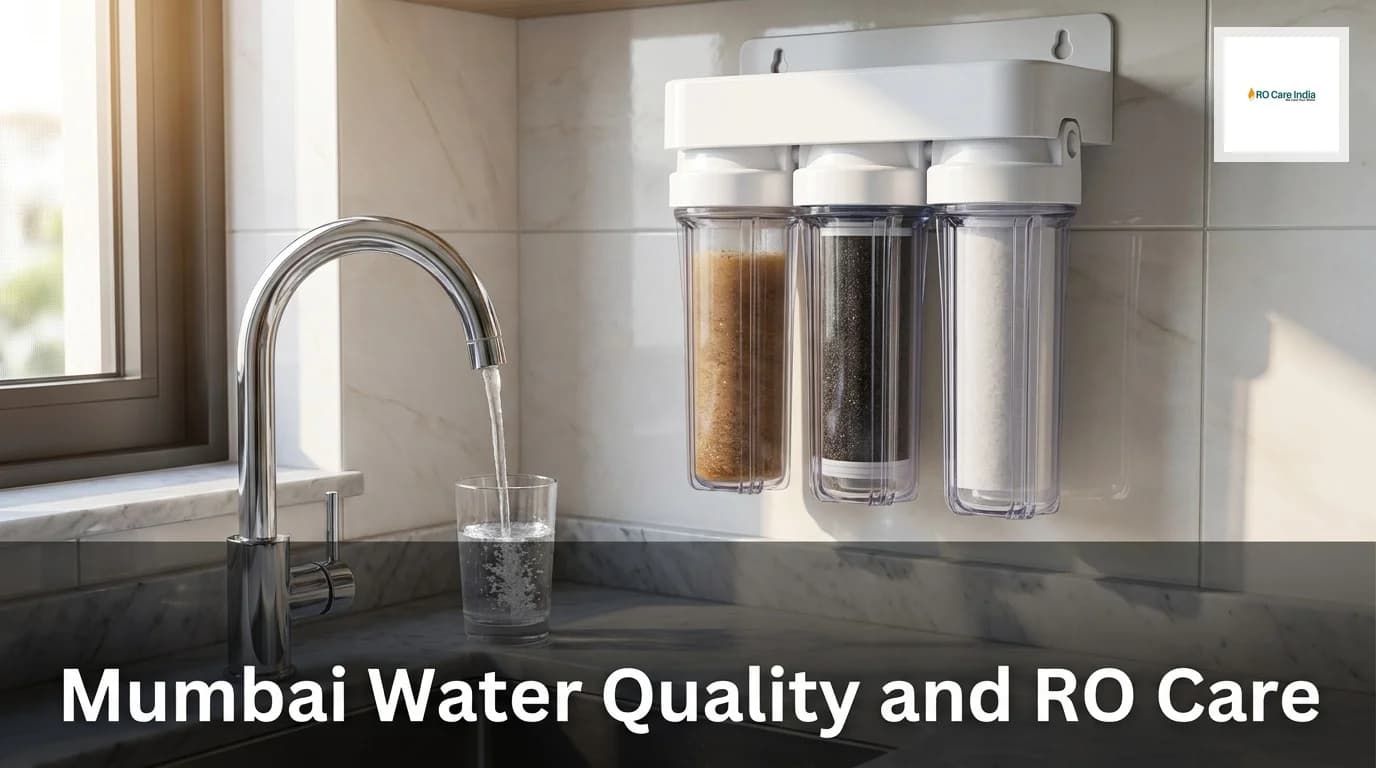
Understanding How Mumbai's Water Quality Determines Your RO Service Schedule
Mumbai, the city that never sleeps, faces unique water quality challenges that directly impact how often your water purifier needs professional attention. If you live in areas like Andheri, Borivali, or South Mumbai, you may have noticed varying water conditions that affect your drinking water system differently. The relationship between water quality and ro service mumbai requirements is more critical than most homeowners realize, and understanding this connection can save you significant money while ensuring your family always has access to safe drinking water.
Many Mumbai residents assume that their water purifier should follow a fixed service schedule regardless of their location or water source. This misconception often leads to either excessive maintenance costs or inadequate filtration, both of which compromise water safety and system efficiency. The reality is that water quality varies dramatically across Mumbai's different localities, with some areas receiving relatively cleaner municipal supply while others deal with high levels of Total Dissolved Solids, hardness, and contamination.
The frequency of RO service directly correlates with the specific water quality parameters in your area. Neighborhoods receiving water from different reservoirs experience distinct mineral compositions, chlorine levels, and sediment loads. For instance, areas closer to the coastline often deal with higher salinity during certain seasons, while inland localities might face issues with industrial pollutants or agricultural runoff affecting groundwater sources.
Understanding your local water quality helps you establish a realistic ro water purifier service mumbai schedule that keeps your system running optimally without unnecessary interventions. This knowledge empowers you to recognize warning signs early, communicate effectively with service technicians, and make informed decisions about filter replacements and maintenance timing. Let's explore how Mumbai's diverse water conditions shape your purifier's service requirements.
How Mumbai's Water Sources Affect RO Maintenance Needs
Mumbai's water supply primarily comes from lakes like Tulsi, Vihar, Powai, Tansa, Upper Vaitarna, and Modak Sagar. However, the journey from these sources to your tap introduces various quality changes. The municipal treatment process, pipeline conditions, storage tank cleanliness, and building plumbing all influence the final water quality reaching your purifier.
Areas receiving direct municipal supply typically have lower TDS levels ranging from 150 to 400 ppm, which puts moderate stress on RO membranes. In contrast, localities dependent on groundwater or bore wells often experience TDS levels exceeding 800 ppm, sometimes reaching 1500 ppm or higher. This dramatic difference means groundwater users may need professional RO service every four to six months, while municipal water consumers might extend this to eight to twelve months.
The hardness level in Mumbai's water varies significantly by location. Western suburbs generally receive softer water compared to eastern areas, where calcium and magnesium concentrations are notably higher. Hard water accelerates scale buildup on membranes and other components, reducing efficiency and forcing more frequent filter changes. Regular water testing helps determine whether you need additional pre-treatment or more aggressive maintenance schedules.
Seasonal variations also play a crucial role. During monsoon months, increased turbidity and microbial contamination require sediment and carbon filters to work harder. Post-monsoon periods often see higher chlorine levels in municipal supply as authorities increase disinfection. These fluctuations mean your ro customer care mumbai technician should assess seasonal impacts when planning maintenance visits.
Key Water Parameters That Trigger Service Requirements
Several water quality parameters directly influence how quickly your RO system components degrade and require replacement or cleaning. Understanding these factors helps you anticipate service needs before system failure occurs.
Total Dissolved Solids represents the concentration of minerals, salts, and metals dissolved in water. TDS levels above 500 ppm significantly shorten membrane lifespan because the RO membrane must work harder to reject these particles. Mumbai areas with high TDS should schedule professional service every four to five months rather than the standard six to eight months recommended for moderate TDS locations.
Hardness, measured as calcium carbonate concentration, causes scale deposits that clog membranes and reduce water flow. Mumbai localities with hardness above 200 ppm need antiscalant treatment and more frequent membrane inspections. Without proper maintenance, hard water can reduce membrane life from the expected three to four years down to just eighteen to twenty-four months.
Chlorine content, while essential for disinfection, damages RO membranes if not properly removed by pre-filters. Municipal water in Mumbai typically contains 0.2 to 1.0 ppm free chlorine. Carbon filter replacement becomes critical every six to eight months in high-chlorine areas to protect downstream components. Failure to replace these filters on schedule can lead to expensive membrane damage requiring full RO water purifier service Mumbai intervention.
Iron and manganese presence, common in bore well water across Mumbai's developing areas, causes staining and foul taste. These metals also create deposits that foul membranes and reduce system efficiency. Water with iron levels above 0.3 ppm requires specialized pre-treatment and quarterly professional assessment.
Establishing Your Personalized Service Schedule Based on Water Quality
| Water Quality Parameter | Low Impact Area | Moderate Impact Area | High Impact Area | Recommended Service Frequency |
|---|---|---|---|---|
| TDS Level | Below 300 ppm | 300-600 ppm | Above 600 ppm | 10-12 months / 6-8 months / 4-6 months |
| Hardness | Below 100 ppm | 100-200 ppm | Above 200 ppm | 8-10 months / 6-7 months / 4-5 months |
| Chlorine Content | Below 0.5 ppm | 0.5-1.0 ppm | Above 1.0 ppm | 8-9 months / 6-7 months / 5-6 months |
| Sediment Load | Minimal | Moderate | Heavy | 9-11 months / 6-8 months / 4-6 months |
Creating a personalized service schedule starts with getting your water professionally tested. Most RO service providers in Mumbai offer free water testing as part of their service package. Request a comprehensive analysis covering TDS, hardness, pH, chlorine, iron, and microbial parameters. This baseline data reveals exactly what your purifier is handling daily.
Once you understand your water profile, compare it against manufacturer recommendations for your specific RO model. Different purifiers have varying capacities to handle challenging water conditions. Some advanced models include TDS monitors and service indicators that alert you when parameters exceed safe thresholds, helping you schedule RO customer care Mumbai visits proactively rather than reactively.
Keep a maintenance log documenting each service visit, filter replacements, water quality readings, and any issues observed. This historical record helps identify patterns, such as faster filter degradation during specific seasons or after municipal maintenance work in your area. Share this information with your service technician to optimize future maintenance timing.
Warning Signs That Your Water Quality Demands Immediate Service
Certain symptoms indicate your water quality is overwhelming your purifier's capacity and immediate professional intervention is necessary. Ignoring these signs leads to complete system failure and potential health risks from contaminated water.
Declining water flow represents the most common early warning sign. If your purifier produces water more slowly than usual, membrane fouling or filter clogging has likely occurred. Mumbai's variable water quality can suddenly increase particulate load after pipeline repairs or seasonal changes, overwhelming filters designed for normal conditions.
Changed water taste or odor signals filter exhaustion or membrane damage. Carbon filters remove chlorine taste and organic compounds, while membranes reject dissolved minerals. When these components fail, you'll notice metallic tastes, chlorine smell, or brackish flavor indicating inadequate treatment.
Visible physical changes like cloudy water, white scale deposits in storage tanks, or colored water suggest complete filtration failure. These conditions require emergency RO service rather than waiting for your scheduled appointment. Consuming inadequately treated water poses serious health risks, especially for children and elderly family members.
Increased electricity consumption or unusual noises from the purifier indicate mechanical stress from poor water quality. Pumps working harder to overcome membrane resistance or motors straining against scale buildup consume more power and generate abnormal sounds. These symptoms demand immediate professional assessment to prevent expensive component damage.
Maintaining Optimal Performance Between Professional Services
While professional RO water purifier service Mumbai remains essential, homeowners can perform simple maintenance tasks that extend system life and reduce service frequency.
Regular inspection and cleaning of external pre-filters takes just fifteen minutes monthly. These sediment filters capture visible particles before they reach expensive internal components. In high-sediment areas of Mumbai, cleaning or replacing these filters every month prevents downstream clogging.
Sanitizing storage tanks every three months prevents bacterial growth and biofilm formation. Even perfectly filtered water can become contaminated in dirty storage tanks. Empty the tank completely, scrub with food-grade sanitizer, rinse thoroughly, and allow the purifier to refill with fresh water.
Monitoring your purifier's reject water ratio helps detect performance issues early. RO systems typically reject two to three liters for every liter of purified water produced. Significant increases in this ratio indicate membrane fouling requiring professional attention. Connect reject water to garden use or toilet flushing to reduce waste while monitoring volumes.
Testing output water TDS monthly using an inexpensive TDS meter provides immediate feedback on membrane performance. Output TDS should remain below fifty ppm for proper RO function. Readings above seventy-five ppm indicate membrane damage or bypass, requiring immediate RO service intervention.
Choosing the Right Service Provider for Mumbai's Water Challenges
Selecting a qualified service provider familiar with Mumbai's specific water quality issues ensures your purifier receives appropriate care. Not all technicians understand the unique challenges posed by local water conditions.
Prioritize providers offering comprehensive water testing alongside routine maintenance. Companies that analyze your input water quality can customize service recommendations rather than applying generic schedules. This personalized approach saves money while ensuring adequate protection against your specific water contaminants.
Verify technician certification and experience with your purifier brand. While some service centers claim universal expertise, manufacturers train technicians on specific models and technologies. Authorized service centers maintain genuine spare parts inventory and follow proper service protocols that extend system life.
Request transparent pricing before service visits. Reputable RO service Mumbai providers quote fixed service charges and itemize additional costs for parts or special treatments. Avoid companies that provide vague estimates or pressure customers into unnecessary upgrades during service calls.
Conclusion
Mumbai's diverse water quality landscape makes a one-size-fits-all approach to RO maintenance ineffective and potentially costly. Understanding how your local water parameters impact system components allows you to establish an intelligent service schedule that balances cost-effectiveness with water safety. Regular water testing, attention to warning signs, and partnership with knowledgeable service providers ensure your family enjoys consistently pure drinking water while maximizing your purifier's lifespan. Whether you face high TDS levels in eastern suburbs, hard water in developing areas, or seasonal variations affecting municipal supply, adapting your RO service frequency to match these challenges protects your health investment and prevents expensive emergency repairs.
Learn more about how Mumbai's varying water conditions—from high TDS levels in suburbs to chlorine content in municipal supply—determine your RO system's maintenance schedule. Explore further to understand the specific water quality challenges in your locality and discover how proactive service can extend your purifier's lifespan while ensuring safe drinking water for your family year-round.