
RO service: Technician Certification and Safety Standards
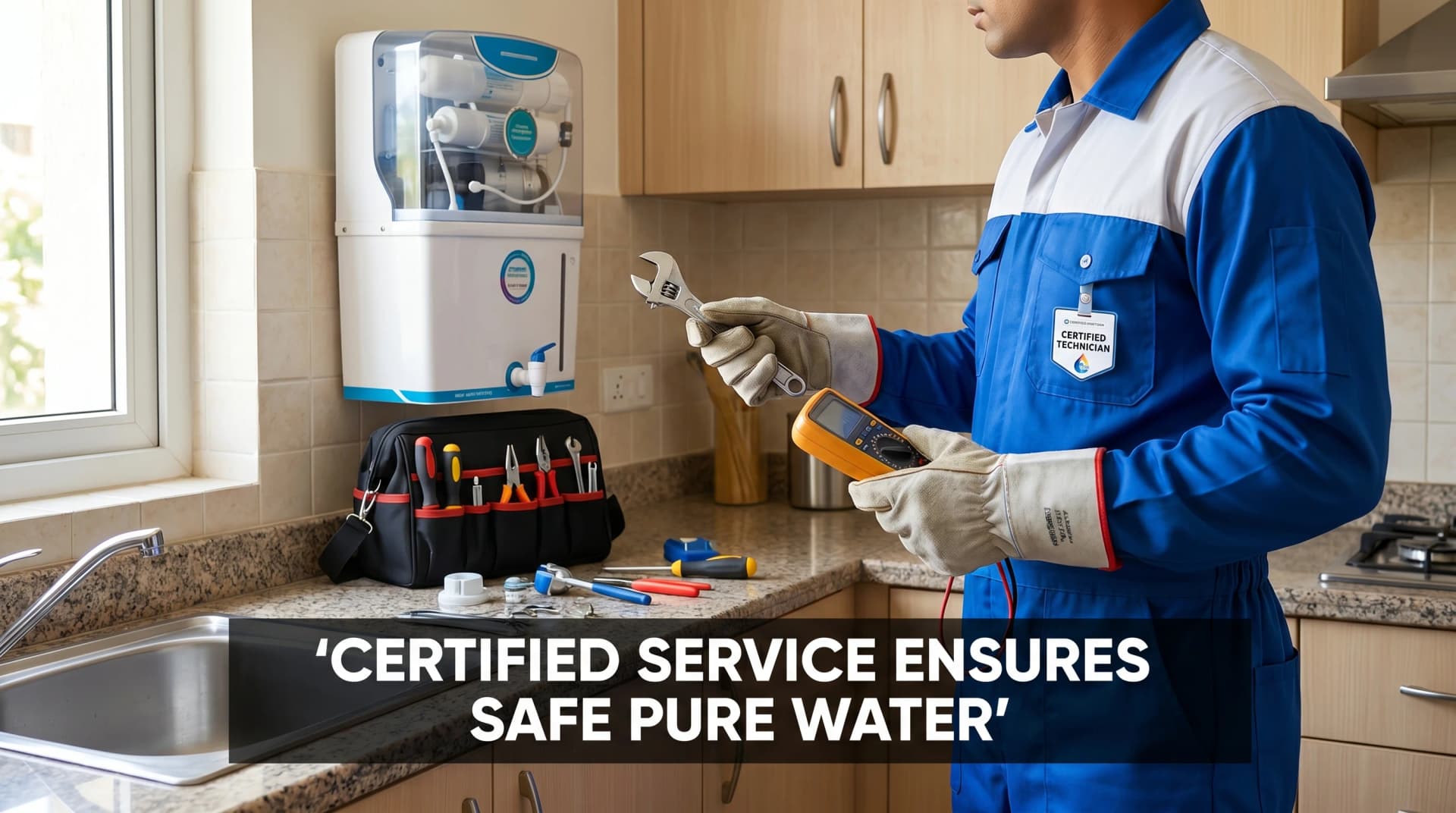
Why Certified Technicians Matter for Your RO Water Purifier Service in Kolkata
When your water purifier stops working in the middle of Kolkata's summer, finding a quick fix becomes urgent. However, choosing the first available technician without checking their credentials can lead to safety hazards, expensive repairs, and compromised water quality. The growing demand for ro service kolkata has unfortunately attracted many uncertified individuals claiming expertise they lack. Understanding why technician certification matters and what safety standards should guide ro water purifier service kolkata operations can save you money, protect your health, and ensure your purifier operates efficiently for years.
Kolkata's water quality challenges make RO systems essential in most households, from the lakeside areas of Rabindra Sarobar to the bustling neighborhoods of Gariahat and Salt Lake. With over 60 percent of urban households now depending on purified water, the service industry has expanded rapidly. Yet many families remain unaware that improper servicing can introduce contamination, damage expensive components, or create electrical hazards. Certified technicians bring standardized knowledge, proper tools, and accountability that informal workers simply cannot match.
The difference between certified and uncertified service providers becomes evident during complex repairs. A properly trained professional understands membrane compatibility, sanitization protocols, TDS optimization for Kolkata's water composition, and electrical safety measures. They follow manufacturer guidelines and industry standards rather than relying on guesswork. When you contact ro customer care kolkata through authorized channels, you ensure technicians arrive with verifiable credentials and insurance coverage that protects both parties.
Beyond technical competence, certification programs emphasize customer safety and service ethics. Certified technicians undergo background verification, health screenings, and regular skill updates. This systematic approach to ro service ensures consistency whether you live in North Kolkata's heritage buildings or South Kolkata's modern apartments. Understanding these distinctions helps you make informed decisions when your purifier needs attention.
What Technician Certification Actually Means
Certification for water purifier service professionals involves structured training programs covering water chemistry, filtration technologies, electrical safety, and customer service protocols. Reputable certification bodies collaborate with manufacturers and industry associations to develop standardized curricula. Technicians must pass theoretical examinations and practical assessments before receiving credentials. These certifications typically require renewal every two years, ensuring professionals stay updated with evolving technologies and safety standards.
In Kolkata's context, certified technicians receive specific training on local water quality parameters. The city's groundwater often contains elevated iron, hardness minerals, and biological contaminants. Understanding how these factors affect different purification stages allows technicians to optimize system performance rather than applying generic solutions. Certification programs teach proper testing methods, filter selection criteria, and customized maintenance schedules based on water source variations across different Kolkata zones.
The certification process also covers critical safety aspects including electrical grounding verification, pressure testing protocols, and contamination prevention during component replacement. Technicians learn proper disposal methods for used filters and membranes, addressing environmental concerns increasingly important to Kolkata residents. Insurance and liability coverage forms part of certification requirements, providing recourse if service errors cause damage or health issues.
Professional certification distinguishes qualified technicians from individuals who learned through informal apprenticeships or YouTube videos. While experience matters, certified professionals demonstrate competency through standardized assessments rather than self-proclaimed expertise. This verification becomes especially crucial for ro water purifier service households with vulnerable members like infants, elderly individuals, or those with compromised immunity.
Essential Safety Standards for RO Service Operations
Electrical safety forms the foundation of proper ro service protocols. Water and electricity create dangerous combinations when handled improperly. Certified technicians follow lockout-tagout procedures, ensuring power disconnection before opening electrical compartments. They verify proper grounding, inspect wiring insulation for damage, and test GFCI protection functionality. In Kolkata's humid climate, moisture-related electrical failures occur frequently, making these checks non-negotiable.
Contamination prevention during servicing requires strict hygiene protocols. Technicians must sanitize tools, wear disposable gloves, and avoid introducing external contaminants during filter replacements or membrane cleaning. The service area around the purifier should be cleaned and sanitized before work begins. Components removed for inspection must be placed on clean surfaces, never directly on floors. These seemingly minor details significantly impact water quality post-service.
Pressure testing constitutes another critical safety measure. RO systems operate under significant pressure, and improper reassembly can cause leaks or component failures. Certified technicians use calibrated pressure gauges to verify system integrity after repairs. They check all connection points, inspect tubing for cracks or weakening, and ensure proper sealing. This thorough approach prevents water damage to your kitchen and ensures consistent purifier performance.
Chemical safety standards govern sanitization and cleaning procedures. Professional ro customer care services use food-grade sanitizing agents in specified concentrations. Technicians must know proper contact times, rinsing requirements, and disposal methods. Household bleach or harsh chemicals can damage membranes, leave residues, or create toxic byproducts. Certified professionals understand these chemistry fundamentals and follow manufacturer-approved protocols.
How to Verify Technician Credentials
When scheduling ro service appointments, requesting credential verification should become standard practice. Legitimate service providers willingly share technician certification details, identification badges, and company authorization letters. These documents should include certification numbers you can verify through issuing organizations. Be wary of technicians who claim certification but cannot produce documentation or become defensive when asked.
Physical identification badges should display clear photographs, technician names, certification types, and validity periods. Many certified programs now include QR codes linking to online verification portals where you can confirm credential authenticity. Before allowing entry, check that the technician's appearance matches identification photos and that certifications remain current rather than expired.
Company affiliation verification provides additional security layers. Authorized service centers maintain updated technician rosters accessible to customers. Calling the official ro water purifier service contact number to confirm appointment legitimacy takes minutes but prevents scams. Legitimate technicians arrive in branded uniforms or vehicles displaying company information, unlike independent operators using personal transportation.
Online reviews and customer feedback offer valuable insights into service quality and technician professionalism. Search for specific technician names or service center locations to find recent experiences shared by Kolkata residents. Patterns in reviews reveal consistent strengths or recurring problems better than marketing claims. Government consumer forums and social media groups dedicated to Kolkata home services provide unfiltered feedback worth consulting.
Training Components Every Certified Technician Should Master
Water quality analysis forms the starting point for effective ro service. Technicians must accurately test TDS levels, pH balance, hardness, and specific contaminants present in Kolkata's water sources. Understanding these parameters allows proper filter selection and maintenance interval determination. Without this knowledge, technicians apply one-size-fits-all approaches that waste money on unnecessary replacements or leave contamination unaddressed.
Component-specific expertise ensures proper handling of delicate purifier elements. RO membranes require careful installation maintaining correct orientation and avoiding contamination. Pre-filters need appropriate tightening without over-compression that reduces flow rates. Post-carbon filters must be flushed properly before resuming regular use. UV chambers need careful handling to prevent bulb damage and proper disinfection verification after replacement.
Diagnostic skills separate proficient technicians from parts-replacers. Certified professionals systematically identify root causes rather than replacing components randomly. They understand relationships between symptoms and underlying issues, whether pressure problems indicate membrane fouling, flow reduction suggests pre-filter saturation, or taste changes point to exhausted post-carbon filters. This analytical approach saves customers money while ensuring effective repairs.
Customer education forms an often-overlooked training component. Quality technicians explain issues in understandable terms, demonstrate proper usage practices, and provide maintenance guidance. They answer questions patiently and offer written service reports detailing work performed. This transparency builds trust and helps customers maximize purifier lifespan through informed operation.
Comparison of Certified vs Uncertified Service Providers
| Aspect | Certified Technicians | Uncertified Operators |
|---|---|---|
| Training Background | Standardized curriculum, verified competency | Informal learning, unverified skills |
| Safety Protocols | Mandatory electrical, chemical, hygiene standards | Inconsistent or absent safety measures |
| Insurance Coverage | Professional liability and customer protection | Usually no coverage, customer risk |
| Service Documentation | Detailed reports, warranty coverage | Minimal or no documentation |
| Pricing Structure | Transparent, standardized rates | Variable, often suspiciously cheap |
| Component Quality | Genuine manufacturer parts | May use counterfeit or incompatible parts |
| Follow-up Support | Structured complaint resolution | Difficult to contact after service |
| Average Cost (Kolkata 2026) | 800-1500 INR basic service | 300-600 INR basic service |
The Hidden Costs of Choosing Uncertified Service
Financial savings from cheaper ro service disappear quickly when uncertified technicians create new problems. Improper membrane installation can cause premature failure of components costing 3000-5000 INR to replace. Using incorrect sanitization chemicals may necessitate complete system flushing or part replacement. Electrical mistakes can damage control boards worth 2000-4000 INR. These avoidable expenses far exceed the 200-400 INR saved by choosing discount services.
Health risks represent the most concerning hidden costs. Contaminated water from improper servicing can cause gastrointestinal illnesses, particularly dangerous for children and elderly family members. Medical expenses, lost workdays, and suffering cannot be measured purely in rupees. Kolkata's monsoon season already challenges water quality; inadequate purifier maintenance during this period multiplies health vulnerabilities.
Property damage from service errors includes water leakage ruining kitchen cabinets, flooring, or damaging electrical systems. A single significant leak can cost 10000-50000 INR in repairs depending on extent and location. Certified technicians carry insurance covering such incidents, while uncertified operators typically disappear when problems arise, leaving you with total liability.
Reduced purifier lifespan from poor maintenance practices means replacing your entire system years earlier than necessary. Quality RO systems should function effectively for 8-10 years with proper care. Uncertified servicing can reduce this to 4-5 years, representing a 15000-25000 INR premature expense. The cumulative cost of cheap service becomes apparent only after irreversible damage occurs.
Making Certification Work for Your Family
Building relationships with certified ro customer care providers delivers long-term benefits beyond individual service calls. Regular technicians familiar with your specific system provide more efficient service and catch developing issues early. They maintain service histories helping optimize maintenance schedules and predict component replacement timing. This continuity proves especially valuable for households with unique water quality challenges or specialized purifier configurations.
Scheduled maintenance contracts with certified providers offer cost advantages over emergency repair calls. Annual packages typically include 3-4 service visits, priority response times, and discounted parts at 20-30 percent below market rates. These arrangements ensure consistent care rather than neglecting maintenance until breakdowns occur. For Kolkata families, scheduling services before and after monsoon season maintains optimal performance during critical water quality fluctuation periods.
Educating household members about basic troubleshooting and maintenance reduces unnecessary service calls while extending component life. Certified technicians willingly teach filter replacement procedures, system sanitization basics, and warning signs requiring professional attention. This knowledge empowers families to handle minor issues independently while recognizing situations demanding expert intervention.
Documentation practices protect your investment and simplify warranty claims. Maintain service records including dates, work performed, parts replaced, and technician credentials. Photograph identification badges and certification documents during visits. This paper trail proves invaluable when addressing recurring problems, processing warranty claims, or demonstrating proper maintenance to future buyers if selling your property.
Conclusion
The importance of technician certification and safety standards for ro water purifier service operations cannot be overstated. Certified professionals bring verified competency, standardized safety protocols, insurance protection, and accountability that uncertified operators lack. While their services cost more initially, this investment prevents expensive repairs, protects family health, and maximizes purifier lifespan. Understanding what certification means, how to verify credentials, and why safety standards matter empowers Kolkata residents to make informed decisions protecting both their families and finances. Whether scheduling routine maintenance or emergency repairs, prioritizing certified ro service providers ensures your water purification system delivers clean, safe water reliably for years. The small premium paid for professional ro customer care services represents genuine value when measured against risks and costs of inadequate maintenance.
When selecting RO service providers in Kolkata, verifying technician certification and adherence to safety standards protects both your investment and family's health. Certified professionals follow manufacturer protocols, use genuine parts, and understand electrical safety measures crucial for water purification systems. Learn more about how proper credentials ensure optimal purifier performance, prevent contamination risks, and maintain warranty validity through compliant servicing practices.