
RO Purifier Water Wastage Problem – How to Reduce It
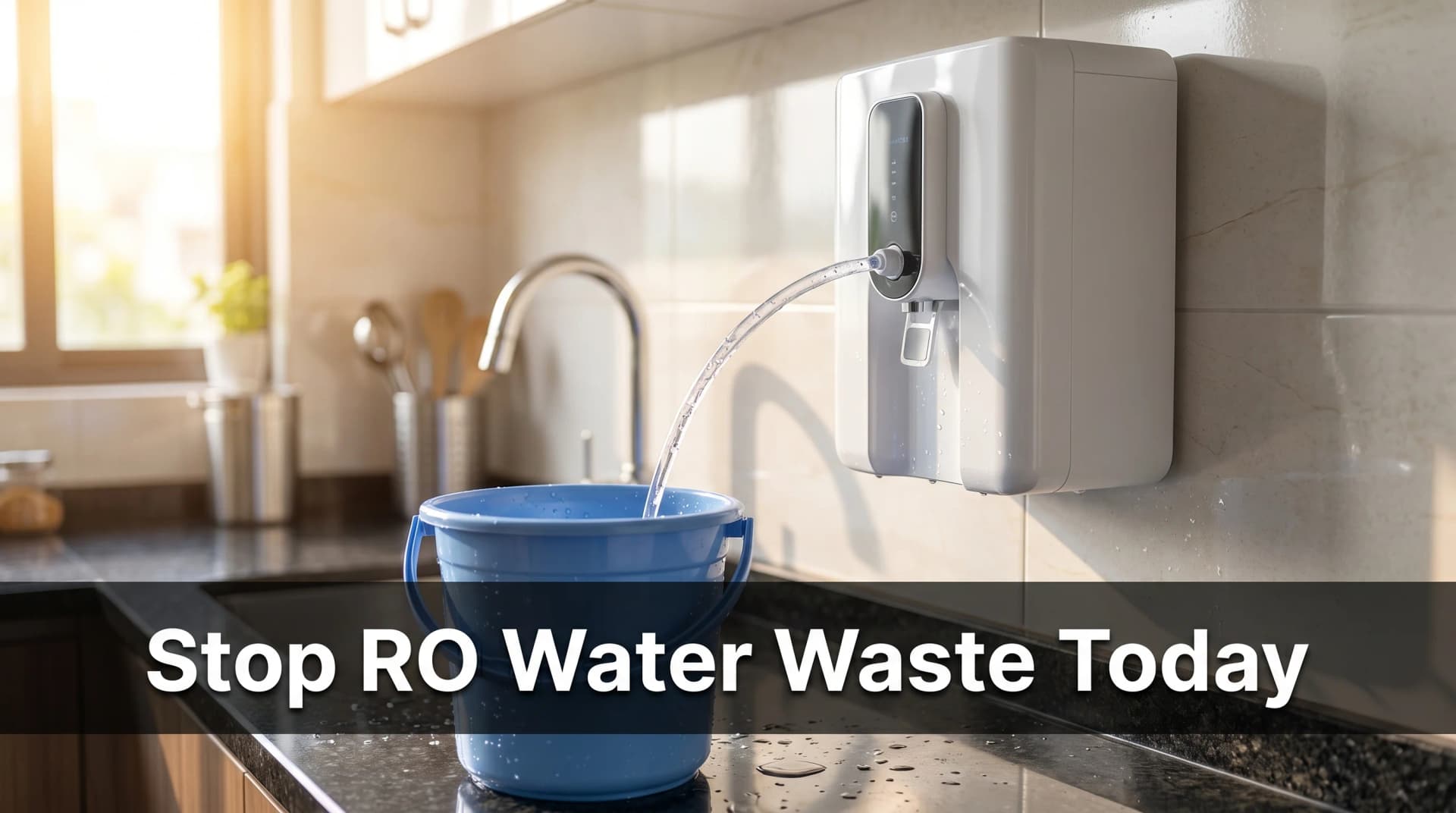
RO Water Purifier Wastage Problem – Practical Solutions to Reduce Water Waste and Improve Efficiency
Water scarcity is a growing concern across India, and ironically, the very device installed to provide clean drinking water might be contributing to the problem. Reverse osmosis water purifiers, while excellent at removing contaminants, are notorious for wasting significant amounts of water during the purification process. Many households in cities like Kolkata, Mumbai, and Bangalore unknowingly drain hundreds of liters monthly through their purifiers. Understanding why this wastage occurs and how to minimize it can make a substantial difference to both your water bills and environmental impact. With proper maintenance from professional ro service kolkata providers and smart usage practices, you can dramatically reduce water wastage while maintaining the quality of purified water your family needs.
The average household reverse osmosis system discards approximately three to four liters of water for every liter it purifies, creating what experts call reject water. This translates to nearly 75 percent wastage in standard models without recovery systems. In a city like Kolkata where water conservation is increasingly important, this level of wastage becomes both economically and environmentally unsustainable. However, this problem is not without solutions. Regular ro water purifier service kolkata appointments combined with strategic modifications can cut wastage by half or more.
Modern advancements in purification technology and simple household adjustments offer practical ways to tackle this challenge. Whether through installing zero waste kits, utilizing reject water for non-drinking purposes, or ensuring your system operates at peak efficiency through timely ro service, homeowners have multiple options. The key lies in understanding how your purifier works and taking proactive steps before wastage spirals out of control.
Ignoring water wastage not only affects your monthly expenses but also places unnecessary strain on local water resources. Fortunately, accessing quality ro customer care kolkata services and implementing the strategies outlined below can transform your purifier from a water-wasting appliance into an efficient, responsible system that serves your family without compromising on conservation.
Understanding Why Reverse Osmosis Systems Waste Water
The fundamental design of reverse osmosis technology necessitates some water rejection. During purification, water is forced through a semi-permeable membrane under high pressure. This membrane blocks dissolved solids, heavy metals, bacteria, and other contaminants, but these impurities must be flushed away continuously to prevent membrane clogging. This flushing process creates what is called brine or reject water.
The rejection ratio depends on several factors including inlet water quality, membrane condition, and system pressure. In areas with high total dissolved solids like many localities in Kolkata, purifiers work harder and may waste more water. Older membranes or those not serviced regularly through professional services become less efficient, increasing the rejection ratio from the standard three-to-one to sometimes six-to-one or worse.
Water pressure plays a critical role in wastage levels. Insufficient inlet pressure forces the system to work longer to produce the same amount of purified water, naturally increasing reject water volume. Conversely, excessively high pressure can damage membranes and internal components, also leading to inefficiency. Most systems require inlet pressure between 40 to 60 PSI for optimal performance.
Temperature affects purification efficiency as well. Colder water is more viscous and flows less easily through membranes, requiring more input water to produce the desired output. This is particularly relevant during winter months when many households notice increased wastage. Scheduling maintenance checks before seasonal changes can help adjust system parameters accordingly.
Practical Solutions to Minimize Water Wastage
Installing a zero waste kit or reject water recovery system represents one of the most effective solutions. These kits redirect reject water back into the overhead tank or storage system, allowing it to re-enter your household water supply for non-drinking purposes. While this water still contains dissolved solids and is unsuitable for consumption, it remains perfectly safe for washing, cleaning, gardening, and toilet flushing.
Utilizing reject water directly for household chores can save thousands of liters annually. Collect reject water in buckets or containers for mopping floors, washing vehicles, watering plants, or cleaning bathrooms. Many plants actually thrive on slightly mineral-rich reject water. Setting up a simple collection system near your purifier outlet makes this process effortless and habitual.
Regular membrane cleaning and replacement ensures your system operates at peak efficiency. Membranes clogged with scale, biofilm, or sediment require more water to produce the same purified output. Professional service providers recommend membrane cleaning every six months and replacement every two to three years depending on water quality and usage patterns. Contacting customer support for scheduled maintenance prevents efficiency degradation before it becomes severe.
Adjusting the flow restrictor can optimize the purification-to-rejection ratio. The flow restrictor controls how much water passes through the membrane versus how much is rejected. While this component is preset by manufacturers, technicians during service appointments can fine-tune it based on your specific inlet water quality and pressure conditions, potentially reducing wastage by 10 to 20 percent.
Installing a pressure booster pump helps maintain optimal operating pressure, especially in areas with low municipal water pressure. When pressure drops below the recommended range, purifiers compensate by processing more water and rejecting proportionally more. A booster pump ensures consistent pressure, improving efficiency and reducing rejection ratios significantly.
Types of Water Recovery and Reuse Systems
Overhead tank recirculation systems represent the most comprehensive solution for zero waste operation. These systems pump reject water directly into your building's overhead tank, mixing it with incoming municipal water. This diluted water then flows to taps used for washing and cleaning while your purifier draws from the same source, creating a closed-loop system with minimal overall wastage.
Inline reject water storage tanks provide a simpler alternative for smaller households. These dedicated tanks collect reject water separately, which can be accessed through a separate tap for cleaning purposes. Available in sizes ranging from 50 to 200 liters, these tanks ensure you always have non-potable water available for chores without manual collection.
Greywater integration systems connect purifier reject water to your existing greywater management setup if you have one. Homes with rainwater harvesting or greywater recycling already in place can easily incorporate reject water into these systems, maximizing overall water conservation efforts across the household.
Drip irrigation connection for gardens offers an elegant solution for households with plants or kitchen gardens. Reject water contains minerals that can actually benefit plant growth when used appropriately. Simple PVC piping can direct reject water to garden beds, eliminating wastage while reducing your gardening water requirements.
Maintenance Tips for Long-term Efficiency
Pre-filter replacement prevents membrane overload and extends its lifespan considerably. Pre-filters trap larger particles, sediment, and chlorine before water reaches the delicate membrane. When these filters become saturated, contaminants pass through, clogging the membrane and forcing higher rejection ratios. Replace sediment and carbon pre-filters every six to twelve months through professional ro water purifier service kolkata visits.
Regular sanitization prevents biofilm buildup that reduces membrane efficiency. Bacterial growth on membrane surfaces creates resistance to water flow, demanding more input water for the same output. Annual sanitization procedures performed during service appointments keep systems hygienic and efficient simultaneously.
Water quality testing helps optimize system settings for your specific conditions. Inlet water quality varies by location and season. Testing total dissolved solids, hardness, and pH levels enables technicians to adjust system parameters precisely, minimizing wastage while ensuring adequate purification. Many service providers include complimentary water testing with annual maintenance contracts.
Monitoring reject water volume provides early warning of developing problems. Track how much water your system wastes weekly by measuring reject water output. Sudden increases indicate membrane fouling, pressure problems, or component failures requiring immediate attention. Early intervention prevents minor issues from escalating into major inefficiencies.
Maintenance Activity | Recommended Frequency | Impact on Wastage Reduction |
|---|---|---|
Pre-filter Replacement | Every 6-12 months | 15-20% improvement |
Membrane Cleaning | Every 6 months | 20-30% improvement |
Membrane Replacement | Every 2-3 years | 30-40% improvement |
Sanitization | Annually | 10-15% improvement |
Flow Restrictor Adjustment | During service visits | 10-20% improvement |
Water Quality Testing | Bi-annually | Enables optimization |
Choosing the Right Service Provider for Optimal Performance
Selecting experienced technicians ensures your purifier receives proper care that maximizes efficiency. Look for service providers with certified technicians who understand the nuances of different purifier models and water conditions specific to your area. Kolkata's water quality varies significantly between localities, requiring localized expertise for optimal system configuration.
Comprehensive service packages typically deliver better long-term value than individual service calls. Annual maintenance contracts with reputable providers include scheduled filter replacements, membrane cleaning, sanitization, and system optimization. These packages ensure consistent performance and prevent efficiency degradation that increases water wastage over time.
Genuine spare parts make a substantial difference in system longevity and efficiency. Aftermarket or counterfeit membranes and filters may cost less initially but often perform poorly, increasing rejection ratios and requiring premature replacement. Verify that your service provider uses manufacturer-approved or equivalent-quality components during servicing.
Responsive customer support becomes crucial when problems arise. Systems that suddenly start wasting excessive water require prompt attention to prevent hundreds of liters from draining unnecessarily. Choose providers with quick response times and readily available technicians who can address urgent efficiency issues before they compound.
Conclusion
Water wastage from reverse osmosis purifiers represents a solvable challenge rather than an inevitable consequence of clean drinking water. By understanding the mechanisms behind reject water generation and implementing practical solutions like recovery systems, regular maintenance through professional services, and direct reuse of reject water, households can reduce wastage dramatically while maintaining purification quality. The combination of proper system care, technological additions like zero waste kits, and conscious water management transforms purifiers from wasteful appliances into efficient, responsible devices. With Kolkata and other Indian cities facing increasing water stress, taking proactive steps to minimize purifier wastage contributes meaningfully to broader conservation efforts. Whether through scheduling regular maintenance appointments, installing recovery systems, or simply collecting reject water for household chores, every action counts toward sustainable water usage. The investment in these solutions pays dividends through lower water bills, reduced environmental impact, and the satisfaction of knowing your pursuit of clean drinking water no longer comes at the cost of precious water resources.
RO water purifiers typically waste 3-4 litres for every litre purified, but this doesn't have to burden your household or the environment. Learn more about practical techniques like repurposing reject water for cleaning, gardening, and laundry, adjusting TDS controllers, installing zero-waste kits, and choosing newer models with improved recovery ratios. Discover how simple modifications and mindful usage can help you reduce wastage by up to 80% while maintaining water quality. Explore further into maintenance practices that optimize efficiency and stay informed about technological advances making RO systems more sustainable for water-conscious Indian homes.
Related Blogs
RO vs UV vs UF: Which Water Purifier is Best for Vijayawada Water?
Fix Your Water Purifier Today: Same-Day RO Repair and Maintenance in Kolkata
RO Membrane Replacement in Vijayawada– Signs, Cost & Expert Tips
RO Water Purifier Service in Kolkata: The Complete Annual Maintenance Guide for Every Household
RO Repair in Kolkata: How to Diagnose, Fix, and Prevent the 10 Most Common Purifier Problems
Best RO Service in Kolkata: How to Choose the Right Provider and Avoid Common Mistakes
How to Choose Best RO Service in Nagpur: Expert Guide to Choose Wisely