
Ro is not working even after regular servicing in Kolkata
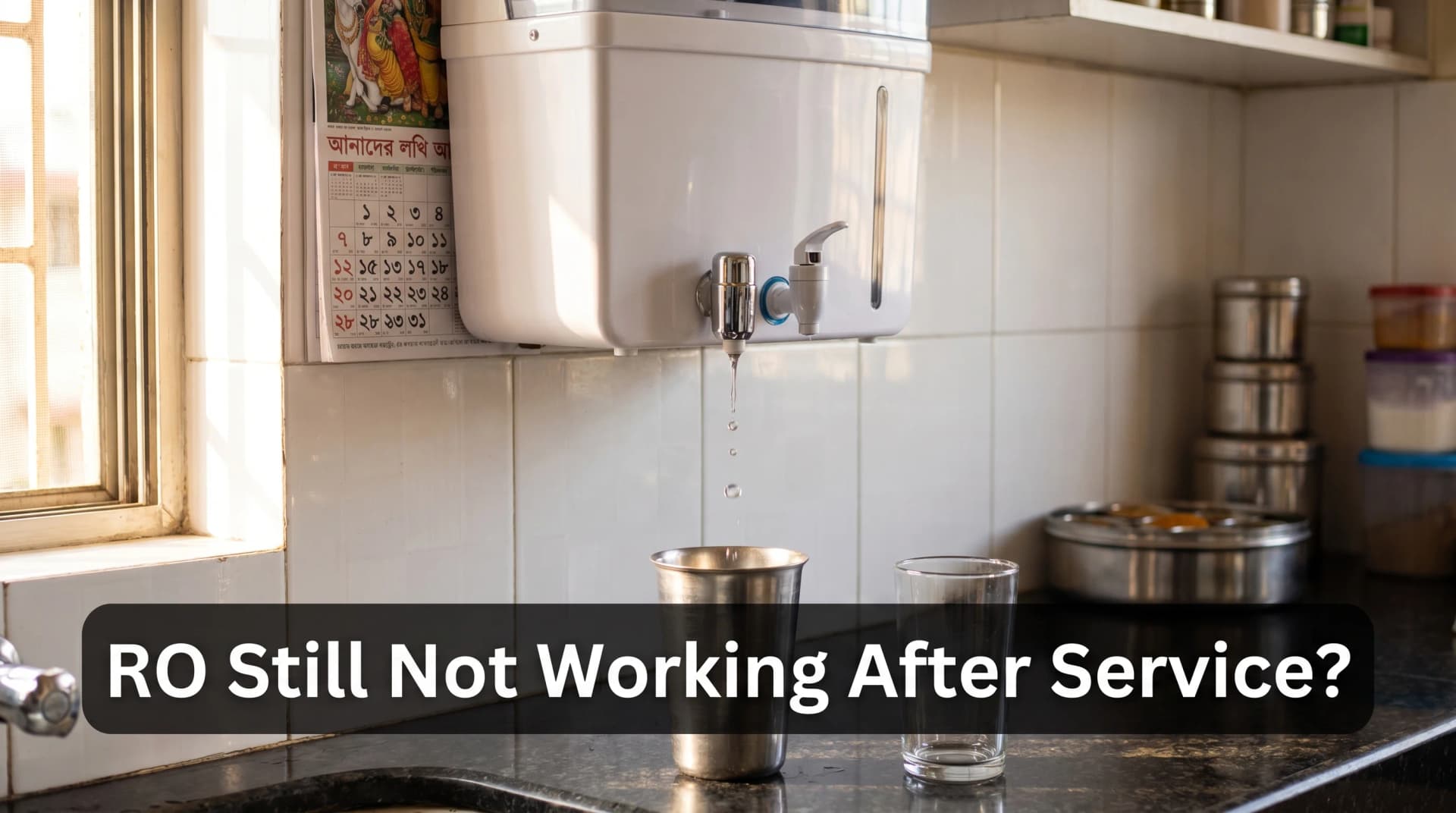
Is Your RO Water Purifier Still Malfunctioning After Regular Servicing in Kolkata? Here's What You Need to Know
Water quality remains a pressing concern for Kolkata residents, making RO water purifiers an essential household appliance. However, nothing frustrates homeowners more than discovering their purifier still isn't functioning properly even after what seemed like a thorough ro service kolkata session. This troubling scenario affects thousands of households across the city every year, leaving families questioning the quality of maintenance they received and wondering whether their investment in clean water is truly protected.
The paradox of a malfunctioning water purifier post-servicing stems from several complex factors that many standard service providers overlook. From incompatible replacement parts to inadequate diagnostic procedures, the gap between basic maintenance and comprehensive repair often leaves critical issues unresolved. Understanding why your RO system continues to underperform despite regular professional attention requires examining both the technical aspects of water purification and the quality standards maintained by service providers in Kolkata's competitive market.
The implications extend beyond mere inconvenience. A poorly functioning RO system compromises your family's health by potentially allowing contaminants through inadequately maintained filters or damaged membranes. Additionally, persistent problems lead to higher electricity consumption, increased water wastage, and premature equipment failure that could necessitate complete replacement rather than simple repairs. For households already investing in ro water purifier service kolkata, packages, discovering that problems persist represents both a financial burden and a health concern.
This comprehensive guide examines the common reasons why RO purifiers continue experiencing issues after servicing, identifies red flags indicating substandard maintenance, and provides actionable solutions for Kolkata residents seeking reliable water purification. Whether you're dealing with persistent low water flow, unusual taste or odor, frequent filter clogging, or complete system failure, understanding the root causes empowers you to demand better service and protect your household's water quality investment.
Common Reasons Your RO Purifier Fails After Servicing
Many Kolkata households discover their water purification problems persist or even worsen following what technicians described as comprehensive servicing. The most prevalent issue involves incomplete filter replacement procedures. While service personnel may replace the visible pre-filters and sediment filters, they sometimes neglect the crucial RO membrane replacement due to cost considerations or inventory shortages. The RO membrane typically requires replacement every two to three years depending on water quality and usage patterns, yet some technicians extend this timeline inappropriately to reduce service costs.
Inadequate system sanitization represents another critical oversight during routine ro service sessions. The storage tank, connecting pipes, and purification chamber require thorough disinfection to prevent bacterial growth and biofilm formation. Many rushed service appointments skip this essential step, allowing microbial contamination to persist and potentially worsen over time. This explains why some households notice improved taste immediately after servicing, only to experience deterioration within weeks as bacterial colonies re-establish themselves throughout the system.
The use of incompatible or substandard replacement parts creates ongoing performance issues that surface days or weeks after servicing. Generic filters and membranes from unreliable manufacturers may physically fit your RO system but fail to meet the specifications required for optimal performance. These inferior components often have lower rejection rates for dissolved solids, shorter operational lifespans, and poor structural integrity that leads to leakage or cracking. When ro customer care kolkata technicians source parts from unauthorized suppliers to maximize profit margins, your purifier's long-term functionality becomes compromised regardless of how recently it received attention.
Installation errors during reassembly constitute a frequently overlooked category of post-service problems. RO systems contain numerous O-rings, seals, and connection points that must be properly aligned and secured to prevent leakage and maintain appropriate pressure throughout the purification process. A technician who rushes through reassembly or lacks proper training may cross-thread connections, install seals incorrectly, or fail to adequately tighten critical junction points. These mistakes manifest as dripping faucets, reduced water production, or complete system failure that appears unrelated to the original maintenance work.
Technical Issues That Standard Servicing Overlooks
Beyond routine filter changes, several technical problems require specialized diagnostic attention that standard servicing appointments typically don't provide. Low water pressure issues frequently stem from clogged flow restrictors or partially blocked RO membranes that basic servicing fails to identify. The flow restrictor maintains optimal pressure for effective purification, but mineral deposits gradually reduce its efficiency. Similarly, a fouled membrane may still produce water but at dramatically reduced rejection rates, allowing dissolved solids to pass through while appearing to function normally.
Electrical component failures represent another category of problems that require specialized expertise beyond basic filter replacement. The auto-shutoff valve, pressure switch, and solenoid valves control water flow through various purification stages and manage the tank filling process. When these components malfunction, symptoms include continuous water flow to drain, failure to shut off when the tank fills, or inability to initiate purification cycles. Standard service technicians often lack the diagnostic tools and electrical knowledge to identify and repair these issues, instead focusing exclusively on filter-related maintenance.
The booster pump, essential for maintaining adequate pressure through the RO membrane, experiences wear over time that reduces its effectiveness. Symptoms of pump deterioration include increased noise during operation, reduced water production rates, and intermittent functioning. Many service providers ignore pump performance unless it fails completely, missing opportunities to address declining efficiency before complete breakdown occurs. This oversight leaves households with gradually worsening performance that they attribute to normal aging rather than serviceable mechanical issues.
Water quality variations specific to Kolkata's municipal supply create unique challenges that generic servicing approaches fail to address. The city's water hardness levels, chlorine content, and seasonal contamination patterns vary significantly across neighborhoods and throughout the year. A one-size-fits-all servicing protocol cannot account for these local variations, resulting in inadequate filter selection or improper system configuration for your specific water conditions. Effective maintenance requires testing incoming water quality and adjusting the purification system accordingly, steps that rushed service appointments typically skip.
Warning Signs of Inadequate Service Quality
Recognizing the indicators of substandard maintenance helps Kolkata residents identify when their service provider isn't delivering comprehensive care. The most obvious red flag involves extremely short service appointments, typically completed in fifteen minutes or less. Proper RO system maintenance requires adequate time for thorough inspection, testing, sanitization, and reassembly. A technician who rushes through these steps inevitably overlooks critical issues or performs incomplete procedures that leave underlying problems unresolved.
Failure to provide detailed documentation represents another serious concern when evaluating service quality. Professional teams should furnish detailed reports documenting water quality tests conducted before and after servicing, listing all parts replaced with specifications, noting any issues discovered during inspection, and providing recommendations for addressing observed problems. The absence of such documentation makes it impossible to track your system's maintenance history or hold service providers accountable for work quality.
Watch for technicians who avoid or discourage questions about the specific procedures they're performing. Legitimate service professionals welcome customer inquiries and readily explain what they're doing, why particular parts need replacement, and how specific interventions address identified problems. Evasive responses or dismissive attitudes often indicate inadequate training or attempts to conceal shortcuts being taken during the service process. Similarly, pressure to purchase expensive upgrades or complete system replacements without clear technical justification suggests profit-driven recommendations rather than genuine equipment needs.
The following comparison table illustrates differences between comprehensive and inadequate servicing approaches:
| Service Component | Comprehensive Service | Inadequate Service |
|---|---|---|
| Duration | 45-90 minutes | 10-20 minutes |
| Water Testing | Before and after, documented | Not performed or undocumented |
| Sanitization | Complete system disinfection | Minimal or skipped |
| Parts Quality | Manufacturer-certified components | Generic or unknown origin |
| Documentation | Detailed service report provided | No documentation or minimal receipt |
| Inspection | All components examined and tested | Only visible filters addressed |
| Technician Knowledge | Answers technical questions clearly | Avoids or deflects inquiries |
| Follow-up | Scheduled callback to verify performance | No post-service contact |
Solutions for Persistent RO Problems After Servicing
When standard appointments fail to resolve ongoing issues, implementing a more systematic diagnostic approach becomes necessary. Begin by conducting your own basic assessment to identify specific symptoms and their patterns. Document when problems occur, whether issues are constant or intermittent, and any changes in water taste, odor, color, or flow rate. This information helps professional technicians diagnose problems more effectively and prevents them from defaulting to generic servicing procedures that won't address your specific issues.
Consider requesting a comprehensive system audit from specialized water treatment professionals rather than relying on standard maintenance technicians. These experts utilize advanced diagnostic equipment including TDS meters, pressure gauges, and flow rate measurement tools to identify performance deficiencies throughout your purification system. They can detect problems invisible to visual inspection, such as membrane fouling percentages, pressure imbalances between stages, and contamination in sealed components. While this specialized service costs more than routine maintenance, it prevents the ongoing expense and frustration of repeated inadequate servicing.
Switching to a different provider often resolves persistent problems when your current technician has repeatedly failed to address issues effectively. Research providers with strong reputations specifically for troubleshooting and repair rather than just routine maintenance. Seek recommendations from neighbors who have experienced similar problems, consult online reviews focusing on problem resolution rather than just general service satisfaction, and verify that prospective providers employ certified technicians with manufacturer training. The investment in higher-quality service pays dividends through improved system performance and reduced long-term maintenance costs.
For complex or recurring issues, insist on component-level diagnosis rather than simple filter replacement. This approach involves:
- Testing water quality at each purification stage to isolate where contamination enters or inadequate treatment occurs
- Measuring pressure differentials across filters and membranes to identify flow restrictions
- Inspecting electrical components with multimeters to verify proper voltage and continuity
- Examining seals and connection points under operating pressure to detect slow leaks
- Assessing pump performance through flow rate measurements and noise analysis
- Reviewing installation configuration against manufacturer specifications
Selecting Reliable RO Service Providers in Kolkata
The abundance of options creates both opportunity and confusion for households seeking dependable maintenance. Prioritize providers demonstrating verifiable expertise through manufacturer certifications, technician training credentials, and documented case studies of complex problem resolution. Avoid selecting solely based on the lowest price quotes, as cut-rate service typically involves compromised parts quality, rushed procedures, or inexperienced technicians who lack diagnostic capabilities beyond basic filter replacement.
Evaluate potential service providers based on their diagnostic approach during initial consultation. Quality providers begin by asking detailed questions about your specific symptoms, water usage patterns, service history, and any previous problems experienced. They should express willingness to conduct water quality testing and comprehensive system inspection before recommending solutions. Be wary of technicians who diagnose problems and prescribe solutions over the phone without examining your equipment, as this indicates a cookie-cutter approach rather than genuine problem-solving expertise.
Transparent pricing structures indicate reputable operations worthy of your business. Reliable providers offer detailed cost breakdowns separating labor charges from parts expenses, clearly state warranty terms covering both components and workmanship, and explain price variations based on service requirements discovered during inspection. Avoid providers unwilling to furnish written estimates or those who significantly increase charges after beginning work without clear justification for additional expenses incurred.
Consider these essential questions when evaluating providers:
- What certifications do your technicians hold?
- Do you use manufacturer-certified genuine parts or generic alternatives?
- What specific procedures does your standard service appointment include?
- How do you handle situations where initial servicing doesn't resolve reported problems?
- What documentation will you provide detailing work performed and parts replaced?
- Do you offer any performance guarantees or satisfaction warranties?
- What is your typical response time for service calls and follow-up visits?
- Can you provide references from customers with similar purifier models and problems?
Preventive Measures to Minimize Post-Service Problems
Implementing proactive maintenance practices reduces the likelihood of persistent problems following professional appointments. Establish a regular inspection schedule between professional servicing, checking for visible leaks, unusual noises, changes in water flow rate, or alterations in taste and odor. Early detection of developing issues allows you to schedule service before problems escalate to the point of complete system failure or permanent component damage requiring expensive replacement.
Maintain detailed records of all service appointments including dates, work performed, parts replaced, costs incurred, and technician names. This documentation creates accountability for service quality and helps identify patterns when specific technicians or providers consistently deliver superior or inferior results. Your maintenance log also provides valuable diagnostic information when troubleshooting persistent problems, allowing new technicians to understand your system's complete service history without relying on potentially incomplete company records.
Monitor your water quality independently using affordable TDS testing meters available for purchase throughout Kolkata at prices ranging from 200 to 800 rupees. Regular testing reveals whether your purification system maintains consistent performance between professional servicing appointments. Significant increases in TDS readings indicate declining membrane efficiency or other filtration problems requiring attention before your next scheduled service. This proactive approach prevents prolonged exposure to inadequately purified water while waiting for routine maintenance cycles.
Educate yourself about your specific RO system's components, normal operating parameters, and common failure modes. Understanding how your equipment should function enables you to recognize when technicians perform incomplete work or make questionable recommendations. Many manufacturers provide detailed user manuals and online resources explaining system operation, troubleshooting procedures, and maintenance requirements. This knowledge empowers you to ask informed questions during service appointments and evaluate whether technicians are addressing your specific equipment's needs appropriately.
Conclusion
The frustrating experience of dealing with a malfunctioning RO water purifier despite regular servicing affects numerous Kolkata households annually, stemming from inadequate diagnostic procedures, substandard replacement parts, incomplete sanitization protocols, and installation errors during reassembly. Understanding the technical complexities that standard appointments often overlook empowers consumers to demand comprehensive maintenance addressing root causes rather than merely replacing visible components. Recognition of warning signs indicating poor service quality, combined with systematic approaches to problem diagnosis and resolution, transforms the relationship between homeowners and service providers from passive acceptance to active quality management.
The solutions outlined throughout this guide emphasize the importance of thorough system audits, component-level diagnosis, and partnerships with genuinely skilled professionals possessing both technical expertise and diagnostic equipment necessary for complex troubleshooting. While comprehensive service costs more initially than basic filter replacement, the investment prevents ongoing frustration, protects family health, and extends equipment lifespan through proper maintenance. Kolkata residents deserve reliable access to purified water without the recurring disappointment of persistent problems following professional attention.
Moving forward, implementing preventive monitoring practices, maintaining detailed service records, and developing basic understanding of your purification system's operation creates the foundation for successful long-term equipment performance. Whether working with your current provider to improve service quality or transitioning to specialists better equipped to address complex issues, the path to consistently safe drinking water requires active engagement rather than passive reliance on inadequate maintenance protocols. Your family's health depends on properly functioning water purification, making the effort to secure genuinely effective service an investment that pays dividends through years of reliable performance and peace of mind.
Learn more about the hidden factors affecting RO purifier performance in Kolkata's unique water conditions. Explore further into maintenance best practices, water quality testing methods, and component lifespan expectations to stay informed about your home's water safety. Discover how understanding TDS levels, membrane compatibility, and service quality indicators can help you make better decisions for your family's health and appliance longevity.