
Complete RO Filter Replacement Guide for Kolkata Homes
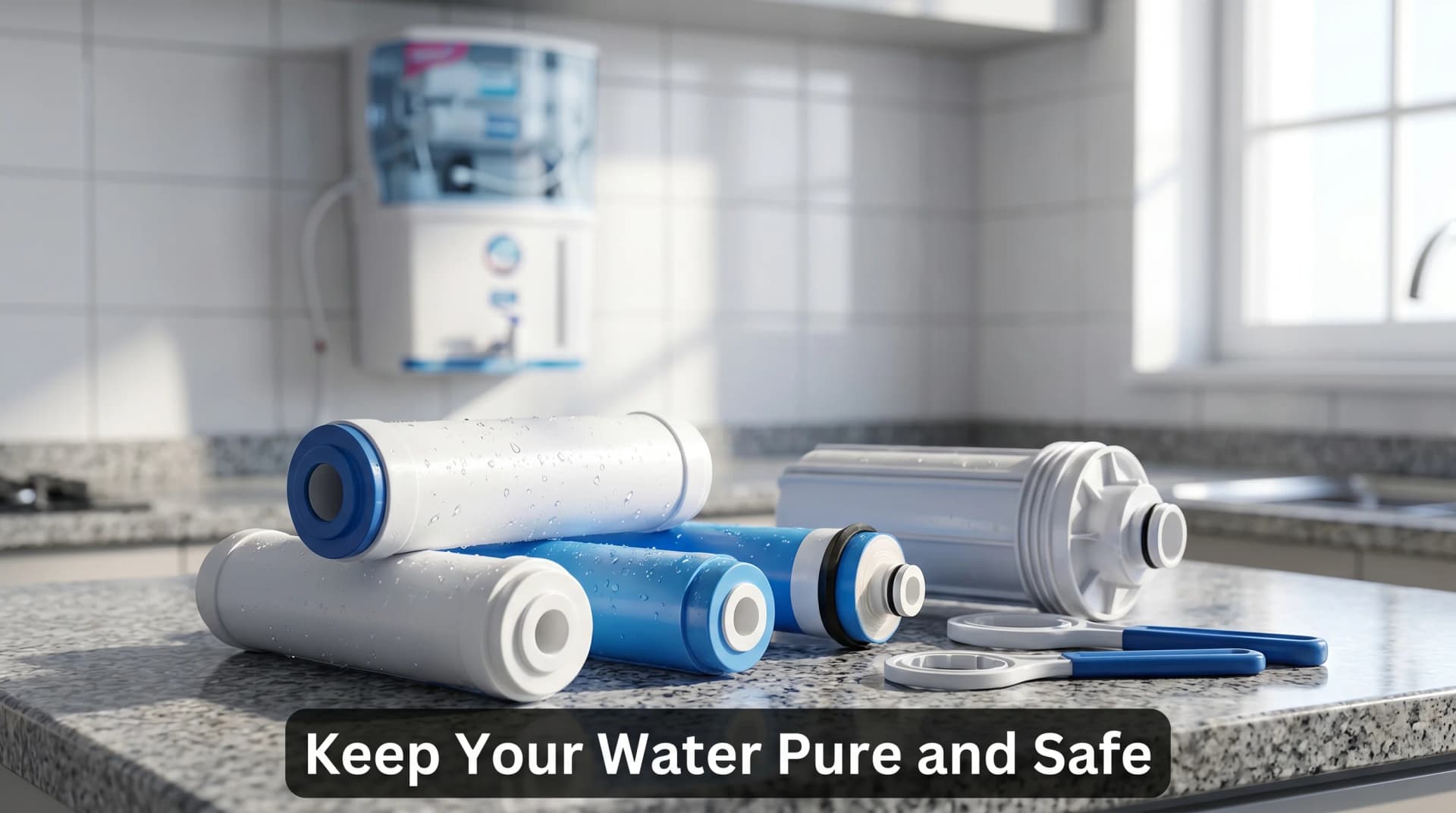
Complete Guide to Keeping Your Water Purifier Fresh Through Regular Filter Changes in Kolkata
Every household in Kolkata relies on clean drinking water, but the quality of this water depends entirely on how well maintained your purification system remains. The water that flows through the taps in different areas of the city carries varying levels of contaminants, dissolved solids, and impurities that affect not just taste but also health. Regular filter replacement stands as the cornerstone of maintaining optimal water quality, yet many homeowners overlook this critical aspect until their system shows visible signs of deterioration or water quality drops significantly. Understanding when and how to replace filters can make the difference between pure, healthy water and potentially contaminated drinking water that defeats the entire purpose of having a purification system.
The unique water conditions in Kolkata present specific challenges that make filter maintenance even more crucial. The groundwater in many neighborhoods contains high levels of total dissolved solids, ranging from 300 to 900 parts per million in different localities. Surface water sources, while treated by municipal authorities, often pick up additional contaminants during distribution through aging pipelines. These factors mean that purification systems in Kolkata work harder than those in cities with better source water quality, leading to faster filter saturation and more frequent replacement needs. Residents who delay filter changes not only compromise water quality but also risk damaging the expensive membrane components that form the heart of the purification system.
Professional ro service kolkata providers consistently emphasize that filter replacement is not merely a maintenance recommendation but an essential health requirement. Studies have shown that filters operating beyond their recommended lifespan can become breeding grounds for bacteria, with microbial counts increasing exponentially after the filter media becomes saturated. In 2026, health awareness has reached new heights, and families understand that the small investment in timely filter replacement prevents larger expenses related to waterborne illnesses and system repairs. The question is not whether to replace filters, but rather how to do so effectively, economically, and according to the right schedule for your specific water conditions and usage patterns.
This comprehensive guide walks you through everything Kolkata residents need to know about filter replacement, from understanding the different filter stages to recognizing warning signs, calculating costs, and choosing between professional services and DIY approaches. Whether you live in a high-rise apartment in Salt Lake or a traditional home in South Kolkata, the principles of proper filter maintenance remain consistent, though the specific timelines may vary based on your unique water quality and consumption levels.
Understanding the Multi-Stage Filtration System
Modern water purification systems use multiple filter stages, each designed to remove specific types of contaminants. The first stage typically consists of a sediment filter that captures visible particles, rust, sand, and dirt particles larger than 5 microns. This filter takes the brunt of the initial contamination load and consequently wears out fastest, usually requiring replacement every 3 to 6 months depending on the sediment levels in your area. Neighborhoods near construction sites or areas with older pipelines often see sediment filters clogging within 3 months, while areas with cleaner supply water may extend this to 6 months.
The second and third stages usually involve activated carbon filters that remove chlorine, volatile organic compounds, pesticides, and odor-causing substances. These carbon block or granular activated carbon filters have a recommended lifespan of 6 to 12 months. The carbon media gradually becomes saturated with contaminants, losing its adsorption capacity over time. When carbon filters exceed their lifespan, you may notice changes in water taste or smell, indicating that chlorine and organic compounds are passing through untreated.
The membrane stage represents the most critical and expensive component, filtering out dissolved salts, heavy metals, bacteria, viruses, and other microscopic contaminants. Quality membranes typically last 24 to 36 months when pre-filters are changed regularly, but this lifespan drops dramatically if pre-filters are neglected. A clogged sediment or carbon filter forces contaminated water directly onto the membrane surface, causing premature fouling and failure. Professional ro service providers report that nearly 60 percent of membrane failures result from inadequate pre-filter maintenance rather than membrane defects.
The post-carbon filter, installed after the membrane, provides final polishing to enhance taste and remove any residual odors from the storage tank. This stage requires replacement every 12 months, though its impact on health is less critical than the earlier stages. Understanding this multi-stage approach helps homeowners prioritize replacement schedules and allocate maintenance budgets effectively.
Recognizing the Warning Signs That Demand Immediate Filter Replacement
Several clear indicators signal when filters have exceeded their useful life and require immediate attention. The most obvious sign is a noticeable decrease in water flow rate from the dispensing tap. When filters become clogged with accumulated contaminants, water struggles to pass through, reducing the flow to a trickle. This situation stresses the entire system, increases electricity consumption, and can damage the booster pump. If filling a standard glass takes more than 10 seconds, your filters likely need replacement.
Changes in water taste, odor, or appearance provide another critical warning. If you detect a chlorine smell, metallic taste, or cloudiness in the filtered water, the carbon filters and possibly the membrane have become saturated. Some Kolkata residents report a salty or brackish taste when the membrane begins failing, allowing dissolved solids to pass through. Any deviation from the clean, neutral taste of properly filtered water warrants immediate investigation and likely filter replacement.
Increased total dissolved solids readings, measured using an inexpensive TDS meter available for around 300 rupees, offer objective evidence of filtration breakdown. Well-functioning systems in Kolkata typically produce water with TDS levels between 30 and 80 ppm, depending on the input water quality. If your output TDS climbs above 100 or increases significantly from your baseline reading, the membrane or pre-filters need attention. Regular weekly or monthly TDS testing provides early warning before taste changes become obvious.
Unusual noises from the system, such as vibrating pumps, frequent auto-flushing, or extended operation without shutoff, indicate that clogged filters are creating back pressure and forcing the system to work harder. This not only wastes water and electricity but also accelerates wear on mechanical components. Residents seeking reliable ro water purifier service kolkata support should address these symptoms promptly rather than waiting for complete system failure.
Calculating Realistic Costs and Choosing Service Options
Filter replacement costs vary considerably based on system type, brand compatibility, filter quality, and whether you choose professional service or attempt self-replacement. For a standard multi-stage system in 2026, a complete annual filter replacement including all pre-filters typically ranges from 1,800 to 3,500 rupees when using quality compatible filters. Membrane replacement, required every 2 to 3 years, adds another 1,500 to 4,000 rupees depending on the membrane specification and brand.
Professional service packages offered by experienced ro customer care kolkata providers typically bundle filter replacements with comprehensive system inspection, cleaning, and sanitization. These annual maintenance contracts range from 2,500 to 5,000 rupees and provide the advantage of scheduled service visits, genuine or certified compatible filters, and warranty coverage on the work performed. The peace of mind and expertise provided often justifies the slightly higher cost compared to DIY approaches, particularly for homeowners uncomfortable with technical work.
DIY filter replacement saves money but requires careful attention to proper procedures. Purchasing filters from reliable vendors ensures you receive quality products rather than counterfeit or substandard alternatives that flood certain markets. When replacing filters yourself, maintain strict hygiene by washing hands thoroughly, sanitizing all connections with food-grade disinfectant, and following the manufacturer's installation sequence. Incorrect installation can introduce contamination, cause leaks, or damage components, negating any cost savings.
The calculation should also consider the hidden costs of delayed maintenance. A failed membrane costs significantly more than the pre-filters that could have protected it. Hospital bills for waterborne illnesses dwarf the annual maintenance investment. System replacement due to neglect costs 8,000 to 25,000 rupees depending on capacity and features. Viewed through this lens, timely filter replacement represents not an expense but rather an investment in health protection and equipment longevity.
Creating a Personalized Maintenance Schedule for Kolkata Conditions
Establishing the right replacement schedule requires understanding your specific water quality, consumption patterns, and system capacity. Households in areas with high TDS input water, such as some parts of North and Central Kolkata where groundwater exceeds 700 ppm, should consider more frequent filter changes than the standard recommendations. A family of four consuming 15 to 20 liters daily will saturate filters faster than a couple using 8 liters per day.
The practical approach involves keeping a simple maintenance log recording installation dates for each filter stage, monthly TDS readings, and any observations about taste, flow rate, or system behavior. This documentation helps identify patterns specific to your situation and optimizes the replacement schedule over time. Many Kolkata residents find that their actual needs differ from manufacturer guidelines, with some filters lasting longer and others requiring more frequent replacement based on local conditions.
Seasonal variations also influence filter performance and lifespan. Monsoon months from June through September typically bring increased turbidity and contamination loads, accelerating sediment filter clogging. Scheduling a pre-monsoon service visit in May allows you to enter the challenging season with fresh filters. Similarly, a post-monsoon check in October addresses any accumulated load from the heavy rainfall months.
Working with established service providers who maintain customer records and send replacement reminders simplifies the tracking process. These professionals understand Kolkata's water challenges across different neighborhoods and can recommend optimized schedules based on experience with thousands of similar installations. The relationship-based approach ensures consistent service quality and builds the expertise needed to keep your specific system operating optimally year after year.
Protecting Your Investment Through Preventive Measures
Beyond regular filter replacement, several preventive practices extend filter life and improve overall system performance. Installing a pre-filter or whole-house sediment filter before the main purification system significantly reduces the contamination load reaching the primary filters. This simple addition, costing 800 to 2,000 rupees, can extend sediment filter life by 50 to 100 percent in high-sediment areas, paying for itself through reduced maintenance frequency.
Regular external cleaning prevents dust accumulation and maintains proper ventilation around the system. Wiping down the exterior surfaces monthly and checking for any moisture or leaks catches potential problems early. Ensuring adequate space around the unit allows proper air circulation, preventing overheating of electrical components and extending their service life beyond the typical 5 to 7 year expectation.
Proper storage tank maintenance contributes to overall water quality even when filters function correctly. Draining and sanitizing the storage tank every 6 months prevents biofilm formation and bacterial growth that can recontaminate already-purified water. This simple 30-minute procedure uses food-grade sanitizing solution and fresh water rinses, ensuring the tank interior remains as clean as when first installed.
Understanding these maintenance principles empowers Kolkata residents to take ownership of their water quality rather than treating purification systems as mysterious appliances that occasionally malfunction. The knowledge transforms filter replacement from a reactive emergency into a planned, budgeted aspect of responsible home management that protects family health and maximizes equipment value.
Ensuring Long-Term Water Safety Through Consistent Care
Maintaining a water purification system through regular filter replacement represents one of the most cost-effective health investments any Kolkata household can make. The relatively small annual expense of 3,000 to 6,000 rupees for complete maintenance pales in comparison to the value of preventing waterborne illnesses, extending system lifespan, and ensuring consistent access to safe drinking water. As water quality challenges continue in urban India, the importance of proper maintenance only increases, making informed homeowners who prioritize filter replacement true guardians of their family's wellbeing. By following the guidance outlined here, residents across Kolkata can enjoy the full benefits of their purification investment while minimizing unexpected breakdowns and maximizing water quality year after year.
FAQ
Q: How often should I replace the filters in my water purification system in Kolkata?
A: The replacement frequency depends on your specific water quality and daily water consumption, but general guidelines suggest sediment and carbon filters need changing every 6-12 months, while membrane filters typically last 2-3 years. Kolkata's water conditions, with TDS levels ranging from 300-900 ppm in different areas, often mean filters saturate faster than in cities with better source water quality. Households with higher water consumption or poorer input water quality may need to replace filters at the shorter end of this range. Always monitor your water taste, flow rate, and quality as these indicators often signal when replacement is needed before the scheduled timeline.
Q: What are the warning signs that my water purification filters need immediate replacement?
A: Several clear indicators suggest your filters need urgent replacement, including a noticeable change in water taste or odor, which often signals carbon filter saturation. Reduced water flow rate or pressure from your purification system typically indicates clogged sediment filters that are blocking water passage. If you notice the purified water becoming cloudy or developing an unusual color, this suggests filter media has become completely saturated and may even be releasing trapped contaminants back into your drinking water. Some advanced systems also have alert indicators or lights that signal when filters have reached their capacity based on volume processed or time elapsed.
Q: What is the typical cost range for replacing all filters in a water purification system in Kolkata?
A: Complete filter replacement costs vary significantly based on your system type, brand, and specific filter quality, but most Kolkata households can expect to spend between ₹2,000 to ₹6,000 for a full set of filters including sediment, carbon, and post-carbon filters. Membrane replacement, which happens less frequently, typically costs an additional ₹1,500 to ₹4,000 depending on the membrane type and capacity. These costs can be managed by replacing filters on their individual schedules rather than all at once, spreading the expense throughout the year. Professional service packages often offer better rates than purchasing filters individually, and some providers include installation as part of the filter cost.
Q: Should I hire a professional service for filter replacement or can I do it myself?
A: While basic filter replacements like sediment and carbon filters can be handled by homeowners with basic technical skills and proper instructions, professional service offers several advantages including guaranteed compatibility, proper sanitization of filter housings, and system performance checks. DIY replacement can save on service charges (typically ₹300-₹800), but risks include purchasing incorrect filter sizes, improper installation leading to leaks, and missing opportunities to identify other system issues during maintenance. For membrane replacement or if you're unfamiliar with your system's configuration, professional service is strongly recommended to avoid damaging expensive components. Many Kolkata residents prefer annual professional servicing with DIY replacements for pre-filters in between to balance cost and reliability.
Maintaining your RO system properly ensures your family's access to safe drinking water throughout the year. Learn more about identifying when filters need replacement, understanding the specific water challenges in different Kolkata neighborhoods, and selecting the right maintenance schedule based on your water quality. Explore further into filter lifespan indicators, cost-effective service plans, and how seasonal variations in Kolkata's water supply impact your purification system's performance and longevity.