
7 Warning Signs Your RO Needs Urgent Service in Kolkata
Seven Critical Indicators Your Water Purification System Demands Immediate Professional Attention
Clean drinking water remains non-negotiable for every household in Kolkata, where municipal supply quality varies significantly across different neighborhoods. Your reverse osmosis system works silently in the background, protecting your family from contaminants and ensuring safe hydration throughout the day. However, like any sophisticated appliance, these purification systems send distress signals when they begin experiencing technical difficulties. Recognizing these warning signs early can prevent minor issues from escalating into expensive repairs or complete system failures that leave your household without safe drinking water.
Most homeowners in Kolkata tend to ignore subtle changes in their water purifier's performance until the problem becomes impossible to overlook. This reactive approach often results in contaminated drinking water consumption, higher repair bills, and unnecessary health risks for family members. Understanding the critical indicators that demand immediate professional intervention helps you maintain consistent access to pure drinking water while extending your purification system's operational lifespan. The difference between a simple filter replacement and a complete system overhaul often lies in how quickly you respond to early warning signals.
The humid climate and water quality challenges specific to Kolkata create unique stress factors for reverse osmosis systems operating in this region. Total dissolved solids levels in municipal water supply can fluctuate dramatically depending on seasonal variations and your specific location within the city. Additionally, increased microbial contamination during monsoon months puts extra pressure on filtration components, accelerating wear and tear on essential parts. These regional factors make timely maintenance even more critical for Kolkata residents compared to households in other Indian cities with different water quality profiles.
This comprehensive guide examines seven unmistakable warning signs that your purification system requires urgent professional attention from qualified ro customer care specialists. Each indicator represents a specific technical issue that, if left unaddressed, can compromise water quality, damage system components, or create health hazards for your household. By understanding what these symptoms reveal about your system's internal condition, you can make informed decisions about scheduling ro service kolkata assistance before minor malfunctions transform into major emergencies.
Dramatic Changes in Water Flow and Pressure
One of the most noticeable indicators that something has gone wrong with your purification system involves significant alterations in water dispensing speed. When your system suddenly produces water at a noticeably slower rate than usual, this typically signals membrane blockage, pressure pump malfunction, or severely clogged pre-filters struggling to process incoming water. Normal output for residential systems ranges between 8 to 12 liters per hour, and any reduction below this threshold deserves immediate investigation by water purifier service kolkata professionals who can diagnose the underlying cause.
Conversely, unexpectedly increased flow rates can indicate equally serious problems, particularly membrane damage that allows unfiltered water to bypass proper purification stages. This situation poses immediate health risks since contaminated water reaches your glass without adequate treatment. Pressure-related issues might also stem from faulty storage tank bladders, damaged inlet valves, or air pressure imbalances within the system's pressurized components. These mechanical failures require specialized diagnostic tools and replacement parts that only trained technicians typically possess.
Unusual Taste, Odor, or Appearance in Purified Water
Your senses provide excellent early warning systems for detecting purification failures that laboratory tests might reveal more comprehensively. When properly functioning, reverse osmosis water should taste neutral, smell completely odorless, and appear crystal clear without any visible particles, cloudiness, or discoloration. Any deviation from these characteristics demands immediate attention from ro service professionals who can identify whether the problem originates from exhausted filters, compromised membranes, or bacterial contamination within storage tanks.
Metallic or bitter tastes often indicate that the RO membrane has developed tears or perforations, allowing dissolved minerals to pass through without proper removal. Chlorine odors suggest that carbon filters have reached saturation capacity and can no longer remove chemical disinfectants from municipal supply. Musty or foul smells typically point toward bacterial growth inside storage tanks or delivery pipes, a situation requiring immediate sanitization and component replacement. In Kolkata's climate where temperatures and humidity create ideal conditions for microbial proliferation, these contamination issues can develop rapidly between routine maintenance visits.
Continuous or Excessive Wastewater Discharge
Reverse osmosis technology inherently produces reject water as part of the purification process, but the ratio between purified and wasted water should remain within manufacturer-specified parameters. Standard systems typically operate at ratios between 1:3 to 1:4, meaning one liter of purified water generates three to four liters of concentrate discharge. When you notice your drain line constantly running water even when the storage tank has reached capacity, this indicates serious control valve failures, pressure switch malfunctions, or auto-shut-off mechanism breakdowns that require immediate professional intervention.
Excessive wastewater production not only increases your municipal water bills unnecessarily but also signals inefficient purification that may compromise output water quality. Malfunctioning flow restrictors, damaged check valves, or improperly calibrated pressure settings can all contribute to this problem. Given Kolkata's growing concerns about water conservation and increasing tariffs from municipal corporations, addressing these efficiency issues quickly makes both environmental and economic sense for households throughout the city.
Visible Leakage Around System Components
Water accumulation around your purification system's base, visible moisture on connecting pipes, or dripping from various junctions represents more than minor inconveniences requiring occasional mopping. These leaks indicate compromised seals, cracked housings, loose connections, or damaged tubing that can worsen rapidly if not addressed promptly. Beyond the obvious water wastage and potential damage to surrounding cabinets or flooring, leaks create moisture conditions that promote mold growth and attract pests into your kitchen environment.
Leak locations provide important diagnostic clues about underlying problems. Pre-filter housing leaks typically result from cross-threaded assemblies or deteriorated O-rings that need replacement. Membrane housing leakage might indicate excessive internal pressure or physical damage to the vessel itself. Storage tank leaks could signal bladder ruptures requiring complete tank replacement. Professional technicians can quickly identify leak sources, replace damaged components with genuine parts, and verify system integrity through pressure testing protocols that prevent recurrence.
Noisy Operation or Unusual Sounds
Well-maintained purification systems operate with minimal audible output beyond the gentle hum of the booster pump during water production cycles. When your system begins producing grinding noises, loud vibrations, continuous humming when the tank is full, or clicking sounds that occur irregularly, these acoustic symptoms reveal mechanical problems demanding professional diagnosis. Pump bearings may be wearing out, motor windings might be failing, or loose mounting hardware could be allowing excessive vibration transmission to surrounding cabinetry.
Gurgling sounds from the drain line during operation are generally normal, but persistent gurgling when the system should be idle suggests check valve failures or air infiltration into the water lines. Whistling or hissing noises often indicate restricted flow through partially clogged components or excessively high inlet water pressure stressing system components. Each distinctive sound pattern provides trained experts with valuable diagnostic information about which components require inspection, adjustment, or replacement to restore quiet, efficient operation.
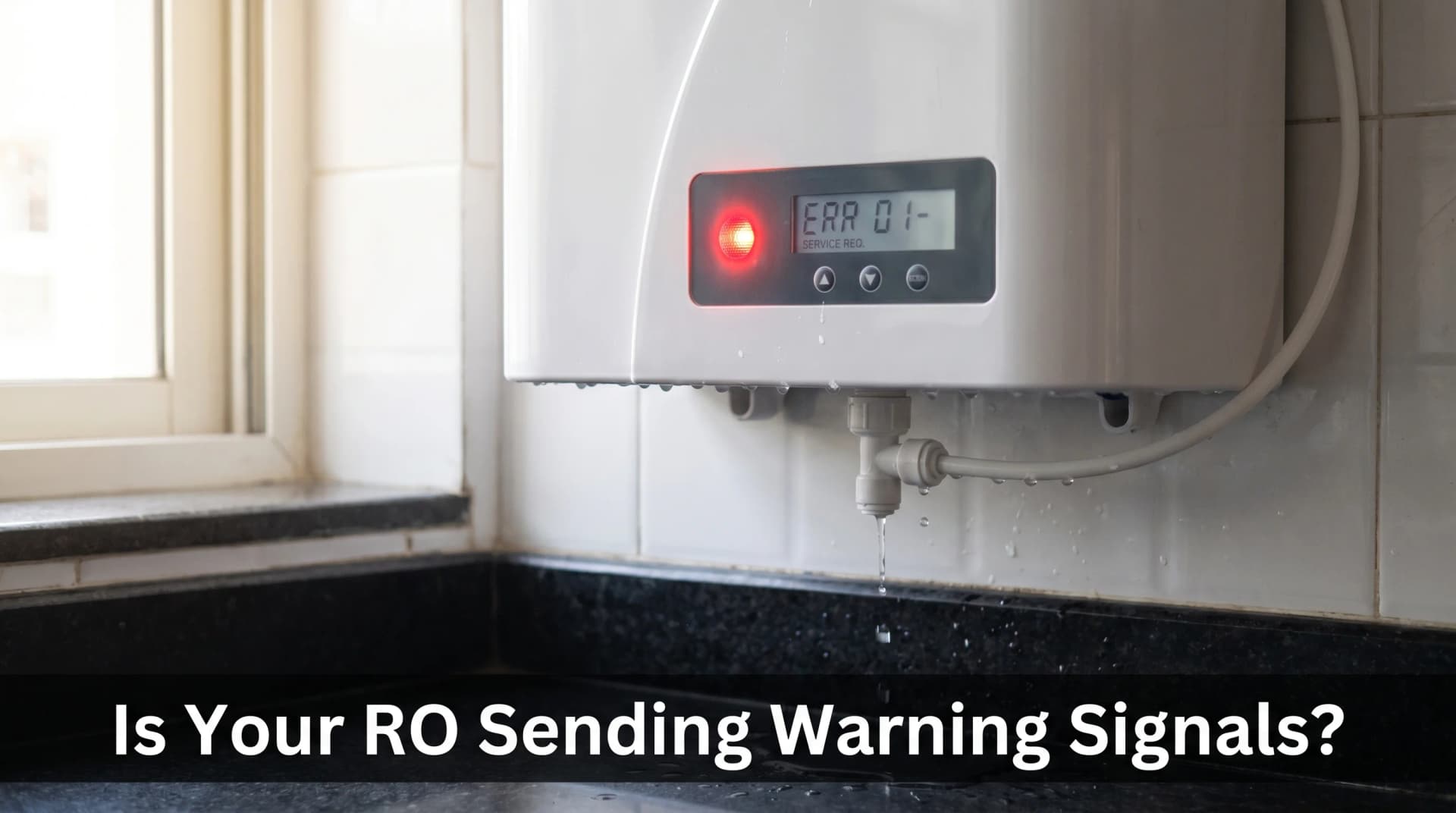
Alert Indicators or Error Messages
Modern purification systems incorporate electronic monitoring capabilities that track operational parameters and notify users when attention is required. Ignoring these warning lights or error messages represents false economy since they are specifically designed to alert you before minor issues escalate into major failures. Filter replacement indicators track actual water volume processed rather than arbitrary time intervals, ensuring you replace consumables at optimal intervals based on your household's actual usage patterns and local water quality conditions.
Service reminder alerts typically activate based on manufacturer-recommended maintenance schedules and should prompt you to schedule professional appointments for comprehensive system evaluation. Some advanced systems feature water quality monitors that continuously test output purity, activating alerts when TDS levels exceed safe thresholds. These electronic warnings provide objective data about system performance that subjective assessments might miss, making them valuable tools for maintaining consistent water quality. Contact service professionals whenever alert indicators activate to schedule diagnostic assessments that identify underlying causes and implement appropriate corrective measures.
Decreased Storage Tank Capacity or Filling Issues
Storage tank problems manifest through various symptoms that significantly impact system usability. When your purification system runs continuously without the storage tank ever reaching full capacity, or when the tank empties unusually quickly during normal usage, these behaviors indicate pressure-related malfunctions requiring technical expertise to resolve. Internal bladder failures, insufficient air charge, faulty pressure switches, or damaged auto-shut-off valves all contribute to these frustrating capacity issues.
The storage tank maintains appropriate pressure differential through an internal bladder separating air and water compartments. When this bladder develops tears or the air charge dissipates, the tank cannot function properly, resulting in diminished effective capacity and inadequate delivery pressure at your dispensing faucet. These mechanical failures require specialized tools for accurate diagnosis and repair, making professional assistance essential for restoring proper tank function and ensuring your household maintains adequate purified water reserves throughout the day.
Understanding Different Warning Sign Categories
Warning indicators typically fall into distinct categories based on their underlying causes and urgency levels. Performance-related symptoms like flow reduction or taste changes suggest component degradation that gradually worsens over time, allowing some flexibility in scheduling service appointments. Safety-critical indicators such as continuous leakage, severe taste alterations, or complete output failure demand immediate professional response to prevent health risks or property damage from developing.
Efficiency warnings including excessive wastewater production or unusual operational sounds indicate problems that increase operating costs and accelerate component wear but may not present immediate safety concerns. Nevertheless, addressing these issues promptly prevents them from evolving into more serious malfunctions requiring expensive repairs. Understanding warning sign categories helps you prioritize response appropriately while ensuring all issues receive timely attention from qualified service professionals.
Safeguarding Your Household Water Quality
Maintaining vigilance regarding these seven critical warning signs empowers you to protect your family's health while optimizing your purification system's performance and longevity. Regular attention to system behavior, coupled with prompt professional intervention when problems emerge, ensures consistent access to safe drinking water regardless of seasonal variations or municipal supply quality fluctuations affecting Kolkata's neighborhoods. Investing in timely maintenance and repairs ultimately costs far less than emergency replacements or medical expenses resulting from contaminated water consumption. By partnering with experienced service professionals who understand regional water challenges and system technologies, you establish reliable protection for your household's most essential resource throughout 2026 and beyond.
FAQ
Q - How can I tell if my RO water purifier in Kolkata needs immediate servicing?
A - Watch for dramatic changes in water flow rate, as significantly slower dispensing usually indicates membrane blockage or clogged filters. Strange tastes, odors, or cloudiness in purified water signal that filtration components are failing to remove contaminants properly. Unusual noises like grinding, humming, or rattling from the system suggest mechanical problems with the pump or internal components. Water leakage around the unit, constant tank refilling, or the system running continuously without shutting off are critical signs demanding immediate professional attention to prevent water quality issues and component damage.
Q - Why is regular maintenance more important for RO systems in Kolkata compared to other cities?
A - Kolkata's water quality presents unique challenges due to fluctuating TDS levels in municipal supply that vary by neighborhood and season. The city's humid climate accelerates bacterial growth and puts additional stress on filtration components. Monsoon months bring increased microbial contamination that places extra burden on purification systems. These regional factors cause faster wear on filters and membranes, making timely servicing essential to maintain water safety and system performance throughout the year.
Q - What health risks exist if I continue using my RO purifier despite warning signs?
A - Continuing to use a malfunctioning purifier can expose your family to contaminants that the compromised system no longer removes effectively. Failed or saturated filters may allow bacteria, dissolved solids, and chemical impurities to pass through into your drinking water. Membrane damage means the system cannot adequately filter harmful substances, potentially causing waterborne illnesses. Ignoring warning signs transforms your purification system from a safety device into a false security measure that appears to work while actually delivering contaminated water.
Q - Can I delay servicing if my RO system still produces some water?
A - Delaying servicing when warning signs appear typically escalates minor problems into expensive repairs or complete system replacement. What starts as a simple filter change can progress to membrane damage, pump failure, or storage tank contamination if ignored. Reduced water flow or quality changes indicate your system is already struggling and likely delivering partially purified water. Immediate professional inspection prevents further component damage, maintains water safety, and ultimately costs less than emergency repairs after complete system failure leaves your household without safe drinking water.
Learn more about maintaining your RO system's performance by recognizing early warning indicators before they escalate into complete failures. Explore further how unusual taste changes, decreased water flow, continuous drainage sounds, and visible membrane discoloration signal urgent maintenance needs that protect your family's health and extend equipment lifespan in Kolkata's challenging water conditions.