
Why Does RO Water Taste Bad? 7 Causes & Quick Fixes
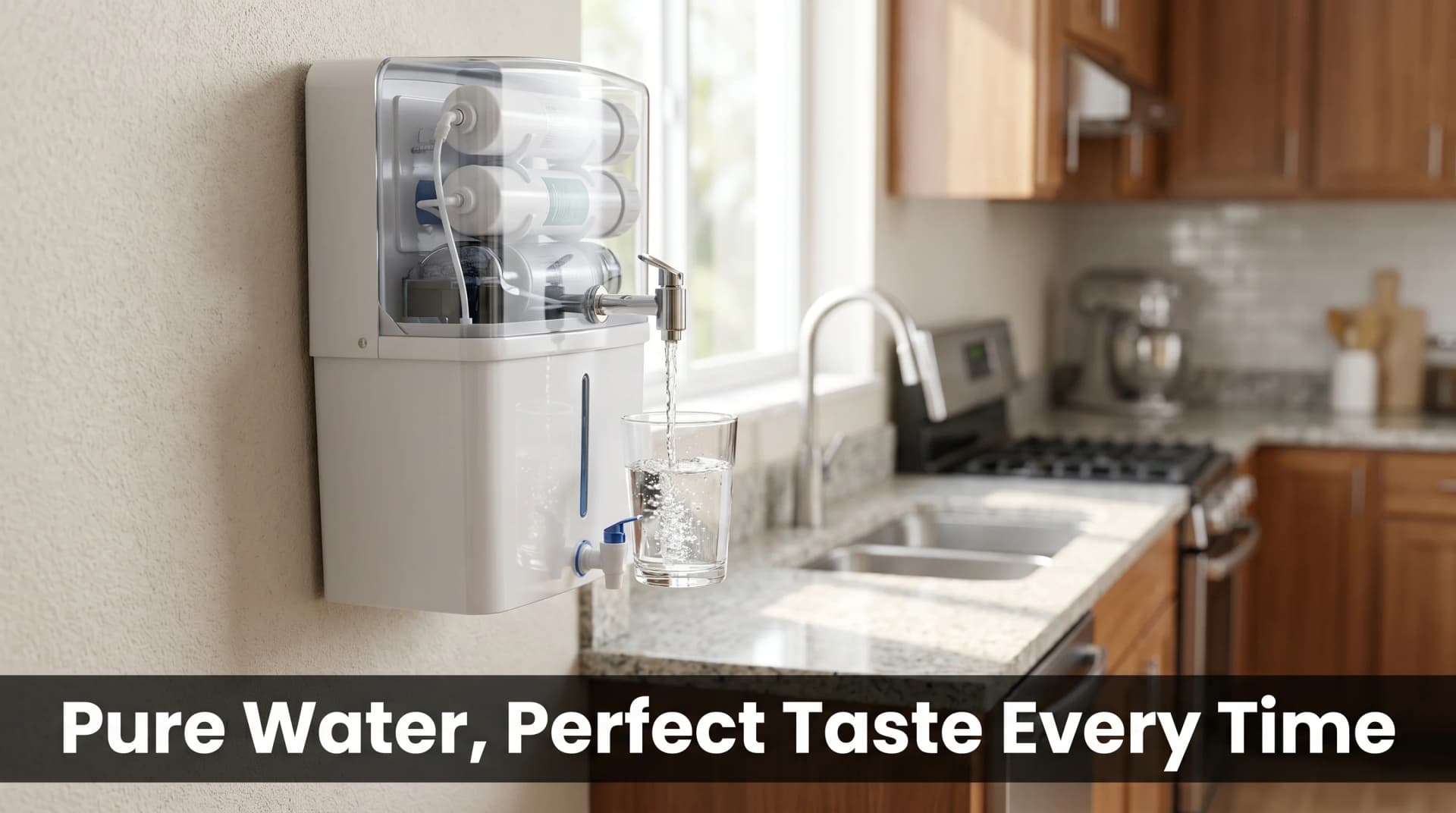
Why Your RO Water Tastes Strange: Expert Solutions to Restore Pure, Fresh Drinking Water
You installed a reverse osmosis water purification system expecting crystal-clear, refreshing water every single day. Yet recently, you have noticed something is off. The water tastes strange, perhaps slightly bitter, metallic, or even faintly like plastic. This unsettling experience leaves you wondering whether your investment in clean water was worth it. Rest assured, you are not alone in facing this challenge. Thousands of households across India encounter taste-related issues with their RO systems each year, particularly in urban areas where water quality fluctuates constantly.
Understanding why your RO water develops an unpleasant taste requires looking beyond the surface. Multiple factors can compromise water quality, from aging filtration components to incorrect installation practices. The good news is that most taste problems have straightforward solutions that restore your water to its intended purity. Regular ro service plays a crucial role in preventing these issues before they affect your family's drinking experience. Whether you recently purchased your system or have been using it for years, identifying the root cause helps you take appropriate corrective action quickly.
Water quality directly impacts your health, making it essential to address taste problems promptly rather than ignoring them. What seems like a minor inconvenience might indicate deeper maintenance issues requiring professional attention. Many homeowners attempt DIY fixes without understanding the technical aspects of reverse osmosis technology, sometimes worsening the problem. Professional ro service kolkata providers possess the specialized knowledge and equipment needed to diagnose and resolve taste issues effectively. Their expertise ensures your system operates at peak efficiency, delivering the pure water your household deserves.
This comprehensive guide explores the seven most common reasons your RO water tastes bad and provides practical solutions for each situation. By the end, you will understand exactly what steps to take to restore that fresh, clean taste you expect from your purification system. Whether you need simple filter replacements or comprehensive system servicing, knowing these causes empowers you to make informed decisions about your water quality.
Exhausted or Contaminated Filters Affecting Water Quality
The most frequent culprit behind bad-tasting RO water is filters that have exceeded their useful lifespan. Your purification system typically contains three to five different filtration stages, each designed to remove specific contaminants. The sediment pre-filter catches larger particles like sand, rust, and dirt. The activated carbon filters eliminate chlorine, volatile organic compounds, and substances that cause unpleasant tastes and odours. When these filters become saturated with impurities, they lose their effectiveness and may actually release trapped contaminants back into your drinking water.
Most manufacturers recommend replacing sediment and carbon filters every six to twelve months, depending on your water source quality and daily consumption. Households in areas with higher total dissolved solids or turbidity levels need more frequent replacements. Signs that your filters need changing include decreased water flow, visible discolouration in the filter housing, and of course, changes in taste or smell. Delaying filter replacement saves money in the short term but compromises your health and puts unnecessary strain on the RO membrane, which costs significantly more to replace.
Professional ro water purifier service kolkata technicians can assess your specific usage patterns and water conditions to recommend optimal replacement schedules. They examine each filter stage, checking for bacterial growth, sediment buildup, and structural integrity. Some advanced systems include filter change indicators, but these timers cannot account for variations in water quality. During routine service visits, technicians also sanitize filter housings to prevent biofilm formation, which creates musty or earthy tastes even after installing fresh filters.
Ignoring filter maintenance creates a cascading effect throughout your entire system. A clogged sediment filter forces your carbon filter to handle larger particles it was not designed to capture. This premature loading reduces the carbon filter's ability to remove chlorine and organic compounds, allowing these taste-affecting substances to reach your glass. Investing in timely filter replacements protects both your health and your more expensive system components.
Deteriorated or Fouled RO Membrane Creating Off Flavours
The semi-permeable reverse osmosis membrane represents the heart of your purification system, responsible for removing up to 98 percent of dissolved solids, heavy metals, and microscopic contaminants. This delicate component typically lasts two to three years under normal conditions but can fail prematurely due to poor pre-filtration, chemical damage, or biological fouling. When the membrane deteriorates, it loses its selective permeability, allowing rejected impurities to pass through into your purified water storage tank.
Membrane fouling occurs when minerals, organic matter, or microorganisms accumulate on the membrane surface, creating a barrier that alters filtration efficiency. Hard water areas experience faster scaling from calcium and magnesium deposits. Industrial pollutants or agricultural runoff can introduce compounds that chemically degrade membrane material. Bacterial colonies sometimes establish themselves on the membrane surface despite chlorine treatment, producing biofilms that impart foul tastes and odours to your drinking water.
Testing your water's total dissolved solids before and after the RO membrane provides clear evidence of membrane performance. Fresh purified water should measure between 10 and 50 ppm, while tap water in Indian cities often ranges from 200 to 800 ppm or higher. If your post-filtration reading approaches half of your source water reading, membrane replacement is necessary. Professional ro customer care kolkata services utilize specialized testing equipment to evaluate membrane rejection rates accurately, ensuring you replace components only when truly needed rather than following arbitrary timelines.
Membrane cleaning can sometimes restore performance if caught early, particularly for mineral scaling issues. Technicians use food-grade citric acid solutions to dissolve calcium deposits without damaging membrane fibres. However, membranes contaminated with chlorine, iron, or biological matter typically require replacement. Preventive measures include installing water softeners in hard water areas and ensuring pre-filters receive timely replacement to protect this critical component.
Storage Tank Contamination Introducing Unpleasant Tastes
Your RO system accumulates purified water in a pressurized storage tank, typically holding between 8 and 12 litres. This tank contains a rubber bladder that separates water from compressed air used to maintain delivery pressure. Over months and years, this bladder can develop cracks or degradation, especially when exposed to temperature fluctuations or low-quality manufacturing. Deteriorating rubber releases compounds that create a distinct rubbery or plastic taste in your drinking water.
The tank's interior surfaces also provide opportunities for bacterial growth if not properly maintained. Dead spaces where water circulation is minimal become breeding grounds for microorganisms. These bacteria form biofilms on tank walls and connection points, producing metabolic byproducts that affect water taste and smell. Stagnant water scenarios worsen during periods when households travel or reduce water consumption, allowing bacterial populations to multiply unchecked.
Complete tank sanitization should occur at least annually as part of comprehensive ro service protocols. This process involves draining the tank completely, flushing with food-grade sanitizing solutions, and thoroughly rinsing before refilling. Technicians also check bladder pressure, which should typically maintain between 5 and 7 psi when empty. Incorrect pressure settings reduce water delivery efficiency and can cause the bladder to rupture, necessitating full tank replacement.
Some modern systems feature tanks with antimicrobial linings that inhibit bacterial growth. Upgrading to these advanced tanks during ro water purifier service kolkata visits provides long-term protection against contamination issues. Regular usage helps prevent stagnation, so if you will be away from home for extended periods, consider draining your storage tank before departure and running the system for several minutes upon return to flush any accumulated bacteria.
Plumbing Issues and Cross-Contamination Problems
The tubing and connections throughout your RO system can introduce taste problems when they degrade or become contaminated. Most systems use food-grade plastic tubing, but prolonged exposure to sunlight, heat, or certain chemicals causes this material to break down. Degraded tubing releases plasticizers and other compounds that create chemical tastes in your water. Installation near heat sources like water heaters or cooking appliances accelerates this deterioration process.
Cross-contamination occurs when there is backflow from drain lines or when reject water lines accidentally connect with purified water pathways. Improper installation creates scenarios where wastewater mixes with treated water, introducing all the contaminants your system removed back into your drinking supply. This serious issue requires immediate professional attention from qualified ro service kolkata technicians who understand proper system configuration and local plumbing codes.
Leaking connections also compromise water quality by allowing untreated water or airborne contaminants to enter the purified water stream. Small drips that seem insignificant can create moisture conditions favouring mould and mildew growth around fittings and tubing. These fungi produce musty odours and tastes that persist until the contamination source is eliminated and affected components are replaced.
During professional service appointments, technicians inspect all tubing for discolouration, brittleness, or cracks. They verify that drain saddle connections are secure and that check valves function properly to prevent backflow. Replacing suspect tubing is inexpensive compared to dealing with ongoing taste issues or potential health risks from contaminated water. Quality service providers use premium tubing materials specifically rated for drinking water applications.
Post-Filter Carbon Issues Affecting Final Water Quality
Many RO systems include a final polishing filter containing activated carbon positioned after the storage tank. This post-filter removes any residual tastes or odours that might develop during storage and provides a final barrier against contamination. Like pre-filters, this carbon filter has a limited lifespan and requires regular replacement, typically every 12 months. Exhausted post-filters lose their adsorption capacity and may release previously captured compounds back into your water.
The post-filter becomes especially important if your storage tank develops any contamination issues. It serves as your last line of defence before water reaches your tap. Some households notice that water tastes fine immediately after the RO membrane but develops off-flavours after sitting in the tank. In these cases, a fresh post-filter often resolves the problem by capturing the compounds responsible for the unpleasant taste.
Carbon quality varies significantly between manufacturers, with higher-grade activated carbons providing superior taste and odour removal. Budget replacement filters sometimes use inferior carbon that releases fine particles or fails to adequately polish your water. Professional ro customer care kolkata providers stock premium replacement components that meet or exceed original equipment specifications, ensuring consistent performance and water quality.
Proper post-filter maintenance includes flushing for several minutes after installation to remove carbon fines, those tiny particles that can cloud water initially. Some systems feature transparent filter housings that allow visual inspection for sediment accumulation or bacterial growth. If you notice black specks in your water after filter changes, this typically indicates carbon fines that will clear after thorough flushing rather than a contamination problem.
System Pressure and Flow Rate Complications
Adequate water pressure is essential for reverse osmosis systems to function correctly. Most RO units require minimum inlet pressure between 40 and 60 psi to push water through the semi-permeable membrane effectively. Insufficient pressure reduces the system's rejection rate, allowing more dissolved solids and contaminants to pass through to your drinking water. This compromised filtration often manifests as mineral or chemical tastes that should have been removed.
Low-pressure situations occur commonly in upper-floor apartments, areas with poor municipal water supply, or when multiple fixtures draw water simultaneously. Some households experience pressure drops during peak usage hours when neighbourhood demand strains the distribution system. Installing a booster pump resolves chronic low-pressure issues, ensuring consistent RO performance regardless of supply fluctuations. Professional ro service technicians can measure your system's operating pressure and recommend appropriate solutions.
Conversely, excessive pressure can damage membranes and filters, creating leaks or tears that compromise filtration efficiency. Pressure regulators protect systems from municipal supply spikes, which sometimes occur after maintenance work on water lines. Flow restrictors in the drain line must match your system's specifications, as incorrect restriction rates affect the concentrate-to-permeate ratio, potentially allowing more impurities through the membrane.
Regular ro water purifier service kolkata appointments include pressure testing at multiple points throughout the system. Technicians verify that automatic shut-off valves function properly, preventing tank overfilling and ensuring optimal pressure differentials across the membrane. These technical details significantly impact water quality but often go unnoticed until taste problems develop.
Chemical Contamination from Source Water Changes
Municipal water treatment plants occasionally alter their disinfection protocols or chemical dosing to address seasonal changes or infrastructure issues. Increased chlorine or chloramine levels overwhelm carbon filters more quickly, allowing these chemicals to reach your glass and create strong chemical or medicinal tastes. Industrial discharges, agricultural runoff during monsoon seasons, or algae blooms in reservoirs can introduce temporary contaminants that affect taste even after RO treatment.
Chloramine, an increasingly common disinfectant in Indian cities, poses particular challenges for standard carbon filters designed primarily for chlorine removal. Chloramine requires longer contact time with activated carbon and specialized filter media for effective removal. If your municipality has switched to chloramine treatment, upgrading to catalytic carbon filters during your next ro service kolkata visit ensures adequate removal of this persistent compound.
Heavy metals from aging infrastructure, such as iron, manganese, or copper, can leach into water supplies and create metallic tastes. While RO membranes remove these contaminants effectively when functioning properly, high concentrations can foul membranes and filters more rapidly than normal. Testing your source water annually helps identify changes that might require adjusting your maintenance schedule or adding specialized pre-treatment.
Some regions experience seasonal water quality variations, with higher turbidity and contaminant loads during monsoons. Increasing your filter replacement frequency during these challenging periods protects your system and maintains consistent water quality. Professional service providers familiar with local water conditions can recommend seasonal maintenance adjustments that prevent taste problems before they develop.
Understanding Different Types of Taste Issues
Not all bad tastes indicate the same underlying problem. Identifying the specific flavour helps narrow down the potential causes. A bitter or sour taste often indicates high total dissolved solids passing through a failing membrane or bacterial contamination in the storage tank. Metallic flavours typically point to heavy metal contamination, deteriorating plumbing components, or membrane damage allowing these minerals through. Chemical or medicinal tastes suggest chlorine or chloramine breakthrough from exhausted carbon filters.
Plastic or rubbery tastes almost always originate from degraded tubing, deteriorating tank bladders, or new components that require flushing. Earthy or musty flavours indicate biological contamination, either from bacterial growth in tanks and filters or from algae-related compounds in source water. Salty tastes reveal membrane failure or incorrect system settings allowing sodium and other dissolved salts to enter purified water.
The timing of taste problems also provides diagnostic clues. Issues that appear immediately after filter changes usually involve improper installation, contaminated replacement parts, or insufficient flushing. Tastes that develop gradually over weeks or months typically indicate consumable components reaching end of life. Problems that coincide with municipal maintenance work or seasonal changes point to source water quality variations requiring system adjustments.
Temperature affects taste perception significantly, with cold water masking subtle flavours that become noticeable at room temperature. If your water tastes fine when cold but develops off-flavours when warmer, this suggests mild contamination that proper maintenance can resolve. Storing RO water in the refrigerator provides temporary improvement but does not address the underlying issue requiring professional attention.
Bringing Fresh Taste Back to Your RO Water
Bad-tasting water from your reverse osmosis system is not something you should tolerate or ignore. Every unpleasant flavour indicates a maintenance need or system problem requiring attention. Regular preventive servicing prevents most taste issues from developing, protecting your investment and ensuring your family enjoys pure, refreshing water every day. Understanding the specific causes empowers you to communicate effectively with service professionals and make informed decisions about necessary repairs or replacements.
Q - How often should I replace the filters in my RO water purifier to prevent bad taste?
A - Filter replacement frequency depends on your water quality and daily usage, but general guidelines suggest changing sediment and carbon pre-filters every 6-12 months. The RO membrane typically lasts 2-3 years with proper maintenance. If you notice taste changes before these intervals, it indicates your filters may need earlier replacement. Regular professional servicing helps determine the actual condition of your filters based on your specific water conditions and consumption patterns.
Q - Can a newly installed RO system also produce bad-tasting water?
A - Yes, new systems sometimes produce unusual-tasting water during the initial days of operation. This happens because new filters and membranes may release harmless residues that affect taste temporarily. Flushing the system thoroughly by running water for 10-15 minutes usually resolves this issue. If the bad taste persists beyond a week of regular use, it could indicate installation problems, incorrect filter seating, or manufacturing defects that require professional inspection.
Q - Why does my RO water taste like plastic or have a chemical flavour?
A - A plastic or chemical taste often comes from new tubing, storage tanks, or filter housings that haven't been properly flushed during installation. Sometimes, contaminated storage tanks where bacteria grow can also create chemical-like tastes. Poor-quality replacement parts made from substandard materials may continuously leach unpleasant flavours into your water. Thorough system sanitization and ensuring all components meet food-grade standards typically eliminates this problem.
Q - Is it safe to drink RO water that tastes bad, or should I stop using it immediately?
A - While most taste issues stem from maintenance problems rather than health hazards, it's better to avoid drinking water with significant taste changes until you identify the cause. Bad taste often signals that your purification system isn't functioning optimally, which could mean contaminants aren't being properly removed. Schedule a professional inspection promptly to determine whether the issue is merely aesthetic or indicates compromised water safety. Until then, consider using alternative drinking water sources as a precaution.
Related Blogs
- RO Not Working? Quick Fixes & Expert Service in Kolkata
- RO Not Working? Quick RO Service Kollam Solutions
- Best AMC Price for RO Water Purifier Service in Kolkata
- Annual Maintenance Contract (AMC) for RO Purifiers in Kolkata: Plans, Benefits & Costs 2026
- Top RO Service Centre in Kolkata – Expert Repair & AMC