
Select Service

.webp&w=256&q=75)
Everything you need to know
The Poonch region's water characteristics are distinct enough that generic service advice doesn't always fit. Borewell water here typically carries high dissolved minerals, which puts extra load on the RO membrane. Municipal supply, when available, improves during monsoon months (when river levels are high and dilution reduces TDS), but summer and winter both bring elevated mineral content and occasional turbidity from upstream hill runoff.
This directly shapes how often your Eureka Forbes needs attention. A household in Poonch city proper on municipal supply might follow a standard filter schedule, but homes drawing from private boreholes need more frequent pre-filter and membrane changes. The sediment filter clogs faster when borewell water has high iron or clay content—something technicians see commonly here. Delaying service based on the calendar rather than actual water quality means pushing contaminated water through or straining the pump unnecessarily.
Poonch's water demands mean certain failure patterns appear faster than in flatter, lower-hardness regions. Recognizing these helps you reach out for Eureka Forbes service before small problems become expensive ones:
Poonch homeowners who stay alert to these signs typically spend far less on Eureka Forbes repairs overall, because they catch issues when they're still straightforward to fix.
Not every Eureka Forbes service visit looks the same. Understanding what each type covers helps you choose correctly and budget fairly:
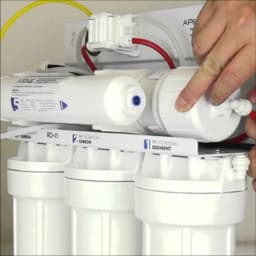
This is the core of regular maintenance. The technician replaces whichever filters are due based on your usage pattern and water source. In Poonch, most households need pre-filter replacement every 3-5 months if using borewell water, but municipal-supply users might stretch to 6 months. Carbon filters follow a similar pattern. The RO membrane, the most expensive part, typically lasts 12-18 months in high-hardness conditions, versus 18-24 months in softer water regions. A routine filter replacement visit takes about 45 minutes to an hour.
Over time, the RO membrane accumulates mineral deposits and organic matter. Cleaning restores flow and efficiency without replacement. In Poonch's hard-water environment, cleaning should happen alongside filter changes, not as an afterthought. Tank cleaning removes the mineral scale and biofilm buildup mentioned earlier.
When water quality drops suddenly or the purifier stops working, a technician diagnoses the root cause. Common issues in Poonch include pressure-gauge failures (from high mineral content), leaks at connections (mineral deposits weaken seals), and pump wear from pushing water against clogged filters. Repairs range from tightening a fitting (no charge) to replacing a valve or pump (higher cost).
If your Eureka Forbes unit is under manufacturer warranty and develops a defect, warranty-covered repairs or replacements are handled separately from paid maintenance. Knowing what your warranty covers before a problem arises prevents confusion.
Service charges depend on what needs doing, not just geography. Several factors influence the final bill:
Filter type and quantity. Replacing a sediment pre-filter costs less than replacing an RO membrane or UV bulb. If multiple filters need changing at once, the total naturally rises. A basic filter-change visit usually sits at a moderate price point; a membrane replacement with tank cleaning costs more.
Water source. Homes drawing from boreholes in and around Poonch often require more intensive cleaning than those on municipal supply, simply because mineral and sediment loads are higher. This can mean extra labor time and sometimes additional consumables.
Your purifier model.strong> Eureka Forbes has released many variants over the years. Hybrid models with UV and UF stages in addition to RO take longer to service and involve more potential components to inspect. Older or newer models may require different handling.
Parts availability.strong> If a replacement part needs to be sourced from outside Poonch, delivery time might affect when service can be completed. Ask the technician upfront whether they have stock of the parts your unit needs.
Warranty status. Purifiers still under warranty often have reduced or waived service charges for qualifying repairs. Always provide purchase documentation when booking, since warranty eligibility can significantly cut your out-of-pocket expense.
Request a written estimate before work begins. A transparent breakdown showing visit charge, parts cost, and labor separately prevents surprises when you receive the bill.
An Annual Maintenance Contract bundles ongoing service into a single yearly fee. For Poonch households with borewell water or high mineral content, an AMC plan often makes financial sense because service frequency is higher than in low-hardness regions.
Some AMC plans include filters and cleaning, others charge separately. Make sure you know whether the RO membrane replacement is included or charged as an extra. Ask explicitly whether priority booking during monsoon—when many households face service delays—is guaranteed under the plan you're considering. Clarifying these points prevents frustration later.
If you're using high-hardness borewell water, an AMC typically covers itself within a year compared to paying for each repair visit separately. Municipal-supply users with lighter usage might do better with pay-per-visit service. Households planning to move or replace the purifier within 12 months should skip the AMC and book individual visits as needed.
Poonch's climate and water patterns mean service priorities shift through the year:
Spring (March to May). As snow melts in the surrounding hills and river levels rise, municipal water turbidity increases temporarily. Pre-filter changes become important to prevent sediment from reaching the membrane. Water hardness may dip slightly, easing some load on the RO stage.
Summer (June to August). Low river levels and increased borewell reliance push TDS and hardness up. Maintenance should be strictly on schedule—skipping now guarantees problems later. Tank cleaning becomes especially important since stagnant water in hot months invites bacterial growth.
Monsoon (July to September in parts of Poonch). Increased water flow reduces TDS temporarily, but turbidity and organic matter spike. The sediment pre-filter needs close attention. Many service providers experience backlog during this period, so scheduling ahead is wise.
Winter (November to February). This is the season Poonch homeowners must be most vigilant. Hard water becomes harder; mineral deposits form inside the unit, throttle flow, and strain the pump. Membrane cleaning and anti-scaling maintenance should not be deferred. If your Eureka Forbes shows any sign of slowing in winter, book service immediately rather than waiting for full blockage.
When you contact a Eureka Forbes service provider in Poonch, have your model number and purchase date ready. This speeds diagnosis and helps the technician stock the right parts.
A typical service visit unfolds as follows: the technician begins with a water flow test and TDS meter reading to establish baseline performance. They inspect the unit for leaks, loose fittings, or scaling inside tanks. Each filter stage is checked individually—replacing only what truly needs replacing. The storage tank is drained and cleaned if mineral buildup is visible. Components are replaced with your approval. Finally, the system is run through a post-service test to confirm water flow, taste, and TDS level meet expectations before the technician leaves.
The entire visit usually takes 60 to 90 minutes, depending on how much cleaning or repair is needed. Ask questions during this time—what's being changed and why helps you understand your purifier better and avoid unnecessary future charges.
A few habits keep your purifier in better shape and reduce emergency repairs:
Reliability matters more than price when you're depending on safe drinking water. A good Eureka Forbes technician in Poonch will understand local water conditions, carry quality replacement parts, explain what they're doing clearly, and provide a service receipt documenting the work. They should also advise on when the next service is due based on your specific water source, not a generic schedule.
If a technician recommends replacing parts you don't understand or pressures you to buy unnecessary upgrades, that's a sign to seek a second opinion. Similarly, if an estimate seems unusually cheap compared to others, it may indicate the provider cuts corners on quality or will add surprise charges later.
Investing a bit of time upfront to find a technician you trust—one who understands high-hardness water and Poonch's seasonal challenges—saves money and frustration over the years your Eureka Forbes is in use.
What makes us different
Poonch receives water from multiple sources—some households depend on municipal supply from the Poonch River, others rely on deep boreholes that tap mineral-rich aquifers. This variability means water hardness, TDS levels, and sediment load can change between neighborhoods, and even between seasons. Eureka Forbes purifiers handle this range, but they need service schedules tailored to what's actually flowing through your pipes, not a one-size-fits-all calendar.
Winter scaling is particularly common here. Harder water becomes even more problematic in cold months, causing mineral deposits inside Eureka Forbes RO membranes and heating the cost of repairs if neglected. Many Poonch residents discover too late that skipping service for "just a few extra weeks" during winter results in a membrane that needs replacement rather than cleaning. Understanding these local water patterns helps you know when Eureka Forbes service isn't optional but urgent.
Step-by-step guidance
Don't wait! Get the Best water purifier service at the most competitive rates. Contact rocareindia today for a free consultation and quote.

Verified Professionals

Work Assurance

On-Time Support

Covid-19 Safety
Find answers to common questions about our services
Pure water, delivered.