
Select Service




.webp&w=256&q=75)
Everything you need to know
Mountain water looks clean to the eye, but it carries challenges that aren't visible. Spring water and stream-fed borewells in Dibang Valley often hold suspended glacial silt, pollen, decaying organic matter from high-altitude forests, and variable mineral concentrations depending on the season and depth of water source. When this water flows into an Eureka Forbes RO system, the pre-filtration stages bear the brunt of the load. Unlike households on stable municipal supply, your purifier experiences seasonal swings in sediment volume and composition — heavier during spring melt and monsoon, lighter during winter months.
This pattern means filter replacement schedules need to track the valley's seasonal cycle, not a fixed annual calendar. A technician familiar with Dibang Valley's water conditions understands that your sediment pre-filters may need changing every 2 to 3 months during high-runoff periods, compared to a standard 4-to-6-month interval in cities with treated municipal water. Ignoring this seasonal reality leads to membrane fouling, reduced water flow, and premature component wear.
In a region where service response times can stretch across days due to terrain and weather, catching RO issues early prevents prolonged water insecurity. Watch for these warning signs and act on them promptly rather than waiting for failure:
Documenting these changes — even taking a photo of water clarity or noting the date a sound started — gives a technician valuable information when you eventually connect by phone or messaging, helping prioritize your case for visit scheduling.
Dibang Valley's remoteness means the standard urban response model doesn't apply. There is no "Eureka Forbes RO service center" physically located in the valley itself. Instead, you'll be working with either the official Eureka Forbes customer care line (for warranty matters and technical advice) or trained independent technicians who travel through the region, or both for different scenarios. This requires clarity about what you're seeking and realistic expectations around timelines.
For routine maintenance and non-warranty repairs, many households build relationships with technicians who service multiple valleys across Arunachal Pradesh, visiting Dibang Valley on a circuit. For warranty claims or complex diagnostics, reaching the official Eureka Forbes customer support line remains the correct channel, though follow-up visits will still depend on regional service networks. Planning ahead — scheduling maintenance during accessible weather windows rather than waiting for emergency breakdowns — is the difference between a managed situation and a crisis.
Service costs in Dibang Valley differ from city pricing, and understanding why helps you budget fairly. Several factors shape the final charge:
Request an upfront written estimate that breaks down travel cost, service visit charge, and parts separately. This transparency prevents disputes and helps you compare offers fairly if multiple technicians are available.
Unlike lowland areas with consistent water sources, Dibang Valley's purifier maintenance must align with the valley's seasonal water cycle:
Glacial melt swells streams and increases sediment load sharply. Schedule pre-filter replacements more frequently during this window — ideally every 6 to 8 weeks. This is also when to inspect fittings and seals for cold-weather damage before the rainy season.
Heavy rainfall raises turbidity and organic matter in water sources. Your Eureka Forbes RO system will be under maximum load. Consider monthly pre-filter checks rather than waiting for scheduled replacement intervals. Carbon filters also work harder to manage algae and decomposing vegetation, so plan for earlier replacement. Book service visits early in the monsoon window before weather makes access unpredictable.
Water sources clear as rainfall reduces and glacial melt stops. This is the window for less urgent maintenance — membrane deep cleaning, storage tank sanitization, or planned component replacement. Schedule preventive work during this period to avoid service delays when spring melt resumes.
In cities with clean municipal supply, RO membranes typically last 18 to 24 months. Dibang Valley's condition accelerates degradation. Membranes here often require replacement every 12 to 18 months, sometimes sooner if pre-filtration has allowed excessive sediment contact. The membrane is your purifier's most expensive component, so early replacement by a few months is far cheaper than membrane fouling that forces a rushed replacement mid-season with premium service charges.
A reliable Eureka Forbes technician will extract the membrane during annual service, inspect it for clogging or discoloration, and advise replacement based on actual condition rather than calendar date alone. If your water source recently shifted — for instance, switching from one borewell to another — inform the technician, as it affects expected membrane life.
A standard Annual Maintenance Contract designed for urban households may not fit Dibang Valley's needs. Look for AMC structures that account for seasonal variation:
Comparing AMC plans from technicians experienced in the valley versus generic urban plans can save significantly over a year. The right plan acknowledges your actual maintenance load rather than treating Dibang Valley as if it were a stable lowland city.
Alpine cold introduces stresses unfamiliar to most Eureka Forbes users. A few operational considerations help prevent weather-related damage:
The official Eureka Forbes customer care number is your starting point for warranty issues, product registration, and technical support guidance. For routine or complex non-warranty repairs, that same line can often refer you to technicians or authorized service partners operating in Arunachal Pradesh. Response times will be slower than urban centers, and physical service visits may take weeks to arrange if weather or technician availability is limited — this is simply the reality of remote mountain regions, not a service failure.
Keep your Eureka Forbes purchase invoice and serial number accessible. Warranty claims depend on registered proof of purchase, and having this ready accelerates discussions with customer care. If your purifier was purchased elsewhere and registration was never completed, contact the Eureka Forbes customer care line before attempting to claim warranty coverage.
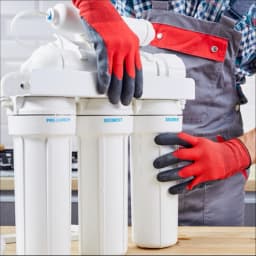
Beyond standard urban servicing, a thorough Eureka Forbes maintenance visit in Dibang Valley should address alpine-specific needs:
Between technician visits, a few habits protect your Eureka Forbes purifier from damage and keep it running efficiently. These are especially important given the distance and time lag in arranging remote service:
What makes us different
Dibang Valley's water sources — pristine mountain springs, seasonal glacial streams, and deep borewells — carry suspended sediment, seasonal turbidity, and varying mineral loads that municipal supply areas rarely face. An Eureka Forbes RO system working in these conditions undergoes stress quite different from purifiers in lowland cities. Glacial melt during spring and monsoon runoff flood sediment into your water source, forcing pre-filters and membranes to work harder. The region's cold climate and remote location also mean service access differs markedly from urban centers, making proactive maintenance not just advisable but essential.
Because Dibang Valley lacks the established service infrastructure of larger towns, understanding your Eureka Forbes purifier's needs — and planning ahead — ensures you're never without safe drinking water when a breakdown occurs. This guide addresses the specific challenges that affect RO performance in alpine terrain and how scheduled maintenance adapts to seasonal water quality shifts in the valley.
Step-by-step guidance
Don't wait! Get the Best water purifier service at the most competitive rates. Contact rocareindia today for a free consultation and quote.

Verified Professionals

Work Assurance

On-Time Support

Covid-19 Safety
Find answers to common questions about our services
Pure water, delivered.