Select Service




What makes us different
On the Lakshadweep islands, where the freshwater supply is limited and often sourced through a mix of rainwater harvesting and locally treated seawater, having a dependable Aquafresh RO purifier in your home or guesthouse is key to safe drinking water. With the region’s salinity and mineral content influencing both taste and the lifespan of filtration parts, regular service is more than routine upkeep—it’s a necessity for protecting your family’s health.
This guide offers practical steps to keep your Aquafresh RO running reliably, helps you decipher maintenance requirements in Lakshadweep’s unique setting, and explains what to expect for service costs and replacement intervals.
Download App & Earn Coins
Your Welcome Bonus:
1000 Coins
*Coins can be redeemed on services
Everything you need to know
Lakshadweep relies on a mix of rainwater harvesting, public desalination plants, and shallow wells, creating variation in water quality across the islands. Seasonal monsoon downpours can introduce silt and organic residues into community tanks, while in drier months, higher dependence on partially desalinated water can push up TDS (Total Dissolved Solids), causing more rapid membrane wear in purifiers. As a result, Aquafresh RO units face challenges uncommon on the mainland. Saltier or sediment-rich input water demands more frequent filter and membrane checks. Understanding this context helps you schedule service before taste or flow noticeably declines, saving you costlier repairs or loss of purifier performance.
The water conditions on the islands lead to several predictable service triggers. Reduced output often follows high TDS periods or after heavy rain when sediment can block pre-filters. Bad taste or odour may signal early exhaustion of the carbon filter. Leaks sometimes occur due to plastic swelling in humid, salty air. Typical signs you should call for Aquafresh repair include:
Documenting any of these issues before service helps your technician come prepared, reducing downtime.
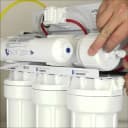
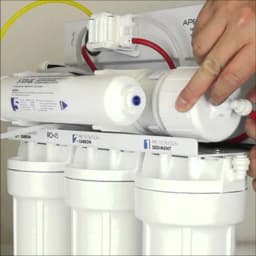
An Aquafresh unit typically pushes water through a sediment filter, carbon filter, and RO membrane, before possible UV/UF post-treatment. On the islands, sediment loads can spike dramatically after monsoons, and salt content means membranes work harder than in regions with softer sources. Consequently, pre-filters may require changing every 3-4 months, especially in homes using tanked or desalinated supplies. The RO membrane—the heart of the system—is also at greater risk of scaling, so it’s wise to test TDS regularly and discuss average local levels with your technician during service visits.
Because travel between Lakshadweep’s islands is subject to weather and boat schedules, timely Aquafresh repairs require planning. Look for technicians who are experienced with Aquafresh-specific models, as parts and layouts can differ from other brands. Ask if the provider stocks genuine Aquafresh filters and membranes—local substitutes may not perform as needed given the tougher environment. Some islands might have longer wait times for repairs, so consider booking regular maintenance to avoid emergencies. Genuine providers offer a clear explanation of issues, an informed estimate upfront, and do not replace parts unnecessarily.
Service costs on the islands are influenced by the availability of spares and technician travel. Routine filter swaps or minor adjustments often incur a basic visit charge, while major parts changes—such as a new pump or membrane—add component costs. Emergency repairs or same-day requests may have higher prices due to logistics. Always request a cost breakdown for Aquafresh filter, membrane, and labour charges. Some homes rely on shared community RO systems, which can affect rates if service involves larger or custom setups. Getting a preliminary estimate by describing symptoms and your water source saves time and avoids surprise bills at the end of the visit.
With the challenging water quality and climate, an Aquafresh AMC plan often gives peace of mind to Lakshadweep households. These contracts cover scheduled services, basic parts replacement, and periodic checkups for a flat annual fee. For families relying solely on RO for their drinking water, AMC offers a predictable maintenance budget and can help secure priority assistance during peak demand—such as the months following monsoon floods, when system failures rise. Before signing, clarify if the AMC includes all filter changes, covers major parts like membranes and pumps, and how many visits are actually provided per year. Compare terms between providers and verify the contract matches the model you own.
Filter life is cut shorter by the region’s higher salinity and sediment load. Most Aquafresh sediment and carbon filters should be checked or swapped every 4-6 months, but in areas with tannin-rich water or heavy use, 3 months is safer. RO membranes can usually be relied on for twelve months, but many owners find performance starts dropping at 8-10 months when running on brackish or desalinated sources. UV/UF modules, if present, may require lamp or membrane changes at twelve to eighteen months. It’s practical to keep a written log of service dates and ask technicians for advance notice of any upcoming part due for replacement. This habit protects the main membrane from early failure and is especially important for remote island locations where ordering parts may take longer than on the mainland.
Expect a professional Aquafresh maintenance call to include:
If your technician misses any of these steps, do not hesitate to request a more thorough inspection—neglecting one area can lead to repeat problems down the line.
Given variable phone and internet connectivity across the islands, the most effective method to request service is often through local agents or recommended technicians, who understand the island’s logistics. Some providers offer online booking portals, which are helpful if you have access—these let you describe symptoms, select times, and receive a callback. It’s also good practice to keep the main Aquafresh customer care number for Lakshadweep saved for warranty or major repair queries. During resort high season or soon after monsoon, book early since both parts and technician time can be in high demand.
Lakshadweep’s challenging water profile can reduce part life, so insist that only branded Aquafresh filters, membranes, and pump components are installed. Generic spares may suit softer water but can struggle here, leading to faster clogging or poor taste. During a service, request to see new filters before installation and keep packaging or receipts—this helps if you need to claim warranty or compare future performance. If you are quoted for membrane or pump replacement, ask about the expected lifespan given your specific island’s water quality—this helps set maintenance expectations realistically.
For owners expecting to stay in Lakshadweep long-term, AMC contracts can offer savings and convenience, especially where locating spare parts can be slow if ordered per visit. On the other hand, if your unit is seldom used—such as in seasonal guesthouses—a single repair may be more sensible. Evaluate your water consumption, filter wear rate, and whether you need technical help year-round before signing up for annual plans. Either way, choosing responsive service and insisting on Aquafresh-specific expertise is the key to keeping your system reliable under local conditions.
Step-by-step guidance
With a little extra attention, your Aquafresh RO can deliver reliable filtered water even amidst Lakshadweep’s challenging water supply patterns.
Don't wait! Get the Best water purifier service at the most competitive rates. Contact rocareindia today for a free consultation and quote.

Verified Professionals

Work Assurance

On-Time Support

Covid-19 Safety
Find answers to common questions about our services
Pure water, delivered.