
Can RO Control High Level TDS in Water in Kolkata?
Can RO Control High Level TDS in Water in Kolkata?
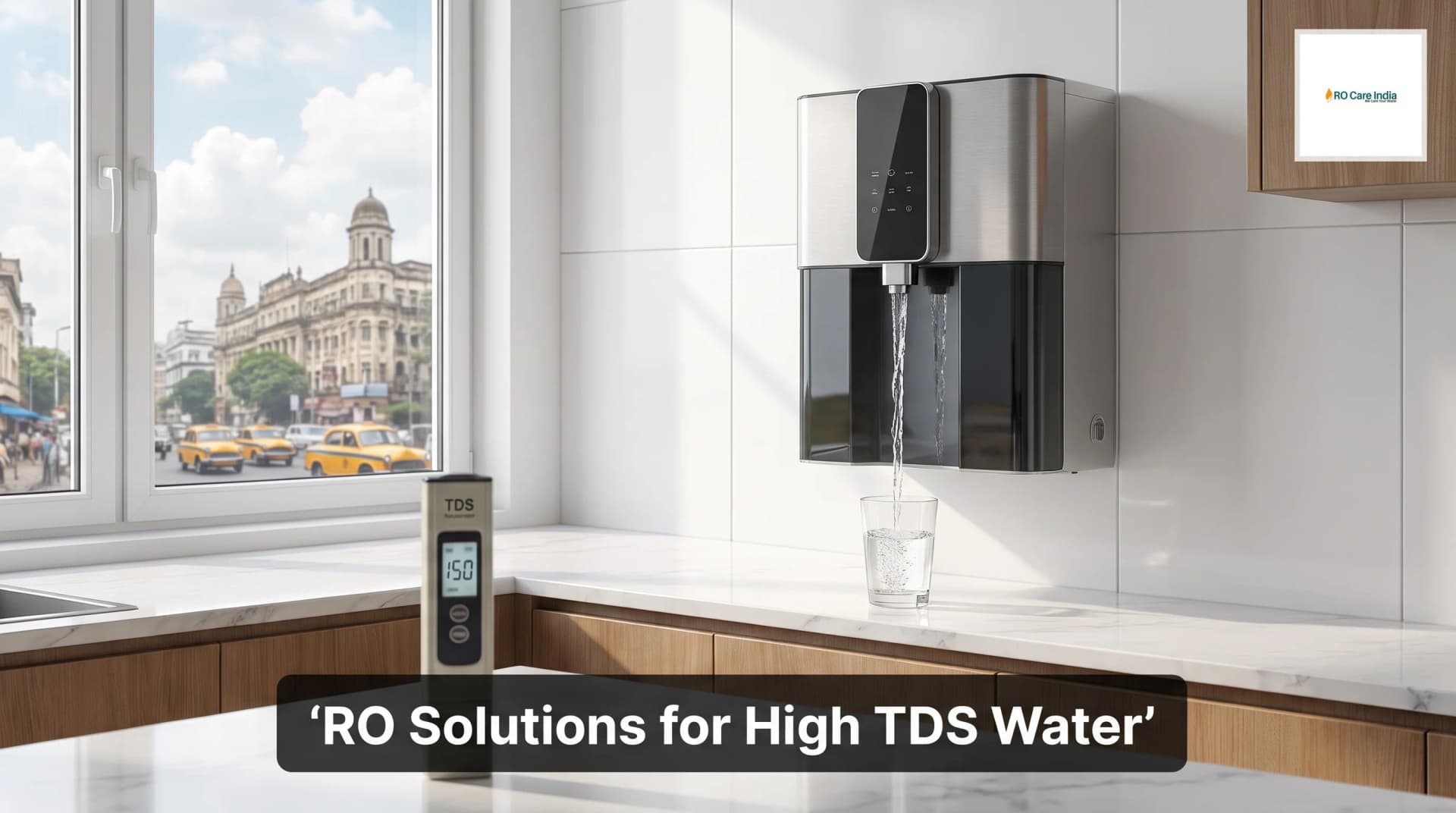
Water quality concerns have become a pressing issue for households across Kolkata, particularly when it comes to high Total Dissolved Solids levels. Many residents wonder whether their reverse osmosis systems can effectively handle the elevated TDS levels commonly found in municipal and groundwater supplies throughout the city. Understanding how RO technology works against high TDS water is essential for making informed decisions about water purification. If you're experiencing water quality issues, contacting ro service kolkata professionals can help diagnose and resolve TDS-related problems efficiently. High TDS water not only affects taste but can also pose potential health risks when consumed over extended periods. This comprehensive guide explores how RO systems manage high TDS levels, their effectiveness in Kolkata's specific water conditions, and what maintenance steps you should follow to ensure optimal performance.
Kolkata's water supply presents unique challenges that differ significantly from other Indian cities. The combination of industrial runoff, aging infrastructure, and natural geological factors contributes to varying TDS levels across different neighborhoods. Some areas report TDS levels ranging from 300 to 800 parts per million, while certain pockets experience readings exceeding 1000 ppm. The acceptable limit for drinking water according to Bureau of Indian Standards stands at 500 ppm, though many health organizations recommend levels below 300 ppm for optimal taste and safety. Residents relying on groundwater through borewells often face even higher TDS concentrations due to mineral leaching from soil and rock formations.
The good news is that reverse osmosis technology remains one of the most effective methods for reducing TDS in drinking water. RO membranes work through a semipermeable barrier that allows water molecules to pass while blocking dissolved salts, minerals, and other contaminants. This process can reduce TDS levels by 90 to 95 percent under normal operating conditions, transforming high TDS water into safe, palatable drinking water. However, the system's effectiveness depends on several factors including membrane quality, water pressure, temperature, and regular maintenance schedules.
Understanding what constitutes high TDS and why it matters provides context for choosing the right water treatment solution. For homeowners in Kolkata dealing with persistent water quality issues, reaching out to ro customer care kolkata can provide personalized recommendations based on your specific water test results and household consumption patterns.
Understanding TDS and Its Impact on Health
Total Dissolved Solids represent the combined content of all inorganic and organic substances dissolved in water, including minerals, salts, metals, and ions. While some minerals like calcium and magnesium are beneficial in moderate amounts, excessive TDS levels indicate the presence of potentially harmful substances. High TDS water typically contains elevated concentrations of sodium, potassium, chlorides, sulfates, and sometimes heavy metals depending on the contamination source.
The health implications of consuming high TDS water vary based on the specific contaminants present. While TDS itself is not classified as a primary health hazard, it serves as an indicator of overall water quality. Water with TDS levels above 1000 ppm often tastes salty or brackish, making it unpalatable for drinking and cooking. Prolonged consumption of extremely high TDS water may contribute to digestive issues, kidney strain, and mineral imbalances in the body. Additionally, high TDS affects the efficiency of soaps and detergents, leaves mineral deposits on fixtures, and can damage household appliances like geysers and washing machines.
Kolkata residents should be particularly concerned about TDS levels because the city's water sources are vulnerable to both natural mineral content and anthropogenic pollution. Industrial discharge, agricultural runoff containing fertilizers and pesticides, and seepage from waste disposal sites can all elevate TDS levels beyond safe limits. Regular water testing becomes essential to monitor these fluctuations and determine whether your existing purification system adequately addresses the problem.
Children, elderly individuals, and people with pre-existing health conditions are more susceptible to the effects of poor water quality. Symptoms like frequent stomach upset, skin irritation after bathing, or unusual tastes in drinking water should prompt immediate water testing and consultation with professionals who can assess your purification needs.
How RO Technology Tackles High TDS Water
Reverse osmosis systems employ multiple filtration stages to comprehensively treat high TDS water. The process begins with pre-filtration stages that remove larger particles, sediment, chlorine, and organic compounds that could damage the delicate RO membrane. These typically include sediment filters and activated carbon filters that protect the membrane while improving taste and odor.
The heart of the RO system is the semipermeable membrane, usually made from thin film composite materials. This membrane contains microscopic pores measuring approximately 0.0001 microns, small enough to block dissolved salts and minerals while allowing water molecules to pass through. When water is forced against this membrane under pressure, pure water molecules permeate through to the other side, while dissolved solids are flushed away as waste or reject water.
The effectiveness of RO membranes against high TDS depends on several operational parameters:
Water pressure plays a critical role, with most residential RO systems requiring 40 to 80 psi for optimal performance. Insufficient pressure reduces the rejection rate, allowing more dissolved solids to pass through. Kolkata's municipal water supply pressure varies by area and time of day, sometimes necessitating booster pumps for consistent performance.
Feed water TDS levels directly impact the system's efficiency and membrane lifespan. While RO can handle TDS levels up to 2000 ppm, extremely high concentrations accelerate membrane fouling and reduce operational life. Systems treating water above 1000 ppm may require more frequent membrane replacements and generate higher waste water ratios.
Temperature affects the membrane's permeability, with warmer water allowing faster flow rates but potentially reducing rejection rates slightly. Kolkata's tropical climate generally supports good RO performance, though winter months may see minor variations in output.
Recovery ratio, the percentage of feed water converted to purified water, typically ranges from 25 to 40 percent in domestic RO systems. Higher TDS levels often necessitate lower recovery ratios to maintain membrane health and ensure adequate flushing of concentrated dissolved solids.
Post-RO treatment stages include remineralization cartridges that add back beneficial minerals like calcium and magnesium, improving taste and providing nutritional value. UV lamps or UF stages may follow to eliminate any bacteria or microorganisms that might have survived earlier stages.
Comparing RO Performance Across TDS Levels
The table below illustrates typical RO system performance across different input TDS levels:
| Input TDS (ppm) | Expected Output TDS (ppm) | Rejection Rate | Membrane Life Expectancy | Waste Water Ratio |
|---|---|---|---|---|
| 200-400 | 10-30 | 92-95% | 3-4 years | 1:3 |
| 400-800 | 20-50 | 90-94% | 2-3 years | 1:3.5 |
| 800-1200 | 40-80 | 88-93% | 1.5-2.5 years | 1:4 |
| 1200-2000 | 60-120 | 85-91% | 1-2 years | 1:4.5 |
These figures represent averages and can vary based on specific water chemistry, membrane quality, and maintenance practices. Regular servicing ensures your system operates within these parameters.
Maintaining RO Systems for Consistent TDS Reduction
Proper maintenance determines whether your RO system continues to effectively control high TDS levels over time. Neglected systems experience declining performance, increased waste water production, and shortened component life. Kolkata's water conditions make maintenance particularly important due to higher contamination loads and mineral content.
Filter replacement schedules should be strictly followed to protect the RO membrane and ensure consistent water quality. Sediment filters typically require replacement every 6 to 12 months depending on water turbidity. Activated carbon filters need changing every 8 to 12 months to maintain chlorine removal and taste improvement. The RO membrane itself should be inspected annually and replaced every 2 to 3 years, though high TDS conditions may necessitate more frequent changes.
Membrane cleaning can extend operational life when performed correctly. Professional sanitization removes accumulated scale, biofilm, and organic matter that reduce membrane efficiency. DIY cleaning attempts using improper chemicals or techniques can permanently damage membranes, making professional intervention advisable for this task.
Storage tank maintenance prevents bacterial contamination and ensures the purified water remains safe. Tanks should be drained and sanitized every 6 months, checking for leaks, cracks, or unusual odors. The air valve and connecting tubes also require periodic inspection and cleaning.
System sanitization involves flushing the entire unit with food-grade sanitizing solution, particularly important after extended periods of non-use or following repairs. This process eliminates bacteria that may have colonized internal surfaces and tubing.
TDS meters provide valuable feedback on system performance. Testing both input and output water monthly helps identify declining membrane efficiency before water quality becomes noticeably affected. A gradual increase in output TDS indicates membrane degradation or improper system pressure.
Automatic shut-off valves and flow restrictors should be checked periodically to ensure proper functioning. These components regulate waste water flow and prevent system operation when the storage tank is full, contributing to water conservation and optimal performance.
Pressure gauges, when installed, help diagnose issues before they affect water quality. Low pressure may indicate clogged pre-filters, failing booster pumps, or supply line restrictions. Unusually high pressure could signal blocked drain lines or malfunctioning flow restrictors.
For comprehensive maintenance, scheduling professional inspections every 6 to 12 months ensures all components receive expert attention and potential problems get addressed proactively.
Alternative and Complementary Treatment Options
While RO effectively reduces TDS, some situations benefit from alternative or complementary technologies. Understanding these options helps homeowners make informed decisions based on their specific water quality challenges.
Water softeners address hardness issues caused by calcium and magnesium without removing other dissolved solids. These systems use ion exchange to replace hardness minerals with sodium, reducing scale formation but not lowering total TDS. Combining water softeners with RO systems can extend membrane life in areas with extremely hard water by reducing scale buildup.
Deionization systems remove dissolved ions through chemically active resins, capable of producing ultra-pure water with TDS approaching zero. However, these systems require frequent resin regeneration and are typically more expensive to operate than RO for household applications.
Distillation boils water and collects the condensed steam, leaving dissolved solids behind. While highly effective for TDS removal, distillation consumes significant energy and produces water slowly, making it impractical as a sole household purification method.
Multi-stage filtration combining various technologies often provides the best results for Kolkata's complex water quality challenges. A typical configuration might include sediment filtration, activated carbon, RO membrane, remineralization, and UV sterilization, addressing TDS, chemicals, microorganisms, and taste in a single system.
Nanofiltration represents a middle ground between RO and ultrafiltration, removing divalent ions and larger molecules while allowing some monovalent ions to pass. This results in partial TDS reduction with higher water recovery rates and lower operating pressure requirements.
Electrodialysis uses electric current to separate ions from water, effective for brackish water desalination but typically economical only at commercial scales. This technology is gaining attention for community-level water treatment projects in coastal areas experiencing saltwater intrusion.
When evaluating alternatives, consider your water test results, household consumption needs, budget constraints, and environmental concerns. Consulting experts provides access to professional water analysis and customized system recommendations.
Troubleshooting Common High TDS Issues
Even well-maintained RO systems occasionally experience problems affecting TDS reduction performance. Recognizing symptoms and understanding potential causes enables faster resolution.
Rising output TDS despite recent membrane replacement may indicate improper installation, insufficient water pressure, or extremely high input TDS levels exceeding the membrane's rejection capacity. Check system pressure using a gauge and verify the membrane is correctly seated in its housing. Sometimes double-checking O-ring placement and housing seals reveals installation oversights.
Cloudy or milky appearance in purified water often results from dissolved air rather than high TDS, though it warrants investigation. Allow water to stand for a few minutes; if cloudiness dissipates, air is the culprit. Persistent cloudiness suggests bacterial growth or membrane degradation requiring professional assessment.
Salty or unusual taste indicates elevated sodium, chloride, or other dissolved ions passing through a compromised membrane. Test output TDS immediately and compare against baseline readings. Significant increases demand membrane inspection or replacement.
Reduced water production accompanies various issues including clogged pre-filters, low inlet pressure, fouled membranes, or malfunctioning flow restrictors. Systematic troubleshooting involves checking each component sequentially, starting with the easiest and most common problems.
Excessive waste water production suggests flow restrictor problems, incorrect drain line sizing, or back pressure from improperly installed drain connections. While some water rejection is necessary for membrane flushing, ratios exceeding 1:5 indicate inefficiency requiring correction.
Frequent system cycling where the unit starts and stops repeatedly often points to storage tank issues like waterlogged bladders, faulty air valves, or leaking fittings. Tank pressure should be checked and adjusted according to manufacturer specifications.
When troubleshooting proves challenging or problems persist after basic interventions, professional diagnosis from qualified technicians becomes necessary. Attempting complex repairs without proper knowledge and tools can worsen problems and void warranties.
Conclusion
Reverse osmosis systems definitely can control high TDS levels in Kolkata's water supply, providing households with safe, palatable drinking water despite challenging source water conditions. The technology's proven ability to remove 90 to 95 percent of dissolved solids makes it the most reliable residential purification method for addressing elevated TDS. Success depends on selecting appropriately sized systems based on actual water test results, maintaining equipment according to recommended schedules, and addressing performance issues promptly when they arise. While RO generates waste water and requires periodic component replacement, the health benefits and improved water quality justify these operational considerations for most families. Regular testing, professional maintenance, and attention to system performance indicators ensure your RO system continues delivering low TDS water year after year. As water quality challenges evolve across Kolkata's diverse neighborhoods, investing in quality purification technology and proper servicing protects your family's health while providing peace of mind about every glass of water consumed in your home.