
Why Does Stored RO Water Taste Stale in Kolkata?
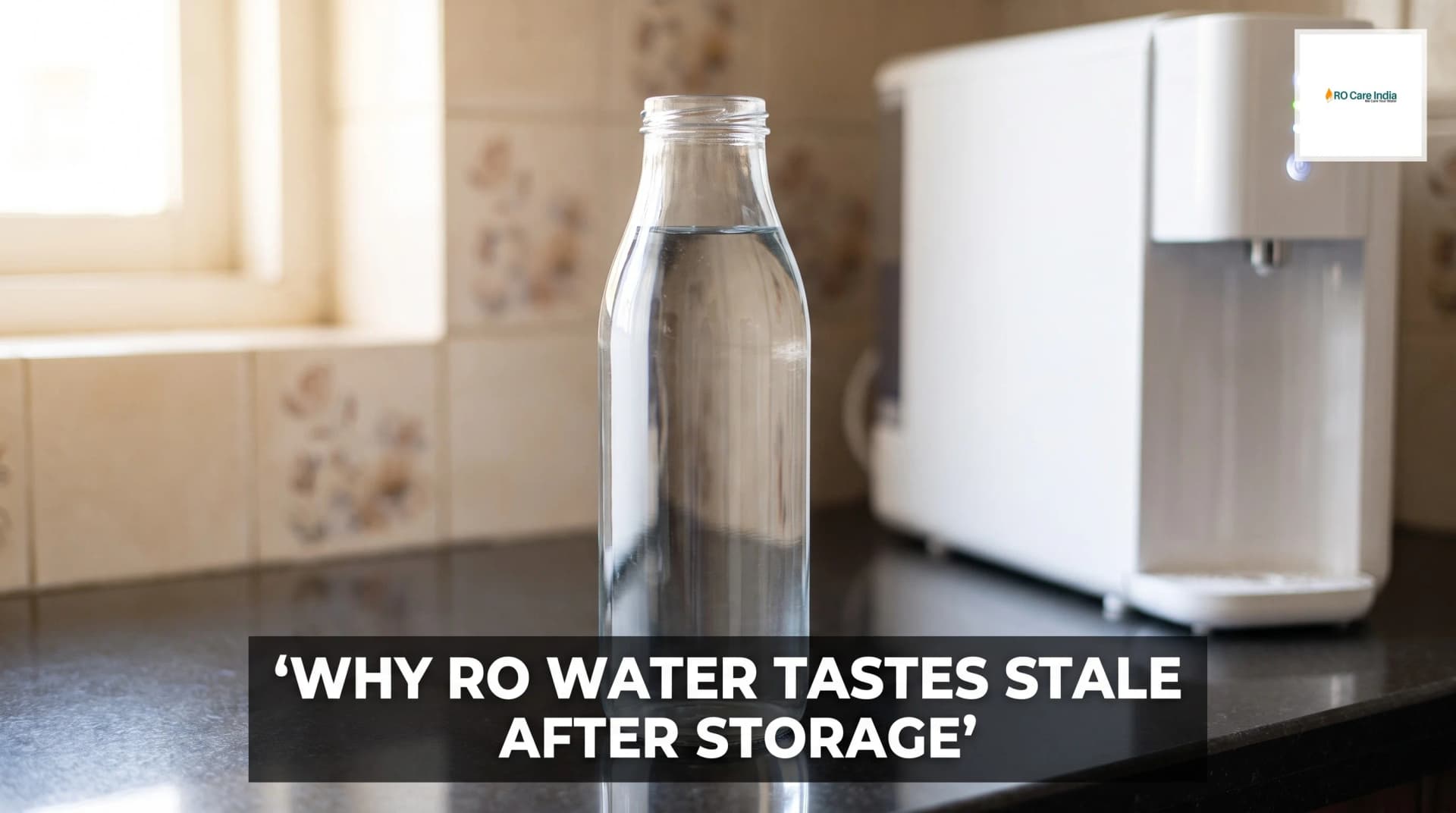
Why Does Stored RO Water Taste Stale in Kolkata?
Have you ever noticed that the water from your RO purifier tastes fresh when you first pour it, but after sitting in a bottle or container for a few hours, it develops an odd, flat, or even slightly unpleasant taste? This is a common complaint among households in Kolkata, and it's not just your imagination. Stored RO water can indeed taste stale, and there are specific scientific and environmental reasons behind this phenomenon that are particularly relevant to the humid climate and water conditions in this city.
Many residents reach out to ro service kolkata professionals wondering if their purifier is malfunctioning when they notice this taste change. The good news is that in most cases, the stale taste doesn't necessarily indicate a serious problem with your water purification system. However, understanding why this happens and what you can do about it is essential for ensuring your family continues to enjoy clean, fresh-tasting water throughout the day.
The issue of stale-tasting stored RO water is especially pronounced in Kolkata due to the city's unique combination of high humidity, warm temperatures for most of the year, and the specific composition of municipal water supplied through the treatment plants. These factors create an environment where stored water is more susceptible to taste changes compared to cities with drier or cooler climates.
In this comprehensive guide, we'll explore the science behind why RO water tastes stale after storage, the specific conditions in Kolkata that contribute to this problem, and practical solutions you can implement immediately. We'll also discuss when it's time to contact ro customer care kolkata for professional assistance and how regular maintenance can prevent this issue from becoming a persistent problem in your home.
The Science Behind Stale-Tasting RO Water
Reverse osmosis water is exceptionally pure, which is both its greatest strength and the reason it can taste stale when stored. During the RO purification process, nearly all dissolved minerals, salts, and other substances are removed from the water, leaving it with a Total Dissolved Solids (TDS) level typically between 20-50 parts per million. This ultra-pure water has different chemical properties compared to regular tap water.
When RO water is stored in containers, several processes begin that can alter its taste. First, pure water readily absorbs gases from the surrounding air, particularly carbon dioxide. As CO2 dissolves in the water, it forms a weak carbonic acid solution, which slightly lowers the pH and can create a flat or slightly sour taste. This process is accelerated in Kolkata's humid environment where the air contains higher moisture content and dissolved gases.
The absence of minerals in RO water also affects how our taste buds perceive it. Regular water contains small amounts of calcium, magnesium, and other minerals that give it a characteristic taste. When these are removed, the water tastes noticeably different, and many people describe properly purified water as "flat" even when it's fresh. After storage, this flatness becomes more pronounced as the water equilibrates with its environment.
Another factor is the interaction between stored water and the container material. Plastic bottles and containers can leach tiny amounts of compounds into the water over time, especially when exposed to heat or sunlight. In Kolkata's warm climate, this leaching happens faster, potentially contributing to off-tastes. Glass and food-grade stainless steel containers minimize this effect but don't eliminate the other causes of stale taste.
Temperature fluctuations also play a significant role. When stored RO water warms up from refrigerated temperatures to room temperature, the reduced solubility of dissolved gases causes them to be released, further flattening the taste. Additionally, warmer water provides a more favorable environment for any microorganisms that might have entered during handling.
Kolkata-Specific Factors Contributing to Stale Water Taste
Kolkata's climate and infrastructure create unique challenges for maintaining fresh-tasting stored RO water. The city experiences high humidity levels throughout the year, with relative humidity often exceeding 70-80 percent during monsoon months and rarely dropping below 50 percent even in winter. This moisture-laden air contains more dissolved gases and potential contaminants that can interact with stored water.
The temperature in Kolkata remains warm to hot for most of the year, with summer temperatures regularly crossing 35-38 degrees Celsius and winter temperatures rarely falling below 12-15 degrees. These warm conditions accelerate all chemical and biological processes that affect water taste, meaning that water stored at room temperature in Kolkata will develop off-tastes faster than the same water stored in cooler climates.
The source water quality in Kolkata also plays a role. Municipal water supplied to most areas comes from the Hooghly River and undergoes treatment at various plants throughout the city. This water typically has higher levels of dissolved organic matter compared to groundwater sources, and while RO systems remove these contaminants, the membranes and filters in systems processing this water may accumulate residues faster, potentially affecting the taste of produced water if maintenance is neglected.
Power cuts and voltage fluctuations common in many Kolkata neighborhoods can affect RO system performance. When power is restored after an outage, the system may produce water with slightly different characteristics as it restabilizes. If this water is stored immediately without allowing the system to flush properly, it may taste different from normally produced water.
The type of storage containers commonly used in Kolkata households also matters. Many families store water in plastic bottles or containers that may not be of food grade quality. When exposed to the city's warm temperatures, these containers can impart plastic tastes to the water. If you've noticed this problem and your system seems otherwise fine, finding ro service near me professionals for an inspection can help determine if maintenance or repairs are needed.
Common Storage Mistakes That Worsen the Problem
Many households inadvertently worsen the stale water taste problem through improper storage practices. One of the most common mistakes is storing RO water in dirty or inadequately cleaned containers. Even if a container looks clean, microscopic biofilms can develop on the inner surfaces, introducing bacteria and organic matter that affect taste. These biofilms thrive in Kolkata's warm, humid conditions.
Leaving water bottles or containers open or loosely covered allows greater exchange with ambient air, accelerating the absorption of carbon dioxide and other gases. It also allows dust, insects, and airborne microorganisms to enter the water. Many people don't realize that even a slightly loose cap can compromise water freshness over time.
Storing water in direct sunlight or near heat sources is another frequent mistake. Sunlight not only warms the water, speeding up chemical and biological processes, but UV radiation can also break down certain compounds in plastic containers, potentially releasing them into the water. Near kitchen stoves, water heaters, or sunny windows, stored water will deteriorate faster.
Overfilling containers is problematic too. When a container is filled to the brim, there's no air space to accommodate temperature-related expansion, and the increased water-to-air contact area can accelerate taste changes. Leaving about 10-15 percent of the container empty is ideal for most storage situations.
Many households also keep the same water in storage for extended periods. Even properly stored RO water should ideally be consumed within 24-48 hours. Water that sits for three to four days or longer in room temperature conditions will almost certainly develop noticeable taste changes. If you consistently find yourself with stale-tasting water, consulting water purifier service experts can help identify whether storage practices or system issues are to blame.
Solutions to Keep Your RO Water Tasting Fresh
The most effective solution is to minimize storage time altogether. Try to gauge your household's daily water consumption and adjust your RO system's production accordingly. Most modern systems have storage tanks; fill these fully but avoid storing additional water in bottles unless necessary. Fresh water directly from the system almost always tastes better.
Proper container selection makes a significant difference. Glass bottles and food-grade stainless steel containers are ideal as they don't impart any taste and are easy to clean thoroughly. If using plastic, ensure it's BPA-free food-grade plastic specifically designed for water storage. Replace plastic containers every 6-12 months as they degrade over time.
Storage conditions matter immensely. Keep stored water in cool, dark places away from heat sources and direct sunlight. Refrigerated storage at 4-8 degrees Celsius significantly slows all processes that cause stale tastes. If refrigeration isn't possible, store containers in the coolest part of your home, typically the lower shelves of cabinets away from exterior walls.
Implement a rigorous container cleaning routine. Wash all water storage bottles and containers with hot water and mild dish soap at least once a week. For deeper cleaning, use a mixture of water with a small amount of white vinegar or baking soda, rinse thoroughly, and allow to air dry completely upside down before refilling. Never use harsh chemicals or strong-smelling detergents that might leave residues.
Consider adding a remineralization cartridge to your RO system. These cartridges add back small amounts of essential minerals like calcium and magnesium, giving the water a more natural taste that's less susceptible to tasting flat or stale. Many households in Kolkata have found this simple addition dramatically improves water taste both fresh and after storage.
For those who must store water for extended periods, try this practical approach: rotate your stock regularly using the "first in, first out" principle. Date your containers when filling them, and always consume the oldest water first. This ensures no container sits for more than 2-3 days.
When to Contact Professional RO Service
While storage practices cause many stale water taste issues, sometimes the problem lies with the RO system itself. If you've optimized your storage methods but water still tastes bad immediately after purification, it's time to call professional service technicians for a comprehensive system check.
Signs that professional service is needed include water that tastes unpleasant right from the purifier, sudden changes in water taste or smell, reduced water production, or visible contamination in the storage tank. These symptoms often indicate that filters need replacement, membranes are fouled, or the system requires sanitization.
Regular professional maintenance is essential for consistent water quality. Most RO systems in Kolkata should undergo servicing every 3-4 months due to the challenging water conditions and climate. During service, technicians should replace sediment and carbon filters, check membrane condition, sanitize storage tanks, and inspect all connections for leaks or contamination.
The RO membrane, which does the primary purification work, typically needs replacement every 2-3 years depending on usage and source water quality. A fouled or damaged membrane can allow contaminants through that affect taste, or it may produce water with improper TDS levels. Only trained technicians should handle membrane replacement.
Storage tank sanitization is often overlooked but crucial. The tanks inside RO systems can develop biofilms and bacterial growth over time, especially in Kolkata's conditions. Professional service should include complete tank draining, sanitization with food-grade disinfectants, and thorough flushing before refilling.
Here's a simple maintenance checklist to follow:
- Replace pre-filters every 6-9 months
- Replace carbon filters every 9-12 months
- Replace RO membrane every 24-36 months
- Sanitize storage tank every 6 months
- Check and clean storage tank air vent quarterly
- Inspect all tubing and connections for leaks annually
- Test output water TDS every 2-3 months
Comparison of Storage Container Types
Choosing the right storage container significantly impacts how long your RO water stays fresh-tasting. Here's a detailed comparison:
| Container Type | Durability | Taste Impact | Temperature Resistance | Maintenance | Cost (INR) | Best For |
|---|---|---|---|---|---|---|
| Glass Bottles | Excellent | None | Moderate | Easy | 150-500 | Home storage, small quantities |
| Stainless Steel | Excellent | None | Excellent | Easy | 300-1500 | Daily use, travel, all quantities |
| Food-grade Plastic (PP) | Good | Minimal if new | Poor | Moderate | 50-200 | Short-term storage, budget option |
| Copper Vessels | Excellent | Metallic (intentional) | Excellent | Moderate | 800-3000 | Traditional preference, antibacterial benefits |
| Ceramic Containers | Good | None | Moderate | Difficult | 400-1200 | Decorative storage, moderate quantities |
For most Kolkata households, investing in 2-3 good quality stainless steel containers for daily use and a couple of glass bottles for refrigerated storage provides the best balance of practicality and water freshness. Avoid colored plastic bottles, as dyes may leach over time, and ensure any container has a tight-fitting, leak-proof lid.
Improving Water Taste Through System Enhancements
Beyond proper storage and maintenance, several system enhancements can improve the taste of your RO water. A post-carbon filter, also called a polishing filter, is installed after the RO membrane and removes any residual tastes or odors that might develop in the storage tank. This relatively inexpensive addition significantly improves water taste.
UV sterilization systems installed downstream of the RO membrane provide an additional barrier against microorganisms. While RO already removes most bacteria and viruses, UV ensures that any organisms that enter during storage or handling are neutralized. This is particularly useful in Kolkata where airborne bacteria levels can be high.
Alkaline filters are becoming popular additions to RO systems. These raise the pH of purified water from slightly acidic (around 6.0-6.5) to neutral or slightly alkaline (7.0-8.5), which many people find more pleasant-tasting. The alkaline water also better resists pH changes during storage.
If your household has specific taste preferences, consider consulting with expert technicians about customizing your system's configuration. Different combinations of filters and post-treatment options can be tailored to address particular taste concerns while maintaining purification effectiveness.
Regular testing of your system's output ensures it's performing correctly. Simple TDS meters cost just 200-500 rupees and let you quickly check if your system is producing water within the ideal range (usually 30-50 ppm for RO). If TDS is too low (below 20), water will taste very flat; if too high (above 100), the membrane may need replacement.
Conclusion
The stale taste that develops in stored RO water in Kolkata results from a combination of factors: the ultra-pure nature of RO water, the city's warm and humid climate, storage practices, and sometimes system maintenance issues. Understanding these factors empowers you to take effective action to ensure your family always has access to fresh-tasting, safe drinking water.
Remember that RO water is chemically different from tap water due to its purity, and some taste characteristics are normal and not harmful. However, with proper storage containers, appropriate storage conditions, good hygiene practices, and regular system maintenance, you can minimize or eliminate the stale taste problem. Glass and stainless steel containers stored in cool, dark places and cleaned regularly will keep water tasting fresh for 24-48 hours.
Don't hesitate to contact professional service providers if water tastes bad immediately from your purifier or if you suspect system issues. Regular professional maintenance every 3-4 months is an investment in consistently good-tasting water and long-term system performance. By combining smart storage practices with proper system care, you can enjoy fresh, clean-tasting RO water throughout the day.