
Ro is not working even after regular servicing in Kolkata
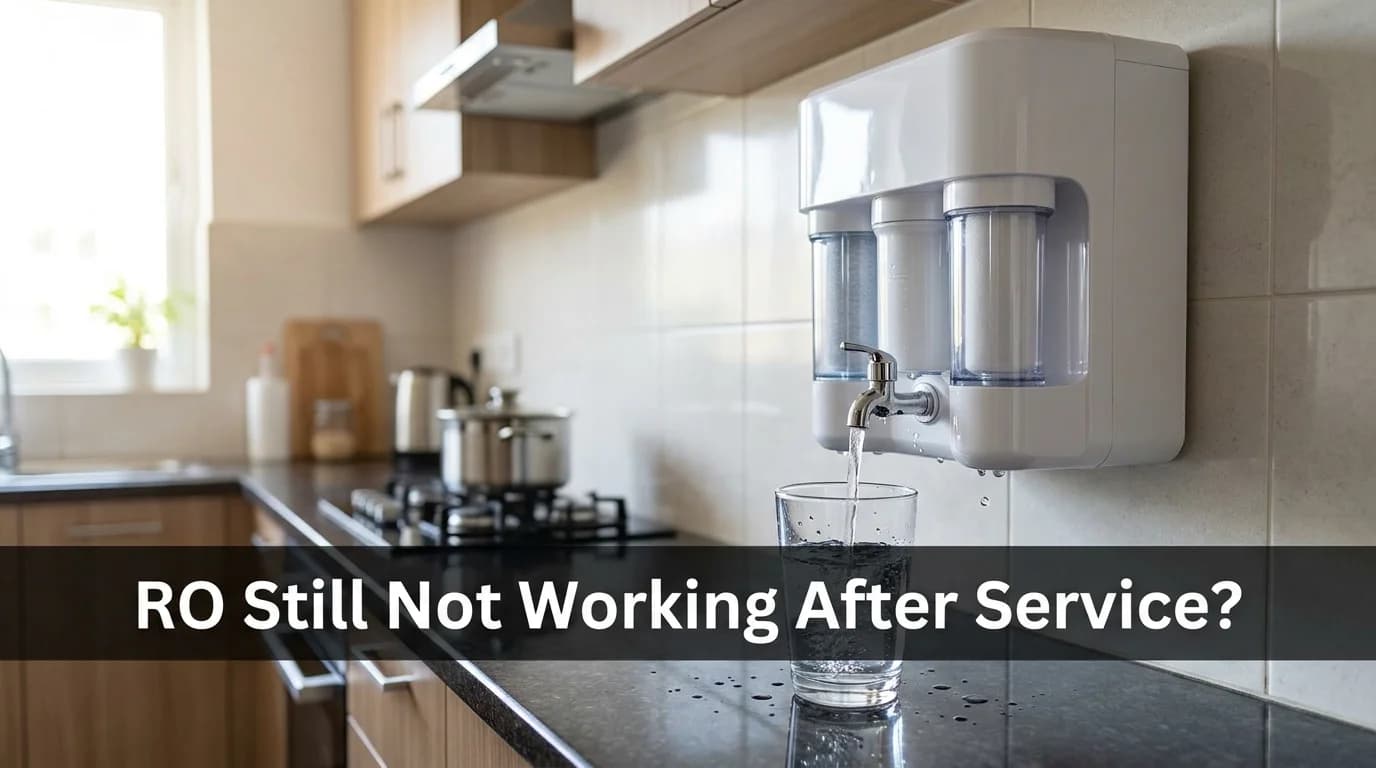
Why Your RO Water Purifier Still Malfunctions After Regular Servicing in Kolkata: Complete Guide to Common Problems and Fixes
Getting your water purifier serviced regularly should ensure clean drinking water for your household, but what happens when your RO system continues showing problems even after a professional ro service kolkata visit? This frustrating scenario affects countless Kolkata residents who invest time and money into maintenance only to face recurring issues. Whether you experience low water flow, strange tastes, or complete system failure, understanding why these problems persist despite regular ro water purifier service kolkata is crucial for every homeowner.
The reality is that many households in Kolkata face unique water quality challenges due to high TDS levels, seasonal variations in municipal water supply, and the humid coastal climate that affects electronic components. These factors mean that simply going through the motions of routine service may not address the root causes of malfunction. When your purifier stops working properly after what seemed like thorough servicing, the problem often lies in incomplete diagnostics, use of substandard replacement parts, or failure to address system-specific issues that require specialized attention from qualified ro customer care kolkata professionals.
This comprehensive guide explores the most common reasons why RO water purifiers continue malfunctioning after servicing, helping you identify whether you received inadequate service or if your system faces deeper issues. Understanding these problems empowers you to ask the right questions during your next ro service appointment and ensures you get genuine solutions rather than temporary fixes. From membrane deterioration to electrical failures, we will examine each potential cause and provide practical solutions tailored to Kolkata's specific water conditions.
By the end of this article, you will know exactly what to look for when evaluating service quality, how to communicate effectively with service technicians, and what preventive measures can help you avoid repeated malfunctions. Whether you are dealing with a recently serviced purifier that immediately stopped working or one that shows declining performance weeks after maintenance, the insights here will help you resolve the issue permanently.
Incomplete or Poor Quality Membrane Replacement During Service
The semipermeable membrane is the heart of any RO water purification system, responsible for removing dissolved solids, heavy metals, and contaminants from your drinking water. During typical ro service kolkata visits, technicians should inspect this membrane carefully and replace it when necessary, but many service providers either skip this step or install inferior quality membranes to cut costs. When a worn-out membrane remains in place or a substandard replacement is installed, your purifier may appear to function normally immediately after service but will fail to deliver pure water or maintain adequate pressure.
Original equipment manufacturer membranes typically last 2-3 years under normal conditions, but Kolkata's high TDS water can reduce this lifespan to 18-24 months. If your service technician simply cleaned the existing membrane without proper testing or replaced it with a generic alternative, you might notice issues like cloudy water, unusual taste, or rapid filter clogging within days or weeks. The membrane's rejection rate should ideally remain above 90 percent, but inferior replacements often perform at 60-70 percent efficiency, allowing contaminants to pass through while still consuming electricity and water.
To verify membrane quality after ro water purifier service kolkata, request documentation about the replacement part including brand specifications and expected performance metrics. Genuine membranes come with manufacturing dates and quality certifications that technicians should be able to provide. You can also test your purified water's TDS level using an inexpensive digital meter available for 300-500 INR at electronics stores across Kolkata. If the output TDS measures higher than 50 ppm when your input water is 300-500 ppm, the membrane likely requires proper replacement.
The solution involves contacting reliable ro customer care kolkata services that use manufacturer-approved parts and provide written warranties on replacements. Ask specifically about the membrane brand, expected lifespan, and rejection rate before approving any replacement. Reputable service providers should offer at least 6-12 months warranty on new membranes and be willing to retest water quality if you notice problems within this period.
Clogged Pre-Filters Not Addressed During Routine Maintenance
Many households experience continued purifier problems after servicing because technicians focus only on visible components while neglecting the critical pre-filtration stages. RO systems typically include sediment filters and activated carbon filters that protect the delicate RO membrane from damage, but these require replacement every 6-12 months depending on water quality. When ro service providers simply rinse these filters instead of replacing them, or when they replace only one filter in a multi-stage system, the purifier continues struggling with reduced flow, frequent shutdowns, or premature membrane damage.
Kolkata's municipal water supply often carries high sediment loads, especially during monsoon seasons when treatment plants struggle with increased turbidity. This sediment accumulates in pre-filters much faster than in cities with clearer water sources. A clogged sediment filter creates back pressure that forces the pump to work harder, leading to overheating, noise, and eventual motor failure. Similarly, exhausted carbon filters lose their ability to remove chlorine and organic compounds, allowing these chemicals to attack the RO membrane and reduce its effectiveness.
The typical ro service kolkata package should include inspection and replacement of all pre-filters, not just the most visibly dirty ones. Sediment filters that appear clean on the outside may have microscopic pores completely blocked with fine particles invisible to the naked eye. Carbon filters deteriorate from the inside out, so external appearance provides no indication of their remaining capacity. Professional technicians should follow manufacturer guidelines that specify replacement intervals rather than making subjective decisions based on visual inspection alone.
If your purifier shows low water production, unusual noises, or frequent automatic shutdowns after recent servicing, check whether all pre-filters were actually replaced. Open the filter housing and examine the filters for manufacturing dates or labels indicating they are new. Original filters typically have crisp, white sediment cartridges and fresh-smelling carbon blocks, while old filters show discoloration, compaction, or musty odors. Demand complete filter replacement during your next service call and keep the old filters to compare with new ones for verification.
Electrical and Control Panel Issues Overlooked During Service Inspection
Modern RO water purifiers incorporate sophisticated electronic controls, sensors, and automatic shut-off mechanisms that can malfunction independently of the water purification components. When your system stops working after ro water purifier service kolkata despite new filters and membranes, electrical issues often prove to be the culprit. Many service technicians lack proper electrical training and focus exclusively on plumbing and filtration aspects, completely missing problems with solenoid valves, pressure switches, level sensors, or control boards that regulate system operation.
Kolkata's frequent power fluctuations and voltage variations put significant stress on purifier electronics, causing components to fail prematurely. The automatic shut-off valve that stops water flow when the storage tank fills may stick in the closed position, preventing the system from producing water even though all filters are new and functional. Similarly, faulty low-pressure switches might shut down the system unnecessarily, while malfunctioning high-pressure switches could allow dangerous pressure buildup. These issues require diagnostic tools and electrical expertise that general ro service technicians may not possess.
Control panel problems manifest in various ways including displays showing incorrect information, systems that run continuously without shutting off, or purifiers that refuse to start despite having proper power supply. Moisture intrusion into electrical compartments is particularly common in Kolkata's humid climate, causing corrosion on circuit boards and connector pins. This corrosion develops gradually and may not be apparent during a standard service visit, but will eventually cause intermittent failures that worsen over time.
Addressing electrical issues requires specialized ro customer care kolkata technicians trained in both plumbing and electronics. When reporting problems, describe specific symptoms like whether indicator lights function correctly, unusual sounds from solenoid valves, or error codes displayed on digital panels. Quality service providers should test voltage levels, check sensor functionality, and verify that automatic valves operate smoothly throughout the purification cycle. If your purifier repeatedly fails shortly after servicing, specifically request electrical system diagnostics rather than just filter replacement.
Common Problems Related to Inadequate Service Quality in Kolkata
| Problem Type | Typical Causes | Symptoms After Service | Proper Solution |
|---|---|---|---|
| High TDS in Output Water | Membrane not replaced or inferior quality membrane installed | Cloudy water, scaling on utensils, poor taste | Replace with genuine manufacturer membrane, verify TDS levels |
| Low Water Flow | Pre-filters clogged, membrane fouled, pressure issues | Storage tank takes 4+ hours to fill, weak flow from tap | Replace all pre-filters, check booster pump function, verify inlet pressure |
| System Won't Start | Electrical problems, sensor failures, solenoid valve issues | No indicator lights, pump doesn't run, no production | Professional electrical diagnostics, replace faulty components |
| Continuous Drainage | Faulty shut-off valve, flow restrictor problems | Water constantly flows to drain, high water bill | Replace automatic shut-off valve, check flow restrictor |
| Unusual Noises | Pump struggling due to clogged filters or air in system | Grinding, humming, or clicking sounds during operation | Bleed air from system, ensure adequate inlet pressure, check pump health |
Inadequate System Sanitization and Biofilm Accumulation
One frequently overlooked aspect of comprehensive ro service involves proper system sanitization to eliminate bacterial growth and biofilm formation inside pipes, tanks, and components. Even when technicians replace filters and membranes, they often fail to sanitize the entire water pathway, allowing existing bacterial colonies to quickly recolonize the new components. This biofilm creates a slimy layer inside tubing and storage tanks that affects water taste, odor, and safety while also restricting flow and reducing system efficiency.
Kolkata's warm, humid climate provides ideal conditions for bacterial proliferation in water purification systems. The storage tank, in particular, becomes a breeding ground for microorganisms if not properly sanitized during service visits. Many households notice a musty smell or strange taste in purified water shortly after ro service kolkata, indicating that bacterial contamination persists despite filter replacement. This problem worsens in systems that stand idle for extended periods, such as in vacation homes or during travel, as stagnant water allows biofilm to establish throughout the system.
Proper sanitization requires draining the entire system, circulating food-grade sanitizing solution through all components including the RO membrane and storage tank, allowing appropriate contact time, and then thoroughly flushing with fresh water before returning to service. This process takes 45-60 minutes when done correctly, but many technicians skip it entirely or perform only a quick rinse to save time. The result is that your purifier appears clean immediately after service but develops taste and odor problems within days or weeks as bacterial populations rebound.
Insist that ro water purifier service kolkata includes complete system sanitization using approved disinfecting agents. You can verify this by asking the technician to explain the sanitization process and observing whether they actually perform these steps rather than just replacing filters and leaving. The water produced immediately after proper sanitization may have a slight chemical taste that disappears after flushing a few liters through the system. If your purifier was not sanitized during recent service and shows taste or odor problems, you can request this as a separate service call or learn to perform basic sanitization yourself using manufacturer-recommended procedures.
Using Incompatible or Counterfeit Replacement Parts
The proliferation of counterfeit and generic replacement parts in the water purifier service industry represents a major cause of post-service failures. When you contact ro customer care kolkata, you might receive either authorized service using genuine manufacturer parts or unauthorized technicians using whatever components they can source cheaply. These incompatible or counterfeit parts may fit physically but fail to meet performance specifications, leading to immediate problems or premature failure that requires another service call within weeks.
Generic RO membranes manufactured without proper quality controls may use inferior membrane materials that tear easily, have inconsistent pore sizes allowing contaminants through, or deteriorate rapidly when exposed to chlorine or other chemicals. Similarly, non-genuine filter cartridges might contain lower grade activated carbon with poor adsorption capacity, or sediment filters with incorrect micron ratings that either clog too quickly or allow particles to pass through. These substandard parts cost 30-50 percent less than genuine components, tempting service providers to increase profit margins at the customer's expense.
Identifying counterfeit parts requires vigilance as many copies feature convincing packaging and labeling. Genuine manufacturer parts typically include holographic security labels, QR codes for verification, and detailed product information printed clearly on the cartridge itself. You can often verify authenticity by checking these codes on the manufacturer's website or mobile app. Additionally, genuine parts come with specific manufacturing and expiration dates, while counterfeit products may show inconsistent or missing date information.
To ensure you receive genuine components during ro service, specifically request manufacturer-authorized service providers who can provide proof of their authorized status. Ask for documentation with each replaced part including purchase invoices showing the authorized distributor source. Many reputable companies now offer mobile apps or websites where you can verify whether a technician is genuinely authorized to service your specific purifier brand. The slightly higher cost of genuine parts (typically 20-30 percent more) proves worthwhile when it ensures reliable performance and prevents repeated service calls to address the same problems.
Incorrect System Pressure Settings and Flow Restrictor Problems
RO purifiers require specific water pressure ranges to function optimally, typically between 40-60 PSI for most residential systems. When ro service technicians fail to check and adjust pressure settings, or when they ignore issues with pressure regulation components, your purifier may work poorly or not at all despite having new filters. Kolkata's municipal water pressure varies significantly by locality and time of day, with some areas receiving barely 20 PSI while others experience surges above 80 PSI during certain hours.
Systems operating below minimum pressure cannot generate sufficient force to push water through the RO membrane, resulting in extremely slow production or complete failure. This problem worsens when inlet filters become even slightly clogged, further reducing the already inadequate pressure reaching the membrane. Conversely, excessive pressure can damage the membrane, cause leaks at connection points, and lead to premature failure of seals and o-rings. Many purifiers include pressure regulating valves that maintain optimal operating pressure regardless of input variations, but these components can malfunction and often go unchecked during routine service.
The flow restrictor represents another critical pressure-related component that technicians frequently overlook. This small device controls the flow rate of reject water going to the drain, maintaining the back pressure necessary for proper RO membrane function. An incorrectly sized, clogged, or missing flow restrictor causes excessive drainage, poor purification efficiency, or inadequate water production. Some technicians remove flow restrictors entirely when troubleshooting slow water production, forgetting to reinstall them and leaving the system unable to build proper membrane pressure.
Quality ro service kolkata should include measuring inlet water pressure with a gauge and recommending a booster pump if pressure falls below manufacturer specifications. Technicians should verify that pressure regulators function correctly and replace them if faulty. The flow restrictor should be removed, inspected for clogs, and replaced if damaged. Most systems require specific flow restrictor ratings matched to membrane size and expected recovery rate, so using incorrect restrictors causes persistent problems. If your purifier produces water too slowly or drains excessively after service, specifically ask the technician to check pressure levels and verify the correct flow restrictor is installed.
Preventing Future Service-Related Problems with Your RO System
Avoiding repeated malfunctions after ro water purifier service kolkata requires taking an active role in the service process rather than passively accepting whatever work the technician performs. Start by maintaining detailed service records that document exactly what was replaced, tested, and adjusted during each visit. Request written service reports showing component serial numbers, test results, and specific work performed. This documentation helps you track whether the same problems recur repeatedly, indicating deeper issues that standard service isn't addressing.
Educate yourself about your specific purifier model's requirements by reviewing the user manual and manufacturer specifications. Understand normal operating parameters including typical production rates, expected filter lifespans, and recommended maintenance schedules. This knowledge enables you to ask informed questions and recognize when a technician provides inadequate service or incorrect information. Many manufacturers offer customer training videos or guides that explain basic troubleshooting and maintenance procedures you can perform yourself between professional service visits.
UV sterilization stages, when present in your system, require annual lamp replacement regardless of whether the lamp appears to be working, as UV intensity diminishes over time even when the light remains visible. UF (ultrafiltration) membranes need periodic backwashing and eventual replacement based on flux rate decline rather than just elapsed time. Ensure your service provider addresses these specialized components according to manufacturer guidelines rather than generic service protocols.
Establish a relationship with a single trusted service provider rather than calling different technicians for each problem. Consistent service from the same provider builds accountability and ensures continuity in your purifier's maintenance history. Authorized service centers generally provide better quality and accountability than independent technicians, though they may charge 15-20 percent more. The investment in quality service prevents the frustration and expense of repeated failures and ensures your family consistently receives safe, pure drinking water.
Related Blogs
- Why Should i hire a professional technician for my RO Service in Kolkata
- RO Service in Rajahmundry – Cost, Process & Booking Guide
- How to Choose the Right RO service Gurgaon Provider in Gurgaon
- How Water Quality in Mumbai Impacts best RO service center Mumbai Frequency
- RO water taste problem Nagpur: Frequently Asked Questions Answered