
A Drastic Drop in Water Flow Rate in Ro What to do?
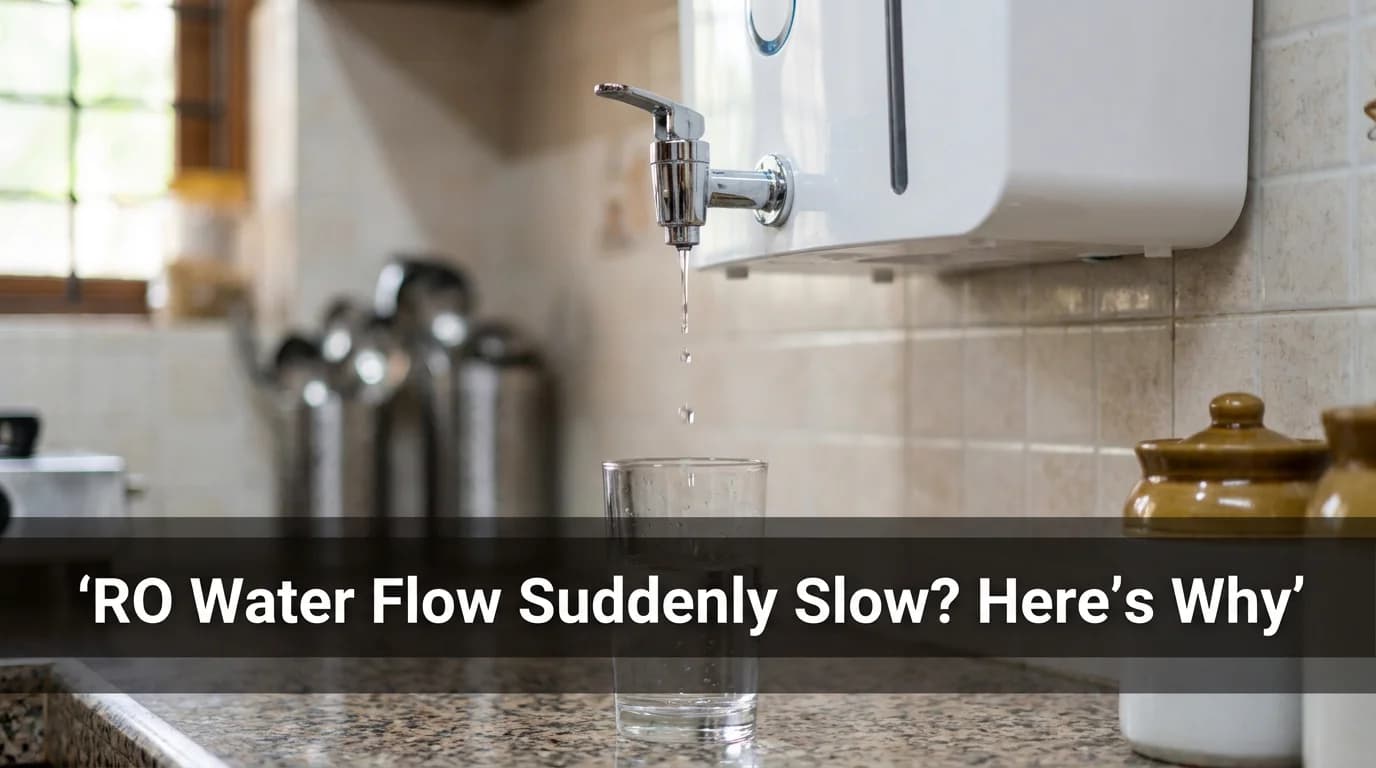
What to Do When Your RO Purifier Water Flow Suddenly Drops: Complete Solutions Guide
Have you noticed that your RO water purifier is producing water at a painfully slow rate lately? What used to fill your bottle in minutes now takes forever, leaving you frustrated and wondering what went wrong. A drastic drop in RO water flow rate is one of the most common complaints among Indian households, especially in cities like Kolkata where water quality varies significantly across different areas. This problem not only tests your patience but can also indicate underlying issues that need immediate attention from professional ro service providers.
Understanding why your RO system experiences reduced water output is crucial for maintaining a steady supply of clean drinking water. The good news is that most flow rate issues have identifiable causes and practical solutions. Whether you are dealing with clogged filters, membrane problems, low water pressure, or other technical issues, this comprehensive guide will walk you through everything you need to know. From simple DIY checks to when you should call ro customer care kolkata, we have got you covered with expert insights.
In this article, we will explore the common causes behind sudden drops in RO water flow, provide actionable solutions you can try at home, explain when professional ro water purifier service kolkata becomes necessary, and share maintenance tips to prevent future problems. By the end, you will have a clear understanding of how to restore your RO system to optimal performance and ensure your family continues enjoying safe, purified water without interruption.
The information shared here draws from real experiences of thousands of households across India and expert recommendations from water purification specialists. Whether your RO system is just a year old or has been serving you for several years, these insights will help you diagnose and resolve low flow rate issues effectively.
Understanding Normal vs Abnormal RO Water Flow
A typical RO water purifier in Indian homes produces purified water at a rate between 8 to 15 liters per hour, depending on the model and capacity. This translates to roughly 120 to 250 milliliters per minute under normal operating conditions. If your system suddenly starts producing significantly less than these benchmarks, you are experiencing an abnormal drop that requires investigation.
Several factors influence what constitutes normal flow for your specific system. The incoming water pressure, water temperature, total dissolved solids level in your source water, and the age of your RO membrane all play critical roles. During winter months, many users notice slightly reduced flow rates because cold water passes through the membrane more slowly than warm water. However, if the drop is drastic and sustained regardless of temperature, you are dealing with a genuine problem.
The impact of reduced flow extends beyond mere inconvenience. When your RO system cannot produce water efficiently, the storage tank empties faster than it refills, leaving your family without purified water during peak usage times. Additionally, extremely slow flow might indicate that your system is working harder than necessary, potentially leading to increased electricity consumption and faster wear of components. Recognizing the difference between normal variations and problematic drops helps you take timely action.
Most households realize something is wrong when filling a one-liter bottle takes more than 8 to 10 minutes, or when the storage tank takes several hours to refill completely. If you notice these signs, it is time to investigate the causes and consider reaching out to ro service kolkata professionals for assistance.
Common Causes Behind Drastic RO Water Flow Reduction
Clogged Pre-Filters and Sediment Buildup
The most frequent culprit behind reduced water flow is clogged pre-filters. Your RO system typically has two or three pre-filters that remove sediment, chlorine, and larger particles before water reaches the delicate RO membrane. These filters gradually accumulate debris over time, restricting water passage and reducing overall system output. In areas with high sediment content or municipal water with frequent impurities, these filters can clog within just three to four months.
Sediment filters especially bear the brunt of dirty water, capturing sand, rust particles, and other suspended solids. When these filters become heavily loaded, water struggles to pass through, creating a bottleneck that affects the entire system. Carbon filters also experience reduced efficiency as they absorb chlorine and organic compounds, eventually becoming saturated and restricting flow. Regular filter replacement as per manufacturer recommendations prevents this issue, but many users forget or delay this crucial maintenance step.
RO Membrane Fouling and Scaling
The RO membrane is the heart of your purification system, and when it experiences fouling or scaling, water production drops dramatically. Membrane fouling occurs when contaminants like bacteria, organic matter, and colloidal particles accumulate on the membrane surface, blocking the tiny pores through which water molecules pass. Scaling happens when dissolved minerals like calcium and magnesium precipitate on the membrane, forming a hard layer that restricts water flow.
In cities like Kolkata where groundwater often has high total dissolved solids, membrane scaling becomes a significant concern. The membrane gradually loses its permeability, forcing the system to work harder while producing less purified water. A membrane that should last two to three years might need replacement within 18 months if scaling is severe. Professional ro water purifier service kolkata technicians can assess membrane condition and recommend cleaning or replacement based on performance testing.
Low Input Water Pressure Problems
RO systems require adequate input water pressure to function effectively, typically between 40 to 60 PSI for optimal performance. When incoming water pressure drops below 35 PSI, the system struggles to push water through the membrane efficiently, resulting in significantly reduced output. This problem is common in upper floors of apartment buildings, areas with weak municipal supply, or homes using overhead tanks without sufficient height advantage.
Low pressure issues can be intermittent, with flow rates varying throughout the day based on neighborhood water demand. Morning and evening hours when water usage peaks often see the worst flow rates. Installing a booster pump can resolve this issue permanently, ensuring consistent pressure regardless of external supply conditions. However, proper diagnosis is essential before investing in additional equipment, which is why consulting ro service experts makes sense.
Practical Solutions to Restore Normal Water Flow
Step-by-Step Filter Maintenance and Replacement
Addressing filter issues is often the quickest way to restore normal flow rates. Start by identifying your filter replacement schedule, which typically recommends changing sediment filters every six months, carbon filters every six to nine months, and post-carbon filters annually. However, these timelines vary based on water quality and usage patterns.
To replace filters yourself, follow these steps:
- Turn off the water supply and depressurize the system by opening the faucet
- Close the storage tank valve to prevent water spillage
- Remove the filter housing using the provided wrench
- Take out the old filter and note any excessive dirt or discoloration
- Clean the housing thoroughly before installing the new filter
- Reassemble carefully, ensuring all O-rings are properly seated
- Turn on the water supply slowly and check for leaks
- Flush the new filters by running water for five minutes before use
Many households in Indian cities prefer calling ro customer care kolkata for filter changes to ensure proper installation and avoid potential leaks. Professional service typically includes system inspection, identifying other potential issues before they become major problems.
Membrane Cleaning and Replacement Options
When filters are not the issue, the membrane likely needs attention. Some membranes can be chemically cleaned to remove scaling and fouling, temporarily restoring performance. This process involves using specialized cleaning solutions that dissolve mineral deposits and organic matter without damaging the membrane structure. However, cleaning only works if the membrane has not suffered permanent damage.
Membrane replacement becomes necessary when cleaning fails to restore adequate flow or when the rejection rate drops below acceptable levels. A healthy RO membrane should reject 85 to 95 percent of total dissolved solids. If testing shows lower rejection rates, replacement is the only solution. Quality membranes from reputable manufacturers last longer and provide better value despite higher upfront costs.
Professional ro service providers perform membrane testing using TDS meters, pressure gauges, and flow measurement tools. They compare current performance against manufacturer specifications and recommend the most cost-effective solution. Attempting membrane replacement without proper knowledge can lead to system damage, making professional assistance worthwhile for this specific task.
Pressure Adjustment and Booster Pump Installation
If low input pressure is your problem, several solutions exist depending on your situation. First, verify that all valves in your water supply line are fully open and no blockages exist in the pipes leading to your RO system. Sometimes partially closed valves or kinked pipes cause unnecessary pressure drops.
For permanent pressure solutions, consider these options:
- Installing a booster pump increases pressure to optimal levels automatically
- Relocating your RO system closer to the main water supply line
- Upgrading to a system with built-in booster pump
- Ensuring your overhead tank has adequate height for gravity-fed pressure
- Checking and replacing the automatic shut-off valve if it malfunctions
Booster pumps suitable for RO systems are widely available in India, with prices ranging from 2000 to 5000 rupees depending on capacity and brand. Professional installation ensures proper electrical connections and optimal placement for efficiency. Many ro water purifier service kolkata providers offer complete packages including pump supply and installation.
When to Call Professional RO Service Technicians
While some issues allow DIY fixes, certain situations demand professional expertise. If you have replaced filters and still experience poor flow, the problem likely involves components requiring technical knowledge and specialized tools. Attempting repairs beyond your skill level risks damaging expensive parts or voiding warranties.
Call professional ro service immediately if you notice water leaks around fittings, unusual noises from the system, complete water stoppage, or if the storage tank fails to build pressure. These symptoms indicate potential issues with check valves, flow restrictors, automatic shut-off valves, or the storage tank's air bladder. Qualified technicians diagnose these problems accurately using proper testing equipment.
Regular professional maintenance schedules prevent most drastic flow reductions. Annual comprehensive service includes filter replacement, membrane inspection, system sanitization, pressure testing, and performance verification. This preventive approach costs less than emergency repairs and extends your RO system's lifespan significantly. Many ro customer care kolkata services offer annual maintenance contracts with multiple visits included at discounted rates.
Choosing the right service provider matters tremendously. Look for technicians with manufacturer certifications, positive customer reviews, transparent pricing, and prompt response times. Experienced professionals complete most service calls within 30 to 60 minutes, restoring your system to full functionality quickly.
Preventive Maintenance Tips for Consistent Water Flow
Preventing flow rate problems is easier and cheaper than fixing them. Implement these maintenance practices to keep your RO system operating at peak efficiency year-round. First, maintain a filter replacement log noting dates and filter types, helping you track when next changes are due. Set reminders on your phone or calendar to avoid missing replacement schedules.
Monitor your system's performance regularly by observing how quickly it fills containers and how long the storage tank takes to refill. Sudden changes in these timelines indicate emerging problems requiring attention. Keep your TDS meter handy and test both input and output water monthly to verify the system maintains proper rejection rates. Significant increases in output TDS suggest membrane issues developing.
Protect your RO system from extreme temperatures and direct sunlight, which can damage plastic components and reduce membrane life. Ensure adequate ventilation around the system to prevent moisture accumulation and mold growth. If your water supply contains high sediment levels, consider installing an additional external sediment filter before the RO system to reduce load on internal filters.
During monsoon seasons when water quality often deteriorates, increase filter replacement frequency if you notice faster clogging. Some households switch to more frequent three-month replacement cycles during rainy months, returning to standard schedules afterward. This adaptive approach maintains consistent performance despite seasonal water quality variations.
Cost Comparison: DIY Maintenance vs Professional Service
Understanding maintenance costs helps you budget appropriately and make informed decisions about DIY versus professional service. Here is a realistic breakdown of typical expenses in 2026 for RO system maintenance in Indian cities:
| Service Type | DIY Cost Range | Professional Service Cost |
|---|---|---|
| Sediment Filter Replacement | 150-300 rupees | 400-600 rupees including labor |
| Carbon Filter Replacement | 250-450 rupees | 500-800 rupees including labor |
| RO Membrane Replacement | 1500-3000 rupees | 2500-4500 rupees including labor |
| Complete Filter Set Change | 800-1500 rupees | 1500-2500 rupees including labor |
| Annual Maintenance Contract | Not applicable | 2000-4000 rupees per year |
| Booster Pump Installation | 2000-5000 rupees plus labor | 3500-7000 rupees complete |
While DIY maintenance appears cheaper initially, factor in the risk of incorrect installation, potential system damage, and the value of your time. Professional service includes proper disposal of old filters, system testing, and warranty on work performed. For households without technical inclination, professional ro service represents better value considering peace of mind and guaranteed results.
Annual maintenance contracts offer the best value for most families, averaging 250 to 350 rupees per month for complete coverage including multiple service visits and filter replacements. These packages eliminate surprise expenses and ensure your system receives timely attention throughout the year.
Conclusion
Experiencing a drastic drop in your RO water purifier flow rate is frustrating but usually solvable with proper diagnosis and action. Most cases stem from clogged filters, membrane fouling, or inadequate water pressure, all of which have straightforward solutions ranging from simple filter replacements to professional membrane servicing. By understanding your system's normal performance and recognizing early warning signs, you can address problems before they escalate into complete failures.
Regular maintenance remains the key to preventing flow rate issues altogether. Following manufacturer-recommended filter replacement schedules, monitoring system performance, and scheduling annual professional service keeps your RO purifier operating efficiently for years. Whether you choose DIY maintenance for routine tasks or rely on expert ro service kolkata technicians for comprehensive care, consistent attention ensures your family enjoys uninterrupted access to safe, purified drinking water. Remember that investing in proper maintenance today saves money on expensive repairs tomorrow while protecting your family's health through reliable water purification.
A sudden drop in your RO water flow rate can stem from multiple issues—clogged pre-filters, membrane fouling, low inlet pressure, or filter saturation. Understanding these causes helps you troubleshoot effectively and restore optimal performance. Learn more about diagnostic techniques, maintenance schedules, and when professional servicing becomes necessary to keep your RO system running efficiently and ensure your family continues receiving clean water without frustrating delays.
Related Blogs
- RO Purifier Water Wastage Problem – How to Reduce It
- Why should I hire a professional technician to service My RO in Kolkata
- RO purifier annual maintenance Kolkata Near Me: How to Find Verified Technicians in Kolkata
- Is best RO service center Kollam Worth It? A Cost-Benefit Breakdown
- RO repair Vijayawada: Warranty and After-Sales Support Explained