
RO Purifier Water Wastage Problem – How to Reduce It
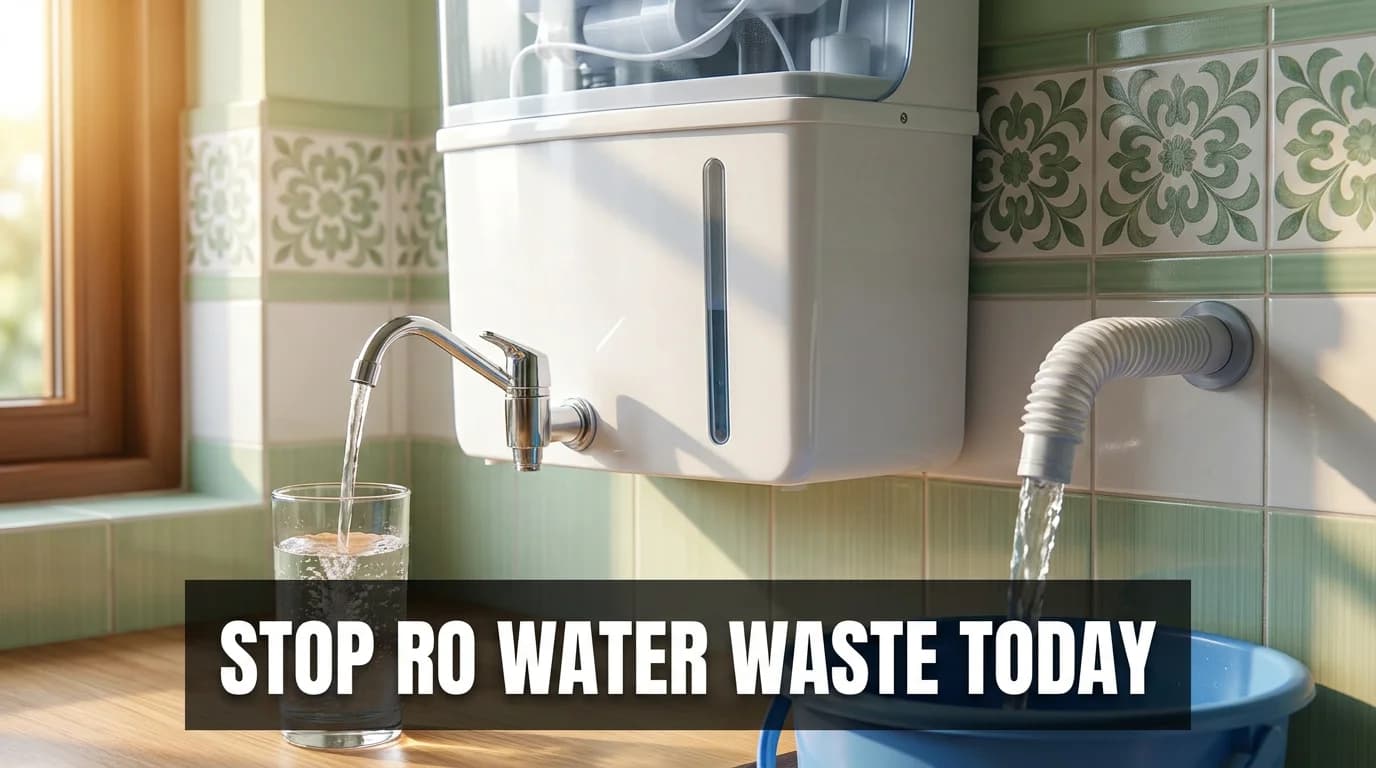
Understanding RO Water Purifier Wastage and Smart Solutions to Minimize Water Loss
Every household in India today faces a growing dilemma with their reverse osmosis systems. While these advanced filtration units deliver pure drinking water, they simultaneously drain precious liters down the sink. Statistics from water conservation studies show that traditional RO systems reject anywhere between 60 to 80 percent of the input water, creating a significant environmental and economic burden for families across cities like Kolkata, Mumbai, Delhi, and Bangalore. The ro service kolkata experts receive countless calls from concerned homeowners seeking solutions to this pressing issue.
Understanding the mechanics behind this water rejection helps homeowners make informed decisions. The reverse osmosis process forces water through an extremely fine membrane that filters out dissolved solids, heavy metals, bacteria, and other contaminants. However, this filtration requires higher pressure and results in two streams—purified water and reject water carrying concentrated impurities. For every liter of clean water produced, many conventional systems waste two to three liters, making water conservation a critical topic in regions already facing water scarcity.
The good news is that water wastage from RO purifiers is not an unsolvable problem. Through proper maintenance, system upgrades, and smart usage practices, households can dramatically reduce waste while maintaining water quality. Consulting ro customer care kolkata technicians for regular system optimization ensures your purifier operates at peak efficiency. This comprehensive guide explores practical, tested methods to minimize RO water wastage without compromising your family's health or the quality of drinking water you receive daily.
Whether you own a countertop unit or an under-sink model, the principles of water conservation remain consistent. Professional ro water purifier service kolkata teams emphasize that small adjustments and awareness can lead to substantial savings over months and years. Let us examine the root causes of excessive wastage and actionable solutions that work in real Indian home conditions.
Why RO Systems Waste Water: The Science Behind Rejection
The fundamental design of reverse osmosis technology inherently produces reject water. The semi-permeable membrane at the heart of the system has pores measuring approximately 0.0001 microns, small enough to block dissolved salts, lead, arsenic, fluoride, and microorganisms. To push water molecules through these microscopic openings requires significant pressure, typically between 40 to 80 PSI. The concentrated stream of impurities must be continuously flushed away to prevent membrane clogging and maintain filtration efficiency.
Input water quality directly impacts the rejection ratio. Hard water containing higher levels of total dissolved solids forces the system to work harder, increasing the volume of reject water needed to keep the membrane clean. In Kolkata and surrounding areas where groundwater often contains elevated TDS levels, this challenge becomes more pronounced. Regular ro service ensures that pre-filters function correctly, reducing the burden on the RO membrane and subsequently lowering wastage percentages.
Membrane age and condition play crucial roles in water efficiency. A new, well-maintained membrane operates more efficiently than an old, scaled one. When calcium and magnesium deposits accumulate on the membrane surface, the system requires more input water to produce the same output volume. This gradual efficiency loss explains why scheduling annual ro water purifier service kolkata visits becomes essential for water conservation. Technicians can assess membrane health and recommend cleaning or replacement when necessary.
System design quality varies significantly across brands and price points. Budget models often sacrifice water efficiency to reduce manufacturing costs, while premium systems incorporate recovery-enhancing technologies. The recovery rate, expressed as the percentage of input water converted to purified output, typically ranges from 20 to 40 percent in standard systems. Advanced models with specialized components can achieve recovery rates up to 50 to 60 percent, effectively halving water wastage compared to basic units.
Practical Solutions to Reduce RO Water Wastage
Adjusting inlet water pressure represents one of the simplest yet most effective interventions. Most RO systems perform optimally within a specific pressure range. Excessively high pressure can increase wastage, while insufficient pressure reduces output. Installing a pressure regulator helps maintain consistent, ideal pressure levels. Contact ro customer care kolkata for pressure testing and regulator installation if you notice fluctuating performance or suspect pressure-related issues affecting your system efficiency.
Upgrading to a high-efficiency RO membrane drastically cuts water rejection. Modern membranes engineered for Indian water conditions can improve recovery rates by 15 to 25 percent compared to standard components. These specialized membranes cost between INR 1500 to INR 4000 depending on capacity and brand, but the investment pays for itself through reduced water bills within 12 to 18 months. Professional ro service technicians can evaluate whether your current system supports membrane upgrades.
Installing a permeate pump transforms system hydraulics without requiring electrical power. This innovative device uses energy from the reject stream to boost pressure on the storage tank side, reducing back pressure on the membrane. The result is improved production efficiency and significantly lower drain water volume. Permeate pumps add INR 3000 to INR 6000 to system costs but can reduce wastage by up to 80 percent, making them one of the most cost-effective upgrades available today.
Regular maintenance schedules prevent efficiency-robbing scale buildup. Creating a maintenance calendar with your ro service kolkata provider ensures timely filter replacements and membrane cleanings. Pre-sediment filters should be changed every six months, carbon filters every 12 months, and RO membranes every two to three years depending on water quality and usage volume. Neglecting these replacements forces the system to waste more water compensating for reduced component performance.
Creative Ways to Reuse RO Reject Water
The reject water from RO systems, while unsuitable for drinking, remains perfectly usable for numerous household purposes. This water typically contains slightly elevated TDS levels but is generally cleaner than standard tap water in most Indian cities. Collecting reject water through simple plumbing modifications converts waste into a valuable resource, addressing both environmental concerns and household utility.
Floor and bathroom cleaning becomes more efficient with collected reject water. Set up a collection system using food-grade plastic drums connected to the drain outlet. A 20-liter container fills within a few hours depending on your system's production rate. This stored water serves excellently for mopping tiles, washing bathrooms, and cleaning outdoor areas. Many families in Kolkata who implemented this system report saving 50 to 80 liters daily, reducing municipal water consumption substantially.
Garden and plant watering benefits from RO reject water especially during summer months. The slightly higher mineral content poses no harm to most ornamental plants, vegetables, and lawn grass. Install a dedicated tap or hose connection to your collection tank for convenient garden access. During peak summer, a typical household generates 100 to 150 liters of reject water daily, sufficient for watering a medium-sized home garden without touching your primary water supply.
Vehicle washing and outdoor cleaning represent additional practical applications. Car enthusiasts and vehicle owners can utilize reject water for initial rinse cycles before applying soap and performing final rinses with purified water. The practice extends water resources while maintaining cleanliness standards. Similarly, driveway washing, garage cleaning, and outdoor furniture maintenance become guilt-free activities when using otherwise wasted water.
Below is a comparison table showing potential water savings through reject water reuse:
| Usage Application | Daily Water Needed | Monthly Savings | Annual Savings |
|---|---|---|---|
| Floor Cleaning | 15 liters | 450 liters | 5400 liters |
| Bathroom Cleaning | 20 liters | 600 liters | 7200 liters |
| Garden Watering | 40 liters | 1200 liters | 14400 liters |
| Vehicle Washing | 30 liters | 120 liters | 1440 liters |
| Total Potential Savings | 105 liters | 2370 liters | 28440 liters |
Advanced System Modifications and Technologies
Zero-waste RO systems represent the cutting edge of water purification technology. These innovative units incorporate multiple stages of purification and recirculation mechanisms that virtually eliminate reject water by repeatedly processing it through various treatment stages. While initial costs range from INR 25000 to INR 45000, the long-term savings and environmental benefits make them increasingly popular among environmentally conscious consumers seeking comprehensive solutions.
Water recycling attachments integrate seamlessly with existing RO systems. These aftermarket devices capture reject water, filter it through additional stages, and redirect it back to the inlet for reprocessing. The technology effectively doubles or triples the recovery rate of standard systems. Installation requires professional expertise, so consulting experienced ro water purifier service kolkata technicians ensures proper setup and optimal performance without voiding manufacturer warranties.
TDS controllers allow users to customize purification levels based on input water quality. By adjusting the purification intensity, households with moderately good input water can reduce membrane strain and wastage. This approach works particularly well in areas where municipal water already meets safety standards but homeowners desire extra protection. The controller blends a small percentage of input water with RO output, reducing overall processing requirements and water rejection volumes.
Booster pumps solve low-pressure problems that force systems to waste excess water compensating for inadequate flow. If your home receives water at pressure below 40 PSI, a booster pump installation can improve system efficiency by 30 to 50 percent. These pumps cost between INR 2500 to INR 7000 depending on capacity and brand. Professional ro service providers can assess whether your system would benefit from this upgrade based on your specific pressure conditions.
Choosing the Right RO System for Water Conservation
When purchasing a new purification system, prioritize models specifically designed for water efficiency. Research specifications carefully, looking for recovery rate information in product documentation. Systems advertising 50 percent or higher recovery rates deliver substantially better water conservation than standard 25 to 30 percent recovery models. Although premium efficiency models cost INR 3000 to INR 8000 more initially, the investment recovers through lower water bills within two years.
Capacity matching prevents unnecessary water processing cycles. Oversized systems for small families waste water producing more purified output than needed, causing storage tank overflow and drain valve activation. Calculate your household daily consumption realistically—typically 10 to 15 liters per person—and select appropriate capacity. A family of four requires a system producing 40 to 60 liters daily rather than oversized 75 to 100 liter units marketed aggressively.
Examine pre-filtration capabilities when comparing models. Superior sediment and carbon pre-filters protect the RO membrane from premature damage, maintaining optimal efficiency throughout the system's lifespan. Multi-stage pre-filtration reduces the burden on the primary membrane, decreasing the volume of reject water needed for membrane cleaning. Investing in quality pre-filtration adds INR 1500 to INR 3000 to system costs but extends membrane life by 40 to 60 percent.
Certification and testing data provide objective efficiency measurements. Look for systems tested by reputable organizations with published recovery rates and performance specifications. Avoid marketing claims lacking independent verification. Consulting ro customer care kolkata representatives from established service providers can offer unbiased guidance on which systems genuinely deliver water conservation benefits versus those making empty environmental claims.
Professional Maintenance for Optimal Efficiency
Annual comprehensive inspections by qualified technicians identify efficiency problems before they escalate. During these visits, professionals test inlet pressure, check filter conditions, measure TDS levels at multiple points, inspect membrane integrity, and verify all system components function correctly. This preventive approach costs INR 800 to INR 1500 per visit but prevents expensive repairs and maintains water conservation performance throughout the year.
Membrane cleaning services restore efficiency without replacement costs. Professional cleaning using food-grade chemicals removes scale deposits, biological growth, and organic fouling that accumulate despite regular operation. This service, typically costing INR 1200 to INR 2500, can extend membrane life by one to two years while restoring original recovery rates. Many ro service kolkata providers offer this as part of annual maintenance packages.
Water quality testing reveals changing conditions requiring system adjustments. As seasonal variations affect input water characteristics, periodic testing helps optimize system settings. Monsoon months often bring lower TDS water requiring less aggressive purification, while summer groundwater may contain higher mineral concentrations. Professional testing services cost INR 500 to INR 1000 and provide actionable data for system optimization.
Emergency repairs addressing leaks and malfunctions prevent catastrophic water waste. A leaking system can waste hundreds of liters daily without producing any purified output. Establishing a relationship with reliable ro water purifier service kolkata professionals ensures quick response times when problems arise. Keep service contact numbers accessible and address unusual sounds, leaks, or performance changes immediately rather than postponing repairs.
Conclusion
Reducing water wastage from RO purifiers requires a combination of smart choices, regular maintenance, and creative reuse strategies. Understanding why these systems produce reject water helps homeowners make informed decisions about upgrades, usage patterns, and system selection. From simple pressure adjustments to advanced zero-waste technologies, multiple solutions exist for every budget and situation. Implementing reject water collection for household uses transforms waste into a valuable resource, addressing environmental concerns while maintaining access to safe drinking water.
The key lies in viewing your RO system as an investment requiring ongoing attention rather than a install-and-forget appliance. Regular ro service appointments, timely component replacements, and periodic efficiency assessments ensure your system operates at peak performance. Whether through DIY modifications or professional ro customer care kolkata consultations, taking proactive steps toward water conservation benefits your household finances, supports environmental sustainability, and ensures your family continues receiving safe, purified drinking water for years ahead.
Discover how modern RO optimization techniques can cut your water wastage by up to 50% through simple adjustments and smart usage habits. Learn more about storage solutions for reject water, pressure regulation methods, and membrane maintenance practices that extend your system's efficiency while preserving this vital resource for future generations.
Related Blogs
- Why should I hire a professional technician to service My RO in Kolkata
- RO purifier annual maintenance Kolkata Near Me: How to Find Verified Technicians in Kolkata
- Is best RO service center Kollam Worth It? A Cost-Benefit Breakdown
- RO repair Vijayawada: Warranty and After-Sales Support Explained
- RO service Guntur for First-Time RO Owners in Guntur