
How Often Should I service My RO in Nagpur
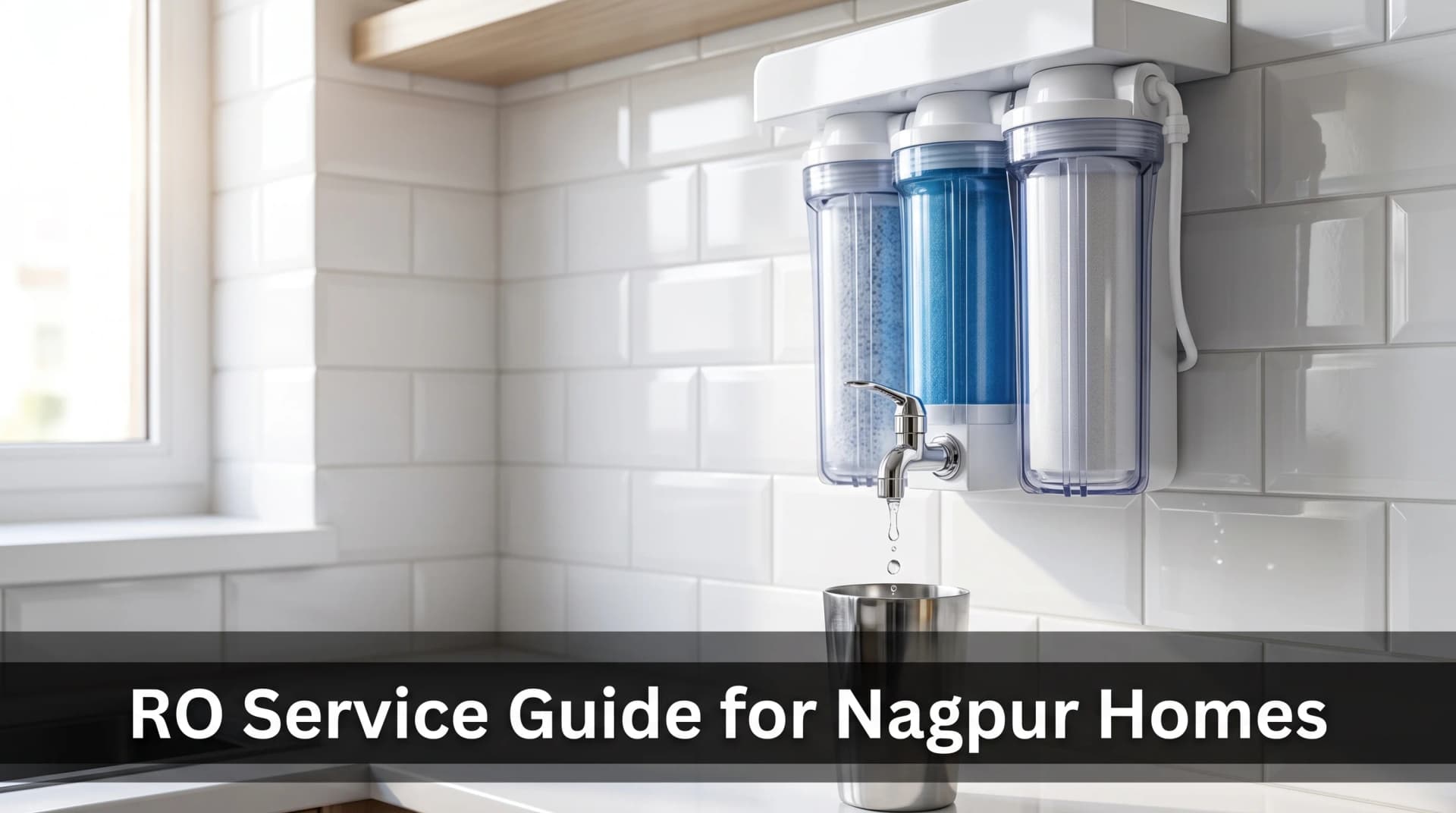
How Often Should You Service Your RO Water Purifier in Nagpur: A Complete Maintenance Guide
Clean drinking water is a fundamental necessity, yet many households in Nagpur overlook the importance of regular maintenance for their water purification systems. Your RO system works tirelessly to remove contaminants, but without proper care, it can become ineffective or even harmful. Understanding the right service frequency for ro service nagpur is crucial for maintaining water quality and extending the life of your purifier. The question of how often you should schedule maintenance depends on multiple factors specific to Nagpur's water conditions, usage patterns, and system specifications. Most homeowners discover too late that irregular servicing leads to poor water taste, reduced flow, and higher electricity bills. This comprehensive guide will help you determine the perfect service schedule for your home while addressing common concerns about ro water purifier service nagpur requirements and best practices.
Nagpur's municipal water supply varies significantly across different areas, with some localities receiving harder water than others. The presence of dissolved solids, chlorine content, and seasonal variations all impact how quickly your RO membranes and filters get exhausted. During summer months, when water consumption increases and source water quality may deteriorate, your purifier works harder and requires more attention. Similarly, if your household has five or more members consuming purified water daily, the strain on your system multiplies. These local factors make it essential to understand not just generic guidelines but specific recommendations tailored to Nagpur residents. Whether you live in Dharampeth, Sitabuldi, or Hingna, your water purifier maintenance needs careful planning and professional attention.
Many people assume that as long as water flows from their RO tap, everything is functioning properly. This misconception can lead to serious health risks, as degraded filters may allow contaminants to pass through while appearing to work normally. The membrane, which is the heart of any reverse osmosis system, gradually loses its rejection capacity when overused or under-maintained. Similarly, pre-filters and post-filters have specific lifespans that must be respected regardless of whether you notice any change in water quality. Regular ro customer care nagpur services ensure that every component is inspected, tested, and replaced according to manufacturer specifications rather than guesswork.
The financial aspect of regular maintenance often concerns homeowners, but the cost of neglect far exceeds preventive service expenses. When you skip scheduled services, minor issues escalate into major breakdowns requiring expensive repairs or complete system replacement. A membrane that should last three years might fail within eighteen months if surrounding filters are not changed on time. Similarly, a malfunctioning storage tank or leaking faucet wastes hundreds of liters monthly, inflating your water bills unnecessarily. Understanding the recommended service intervals helps you budget appropriately while protecting your investment in clean drinking water for your family.
Standard Service Intervals for RO Systems in Nagpur
The general recommendation for ro water purifier service nagpur visits is every three to six months, but this timeline requires adjustment based on individual circumstances. Most manufacturers specify service frequencies in their user manuals, typically ranging from quarterly to semi-annual professional inspections. For Nagpur homes receiving corporation water with moderate TDS levels between 300-500 ppm, a six-month interval usually suffices for comprehensive servicing. However, areas with TDS exceeding 800 ppm or borewells with high mineral content may require quarterly attention.
During each service visit, technicians should replace sediment filters, carbon filters, and inspect the RO membrane condition. The pre-sediment filter typically needs replacement every three to six months as it captures larger particles, rust, and sand before water reaches subsequent stages. Activated carbon filters, which remove chlorine and organic compounds, generally last six to twelve months depending on source water quality. The RO membrane itself, the costliest component, typically requires replacement every two to three years under normal conditions.
External factors also influence service frequency requirements. If your area experiences frequent water supply interruptions, sediment accumulation in pipelines increases, clogging pre-filters faster. Similarly, if your home uses overhead tanks without proper cleaning, biofilm and algae growth can contaminate the water entering your purifier. During monsoon season, increased turbidity in water sources may necessitate more frequent filter changes to maintain optimal performance.
Water purifier service costs in Nagpur vary based on the scope of work required. Basic preventive maintenance including filter replacement typically ranges from 800 to 1500 rupees depending on the brand and model. Complete servicing with membrane replacement can cost between 2000 to 4000 rupees. Establishing a relationship with reliable ro customer care nagpur providers often results in better pricing and more responsive service when emergencies arise.
Warning Signs That Your RO Needs Immediate Service
Several indicators suggest your water purifier requires attention before the scheduled service date. A significant decrease in water flow rate or pressure is often the first sign that filters are clogged or the membrane is scaling. If filling a glass that normally takes fifteen seconds now requires thirty seconds or more, schedule a service appointment promptly. This slowdown indicates that your system is working harder, consuming more electricity, and producing water of potentially compromised quality.
Changes in water taste or odor are serious red flags that should never be ignored. If your purified water develops a strange taste, smells like chlorine, or seems different than usual, the activated carbon filter may be exhausted. Similarly, a salty or brackish taste indicates the RO membrane is failing to reject dissolved solids effectively. These changes mean contaminants are passing through the system, defeating the entire purpose of water purification.
Physical signs around the system also require attention. Water leakage from any connection point, the storage tank, or the tap indicates seal failure or loose fittings. Unusual sounds like grinding, clicking, or continuous motor running suggest mechanical problems with the pump or pressure switch. Additionally, if the reject water ratio seems excessive, with significantly more wastewater flowing out than normal, the system efficiency has declined and needs professional assessment.
Monitoring your electricity consumption can also reveal purifier problems. An RO system typically consumes 25 to 60 watts during operation, depending on the model and water pressure. If your electricity bills increase without corresponding changes in usage patterns, your purifier might be running inefficiently due to clogged filters or a failing motor. Regular ro service nagpur visits prevent these issues from escalating into expensive repairs or health hazards.
Component-Wise Maintenance Schedule
Different components of your RO system have varying lifespans and replacement schedules. Understanding these intervals helps you plan maintenance activities and budget for ongoing costs. The sediment filter, being the first line of defense, captures visible particles and typically requires replacement every three to six months. In areas with sandy water or frequent supply disruptions, you may need to replace it even more frequently.
The pre-carbon filter and post-carbon filter serve different purposes but generally need replacement every six to twelve months. The pre-carbon filter removes chlorine before water reaches the membrane, protecting it from chemical damage. The post-carbon filter polishes water after storage, eliminating any residual tastes or odors. Both filters lose effectiveness gradually, so adhering to recommended replacement schedules maintains water quality consistently.
The RO membrane represents the most critical and expensive component, typically lasting two to three years with proper maintenance. However, its lifespan directly depends on how well pre-filters protect it from sediment and chlorine damage. Replacing pre-filters on schedule can extend membrane life significantly, reducing long-term costs. Professional ro water purifier service nagpur technicians can test membrane performance using TDS meters to determine if replacement is necessary or if it can continue functioning effectively.
Storage tanks, UV lamps when present, and electrical components also require periodic attention. Storage tanks should be sanitized annually to prevent bacterial growth. UV lamps, if your system includes UV sterilization, typically need replacement every 9 to 12 months as their germicidal effectiveness decreases over time. Electrical connections, pressure switches, and solenoid valves should be inspected during each service visit to prevent sudden failures.
The following table outlines typical replacement schedules for major RO components in Nagpur conditions:
| Component | Replacement Frequency | Approximate Cost (INR) |
|---|---|---|
| Sediment Filter | 3-6 months | 150-300 |
| Pre-Carbon Filter | 6-12 months | 250-400 |
| RO Membrane | 24-36 months | 1500-2500 |
| Post-Carbon Filter | 12 months | 200-350 |
| UV Lamp (if applicable) | 9-12 months | 800-1200 |
| Complete Service | 6 months | 800-1500 |
DIY Maintenance Tasks Between Professional Services
While comprehensive servicing requires professional expertise, several maintenance tasks can be performed by homeowners to keep their systems running optimally between ro customer care nagpur visits. Regular cleaning of the exterior cabinet and tap prevents dust accumulation and maintains hygiene. Simply wiping down surfaces with a damp cloth weekly keeps the unit looking clean and allows you to spot any leaks or unusual signs early.
Monitoring water quality using a basic TDS meter provides valuable insights into system performance. These affordable devices, available for 300 to 800 rupees, measure dissolved solids in parts per million. Test your tap water and purified water monthly, recording the values. If purified water TDS increases significantly, it indicates that the membrane or filters need attention even before scheduled service dates.
Checking for leaks should become a monthly habit. Inspect all connection points, the storage tank, and the area around the purifier for moisture or water stains. Early leak detection prevents water wastage and potential damage to cabinets or flooring. Similarly, listening to your system periodically helps identify unusual sounds that might indicate developing problems.
Sanitizing the storage tank annually is an important task that many homeowners overlook. Over time, bacteria can form biofilms inside the tank even with purified water. Mix a sanitizing solution as recommended in your user manual, run it through the system, and flush thoroughly before resuming normal use. This process ensures your stored water remains safe for consumption throughout the year.
Simple maintenance practices include:
- Clean exterior surfaces and tap weekly with a soft cloth
- Test water TDS monthly using a handheld meter
- Check all connections for leaks every month
- Listen for unusual sounds during operation
- Sanitize storage tank annually
- Keep a maintenance log noting dates and observations
- Ensure adequate space around the unit for ventilation
- Avoid exposing the system to direct sunlight or extreme temperatures
Choosing the Right Service Provider in Nagpur
Selecting reliable ro service nagpur professionals significantly impacts your purifier's performance and longevity. Look for service providers with proper training certifications and experience with your specific brand and model. Authorized service centers typically have access to genuine spare parts and follow manufacturer-recommended procedures, ensuring quality work that maintains warranty validity.
Customer reviews and recommendations from neighbors or friends provide valuable insights into service quality and reliability. Check online reviews specifically mentioning punctuality, technician expertise, pricing transparency, and after-service support. A good service provider explains what work was performed, shows you replaced parts, and offers maintenance advice tailored to your water conditions.
Service contracts or annual maintenance plans offered by many ro water purifier service nagpur providers can be economical for regular servicing. These plans typically include scheduled visits, filter replacements, and discounts on additional repairs. Compare different plans considering what components are covered, number of visits included, and whether emergency calls incur extra charges.
Verify that service technicians carry necessary tools and genuine replacement parts during visits. Professional services should include water quality testing before and after maintenance, ensuring that the work performed actually improves purification effectiveness. Request a service report documenting work completed, parts replaced, and recommendations for future maintenance.
Conclusion
Regular maintenance is essential for ensuring your RO system continues providing safe, clean drinking water for your family in Nagpur. The ideal service frequency depends on factors including water quality, household consumption, and system specifications, typically ranging from three to six months for professional ro service nagpur visits. Between professional servicing, simple DIY tasks like monitoring water quality, checking for leaks, and keeping the unit clean help maintain optimal performance. Recognizing warning signs such as reduced flow, taste changes, or unusual sounds enables timely intervention before minor issues become major problems. Component replacement schedules vary, with pre-filters requiring attention every few months while membranes last several years with proper care. Investing in regular ro water purifier service nagpur maintenance proves far more economical than dealing with breakdowns or health risks from contaminated water. By establishing a relationship with reliable ro customer care nagpur professionals and following recommended maintenance schedules, you protect your investment while ensuring continuous access to pure drinking water. Remember that your water purifier is a critical health appliance deserving the same attention you give other essential household equipment.
Discover how Nagpur's unique water conditions impact your RO purifier's performance and longevity. Learn more about the specific maintenance schedules recommended by experts, including filter replacement timelines, membrane cleaning protocols, and seasonal service requirements tailored to local water hardness levels and UF variations across different Nagpur zones.