
How to replace aquaguard filter in mumbai?
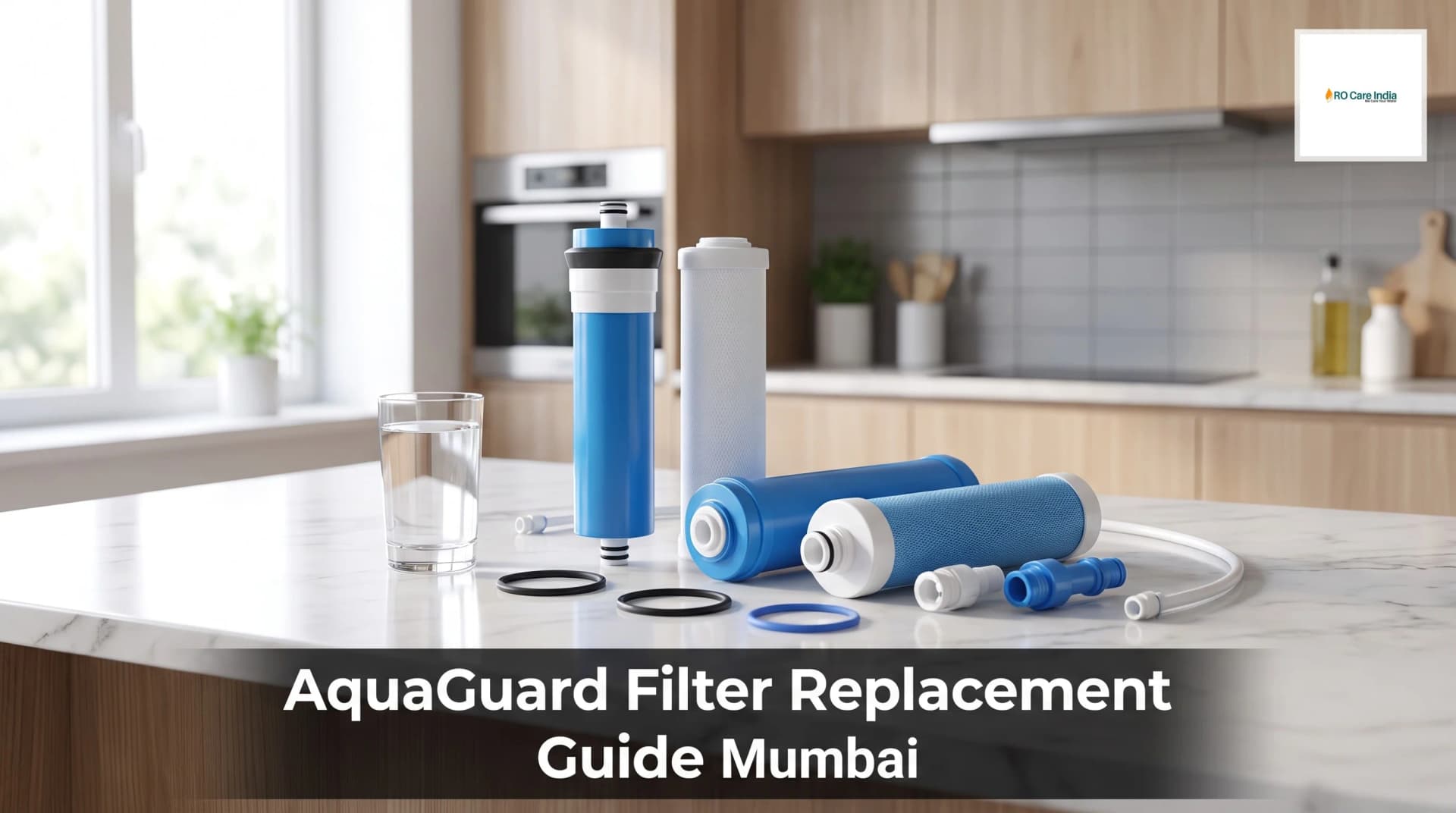
Your Complete Guide to Replacing Water Purifier Filters in Mumbai: Service Centers, Customer Care, and Expert Repair Solutions
Clean drinking water is the foundation of good health, and maintaining your water purifier is essential to ensure your family gets safe, purified water every day. In a bustling metropolis like Mumbai, where water quality varies significantly across neighborhoods from Andheri to Thane, keeping your water purification system in optimal condition becomes even more critical. Whether you live in South Mumbai's high-rise apartments or the sprawling suburbs of Borivali, understanding when and how to replace your water purifier filter can save you from potential health risks and unnecessary expenses.
Filter replacement is not just a maintenance task—it's a health necessity. Over time, filters accumulate contaminants, bacteria, and dissolved solids that they remove from your water. When these filters become saturated, they lose their effectiveness and can even release trapped impurities back into your drinking water. For Mumbai residents dealing with varying TDS levels ranging from 200 to 2000 ppm depending on their locality, timely filter replacement ensures consistent water quality. Finding a reliable aquaguard service center mumbai becomes crucial when your purifier shows signs of reduced performance or when it's time for scheduled maintenance.
Mumbai's unique water challenges—from high chlorine content in municipal supply to the presence of heavy metals in certain areas—make professional servicing even more important. Many homeowners attempt DIY filter replacements to save money, but without proper knowledge, this can lead to improper installation, warranty voidance, or continued water quality issues. This comprehensive guide will walk you through everything you need to know about filter replacement, from identifying when your filter needs changing to finding authorized service centers and understanding the costs involved. Whether you're a first-time purifier owner or have been using one for years, this information will empower you to make informed decisions about your water purifier maintenance.
The process of filter replacement involves more than just swapping out an old cartridge for a new one. It requires understanding your specific purifier model, the types of filters it uses, the water quality in your area, and the proper installation techniques. In Mumbai, where different zones receive water from different reservoirs and treatment plants, your filter replacement frequency might differ from someone living just a few kilometers away. Accessing the right aquaguard customer care number mumbai ensures you get model-specific guidance and genuine parts that match your purifier's requirements.
This guide covers everything from recognizing the warning signs that your filter needs replacement to step-by-step instructions for different filter types, cost comparisons across Mumbai localities, finding authorized service providers, and maintaining your purifier between replacements. By the end of this article, you'll have all the knowledge needed to ensure your family continues enjoying pure, safe drinking water throughout the year. Let's dive into the essential information every Mumbai water purifier owner needs to know.
Understanding When Your Water Purifier Filter Needs Replacement
Knowing when to replace your water purifier filter is crucial for maintaining water quality and protecting your family's health. Most manufacturers recommend filter replacement every 6 to 12 months, but this timeline can vary significantly based on your water source, daily usage, and local water quality. In Mumbai, households in areas like Malad, Kandivali, and Powai often experience higher TDS levels, which means filters work harder and may need more frequent replacement than those in areas with better municipal water quality.
The most obvious sign that your filter needs replacement is a noticeable change in water taste or odor. If your purified water starts tasting slightly metallic, chlorinated, or develops any unusual smell, the activated carbon filter has likely reached its capacity. Another clear indicator is reduced water flow rate—when you notice water dispensing slower than usual, it typically means the sediment filter is clogged with particles and needs replacement. Visual indicators on modern purifiers, such as blinking lights or digital alerts, are designed to notify you when filter life is ending, though these should be supplemented with your own observations.
Water appearance also tells an important story. If you notice cloudiness, visible particles, or any discoloration in your purified water, immediate filter replacement is necessary. Some households in Mumbai report seeing a white or chalky residue in their water glasses, which indicates the RO membrane or post-carbon filter is no longer functioning properly. Additionally, if family members experience unusual digestive issues or if you notice scale buildup on your kettle or coffee maker despite using purified water, these are red flags that your purification system is compromised.
The frequency of filter replacement also depends on your household's daily water consumption. A family of four typically consumes 15-20 liters of purified water daily, which puts more strain on filters than a smaller household. If you haven't maintained a service record, contacting aquaguard repair service mumbai professionals can help assess your filter condition through TDS testing and flow rate measurements. They can provide personalized recommendations based on your specific usage patterns and local water conditions.
Types of Water Purifier Filters and Their Replacement Cycles
Water purifiers use multiple filter stages, each serving a specific purification purpose and requiring replacement at different intervals. Understanding these different filter types helps you budget for maintenance and ensures you're replacing the right components at the right time. The pre-filter or sediment filter is the first line of defense, removing visible dirt, sand, rust particles, and larger contaminants. In Mumbai's older neighborhoods with aging pipeline infrastructure, this filter often needs replacement every 6 months due to higher sediment levels in the water supply.
The activated carbon filter removes chlorine, organic compounds, pesticides, and improves taste and odor. This filter typically lasts 6-12 months depending on chlorine levels in your water supply. Mumbai's municipal water contains chlorine for disinfection, which accelerates carbon filter saturation. Areas receiving water from different treatment plants may experience varying chlorine levels, affecting filter lifespan. The RO membrane, the heart of reverse osmosis purifiers, removes dissolved salts, heavy metals, bacteria, and viruses. This expensive component usually lasts 2-3 years with proper pre-filter maintenance but may need earlier replacement in high TDS areas.
The UV lamp in UV-based purifiers requires annual replacement to maintain its germicidal effectiveness. Even if the lamp appears to be working, its UV-C output diminishes over time, reducing its ability to neutralize microorganisms. Post-carbon or polishing filters provide final taste enhancement and typically need replacement every 8-12 months. Alkaline or mineralizer cartridges, found in newer models, add essential minerals back into RO water and generally last 6-9 months. Understanding these different replacement cycles helps you plan your maintenance schedule and budget accordingly.
Step-by-Step Filter Replacement Process
While professional service is recommended for complete filter replacement, understanding the process helps you make informed decisions and potentially handle simple pre-filter replacements yourself. Before beginning any filter replacement, always turn off the water purifier and disconnect it from the power supply for safety. Shut off the water inlet valve to prevent water flow during the replacement process. Keep towels handy as some water spillage is normal when opening filter housings.
For sediment pre-filter replacement, locate the transparent housing at the purifier's bottom or side. Using the provided wrench or your hands if it's hand-tightened, turn the housing counterclockwise to unscrew it. Water will drain out, so place a container underneath. Remove the old filter cartridge, clean the housing thoroughly with running water, and inspect the O-ring seal for any damage. Replace the O-ring if it appears worn or cracked to prevent leaks. Insert the new sediment filter, ensuring it sits properly in the housing, then screw the housing back clockwise until hand-tight. Don't over-tighten as this can crack the housing.
Carbon filter replacement follows a similar process but requires more care as these filters are usually inside opaque housings. Mark the housing orientation before removal to ensure proper reinstallation. After replacing the carbon filter, it's essential to flush the system by running water through for 3-5 minutes to remove carbon dust and activate the filter media. RO membrane replacement is more complex and best left to trained technicians as it requires proper sanitization, pressure testing, and TDS adjustment after installation.
UV lamp replacement involves carefully removing the quartz sleeve, cleaning it thoroughly, and installing the new UV lamp without touching the glass surface with bare hands. Oils from your skin can create hot spots on the lamp and reduce its lifespan. After replacing any filter, open the water inlet valve slowly, check for leaks at all connection points, and let the system fill and stabilize. Run the first few liters of purified water to waste to flush the new filters before using it for drinking. If you're unsure about any step, seeking professional guidance is the safer option.
Finding Authorized Service Centers and Customer Care in Mumbai
Mumbai's vast geography means finding a conveniently located, authorized service center can significantly impact your maintenance experience. Authorized service centers ensure you receive genuine replacement filters, trained technicians, and warranty-compliant service. Major residential hubs in Mumbai—including Andheri, Borivali, Thane, Navi Mumbai, Mulund, and Bandra—have multiple authorized service points. When searching for service centers, verify their authorization status by checking official websites or calling customer care directly to avoid counterfeit parts or unauthorized service providers.
Service centers in commercial areas like Lower Parel, BKC, and Nariman Point often cater to both residential and office purifier servicing, offering faster turnaround times due to higher technician availability. However, they may have slightly higher service charges compared to suburban service centers. Many authorized centers now offer doorstep service, where technicians visit your home with necessary filters and tools, completing replacement on-site. This convenience is particularly valuable for busy professionals and elderly homeowners who find traveling to service centers challenging.
When contacting customer care, have your purifier's model number, purchase date, and any service history ready for faster assistance. Customer care can provide accurate information about nearest service centers, filter availability, service costs, and schedule appointments. They can also help with troubleshooting simple issues over the phone, potentially saving you a service visit. For urgent issues like complete water flow stoppage or foul-smelling water, most customer care centers offer priority service scheduling.
Online service booking platforms have made scheduling maintenance more convenient. Many brands offer mobile apps or websites where you can book service appointments, track technician arrival, access your service history, and purchase filters directly. These platforms often provide transparent pricing before booking, eliminating surprise charges. Customer reviews and ratings on these platforms help you choose reliable technicians and service centers. Some providers offer annual maintenance contracts (AMCs) that include scheduled filter replacements, priority service, and discounted rates, which can be cost-effective for long-term maintenance.
Cost Analysis of Filter Replacement Across Mumbai
Understanding the cost structure of filter replacement helps you budget for maintenance and avoid overcharging. Filter replacement costs vary based on filter type, purifier model, service location, and whether you're using authorized service or third-party providers. In Mumbai, sediment pre-filters typically cost between Rs. 200 to Rs. 500, depending on filtration capacity and brand. Activated carbon filters range from Rs. 400 to Rs. 800, while specialized carbon blocks can cost up to Rs. 1,200. These prices are for genuine, authorized filters—third-party filters may be cheaper but often compromise on quality.
RO membrane replacement is the most significant expense, ranging from Rs. 1,500 to Rs. 3,500 for residential purifiers. High-capacity membranes for larger families or commercial use can cost up to Rs. 5,000. UV lamps typically cost Rs. 800 to Rs. 1,500, while post-carbon filters range from Rs. 300 to Rs. 600. Complete filter set replacements, which include all filter stages except the RO membrane, usually cost Rs. 2,000 to Rs. 4,000 depending on the purifier model. Service charges for technician visits add Rs. 300 to Rs. 800 to these costs in most Mumbai localities.
Location within Mumbai affects service costs due to travel charges. Service centers in central Mumbai and South Mumbai often charge higher visit fees compared to suburban areas. However, some localities like Thane, Navi Mumbai, and Mira Road have competitive pricing due to higher service provider density. Comparing quotes from 2-3 authorized service centers before committing helps ensure fair pricing. Many service centers offer package deals where purchasing multiple filters together or opting for annual contracts reduces per-unit costs by 10-20%.
Filter Type | Cost Range (Rs.) | Replacement Frequency | Annual Cost (Approx.) |
|---|---|---|---|
Sediment Pre-filter | 200-500 | 6 months | 400-1,000 |
Activated Carbon | 400-800 | 6-12 months | 400-1,600 |
RO Membrane | 1,500-3,500 | 24-36 months | 500-1,750 |
UV Lamp | 800-1,500 | 12 months | 800-1,500 |
Post-Carbon Filter | 300-600 | 8-12 months | 300-900 |
Service Charges | 300-800 | Per visit | 600-2,400 |
This table provides estimated annual costs based on recommended replacement frequencies, helping you budget approximately Rs. 3,000 to Rs. 8,000 annually for comprehensive water purifier maintenance in Mumbai.
Preventive Maintenance Tips to Extend Filter Life
While regular filter replacement is essential, proper maintenance practices can extend filter lifespan and improve purifier efficiency. Pre-filter maintenance is crucial—cleaning your sediment filter every 2-3 weeks by removing and rinsing it under running water removes accumulated particles and maintains water flow rate. This simple step can extend sediment filter life by 2-3 months, especially in areas with high sediment water supply. Some purifiers have transparent pre-filter housings allowing visual inspection without removal.
Water inlet pressure significantly impacts filter performance and longevity. Mumbai's municipal water pressure fluctuates throughout the day, with lower pressure during peak usage hours. Installing a pressure regulator ensures consistent inlet pressure between 40-60 PSI, preventing membrane damage from pressure spikes and ensuring optimal filtration. Similarly, if your area experiences low water pressure, a booster pump maintains adequate pressure for proper RO functioning, preventing membrane fouling due to insufficient water flow.
Regular purifier exterior cleaning prevents dust accumulation on vents and electrical components. Wipe the purifier body weekly with a damp cloth, and clean the dispensing area daily to prevent bacterial growth. The water storage tank requires monthly sanitization—drain it completely, wipe interior surfaces with a diluted vinegar solution or manufacturer-recommended sanitizer, rinse thoroughly, and refill. This prevents biofilm formation and maintains water quality between filter replacements.
Monitoring your water's TDS levels monthly using an inexpensive TDS meter helps you track filter performance. A gradual TDS increase in purified water indicates declining RO membrane efficiency, signaling upcoming replacement needs. Similarly, tracking water flow rate—measure how long it takes to fill a 1-liter bottle—helps identify filter clogging early. Maintaining a service log with filter replacement dates, TDS readings, and observations helps you establish patterns specific to your water supply and usage, allowing better maintenance planning.
Common Filter Replacement Problems and Solutions
Even with proper maintenance, filter replacement can encounter issues that affect purifier performance. One common problem is continued low water flow even after filter replacement, which can indicate improper filter installation, air locks in the system, or issues with the RO membrane housing. Flushing the system thoroughly and checking all filter housings for proper seating usually resolves this issue. If the problem persists, professional inspection may reveal underlying pressure or membrane issues.
Another frequent complaint is unchanged or worsening water taste after filter replacement. This often occurs when carbon filters aren't properly flushed after installation, releasing carbon fines into the water. Running 3-5 liters of water to waste after carbon filter replacement eliminates this problem. If taste issues continue, the problem might lie in the storage tank, which requires sanitization, or indicate that the wrong filter type was installed for your specific water conditions.
Leakage after filter replacement typically results from damaged O-rings, cross-threaded housings, or over-tightening. Always inspect O-rings before reassembly and replace them if they show any wear, cracks, or deformation. Applying food-grade silicone lubricant to O-rings ensures proper sealing without over-tightening. If leaks occur at quick-connect fittings, ensure the tubing is cut squarely and inserted fully until it clicks into place.
High TDS in purified water after RO membrane replacement can indicate improper membrane installation, damaged membrane housing, or incorrect membrane type for your water conditions. Professional installation ensures proper membrane seating, housing sanitization, and post-installation TDS adjustment. Some purifiers require specific startup procedures after membrane replacement to achieve optimal performance, which authorized technicians follow to ensure your purifier operates correctly.
Learn more about maintaining your AquaGuard water purifier through authorized service centers across Mumbai's diverse neighborhoods. Discover how regular filter replacements protect your family's health by addressing local water quality challenges specific to your area. Explore further details on identifying when filters need changing, understanding different filter types, and accessing genuine spare parts through official channels to ensure your purifier continues delivering safe drinking water consistently.