
Why My Aquaguard filter is not working: how to fix it
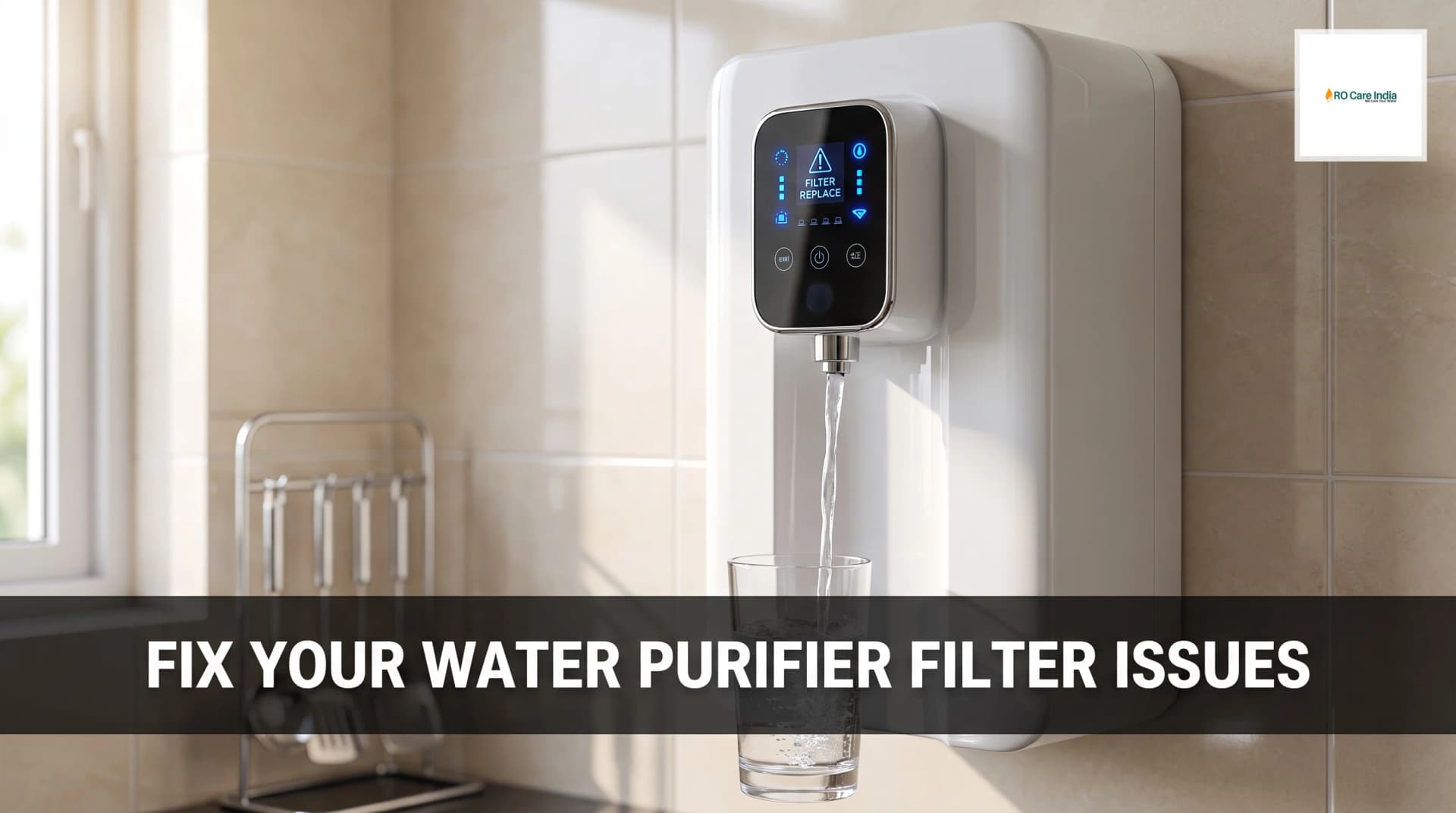
Complete Guide to Fixing Your Water Purifier Filter Issues in Mumbai: Expert Solutions and Professional Repair Services
Clean drinking water is essential for every household in Mumbai, and when your trusted water purification system suddenly stops working, it can disrupt your entire daily routine. Many homeowners across the city experience filter-related issues that affect water quality and flow. Whether you're noticing reduced water output, strange tastes, or complete system failure, understanding the root cause and knowing where to get professional help makes all the difference. If you're facing persistent problems, reaching out to an aquaguard service center mumbai ensures your system gets back to optimal performance quickly. This comprehensive guide walks you through common filter problems, practical troubleshooting steps, and reliable repair solutions specifically for Mumbai residents.
Mumbai's water quality varies significantly across different neighborhoods, from Andheri to Thane, making proper filtration absolutely critical for safe consumption. Hard water, high TDS levels, and sediment contamination put extra strain on purification systems, leading to frequent maintenance needs. When filters stop functioning correctly, families face potential health risks from unfiltered water. Recognizing warning signs early and taking prompt action prevents costly replacements and ensures continuous access to pure drinking water.
Professional repair services have become increasingly important as water purifiers incorporate advanced technologies like RO, UV, and UF filtration. Unlike simple troubleshooting, certain technical issues require trained technicians with specialized tools and genuine replacement parts. Many Mumbai households delay necessary repairs due to uncertainty about service quality or costs, potentially worsening the problem. Understanding your options for professional assistance, including authorized service networks and customer support channels, empowers you to make informed decisions about your water purifier maintenance.
This guide covers everything from identifying specific filter malfunctions to connecting with expert technicians in your area. Whether you live in South Mumbai, the western suburbs, or extended metropolitan regions, you'll find practical solutions tailored to local conditions and service availability.
Common Reasons Why Water Purifier Filters Stop Working
Filter clogging represents the most frequent cause of purification system failure across Mumbai households. The city's municipal water supply contains varying levels of suspended particles, dissolved salts, and organic matter that accumulate in filter cartridges over time. When sediment filters become completely blocked, water flow reduces dramatically or stops entirely. Pre-filters designed to trap larger particles typically clog first, preventing water from reaching subsequent purification stages. This problem intensifies in areas receiving water with high turbidity levels, especially during monsoon seasons when pipeline contamination increases.
Membrane degradation in RO systems creates another common failure point that affects filtration efficiency. The semi-permeable membrane that removes dissolved impurities has a limited lifespan, generally ranging between twelve to thirty-six months depending on water quality and usage patterns. As membranes age, they develop microscopic tears or scaling that reduces rejection rates, allowing contaminants to pass through. Hard water with elevated calcium and magnesium content accelerates membrane fouling, forming mineral deposits that permanently damage the filtration material. Signs of membrane failure include increased TDS in purified water, unusual tastes, and excessive wastewater production.
Electrical component malfunctions disrupt automated purification processes in modern systems equipped with electronic controls. Solenoid valves that regulate water flow through different stages can fail due to voltage fluctuations common in many Mumbai neighborhoods. UV lamp failures represent critical safety concerns since non-functional ultraviolet systems cannot effectively kill bacteria and viruses. When UV lamps reach their operational lifespan without replacement, typically around 8000 to 10000 hours, they lose germicidal effectiveness even while appearing to glow normally. Control boards that manage automatic shut-offs, purification cycles, and indicator alerts can malfunction due to moisture exposure or power surges.
Cartridge installation errors sometimes create apparent filter failures even with new replacement parts. Improper seating of filter housings allows water to bypass filtration media entirely, rendering the purification process ineffective. Cross-threading during cartridge installation damages sealing surfaces and creates leak paths. Many homeowners attempting DIY filter changes inadvertently reverse flow directions or mix incompatible cartridge types, compromising system performance. Air locks trapped in filter housings after cartridge replacement prevent proper water flow and create unusual noises during operation.
Step-by-Step Troubleshooting for Filter Issues
Begin your diagnostic process by checking basic water supply conditions before assuming filter failure. Verify that the main water supply valve feeding your purifier remains fully open and that municipal water pressure meets minimum system requirements, typically between 15 to 40 PSI for most systems. Low input pressure prevents adequate water flow through filtration stages regardless of filter condition. Examine the inlet water connection for kinks in supply tubing or closed isolation valves that restrict flow. Test whether other household taps deliver normal pressure to distinguish between system-specific issues and broader plumbing problems affecting your entire property.
Inspect all visible filter cartridges for obvious signs of exhaustion or damage that indicate replacement needs. Sediment pre-filters should maintain light coloration; dark brown or black discoloration signals complete saturation requiring immediate replacement. Check carbon filters for breakthrough by examining purified water for chlorine odor or taste, which indicates activated carbon exhaustion. For transparent filter housings, look for physical damage, cracks, or improper seating that creates bypass channels. Remove and reinstall each cartridge methodically, ensuring proper threading and complete sealing to eliminate installation-related flow problems. Document when each filter was last replaced to determine if recommended service intervals have been exceeded.
Test system functionality by running a complete purification cycle while observing each operational stage. Listen for the characteristic sound of the RO pump engaging during purification; absence of pump noise suggests electrical failure or inadequate input pressure. Monitor wastewater discharge during operation to verify the drain line functions properly without blockages. Excessive or insufficient reject water ratio indicates membrane scaling or flow restrictor problems requiring professional attention. Check storage tank air pressure using a standard tire pressure gauge; most systems require 5 to 7 PSI in the empty tank for proper delivery pressure after purification.
Examine all electrical connections and indicators to identify component failures affecting filter operation. UV lamp systems should display illuminated indicators confirming active sterilization; dark or flickering UV lamps need immediate replacement to prevent microbial contamination. Verify that control panel displays show normal operating status without error codes or warning lights. Test GFCI outlets powering the system for proper electrical supply and reset any tripped breakers. When troubleshooting reveals electrical issues, solenoid valve failures, or membrane problems beyond basic maintenance, contacting aquaguard repair service mumbai connects you with qualified technicians equipped to handle complex repairs safely.
Professional Repair Services: What to Expect
Authorized service centers employ certified technicians trained specifically on various purification system models and technologies. These professionals arrive equipped with diagnostic tools, genuine replacement parts, and technical documentation needed for accurate problem identification and resolution. During service calls, technicians conduct comprehensive system assessments including TDS testing, pressure measurements, flow rate verification, and electrical component diagnostics. They can identify subtle issues like membrane scaling, valve malfunctions, or electronic control failures that household troubleshooting cannot detect.
Professional repairs typically follow structured procedures ensuring thorough problem resolution. Technicians begin by documenting system history, water quality conditions, and specific symptoms reported by homeowners. They perform complete system inspections examining all filtration stages, connections, and operational components. After identifying root causes, technicians provide detailed explanations of required repairs with transparent cost estimates before proceeding. Professional services include proper disposal of exhausted filters and contaminated components following environmental guidelines. Quality service providers offer warranties on replacement parts and labor, protecting your investment against premature failures.
Mumbai residents can access professional assistance through multiple service channels depending on urgency and convenience preferences. Calling aquaguard customer care number mumbai connects you directly with authorized support representatives who schedule appointments, provide preliminary troubleshooting guidance, and dispatch technicians to your location. Online service portals allow booking requests with preferred date and time slots suitable for your schedule. Many service centers maintain walk-in facilities where customers can bring portable units for immediate assessment and repair. Emergency services accommodate urgent situations like complete system failures or contamination concerns requiring same-day response.
Service costs vary based on problem complexity, required replacement parts, and system age, with typical repairs in Mumbai ranging from Rs 500 for simple filter replacements to Rs 3500 for comprehensive component overhauls. Sediment and carbon filter replacements generally cost between Rs 300 to Rs 800 per cartridge depending on quality and capacity. RO membrane replacements represent more significant investments ranging from Rs 1200 to Rs 2500 for genuine parts. UV lamp replacements typically cost Rs 800 to Rs 1500 including installation. Complex repairs involving electronic controls, pumps, or multiple components can reach Rs 3000 to Rs 5000. Transparent service providers itemize costs clearly, distinguishing between parts and labor charges.
Different Types of Filter Failures and Specific Solutions
Physical filter exhaustion occurs naturally through normal operation as filtration media becomes saturated with captured contaminants. Sediment filters trap particulate matter until pore spaces fill completely, creating flow restrictions that eventually stop water passage. Carbon block filters adsorb chlorine, organic chemicals, and taste-affecting compounds until binding sites saturate, after which contaminants pass through untreated. These normal wear situations require straightforward filter cartridge replacement following manufacturer specifications. Solution involves identifying correct replacement cartridges matching your system model and installing them according to proper procedures, ensuring O-rings seal properly and flow directions align correctly.
Chemical scaling creates hard mineral deposits on RO membranes and internal components especially prevalent with Mumbai's hard water conditions. Calcium carbonate, magnesium salts, and silica compounds precipitate onto membrane surfaces, progressively blocking filtration pathways and reducing purification efficiency. Scaling appears as white crusty deposits on removed membranes and fittings. Minor scaling responds to chemical cleaning using citric acid or specialized descaling solutions that dissolve mineral buildup without damaging membranes. Severe scaling requires membrane replacement combined with installation of antiscalant dosing systems or water softening pre-treatment to prevent recurrence. Professional technicians assess scaling severity and recommend appropriate interventions based on water chemistry analysis.
Biological contamination manifests when organic growth develops within filtration systems creating health hazards and operational problems. Algae, bacteria, and biofilm formation occur in systems with inadequate sanitization, especially in warm humid conditions common across Mumbai. Contaminated systems produce foul odors, unusual tastes, and visible slime in storage tanks or filter housings. Solution requires complete system sanitization using food-grade hydrogen peroxide or chlorine-based disinfectants following proper concentration and contact time protocols. All filters need replacement after biological contamination since organisms penetrate deep into filtration media. UV sterilization stages prevent microbial growth but require functional lamps maintained according to replacement schedules.
Electronic and mechanical component failures demand technical expertise beyond typical homeowner capabilities. Pump failures prevent RO membrane operation, indicated by absent pressurization sounds during purification cycles. Solenoid valve malfunctions create continuous water flow, excessive waste, or complete flow blockage. Control board failures result in non-responsive indicators, incorrect operational sequences, or complete system shutdown. These complex problems require diagnostic equipment, specialized replacement components, and technical knowledge for proper repair. Attempting DIY repairs on electronic components risks further damage, electrical hazards, and voided warranties. Professional services from authorized centers ensure correct diagnosis and repair using genuine parts compatible with your specific system model.
Maintenance Tips to Prevent Future Filter Problems
Establish regular replacement schedules for all filter components based on manufacturer recommendations and local water quality conditions. Most systems require sediment pre-filter changes every four to six months, carbon filter replacements every six to twelve months, and RO membrane replacement every eighteen to thirty-six months. Mumbai's variable water quality may necessitate more frequent replacements in areas with particularly hard or contaminated supply. Maintain a service log documenting replacement dates, technician visits, and observed performance changes to track patterns and predict maintenance needs. Setting calendar reminders ensures timely replacements before complete filter exhaustion causes system damage or water quality degradation.
Monitor system performance indicators that signal developing problems before complete failures occur. Decreasing water flow rate indicates advancing filter clogging requiring attention soon. Rising ppm measurements in purified water suggest membrane degradation or bypass issues needing investigation. Increasing wastewater ratio signals membrane scaling reducing efficiency. Unusual tastes, odors, or cloudiness in purified water indicate compromised filtration requiring immediate assessment. Installing a TDS meter allows regular water quality monitoring, providing objective data on filtration effectiveness. Address performance degradation promptly rather than waiting for complete failure to minimize damage and maintain water safety.
Implement proper pre-treatment for challenging water conditions protecting primary filtration stages from premature failure. Installing external sediment filters before the main purification system removes coarse particles that would quickly clog internal filters. Water softeners treating hard water supplies reduce scaling on RO membranes significantly extending their lifespan. Pressure regulators protect systems from damaging pressure fluctuations common in municipal supplies. For areas with highly variable water quality, consider whole-house filtration providing consistent pre-treated water to your purification system. These protective measures reduce maintenance frequency and extend component life while ensuring optimal purification performance.
Sanitize your entire purification system semi-annually preventing biological contamination and maintaining hygiene. Disconnect power and water supply, then flush the system thoroughly removing stagnant water. Prepare food-grade sanitizing solution following manufacturer instructions, typically using diluted hydrogen peroxide or chlorine. Circulate sanitizer through all system components including storage tanks, allowing adequate contact time for effective disinfection. Rinse thoroughly until no chemical odor remains before resuming normal operation. Replace all filter cartridges after sanitization since cleaning cannot remove contaminants absorbed deep within filtration media. Regular sanitization maintains system hygiene and prevents conditions favoring microbial growth.
Understanding Service Coverage Across Mumbai
Service availability varies across Mumbai's extensive metropolitan area with concentrated support in central neighborhoods and varying access in peripheral regions. South Mumbai localities including Colaba, Churchgate, and Marine Lines enjoy extensive service network coverage with multiple authorized centers and rapid response times. Western suburbs from Bandra through Andheri to Malad benefit from well-established service infrastructure supporting large residential populations. Eastern suburbs including Ghatkopar, Vikhroli, and Mulund access service through dedicated centers serving these growing communities. Extended metropolitan regions like Thane, Navi Mumbai, and Kalyan have authorized service centers though response times may extend slightly compared to central Mumbai.
Urban service centers maintain comprehensive spare parts inventory enabling same-visit repairs for most common issues. These facilities stock all standard filter cartridges, membranes, UV lamps, and frequently replaced components. Advanced diagnostic equipment at established centers provides accurate problem identification and efficient resolution. Walk-in service options allow customers to bring systems for assessment without scheduling appointments. Many centers offer customer waiting areas where homeowners can observe repairs and ask technicians questions about system operation and maintenance.
Regional service differences reflect local water quality challenges and population density patterns. Coastal areas deal with higher TDS levels requiring more frequent membrane service. Localities receiving water from different municipal sources experience varying contamination levels affecting filter lifespan. High-rise buildings face unique pressure-related challenges requiring specialized technical knowledge. Service centers familiar with regional conditions provide targeted solutions addressing area-specific problems effectively.
Emergency service protocols accommodate urgent situations requiring immediate attention beyond standard appointment scheduling. Complete system failures leaving households without drinking water access qualify for priority response with same-day or next-day service commitments. Suspected contamination issues raising health concerns receive expedited handling. After-hours emergency contact numbers connect customers with on-call technical support providing guidance until technicians arrive. Understanding available emergency protocols ensures quick resolution during critical situations affecting water safety and availability.
Conclusion
Water purifier filter malfunctions create significant inconvenience and potential health risks for Mumbai households relying on these systems for daily drinking water needs. Understanding common failure causes, implementing systematic troubleshooting approaches, and knowing when to engage professional repair services ensures continuous access to safe purified water. Regular maintenance, timely filter replacements, and proper system care prevent most problems while extending equipment lifespan and protecting your family's health.