
How to Choose Best 500 LPH Ro Plant
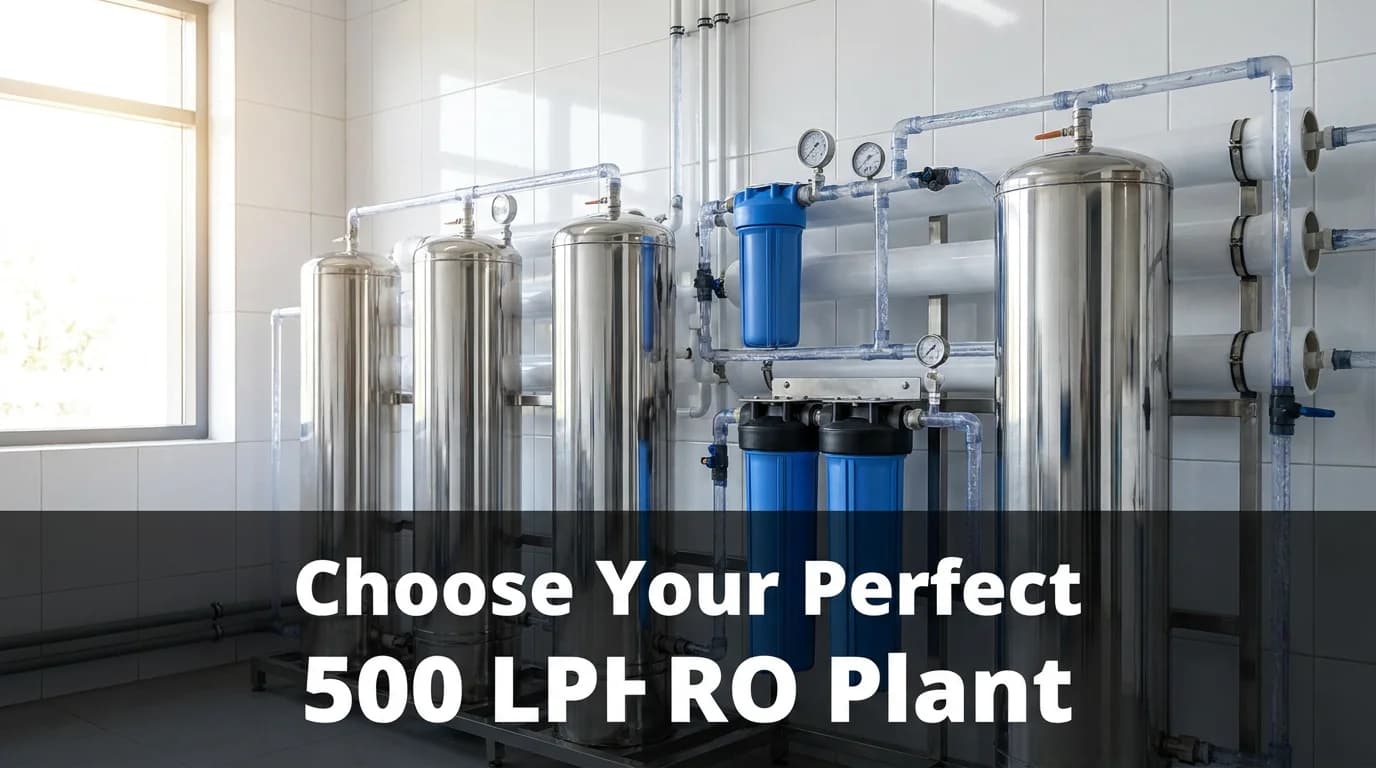
Ultimate Guide to Selecting the Right RO Plant for Your Commercial and Residential Needs in 2026
Access to clean drinking water is no longer a luxury but a fundamental necessity in modern India. With increasing industrial growth and urbanization, water contamination has become a serious concern across metropolitan cities and suburban areas alike. Whether you run a commercial establishment, manage a housing society, or oversee an industrial facility, investing in a reliable RO plant has become essential to ensure safe drinking water. The demand for reverse osmosis water purification systems has skyrocketed in recent years, particularly in rapidly developing regions where groundwater quality has deteriorated significantly. Understanding the intricacies of ro plant cost, capacity requirements, and technological features can help you make an informed purchasing decision. This comprehensive guide will walk you through everything you need to know about selecting the perfect reverse osmosis system, with special focus on popular capacities and regional considerations like finding a suitable 100 lph ro plant in gurgaon and surrounding areas.
Before diving into your purchase, it is crucial to understand that not all ro plants are created equal. The market offers numerous options ranging from small household units to large industrial-scale systems. Each comes with distinct specifications, maintenance requirements, and price points. Many buyers make the mistake of focusing solely on initial ro plant cost without considering long-term operational expenses, water recovery rates, and energy consumption patterns. The right system should match your daily water purifier consumption needs while operating efficiently within your budget constraints. For instance, a 100 lph ro plant might be perfect for a small office or restaurant, while larger commercial complexes might require systems with 500 LPH or higher capacities.
Investing in a quality water purification system also means understanding regional water quality variations. Areas like Gurgaon, Noida, Faridabad, and other NCR regions face unique challenges with high Total Dissolved Solids levels and specific contaminants requiring customized filtration approaches. The importance of conducting proper water testing before installation cannot be overstated, as this determines the type of pre-treatment and membrane specifications your system will need.
Understanding RO Plant Capacity and Your Water Requirements
Choosing the correct capacity is the foundation of selecting an appropriate ro plant for your facility. Capacity is typically measured in liters per hour, with common commercial options including 50 LPH, 100 LPH, 250 LPH, 500 LPH, and higher industrial capacities. To calculate your requirement, assess your peak daily water consumption and add a 20-25 percent buffer for fluctuations and future expansion.
For small businesses such as cafes, boutique offices, or clinics, a 100 lph ro plant often provides adequate supply for 30-50 people. Medium-sized restaurants, schools, or hostels typically require 250-500 LPH systems, while large corporate offices, hospitals, and manufacturing units may need 1000 LPH or more. When searching for a 100 lph ro plant in gurgaon or any location, always verify the actual output capacity rather than just the rated capacity, as recovery rates vary between systems.
Commercial ro plant specifications extend beyond simple capacity numbers. Consider factors like storage tank size, flow rate during peak hours, and whether the system can handle simultaneous multiple-point dispensing. Many facilities make the error of selecting undersized systems that struggle during peak consumption periods, leading to water shortages and employee dissatisfaction. Conversely, oversized systems waste energy and increase unnecessary operational costs. Professional water consultants can conduct detailed consumption audits to determine precise requirements based on your specific usage patterns and occupancy levels.
Comprehensive Cost Analysis for RO Plants in India
Understanding ro plant cost structures requires looking beyond the sticker price. The total cost of ownership includes initial purchase price, installation charges, annual maintenance contracts, membrane replacement costs, electricity consumption, and water wastage management. In 2026, basic commercial ro plant prices in India typically range from Rs 25000 to Rs 300000 depending on capacity and features.
A standard 100 lph ro plant cost generally falls between Rs 40000 to Rs 80000 for quality systems with decent automation and durability. This price range usually includes basic installation but may exclude specialized plumbing work or electrical modifications. Mid-range 250 LPH systems cost approximately Rs 80000 to Rs 150000, while 500 LPH industrial-grade plants range from Rs 150000 to Rs 250000. Premium systems with advanced features like IoT monitoring, automatic flushing, and ultraviolet sterilization command higher prices but offer superior long-term value.
Regional price variations exist due to transportation costs, local competition, and service availability. When exploring options for a 100 lph ro plant in gurgaon, you might find competitive pricing due to the concentration of suppliers serving the NCR region. However, verify that lower prices do not compromise quality or after-sales support. Some dealers offer attractive upfront pricing but charge premium rates for replacement parts and annual maintenance.
| Capacity | Price Range (INR) | Ideal For | Annual Maintenance Cost |
|---|---|---|---|
| 50 LPH | 30000 - 50000 | Small offices, clinics | 8000 - 12000 |
| 100 LPH | 40000 - 80000 | Restaurants, small schools | 12000 - 18000 |
| 250 LPH | 80000 - 150000 | Medium offices, hostels | 20000 - 30000 |
| 500 LPH | 150000 - 250000 | Large facilities, hotels | 35000 - 50000 |
Annual operational costs deserve equal attention when evaluating ro plant cost effectiveness. Electricity consumption for a 100 LPH system typically ranges from 800 to 1500 watts, translating to approximately Rs 3000 to Rs 6000 yearly based on eight-hour daily operation. Membrane replacement every 2-3 years adds Rs 8000 to Rs 15000 for most commercial systems. Pre-filter and post-filter cartridges require quarterly or bi-annual replacement, costing Rs 2000 to Rs 5000 annually depending on water quality and system design.
Key Features and Technologies to Consider
Modern reverse osmosis systems incorporate various technologies that significantly impact performance and user experience. When evaluating different ro plant options, prioritize these essential features based on your specific requirements and budget constraints.
Membrane quality stands as the most critical component determining purification effectiveness and system lifespan. Thin Film Composite membranes from reputable manufacturers offer superior rejection rates for dissolved solids, heavy metals, and microbiological contaminants. Multi-stage filtration including sediment filters, activated carbon blocks, and post-carbon polishing ensures comprehensive water treatment. For specialized applications, additional stages like UV sterilization, mineral cartridges, or alkaline filters enhance water quality and taste profiles.
Automation features greatly reduce manual intervention and improve operational reliability. Auto-flushing systems periodically clean membranes, extending their lifespan and maintaining consistent output quality. Auto shut-off functionality prevents tank overfilling and reduces water wastage. Digital TDS monitors provide real-time water quality feedback, alerting users to maintenance requirements or performance degradation. Advanced systems offer smartphone connectivity for remote monitoring and control, particularly valuable for facilities with multiple locations or absentee management.
Water recovery ratio significantly impacts operational costs and environmental sustainability. Standard commercial systems achieve 30-40 percent recovery, meaning they produce 30-40 liters of purified water for every 100 liters processed. High-efficiency ro plant designs can reach 50-60 percent recovery through optimized membrane configurations and pressure management. While higher recovery systems command premium ro plant cost, they substantially reduce water bills and drain loads in water-scarce regions.
Installation and Maintenance Considerations
Proper installation directly influences system performance, reliability, and longevity. When procuring a 100 lph ro plant in gurgaon or elsewhere, insist on professional installation by certified technicians familiar with local water conditions and plumbing standards. Adequate space allocation, proper electrical grounding, appropriate drainage facilities, and correct inlet water pressure ensure optimal operation.
Pre-installation water testing helps customize system specifications to local water chemistry. High TDS levels above 2000 ppm may require booster pumps or specialized membranes. Excessive hardness necessitates water softener pre-treatment to protect membranes from scaling. Chlorine levels above 0.5 ppm demand enhanced carbon filtration to prevent membrane damage. Iron, manganese, and bacterial contamination require specific pre-treatment solutions before reverse osmosis processing.
Maintenance schedules should follow manufacturer recommendations while adapting to actual water quality and usage patterns. Typical commercial ro plant maintenance includes:
- Monthly filter inspection and pressure gauge monitoring
- Quarterly sediment and carbon filter replacement
- Semi-annual membrane cleaning and sanitization
- Annual comprehensive system audit and performance testing
- Immediate attention to any taste, odor, or flow rate changes
Establishing relationships with reliable local service providers ensures prompt support when issues arise. Annual maintenance contracts typically range from 10-15 percent of initial system cost, covering routine servicing and emergency repairs. When evaluating ro plant cost proposals, carefully review maintenance terms, response times, spare parts availability, and technician qualifications.
Making Your Final Purchase Decision
Armed with comprehensive knowledge about capacities, costs, features, and maintenance requirements, you can now confidently select the ideal ro plant for your specific needs. Begin by documenting your exact requirements including daily water consumption, number of users, available installation space, and budget parameters. Obtain detailed quotations from at least three reputable suppliers, ensuring proposals include complete specifications, installation scope, warranty terms, and maintenance packages.
Visit operational installations similar to your intended application to observe system performance firsthand and gather user feedback. Verify supplier credentials including business registration, manufacturer authorizations, and customer references. Check online reviews and ratings while recognizing that occasional negative feedback is normal for any business. Request detailed water analysis reports and customized system designs addressing your specific water quality challenges.
Negotiate terms covering payment schedules, installation timelines, performance guarantees, and warranty coverage. Quality suppliers stand behind their products with comprehensive warranties typically spanning 1-2 years for components and longer coverage for major elements like pressure vessels and frames. Clarify post-warranty support availability and spare parts pricing to avoid future surprises.
Conclusion
Selecting the right ro plant requires careful evaluation of capacity needs, budget constraints, technological features, and long-term operational considerations. Whether you need a compact 100 lph ro plant in gurgaon for your startup office or a large-capacity system for an industrial facility, understanding the factors influencing ro plant cost and performance empowers you to make informed decisions. Remember that the cheapest option rarely provides the best value, while the most expensive system may include unnecessary features for your application. Focus on reliability, efficiency, and comprehensive after-sales support to ensure your investment delivers safe, clean drinking water for years to come. By following this comprehensive guide and conducting thorough due diligence, you will find the perfect water purification solution that meets your needs, fits your budget, and provides peace of mind regarding water quality and safety.
How to Choose the Best 500 LPH RO Plant: Complete Buying Guide with Cost Analysis
Access to clean drinking water is no longer a luxury but a fundamental necessity in modern India. With increasing industrial growth and urbanization, water contamination has become a serious concern across metropolitan cities and suburban areas alike. Whether you run a commercial establishment, manage a housing society, or oversee an industrial facility, investing in a reliable RO plant has become essential for ensuring safe water supply. A 500 LPH (liters per hour) RO plant represents the ideal capacity for mid-sized applications, offering sufficient output without excessive operational costs. This comprehensive guide will walk you through everything you need to know about selecting, purchasing, and maintaining a 500 LPH RO plant, including detailed cost analysis and technical specifications.
Understanding the 500 LPH RO Plant Capacity
A 500 LPH RO plant is