
5 Signs You Urgently Need best RO service center Pune This Month
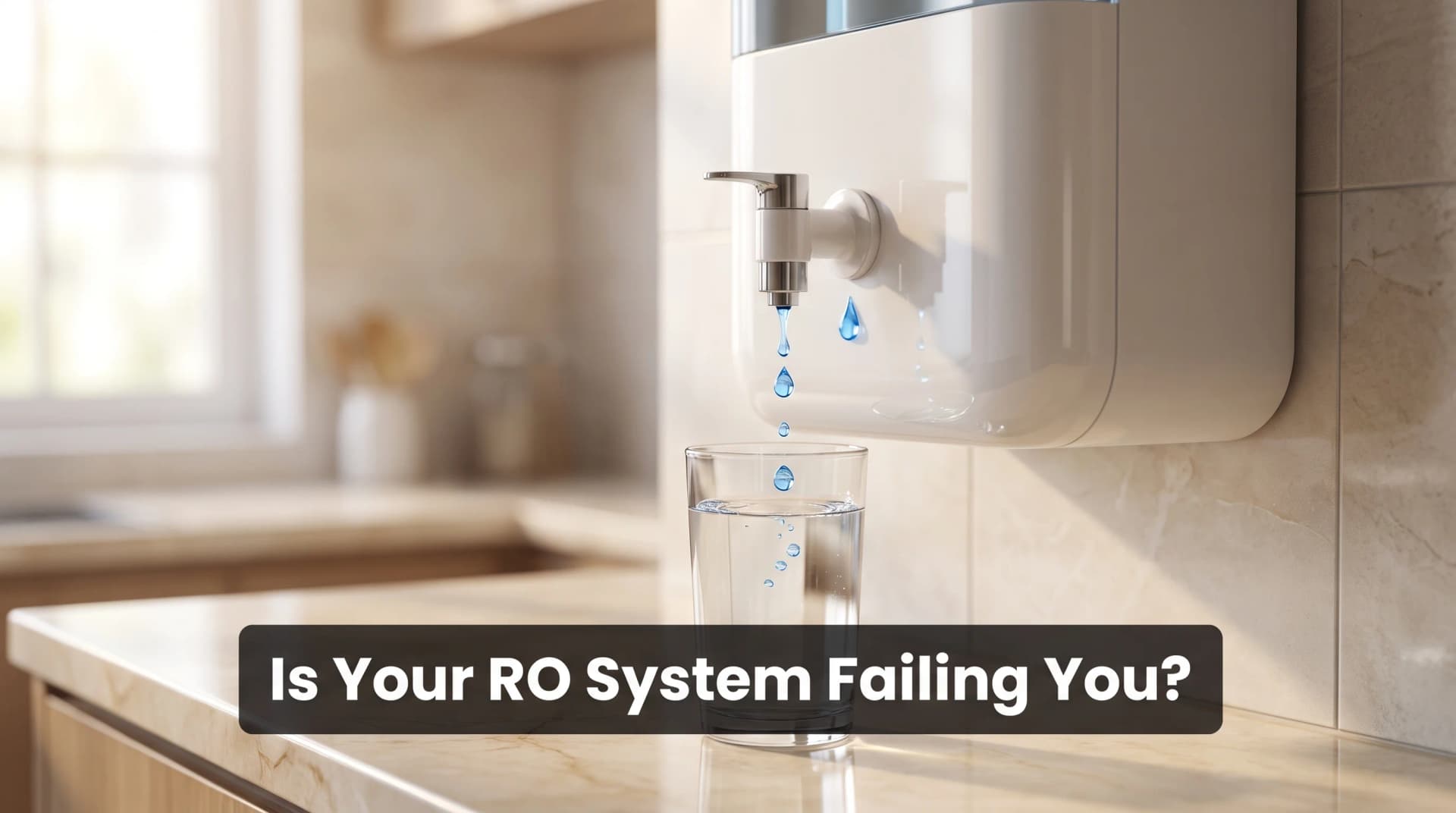
5 Critical Warning Signs Your Water Purifier Needs Professional RO Service in Pune Immediately
Water quality directly impacts your family's health, and your water purification system is the first line of defense against contamination. In Pune, where water hardness levels vary significantly across neighborhoods like Kothrud, Hadapsar, and Baner, maintaining your reverse osmosis system becomes even more crucial. Many homeowners ignore subtle warning signs until their purifier breaks down completely, leaving them vulnerable to unsafe drinking water. Understanding when your system needs professional attention can save you from expensive repairs and protect your family from waterborne diseases.
Professional ro service pune becomes essential when your purifier shows specific symptoms that indicate declining performance. Regular maintenance extends equipment lifespan, ensures consistent water quality, and prevents sudden breakdowns during Pune's summer months when water consumption peaks. The difference between timely servicing and delayed attention often means the difference between a simple filter replacement and a complete system overhaul. Most Pune residents underestimate how quickly purifier performance degrades without proper maintenance schedules.
The hard water in many Pune localities accelerates wear on purification membranes and filters, making professional ro water purifier service pune more frequent than in cities with softer water. Municipal water supply fluctuations, seasonal variations in water quality, and increased sediment during monsoon seasons all contribute to faster deterioration of purification components. Recognizing early warning signs helps you schedule preventive maintenance rather than emergency repairs, which typically cost 40-60% more than routine service calls.
This comprehensive guide identifies five critical indicators that demand immediate professional attention for your water purification system. Each sign represents specific technical issues that trained technicians can diagnose and resolve efficiently. Whether you notice changes in water taste, unusual noises, or visible quality problems, understanding these symptoms helps you take prompt action to restore safe drinking water access for your household.
Unusual Changes in Water Taste, Smell, or Appearance
The most noticeable indication that your purification system requires professional ro service appears in the water itself. When properly functioning equipment suddenly produces water with metallic tastes, chlorine odors, or cloudy appearance, the filtration stages have likely become compromised. Pune's water contains varying levels of total dissolved solids depending on your area's water source, and failing filters cannot adequately remove these impurities anymore.
Strange tastes often indicate membrane damage or carbon filter saturation. The semi-permeable membrane that performs reverse osmosis can develop microscopic tears or scaling from hard water minerals, allowing contaminants to pass through. Carbon pre-filters and post-filters that remove chlorine and organic compounds have limited capacity, typically lasting 6-12 months under normal Pune water conditions. Once saturated, these filters release previously trapped contaminants back into your drinking water.
Cloudy or milky water appearance signals serious filtration problems requiring immediate intervention. This cloudiness comes from either air bubbles in newly serviced systems or, more concerning, from bacterial growth in storage tanks and pipelines. Sediment buildup in pre-filters can also cause visible particles in purified water. Color changes like yellow or brown tints indicate rust from corroded components or contamination from municipal supply lines, neither of which healthy systems should allow through.
Foul odors ranging from rotten egg smells to musty basement scents point to bacterial contamination in storage tanks or stagnant water in membrane housings. Even systems that appear to function normally can harbor bacterial colonies if not serviced regularly. Professional technicians sanitize entire systems, replace contaminated components, and restore water to odorless, tasteless purity that meets Indian drinking water standards.
Dramatic Decrease in Water Flow and Production Speed
Noticeably slower water flow from your purification tap indicates multiple potential problems that ro customer care pune professionals diagnose accurately. Normal systems produce water at consistent rates, typically filling a glass in 15-30 seconds depending on system capacity. When this process extends to several minutes, or your storage tank takes hours longer than usual to refill, your system struggles with internal blockages or pressure problems.
Sediment accumulation in pre-filters represents the most common cause of reduced flow rates in Pune households. Municipal water carries fine particles of sand, silt, and rust that accumulate rapidly in sediment filters, especially during monsoon months when water turbidity increases. This clogging restricts water flow entering the purification stages, dramatically slowing overall production. Simple filter replacement during routine maintenance restores normal flow within minutes.
Membrane scaling from hard water minerals creates more serious flow restrictions requiring specialized treatment. Calcium and magnesium deposits gradually coat membrane surfaces, reducing the effective filtration area and slowing water passage. Advanced scaling may require membrane replacement rather than simple cleaning. Professional technicians perform Total Dissolved Solids testing to determine membrane condition and recommend appropriate solutions based on actual performance data rather than guesswork.
Low inlet water pressure affects purification efficiency since reverse osmosis requires adequate pressure to force water through membrane pores. Pune's municipal supply pressure varies by locality and time of day. Systems installed with booster pumps may experience flow problems when pumps malfunction. Pressure gauge readings help technicians identify whether supply pressure, pump performance, or internal restrictions cause your flow problems.
Increased Electricity Consumption Without Usage Changes
Sudden spikes in monthly electricity bills without corresponding increases in water consumption signal equipment inefficiency requiring professional attention. Modern purification systems operate efficiently when properly maintained, but struggling components consume significantly more power while producing the same water volume. Monitoring your electricity usage helps identify problems before complete system failure occurs.
Booster pumps working against clogged filters or scaled membranes run longer and draw more current to achieve target pressure levels. Instead of brief cycles to pressurize the system, failing equipment operates continuously or cycles frequently throughout the day. This extended operation translates directly into higher electricity costs. A pump that previously cycled for 2-3 minutes might run 10-15 minutes to fill the same storage tank when filters need replacement.
Malfunctioning solenoid valves that fail to close completely allow water to drain continuously from storage tanks, triggering frequent pump cycles. This constant cycling wastes electricity and water simultaneously. Similarly, worn check valves that permit backflow force pumps to work harder maintaining system pressure. These component failures rarely improve without professional intervention and typically worsen progressively over time.
Electronic control panels experiencing voltage fluctuations or component degradation may malfunction, keeping pumps or UV lamps powered unnecessarily. Advanced systems with digital displays or automatic flushing features consume more electricity when control circuits malfunction. Professional diagnostic equipment identifies electrical problems that household users cannot detect visually, ensuring efficient operation after service completion.
Continuous Water Dripping or Leaking from Unit
Visible water leakage from any purification system component demands immediate attention to prevent water damage and equipment failure. Small drips often indicate minor seal failures that technicians repair quickly, while steady streams signal serious component failures requiring urgent replacement. Pune's humidity can accelerate corrosion in vulnerable components, making leak problems more common than in drier climates.
Common leak sources include worn O-rings in filter housings that compress and harden over time, losing their sealing ability. Each time technicians open housings for filter changes, O-rings experience stress. After multiple service cycles, these rubber seals require replacement to maintain watertight connections. Housing cracks from overtightening or impact damage also cause leaks that worsen progressively as pressure cycles stress damaged areas.
Storage tank diaphragm failures create leaks at air valve stems or tank seams. The internal bladder separating water from pressurized air can rupture, causing waterlogged tanks that leak externally. Drain line fittings that work loose from vibration or pressure surges drip continuously, wasting treated water and potentially damaging cabinetry. Professional technicians carry replacement parts for common leak sources, enabling same-visit repairs in most situations.
Membrane housing leaks prove particularly problematic since they occur under higher pressure than other components. Cracked housings or loose housing caps release pressurized water forcefully, creating water damage risks. These leaks often worsen rapidly once started, making prompt professional attention essential. Attempting DIY repairs on pressurized components without proper tools and knowledge frequently causes additional damage requiring more extensive repairs.
Strange Noises During Operation or Continuous Running
Unusual sounds from purification equipment indicate mechanical problems requiring professional attention before complete failure occurs. Properly functioning systems operate quietly with occasional pump cycling sounds. New noises like grinding, squealing, rattling, or humming suggest specific component problems that trained technicians diagnose accurately through experience with common failure patterns.
High-pitched squealing from booster pumps indicates bearing wear or impeller damage from sediment passing through pump chambers. Pune's hard water accelerates pump wear when pre-filters are not changed regularly, allowing abrasive particles into pump internals. Pumps approaching failure often squeal intermittently before completely seizing. Prompt replacement prevents sudden loss of water production and potential electrical hazards from seized pump motors.
Rattling or vibrating noises come from loose mounting hardware, deteriorated vibration dampening feet, or internal component failures. Systems installed on hollow cabinet walls transmit vibrations more noticeably than floor-mounted units. While sometimes merely annoying, vibration can indicate serious problems like unbalanced impellers or loose motor mounts that will worsen without correction. Professional installation reviews ensure proper mounting and component security.
Continuous running without automatic shutoff indicates pressure switch failures or solenoid valve problems preventing proper system cycling. Normal systems shut off automatically when storage tanks reach capacity, signaling through pressure switch activation. Failed switches keep pumps running continuously, wasting electricity and potentially damaging pumps through overheating. Electronic control systems may experience circuit board failures causing similar symptoms requiring technical expertise to diagnose accurately.
Gurgling sounds from drain lines or storage tanks generally indicate normal operation but can signal air locks or drainage restrictions when excessive. Professional service includes checking all operational sounds against manufacturer specifications, identifying abnormalities that homeowners might dismiss as normal operation.
Comparison of Service Response Times Across Pune Localities
| Locality | Average Response Time | Peak Season Delay | Service Availability |
|---|---|---|---|
| Kothrud | 4-6 hours | 8-12 hours | High |
| Hadapsar | 6-8 hours | 12-24 hours | Medium |
| Baner | 4-6 hours | 8-12 hours | High |
| Wakad | 6-10 hours | 12-24 hours | Medium |
| Deccan | 2-4 hours | 4-8 hours | Very High |
| Viman Nagar | 4-8 hours | 8-16 hours | Medium |
| Undri | 8-12 hours | 24-48 hours | Low |
| Aundh | 4-6 hours | 8-12 hours | High |
Understanding When DIY Fixes Are Insufficient
Many Pune residents attempt basic troubleshooting before calling professional technicians, which proves appropriate for simple issues like resetting systems or checking power connections. However, certain problems absolutely require professional expertise, specialized tools, and genuine replacement parts to resolve safely and effectively. Knowing this distinction prevents worsening problems through inappropriate DIY attempts.
Filter replacements represent the boundary between homeowner maintenance and professional service for many households. Pre-sediment and carbon filters typically feature user-friendly designs enabling replacement without technical knowledge. However, membrane replacement requires proper sanitization procedures, pressure testing, and performance verification that untrained individuals often skip, resulting in contaminated systems or poor purification efficiency after supposedly successful replacements.
Electrical problems involving pumps, control panels, or UV sterilization systems demand professional attention due to safety concerns and diagnostic complexity. Attempting repairs on powered components without proper electrical knowledge risks electrocution, fire hazards, or permanent equipment damage. Professional technicians carry testing equipment to identify failed components accurately rather than replacing parts through trial and error, saving money and time.
Leak repairs often appear simple but require understanding proper tightening torques, O-ring lubrication techniques, and housing alignment to succeed. Over-tightening filter housings cracks plastic components while under-tightening causes persistent leaks. Professional service includes proper part preparation and installation techniques that ensure leak-free operation for extended periods between services.
Pressure adjustments, membrane cleaning, and system sanitization require specialized chemicals, equipment, and knowledge of proper procedures. Using incorrect cleaning solutions can permanently damage membranes, while improper sanitization leaves bacterial contamination untreated. These procedures form core components of professional service visits, justifying the investment in expert care rather than risky DIY attempts.
Preventive Maintenance Schedule for Pune Water Conditions
Establishing appropriate service intervals based on Pune's specific water quality challenges ensures optimal performance and longevity from purification investments. Generic manufacturer recommendations often assume average water quality that differs significantly from actual conditions across Pune neighborhoods. Customizing maintenance schedules to local water characteristics prevents premature failures while avoiding unnecessary service expenses.
Pre-sediment filters require replacement every 2-3 months in Pune due to high particulate loads in municipal water, particularly during and immediately after monsoon seasons. Areas receiving bore well water may need monthly replacements depending on well depth and local geology. Waiting for visible flow reduction before changing sediment filters allows excessive sediment to reach expensive downstream components, accelerating their deterioration.
Carbon pre-filters and post-filters typically last 6-8 months under Pune water conditions, though chlorine-heavy water supplies may necessitate more frequent changes. Saturated carbon filters release previously trapped contaminants, defeating purification purposes. Annual replacement represents minimum best practice, with six-month intervals providing better protection for households prioritizing water quality.
Reverse osmosis membranes generally require replacement every 24-36 months when properly maintained with timely filter changes and appropriate pre-treatment. Pune's hard water can reduce membrane life to 18-24 months without water softening. Professional technicians perform TDS testing and pressure readings to determine actual membrane condition rather than following arbitrary timelines.
Complete system sanitization should occur annually at minimum, with semi-annual sanitization recommended for households with young children, elderly members, or immunocompromised individuals. This process eliminates bacterial growth in storage tanks, pipelines, and housings that filters alone cannot prevent. Combining sanitization with membrane replacement ensures starting fresh with completely clean systems.
Cost Implications of Delayed Service
Postponing necessary maintenance to save immediate expenses typically results in significantly higher long-term costs through component damage and emergency repairs. Understanding financial implications of delayed service motivates timely maintenance scheduling that protects both equipment investments and family health. Prevention consistently proves more economical than correction across all purification system types and brands.
Emergency service calls typically cost 1500-3000 INR beyond standard service charges due to immediate response requirements and after-hours technician availability. Weekend and holiday emergency services command even higher premiums, potentially reaching 4000-5000 INR for service calls alone before parts and labor. Scheduled maintenance visits during regular business hours eliminate these premium charges while addressing problems before they escalate to emergencies.
Component damage from delayed maintenance dramatically increases repair costs compared to timely service. A clogged pre-filter costing 150-300 INR to replace can cause pump damage requiring 3000-5000 INR pump replacement when neglected. Scaled membranes that could have been cleaned for 800-1200 INR may require complete replacement at 2500-4000 INR after prolonged neglect allows permanent scaling.
Water quality degradation during system malfunction periods exposes families to contaminated water despite seemingly functional equipment. Discover how to protect your family's health by recognizing when your RO system needs immediate attention. Learn more about the five critical warning signs that indicate your water purifier requires professional servicing, and explore further how regular maintenance prevents complete system failure while ensuring consistently safe drinking water for your household in Pune's varying water conditions.
Related Blogs
- Eco-Friendly Practices in Modern RO purifier service plan Nagpur
- RO purifier not working Mumbai vs Local Plumbers: Which One Should You Trust?
- RO customer care East Godavari: Complete Guide to Pricing and Plans in 2026
- Top Mistakes to Avoid When Hiring RO purifier annual maintenance Gurgaon
- RO membrane replacement Kolkata: What's Included in a Standard Visit?